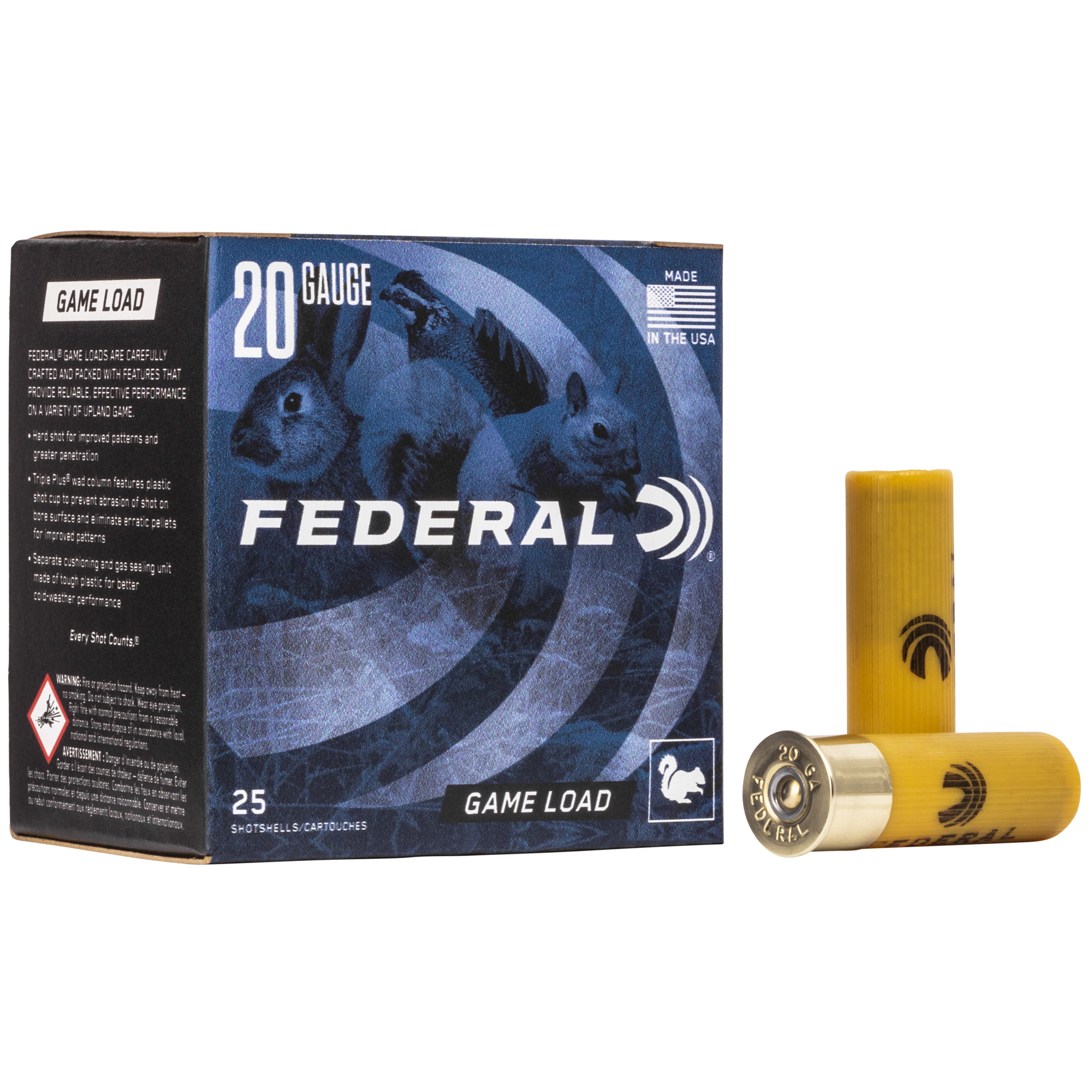
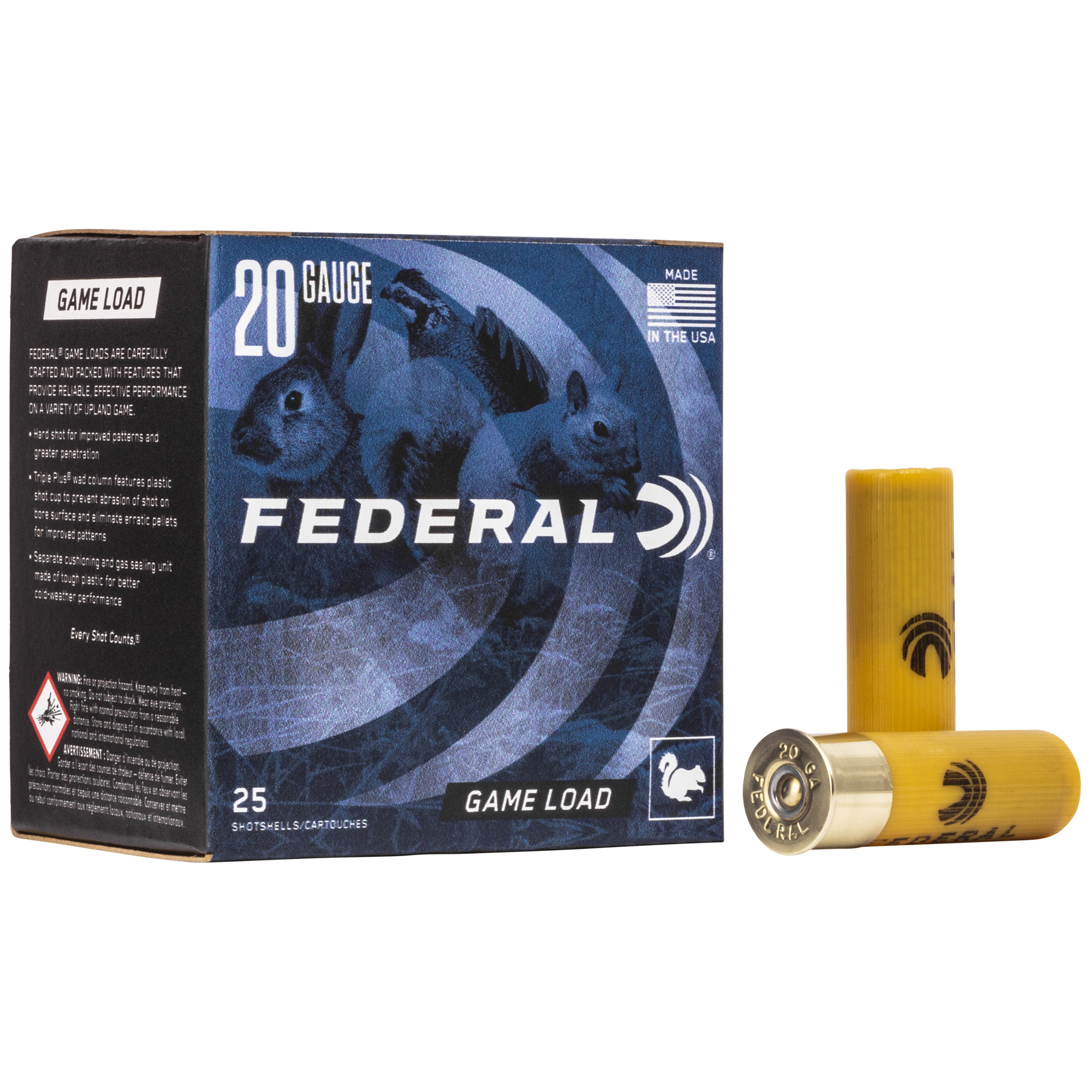
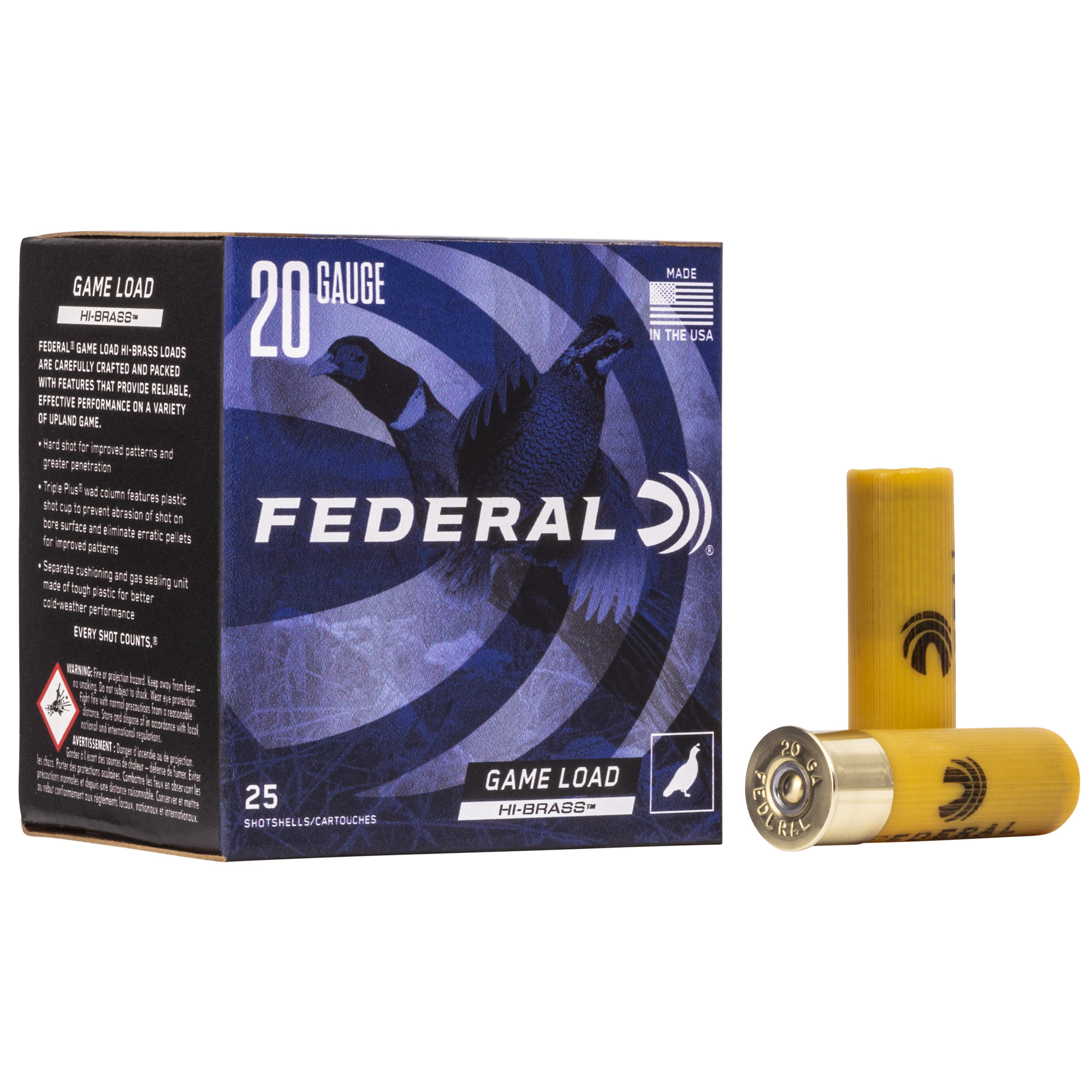
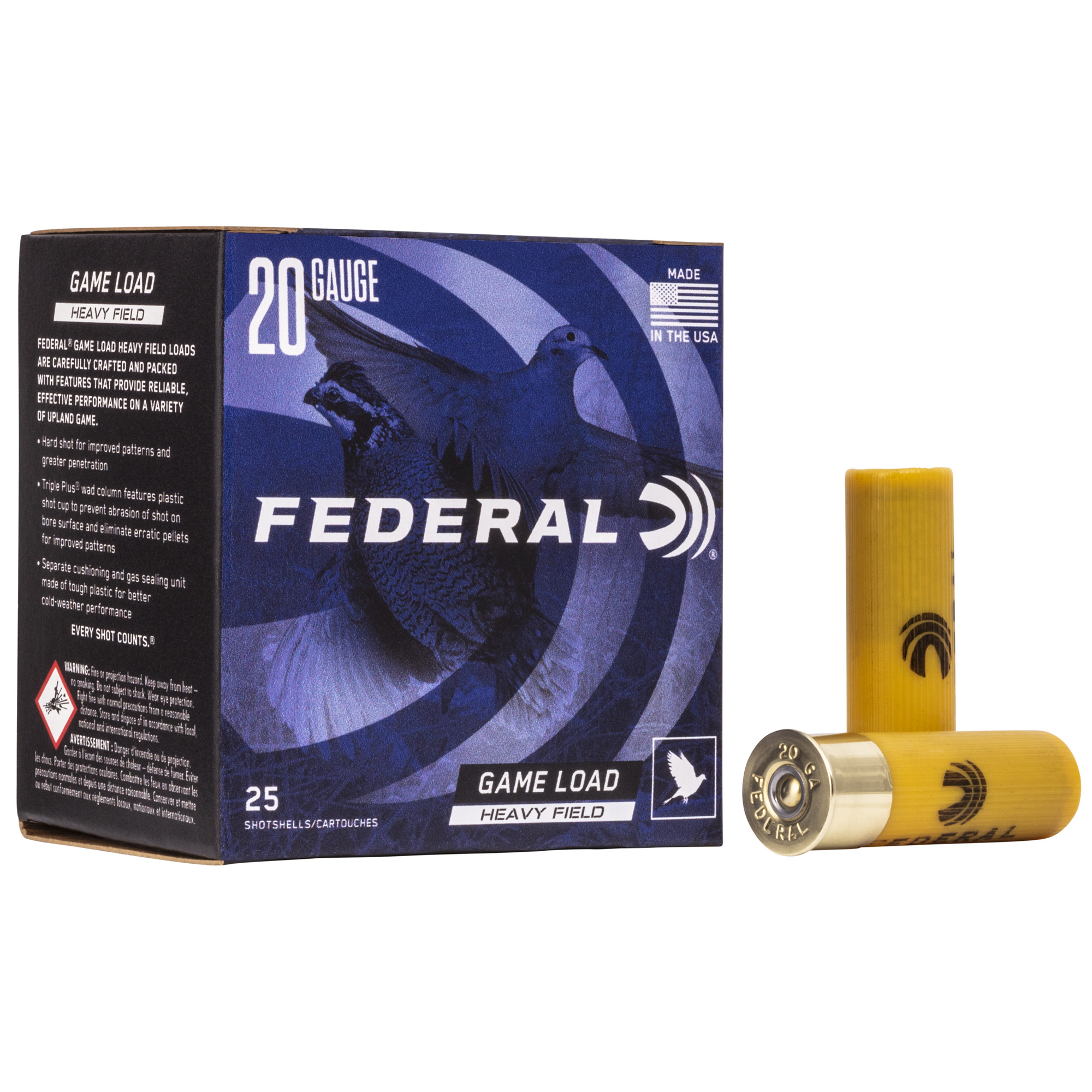
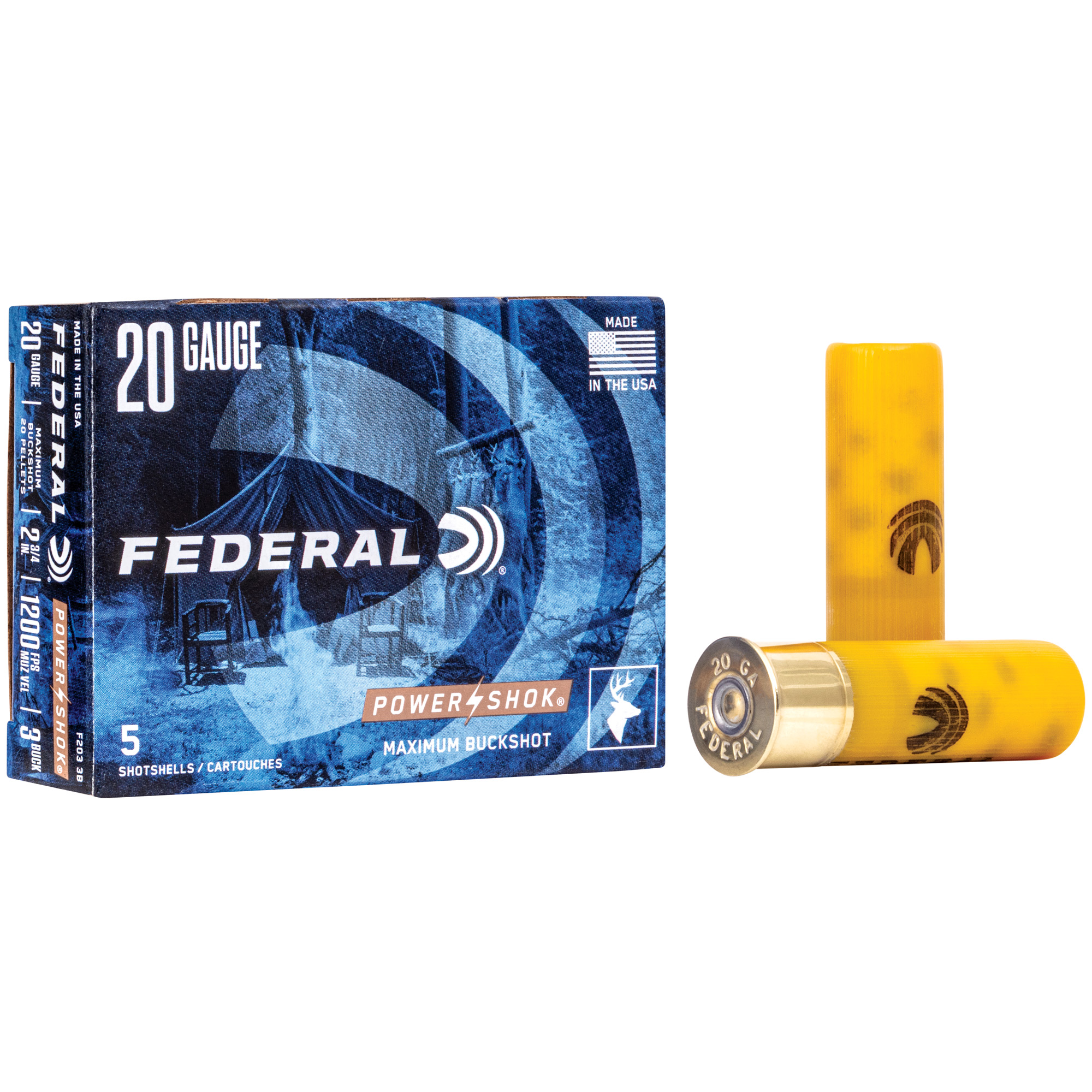
Keep 20 Gauge Ammo Matched to the Shotgun
20 Gauge Ammo should be matched to the shotgun’s gauge marking and accepted shell length before buyers compare brand, shot size, slug type, or bulk case quantity. Product listings may use 20 gauge ammo, 20 gauge shotgun shells, 20 ga shells, or 20 gauge loads, so the product title and shell details deserve the first look.
Shotgun ammunition is different from rifle and handgun cartridges because buyers must pay attention to gauge, shell length, shot size, shot weight, payload style, and box count. A 20 gauge shell listing may describe target loads, field loads, buckshot, slugs, steel shot, lead shot, bismuth, tungsten-style options, or other shotshell details. The right cart starts with the shell matching the shotgun and the order quantity making sense.
Read Shell Length, Shot Size, and Load Type Together
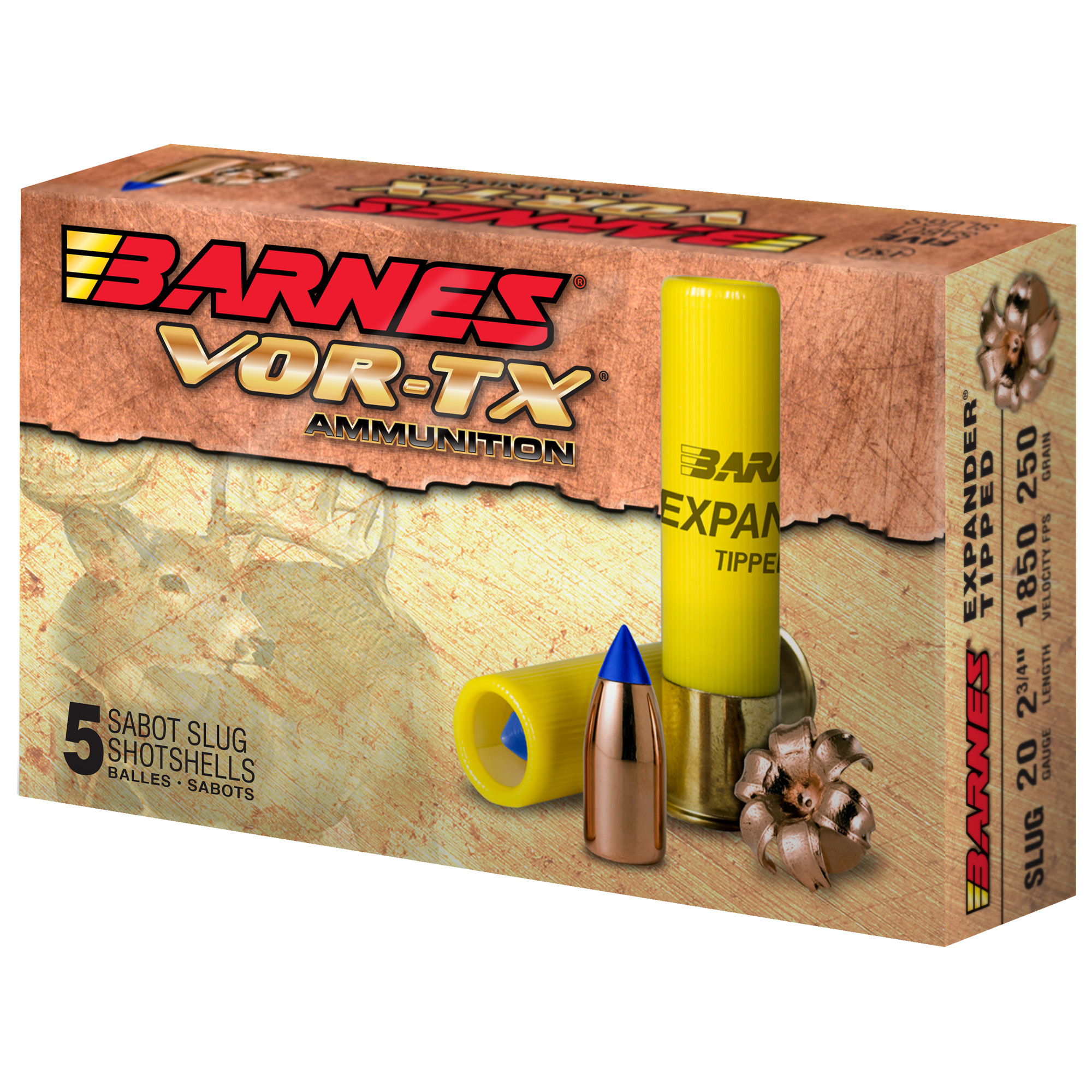
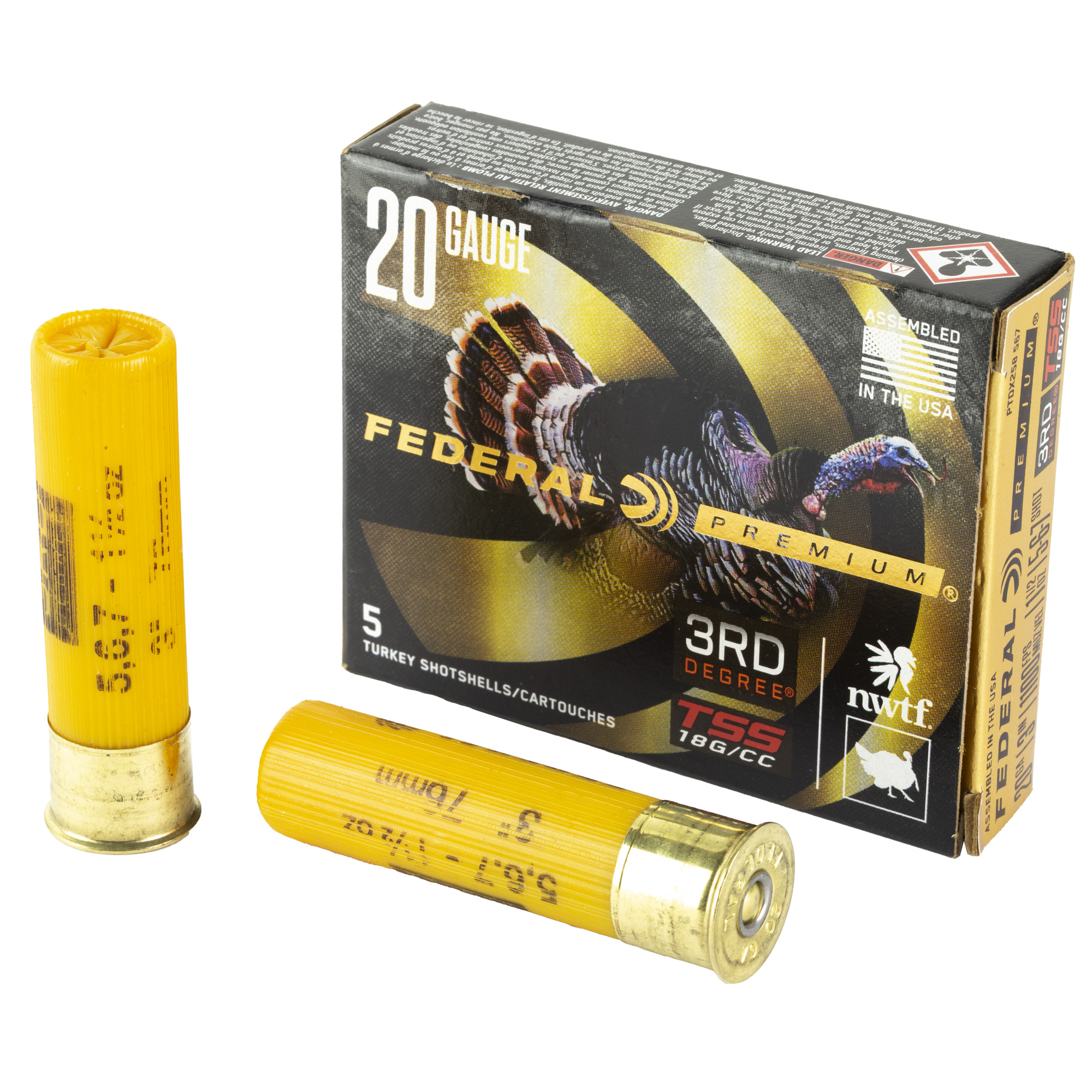
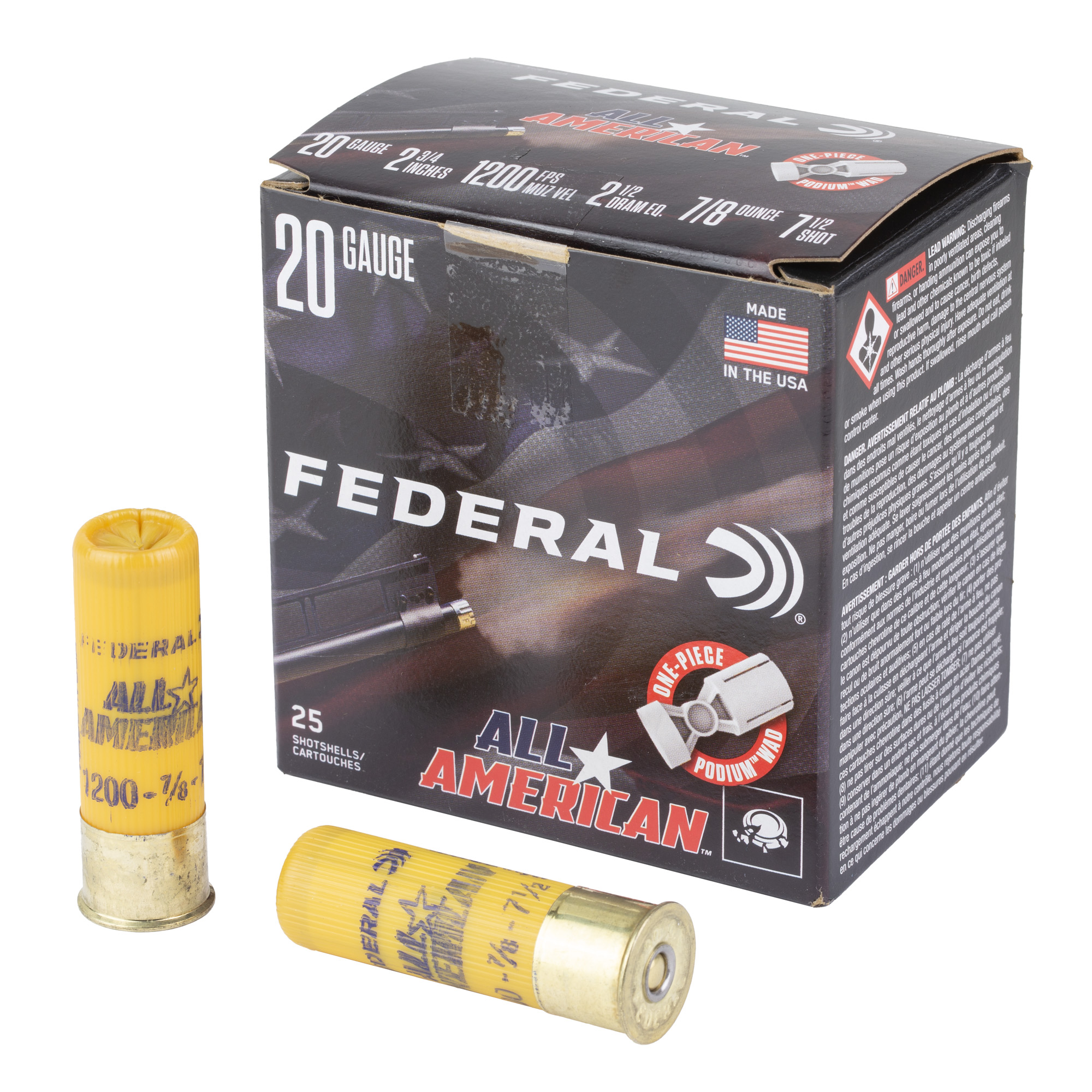
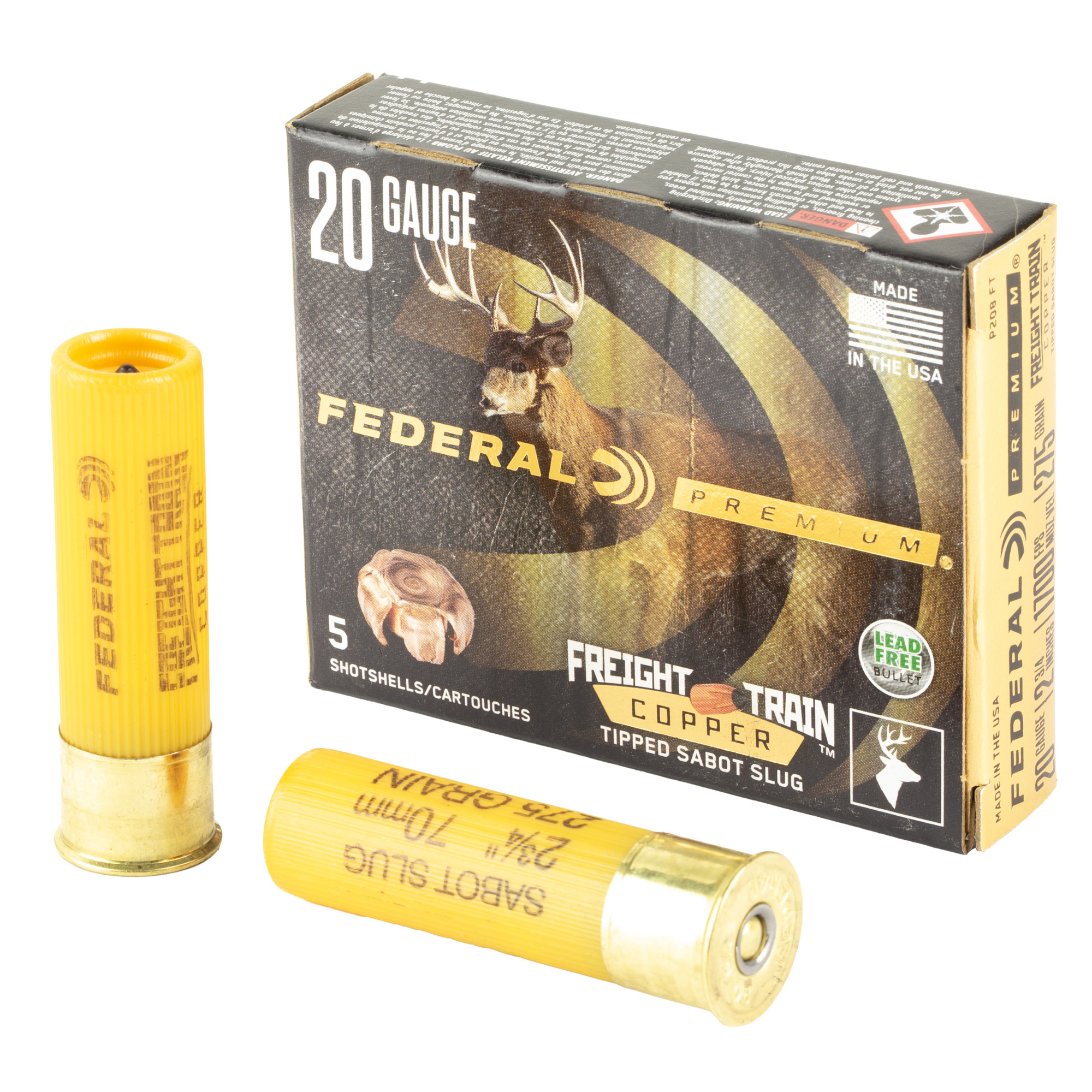
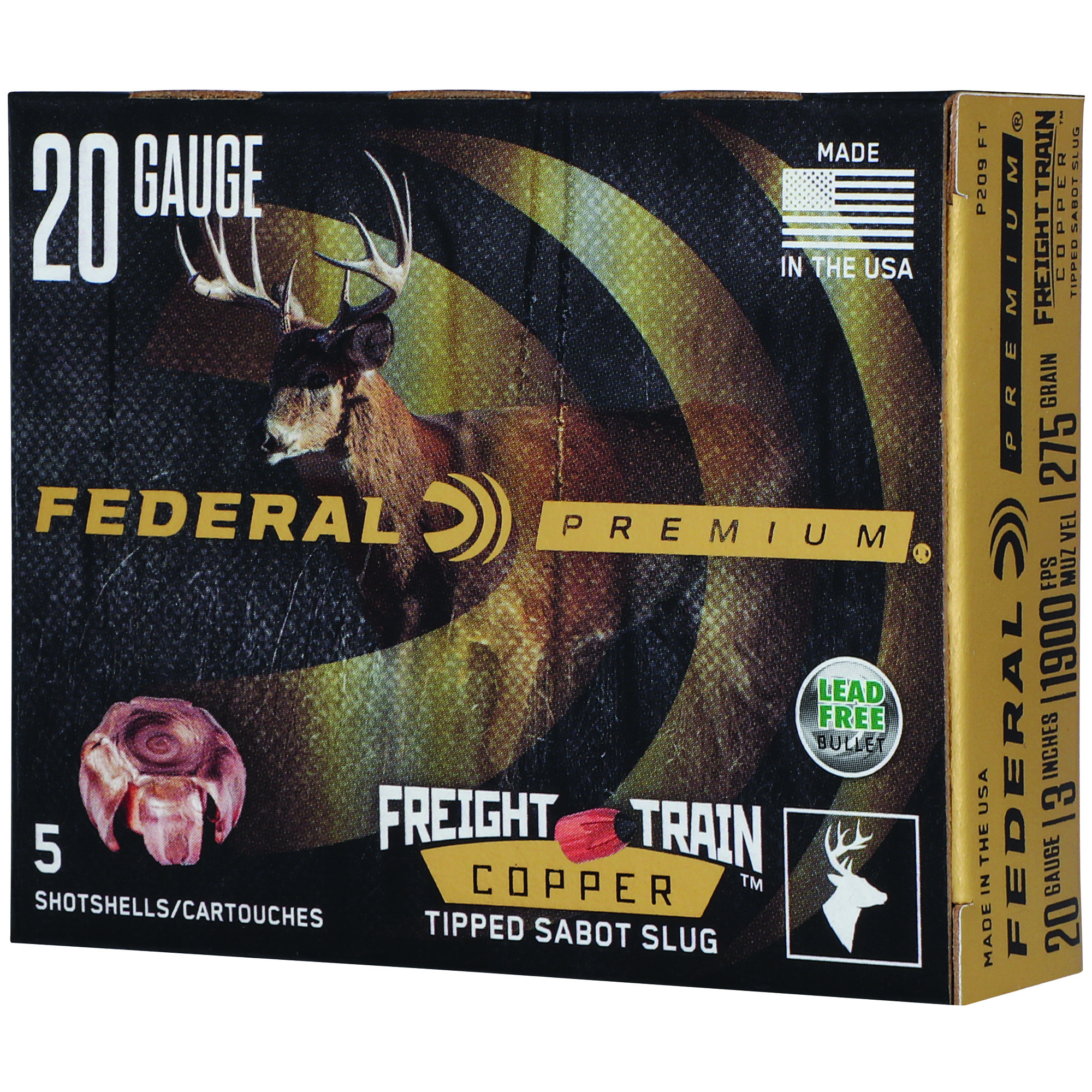
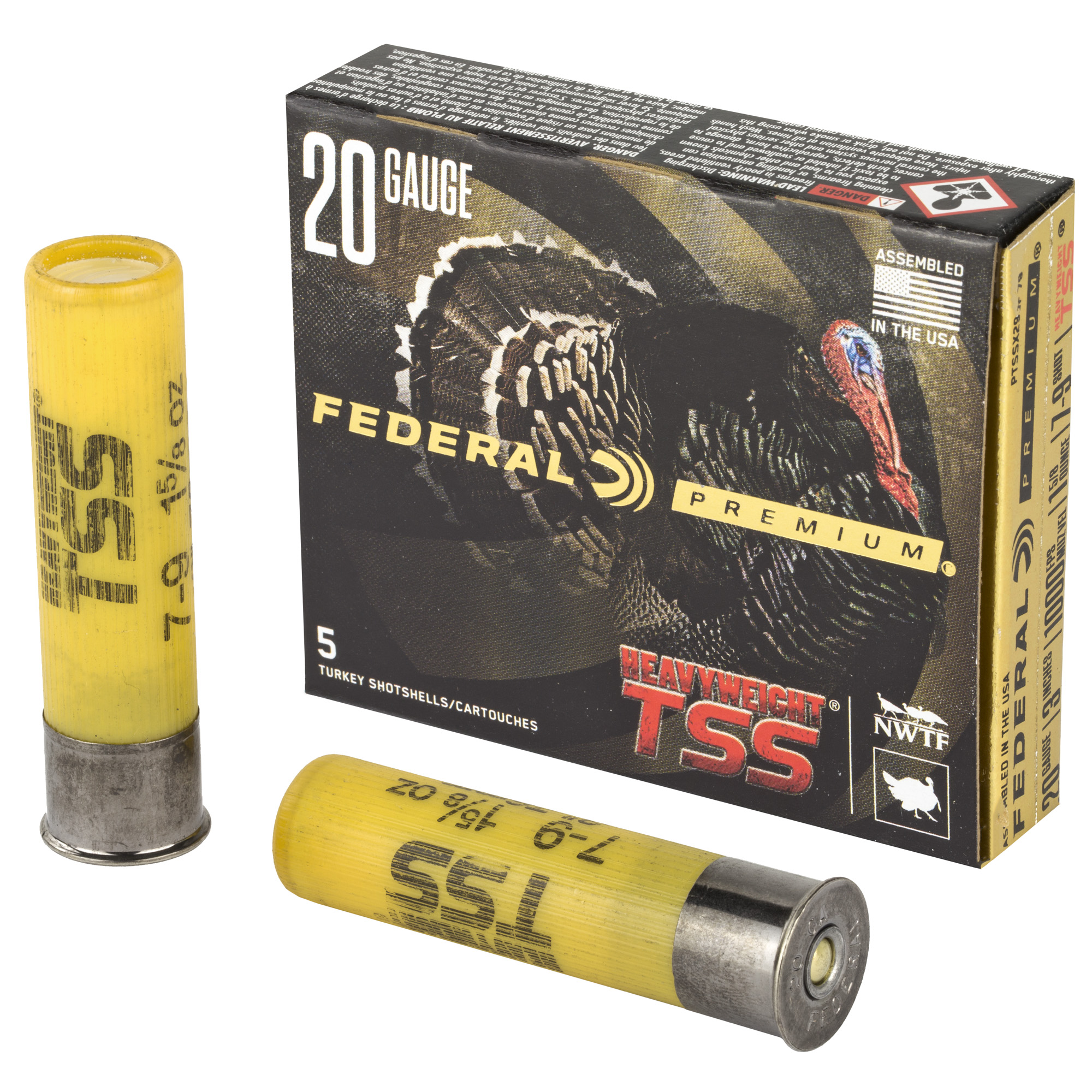
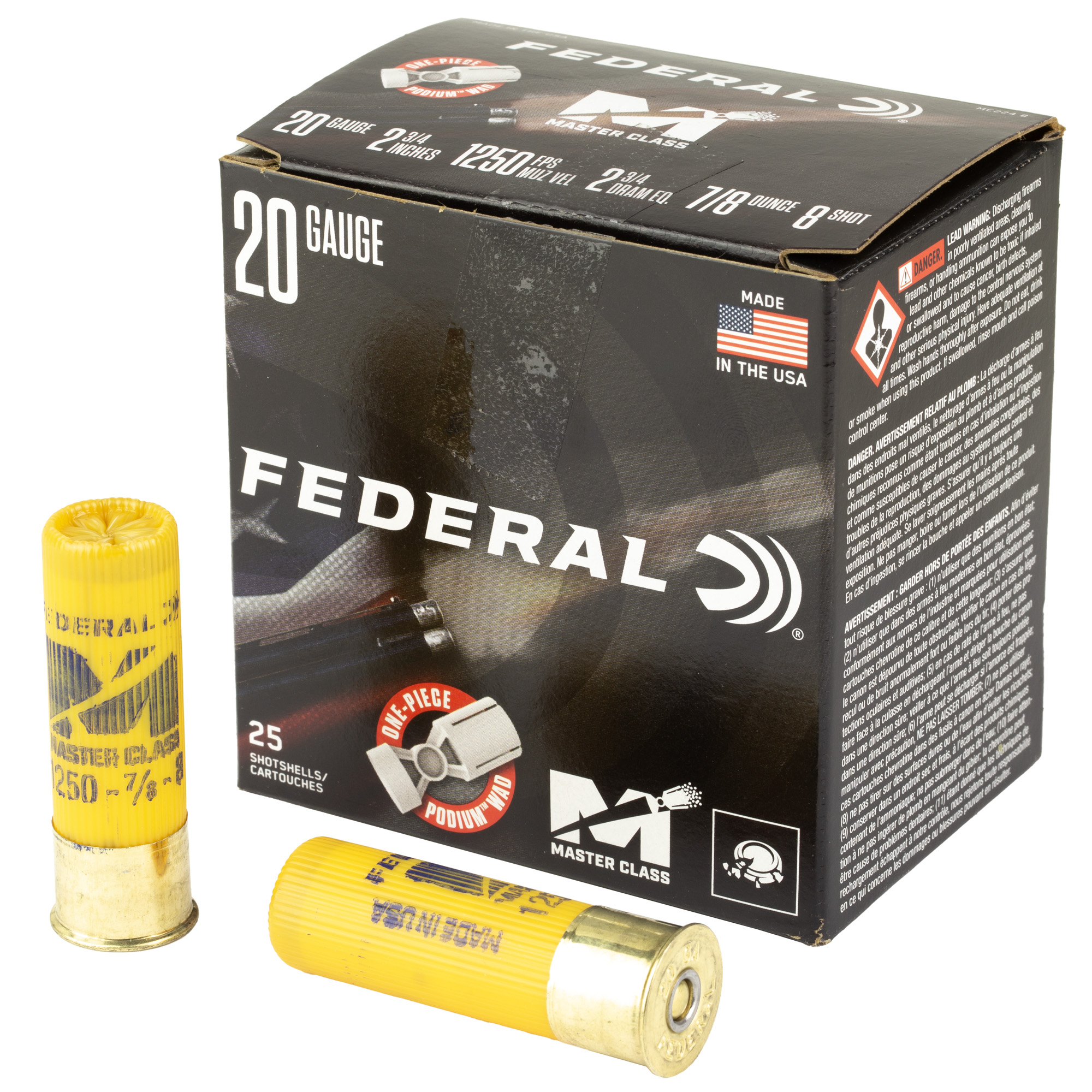
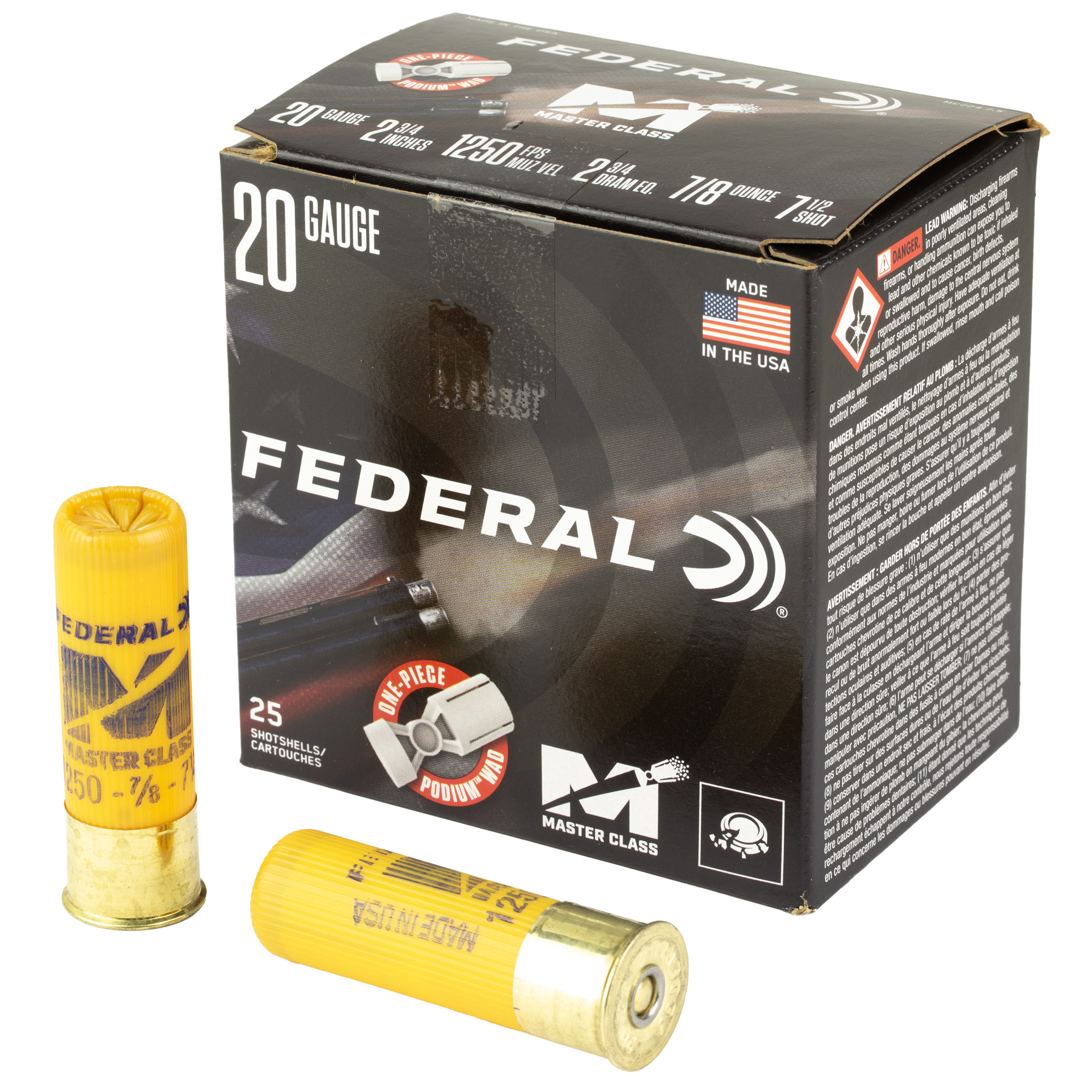
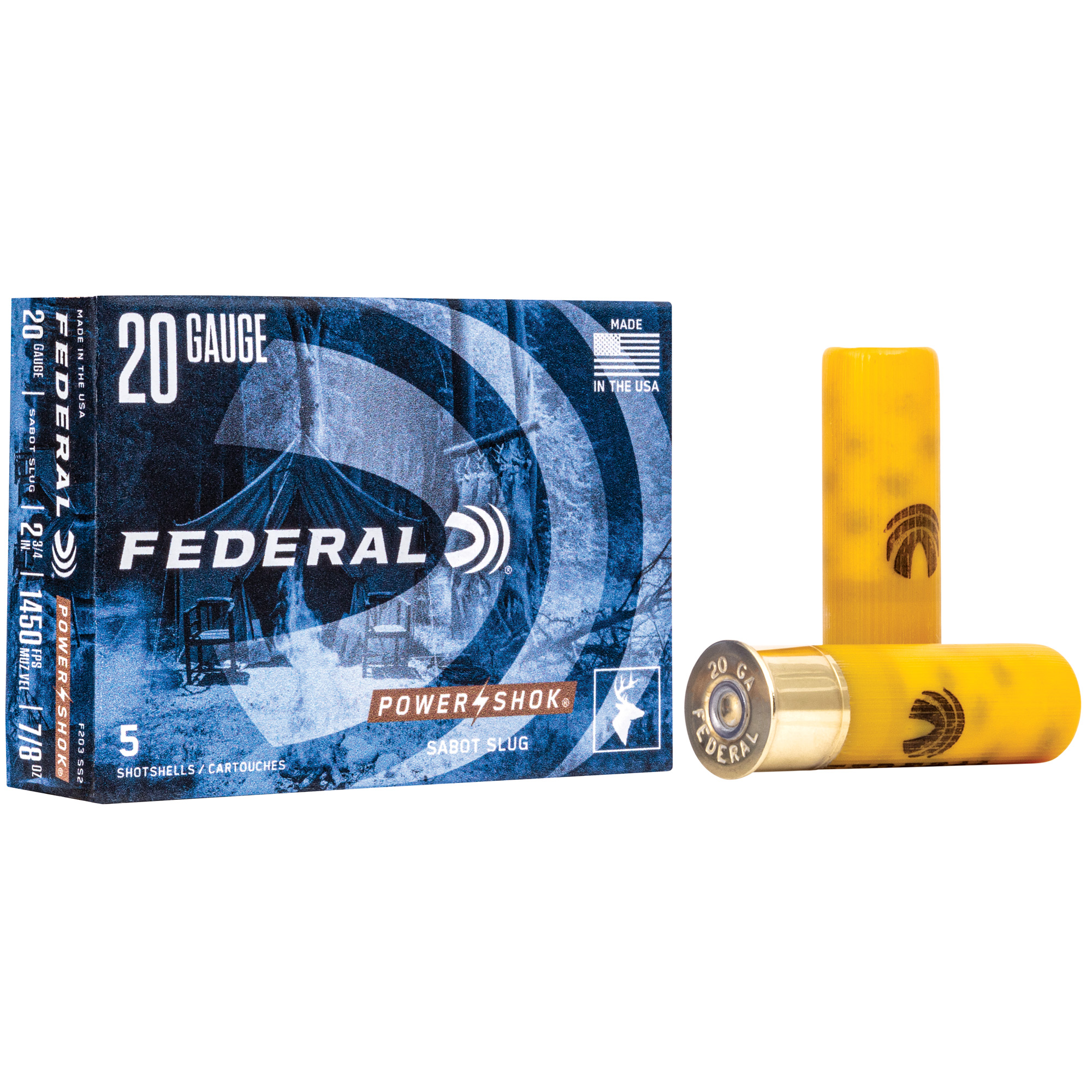
With 20 gauge ammo, shell length and load type should be checked before price per round. Common product details may include 2-3/4 inch or 3 inch shell length, shot size, shot weight in ounces, slug weight, buckshot size, shell material, and rounds per box. Those details tell buyers what kind of shotshell is actually being ordered.
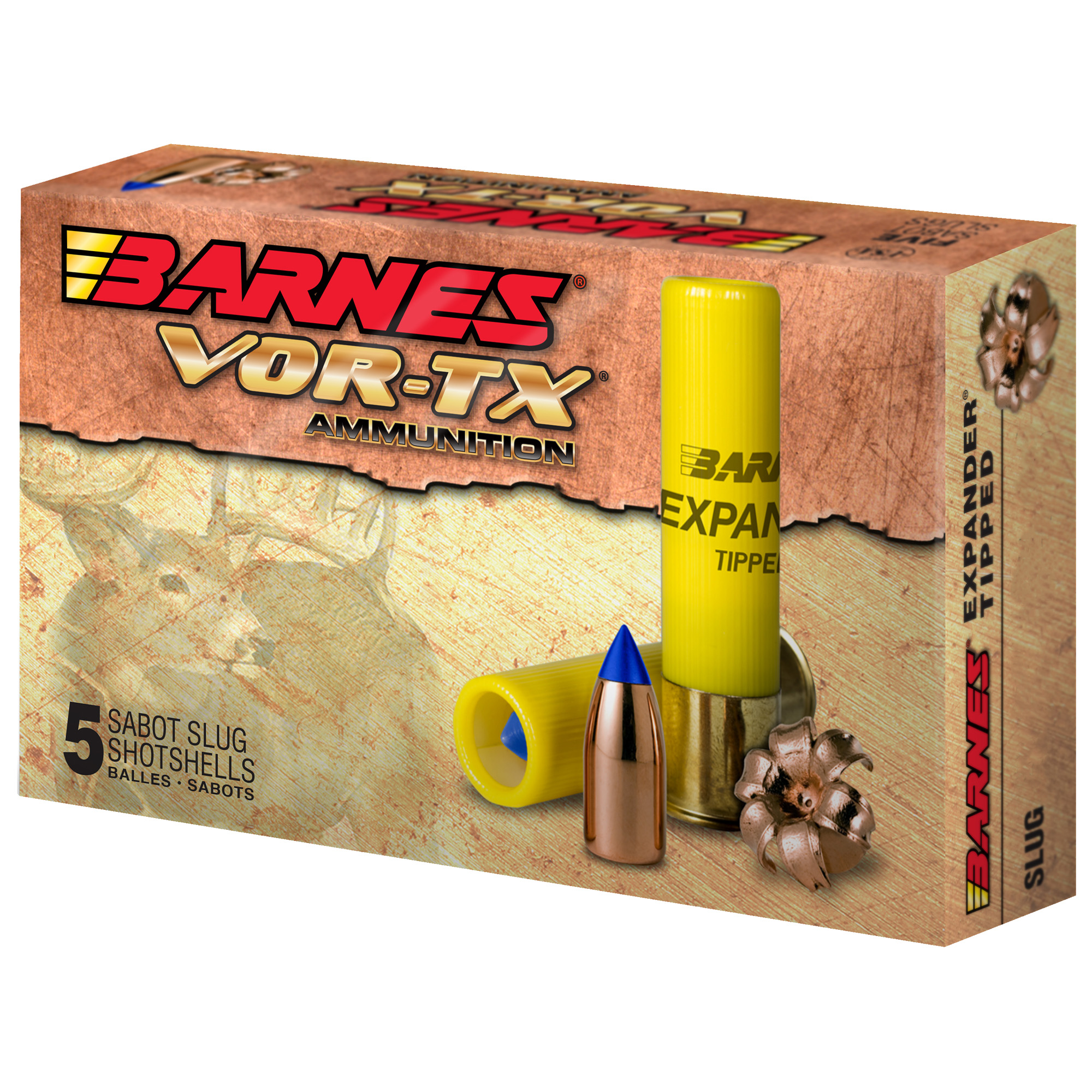
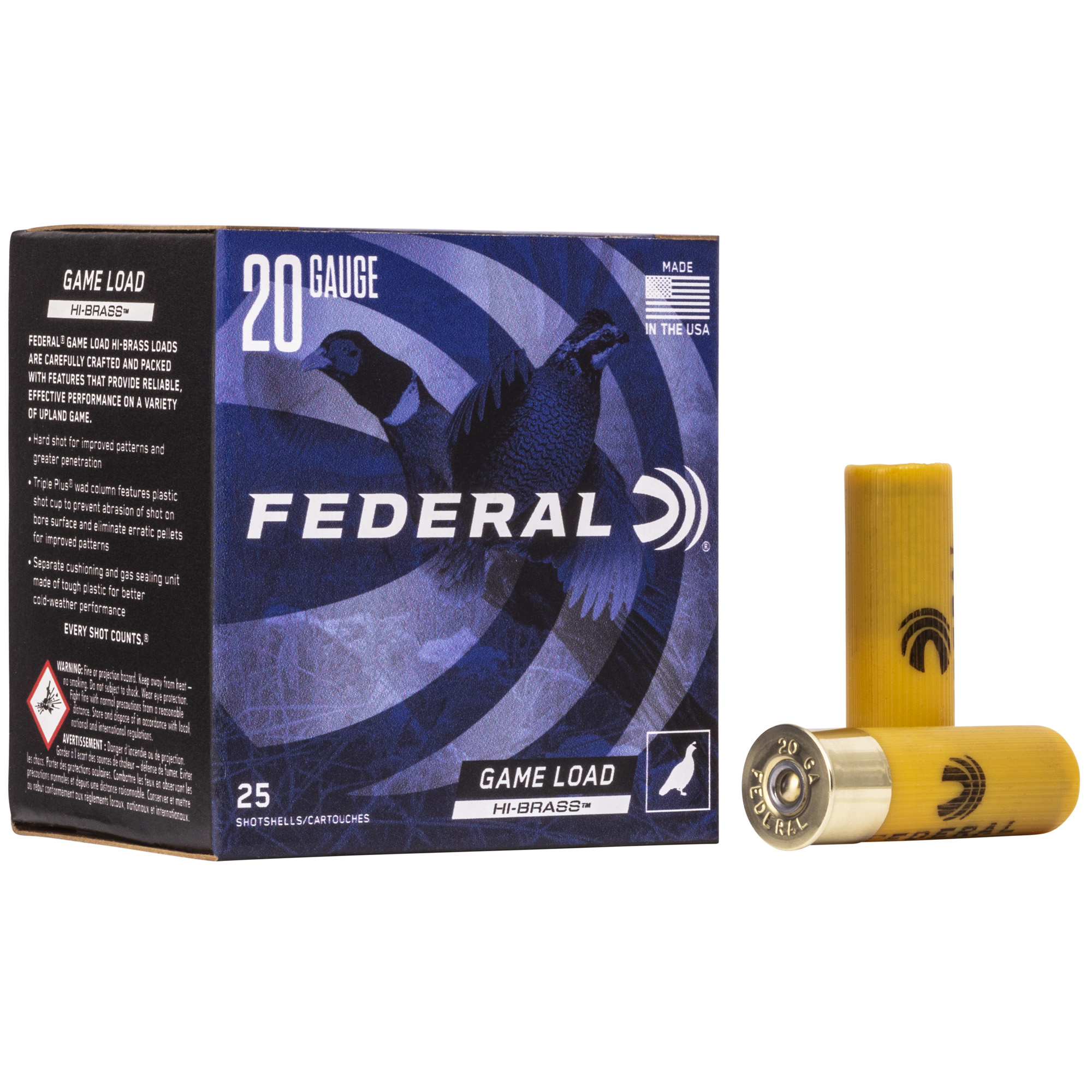
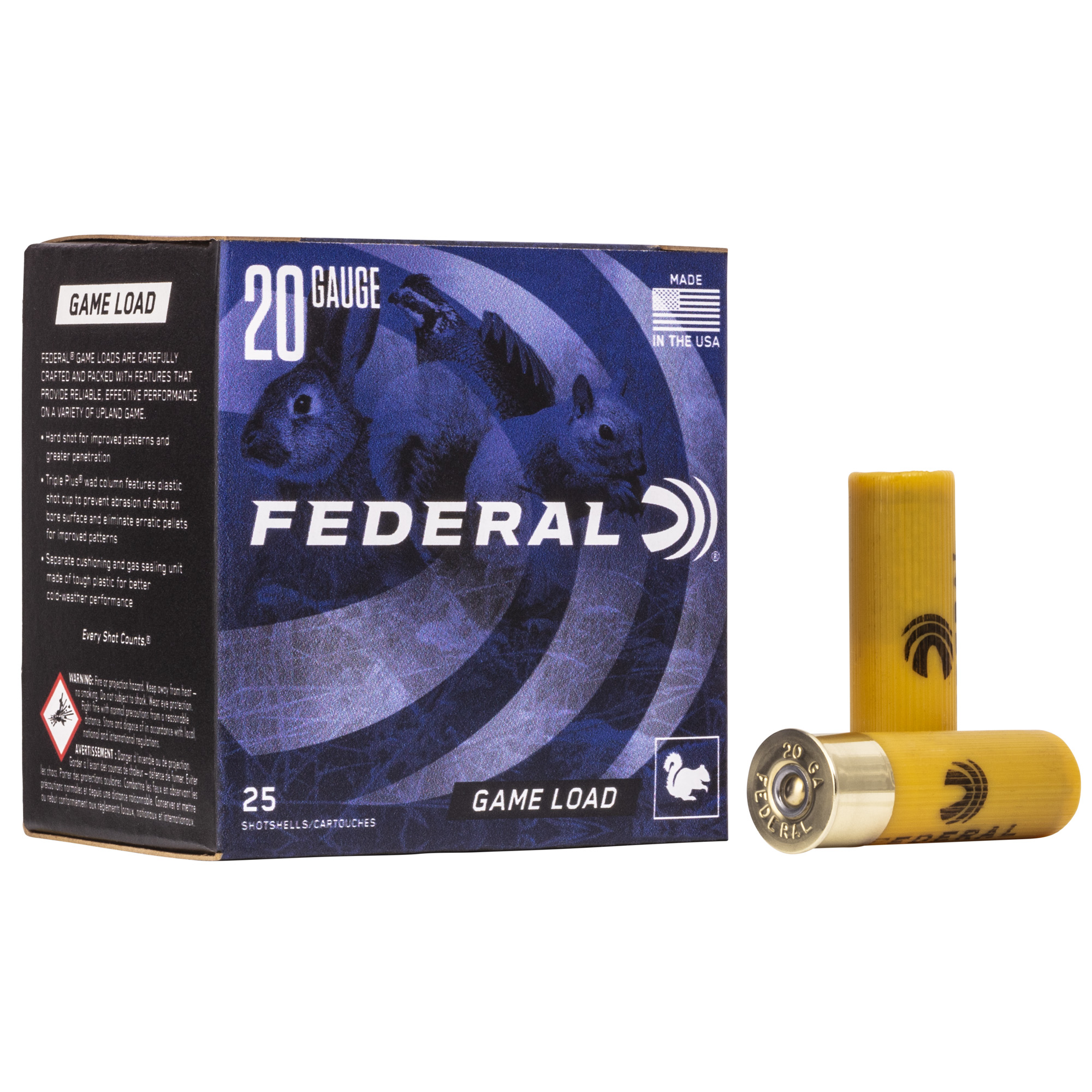
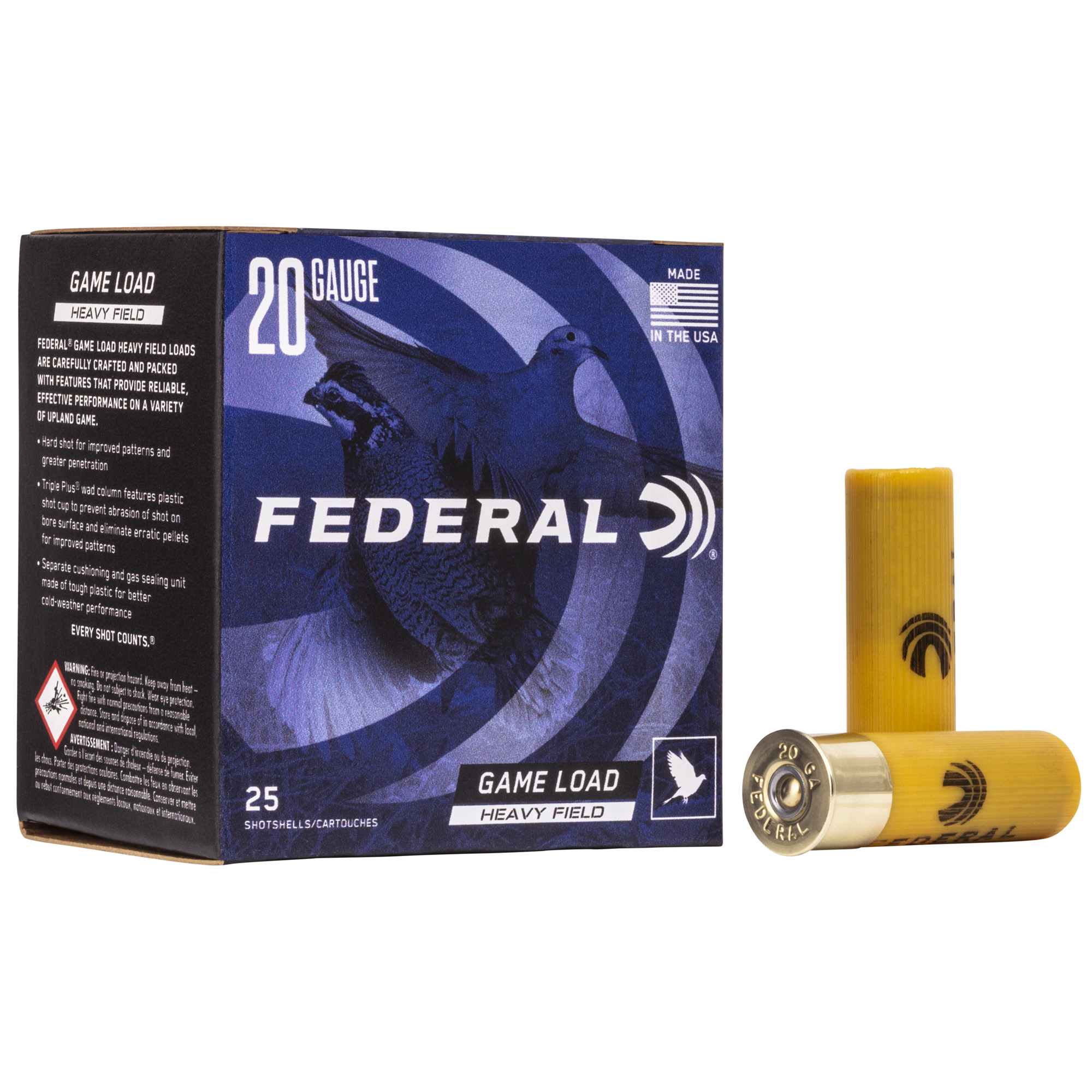
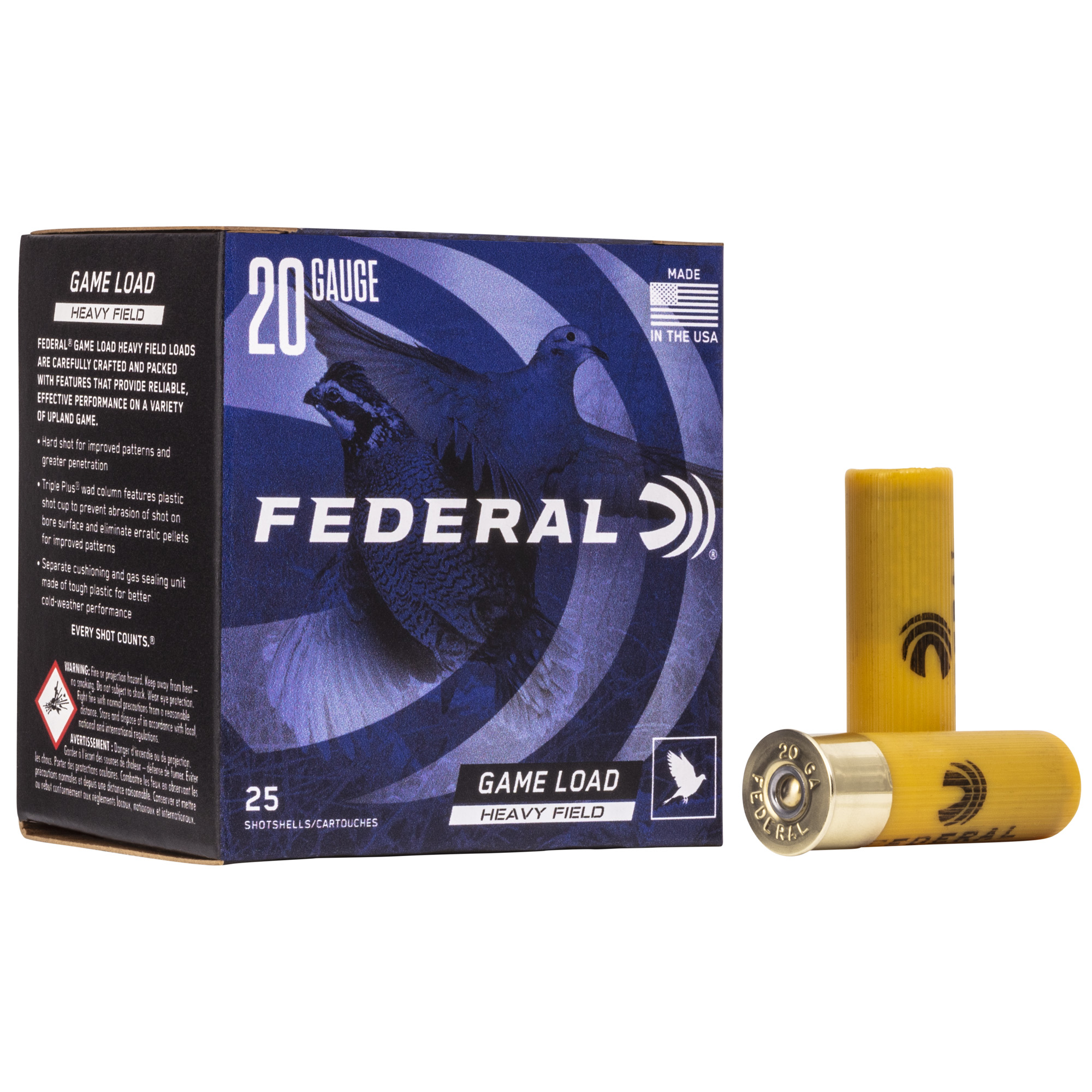
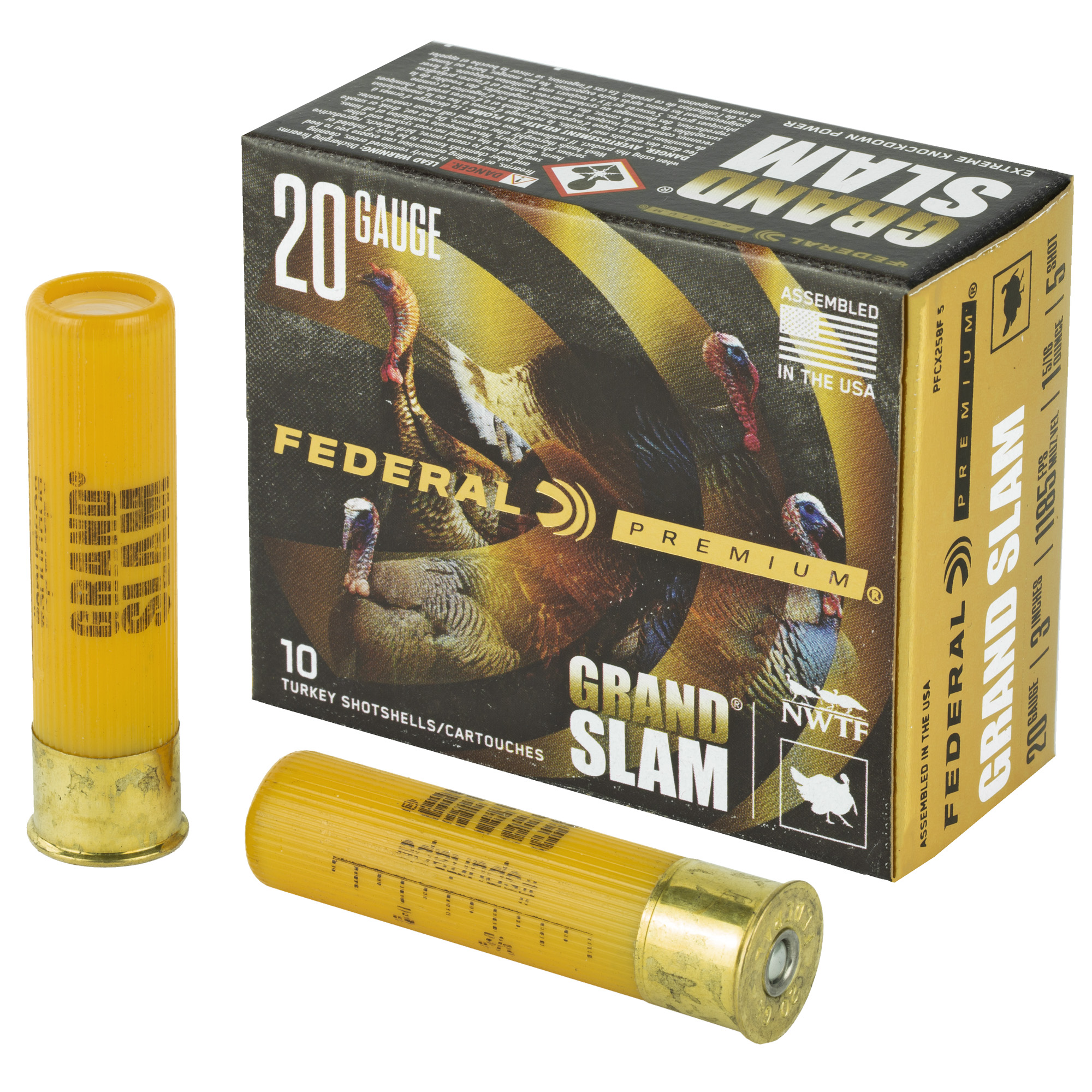
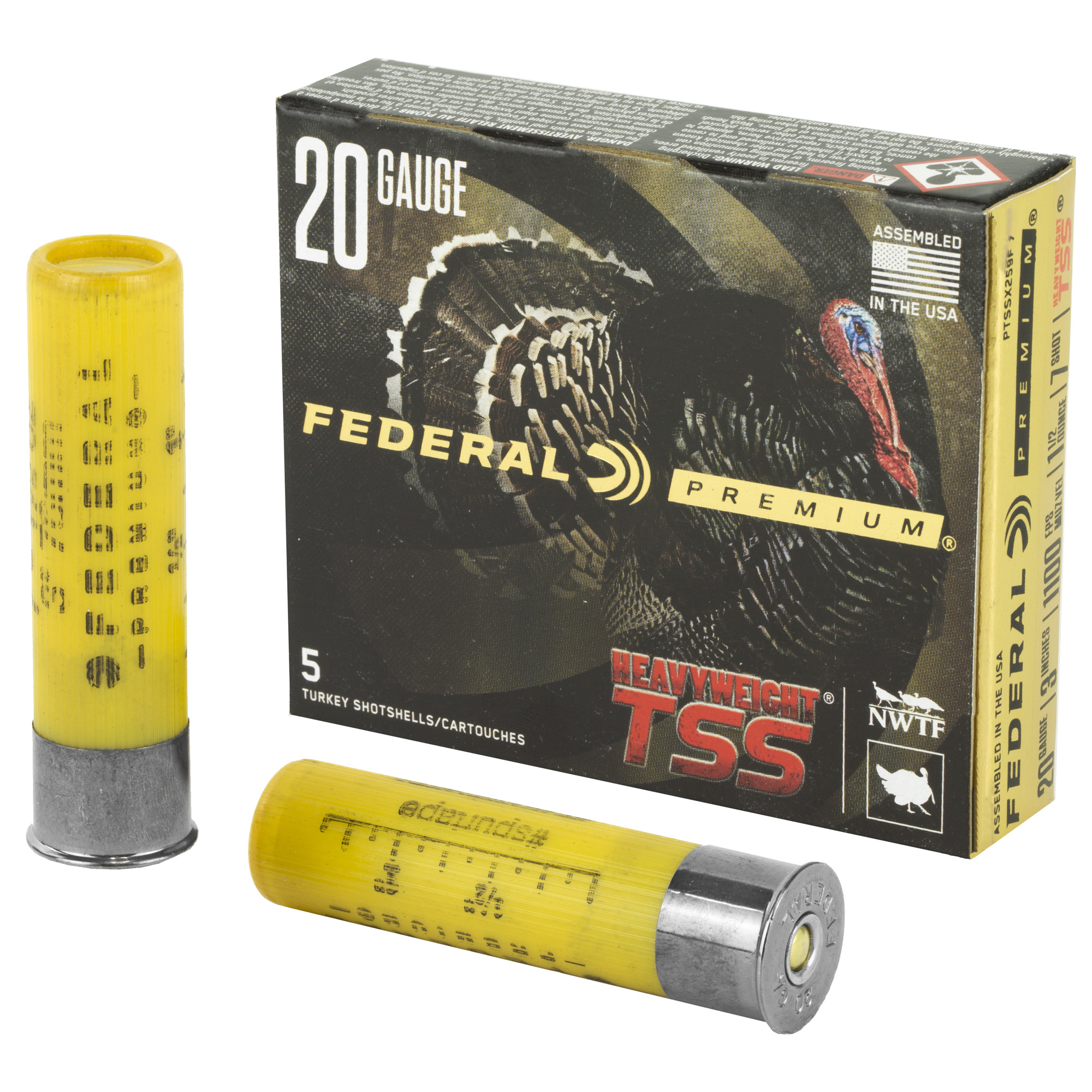
Target loads, game loads, turkey loads, waterfowl loads, buckshot, and slugs should not be compared by brand alone. A box of target shells and a box of slugs can both be 20 gauge, but they serve different buying needs and may use very different product details. Before adding a larger case quantity, review the shell length, payload description, box count, and total rounds.
Use Shotgun Ammo for the Broader Gauge Shelf
Buyers still comparing gauges or shotshell types can move through shotgun ammo before narrowing into 20 gauge shells. Once the shotgun is confirmed for 20 gauge, stay focused on that gauge instead of drifting into 12 gauge, 16 gauge, 28 gauge, or .410 bore listings.
The parent shotgun shelf is useful when the buyer is still deciding by gauge, bore, shell type, or load family. The 20 gauge shelf is the cleaner place once the firearm marking is known and the remaining choice comes down to shell length, shot size, slug or shot load, brand, box count, and case quantity.
Compare 20 Gauge Ammo Brands by Shell Details
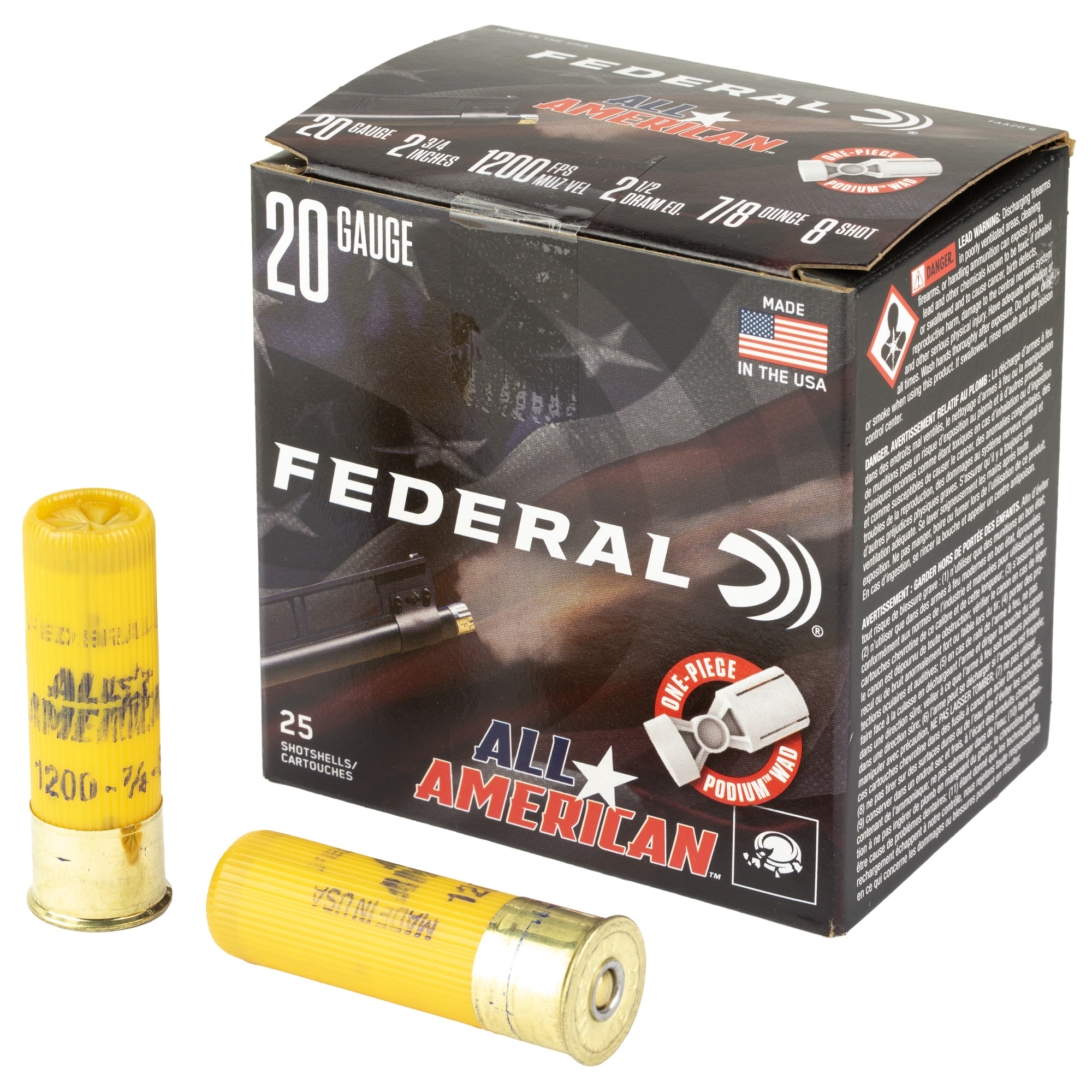
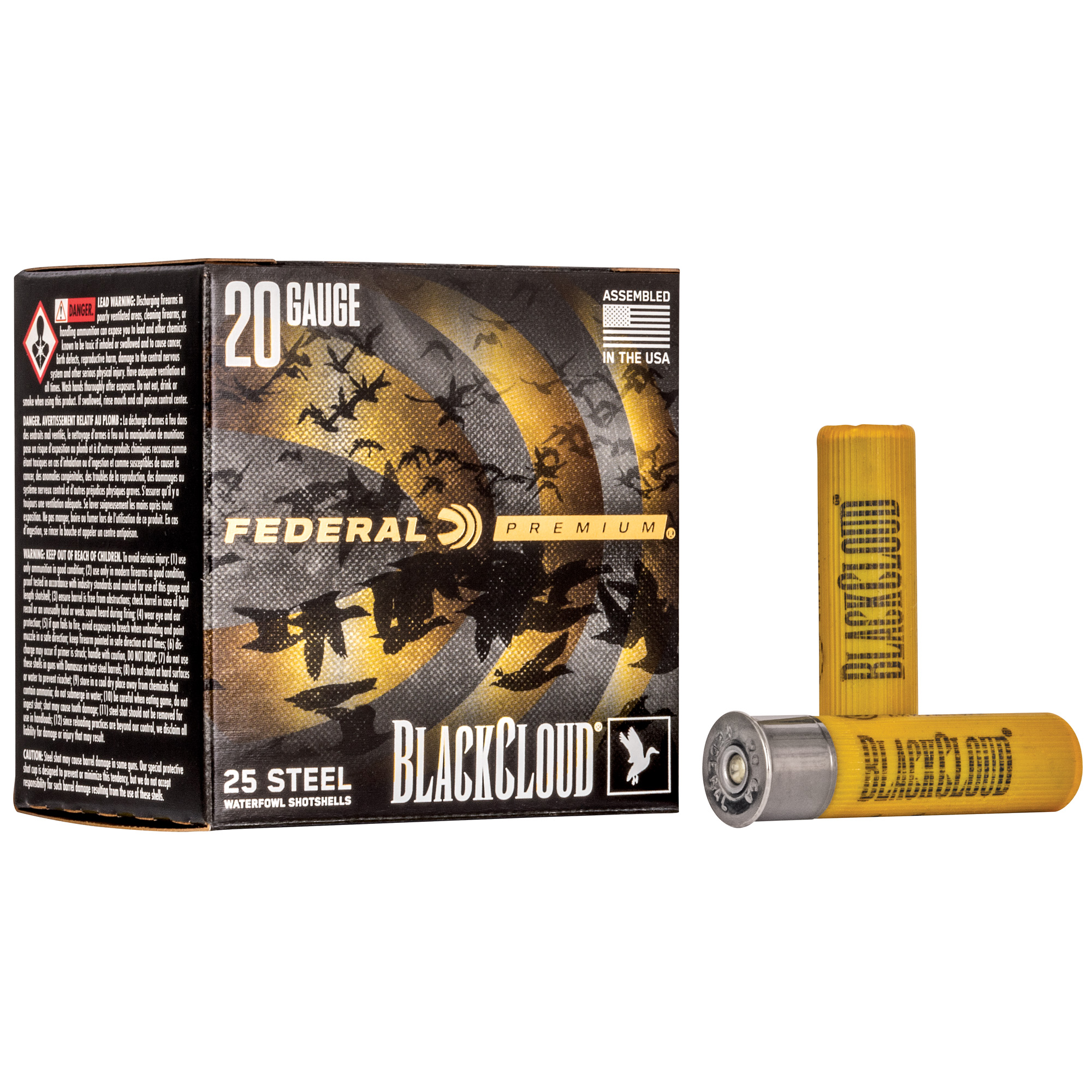
Brand names can help buyers narrow the shotgun shelf, especially when comparing 20 gauge loads from Federal, Winchester, Remington Ammunition, Fiocchi, and Kent. The brand helps organize the shelf, but the shell length, shot size, shot weight, and package count still decide whether the order fits.
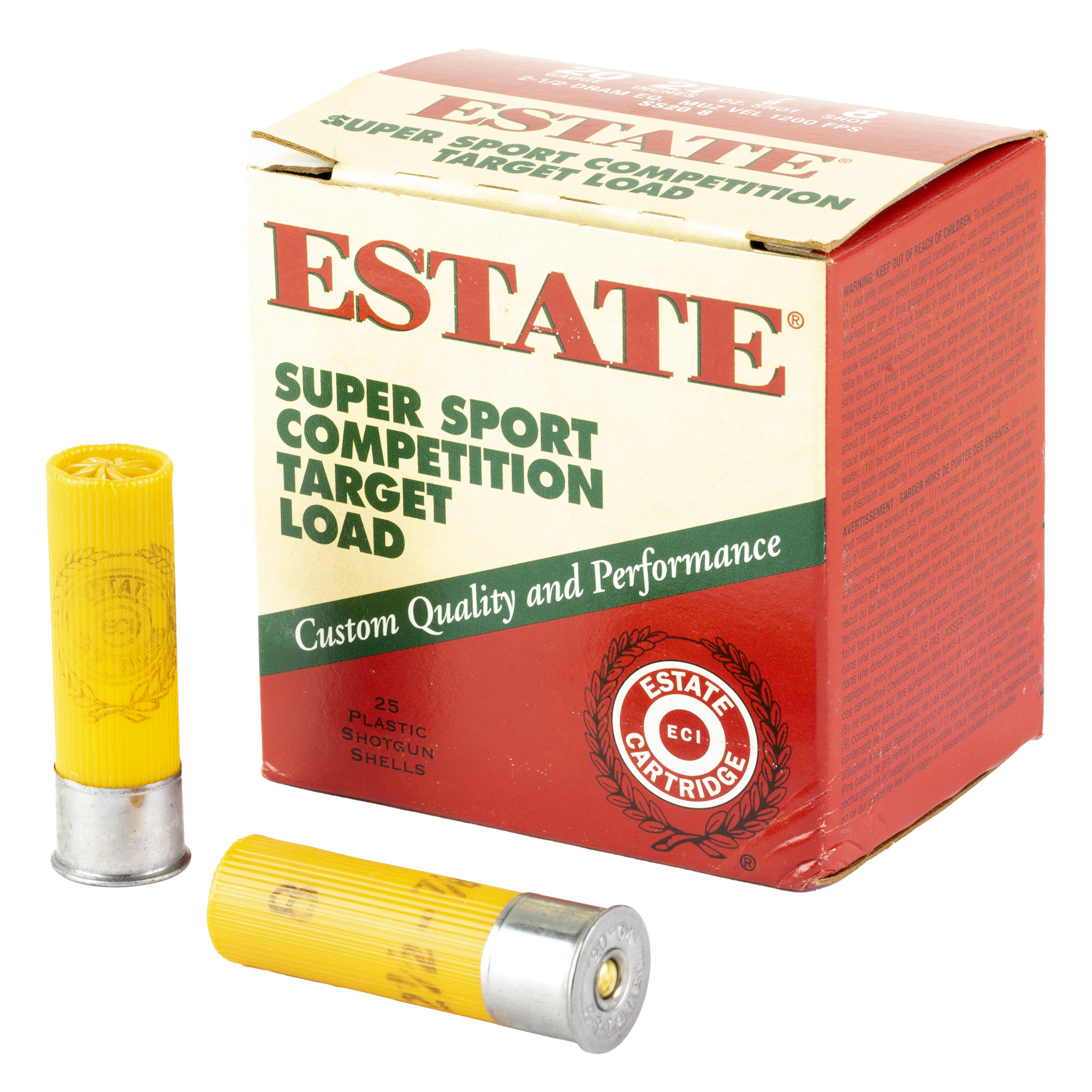
Buyers comparing additional shotgun loads may also review HEVI-Shot, Rio, Estate, Browning Ammunition, and NobelSport. Compare the product listing line by line before choosing by name alone. Two 20 gauge boxes can differ in shell length, payload, shot size, shot weight, and total round count.
Confirm Box Count Before Ordering Bulk 20 Gauge Shotgun Shells
Bulk 20 gauge shotgun shells should be checked by package count before payment. A buyer may see smaller boxes for testing or specific shell needs, while larger case quantities can make sense when the gauge, shell length, load type, and round count are already familiar.
Do not assume every bulk shotshell listing uses the same box or case layout. Confirm how many rounds are in each box, how many boxes are included in the case when shown, and how many total shells will land in the cart. The larger the order, the more important that package math becomes.
Review Shipping Readiness Before Checkout
Before ordering 20 gauge ammo online, review the product details and cart from top to bottom. Confirm the gauge, shell length, load type, shot size or slug style, box count, case quantity, total rounds, and shipping destination. Read any checkout notices tied to the address entered before assuming the order is ready.
Shotgun shell orders are easiest to manage when the cart is clear: correct gauge, correct shell length, clear payload description, accurate quantity, and a destination that can move through checkout. If a shell length, shot size, or package count is unclear, review it before adding more boxes.
What Should I Check First When Buying 20 Gauge Ammo?
Match 20 Gauge Ammo to the shotgun’s gauge marking and accepted shell length first. After that, review the load type, shot size, shot weight, slug style when applicable, box count, case quantity, and total rounds before checkout.
How Do Shell Length and Shot Size Change a 20 Gauge Ammo Order?
Shell length tells buyers whether the shotshell matches what the shotgun is made to accept. Shot size helps describe the pellet size in many shot loads. Both details should be reviewed with load type, shot weight, box count, case quantity, and total round count.
Is Bulk 20 Gauge Ammo Better by Box Count or Case Quantity?
Both numbers matter. Box count shows how many rounds are in each individual package, while case quantity shows the larger order size. Before buying bulk 20 gauge ammo, confirm the total rounds so the cart matches the actual quantity expected.
How Should Buyers Compare 20 Gauge Shotgun Shells by Brand?
Compare brands by the actual shotshell details. Review shell length, load type, shot size, shot weight, slug style when applicable, rounds per box, case quantity, and total rounds. A familiar brand still needs to match the shotgun and the order details.
What Should I Review Before Ordering 20 Gauge Ammo Online?
Before ordering 20 gauge ammo online, check the gauge, shell length, load type, shot size or slug style, box count, case quantity, total round count, shipping destination, and checkout notices. A careful cart review helps prevent gauge, shell, and quantity mistakes.
Finish the 20 Gauge Ammo Order With the Shell Details Clear
20 Gauge Ammo is easier to buy when the order stays centered on shotgun fit, shell length, load type, and total rounds. Match the gauge first, read the shotshell details closely, compare the package count, and make sure the destination details are clear before checkout.