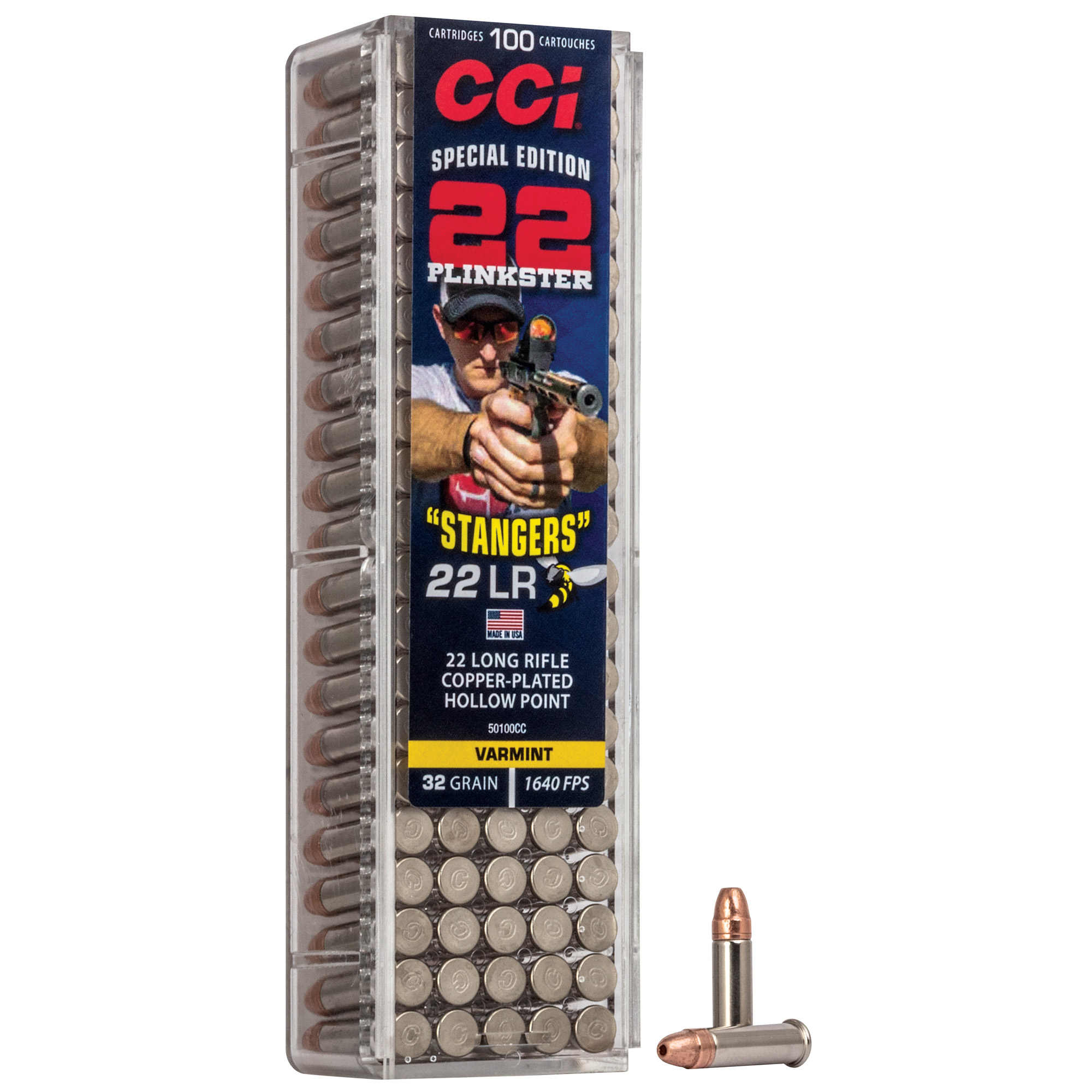
Sort Rimfire Ammo By Caliber Before You Compare Quantity
Rimfire Ammo should be selected by exact caliber first, then narrowed by bullet style, grain weight, box count, case quantity, total round count, and shipping eligibility. The rimfire aisle can include small cartridges with similar names, so the first job is to match the listing to the firearm chambering before comparing price.
Buyers looking for bulk rimfire ammo may be comparing affordable range quantities, small-game loads, target-grade boxes, magnum rimfire rounds, or specialty bullet styles. Keep the cart clean by reading the full product title and caliber name. A .22 LR order, a .22 WMR order, a .17 HMR order, and a .17 WSM order should not be treated like interchangeable options.
If you need the broader ammunition path before narrowing the rimfire aisle, use the main ammunition section to compare the four major ammo families. Once you know rimfire is the correct lane, stay focused on rimfire caliber, load details, package size, and checkout requirements.
Choose The Right Rimfire Caliber Lane
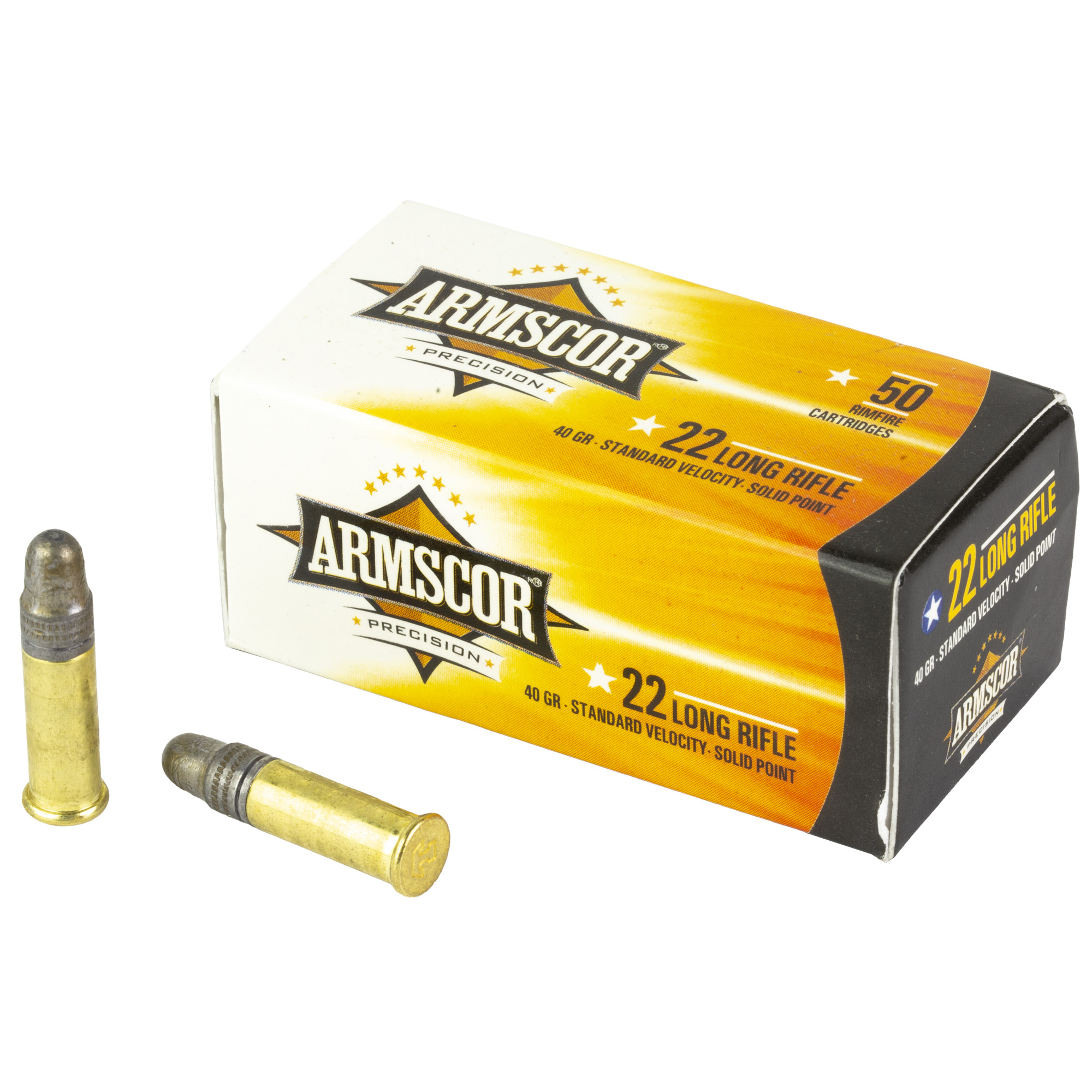
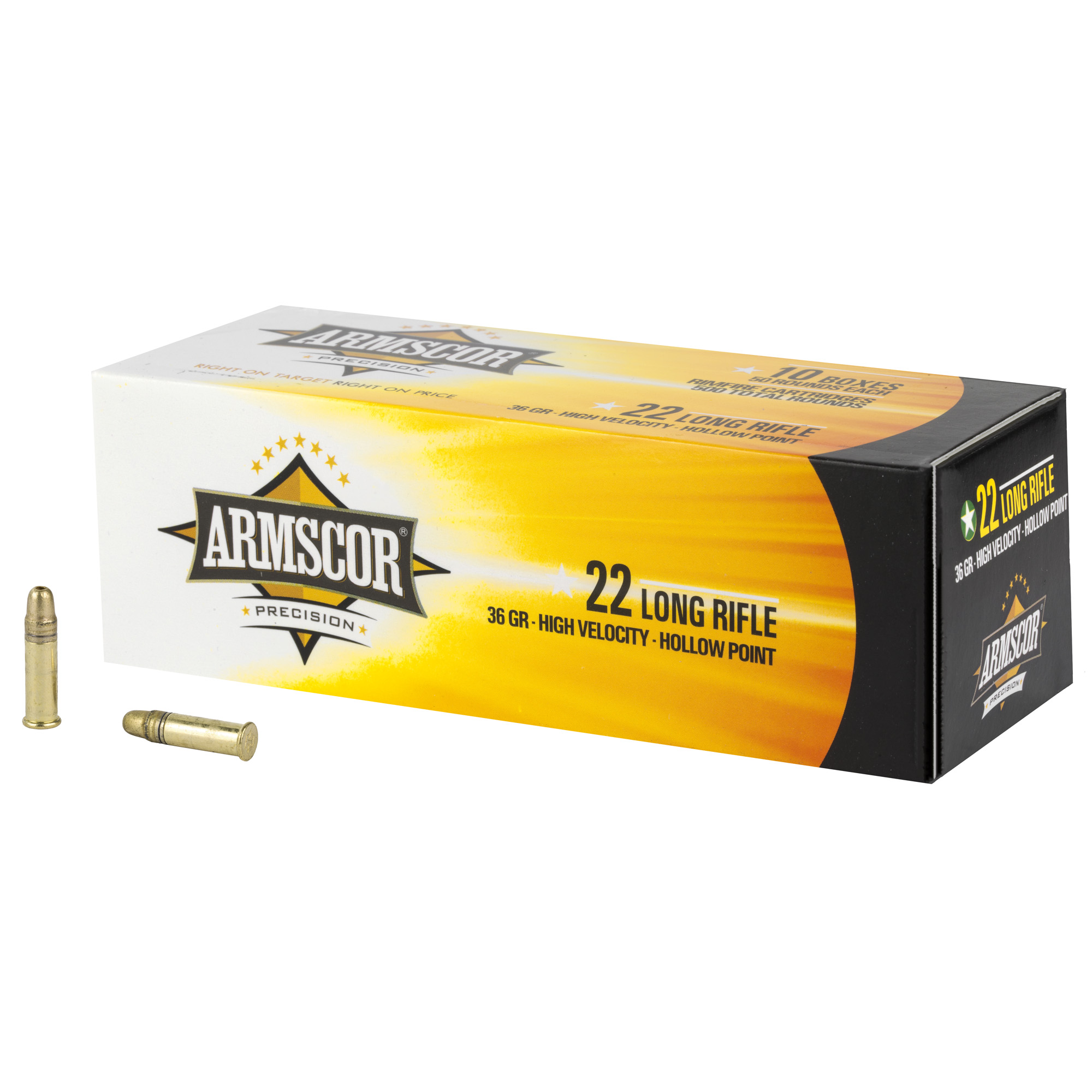
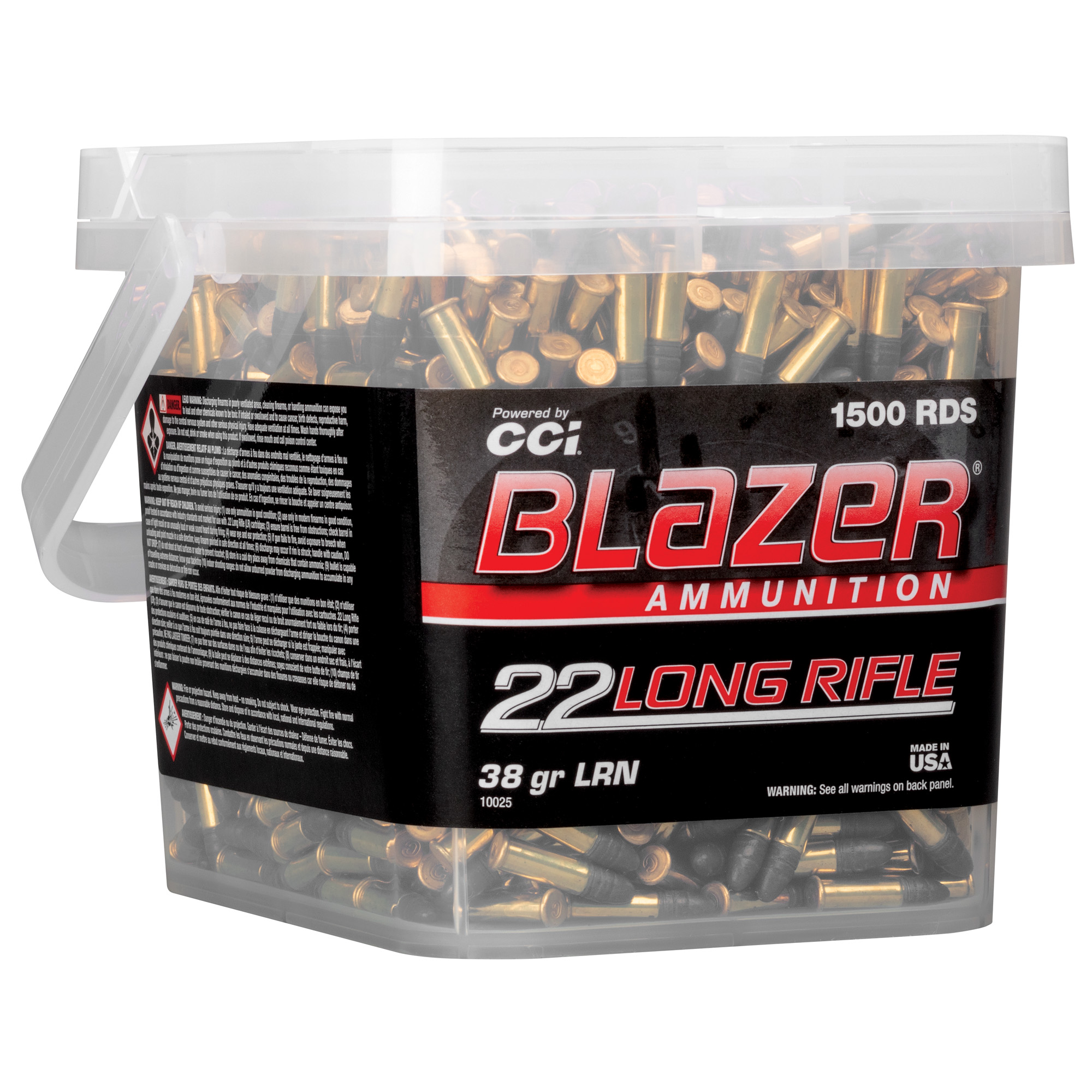
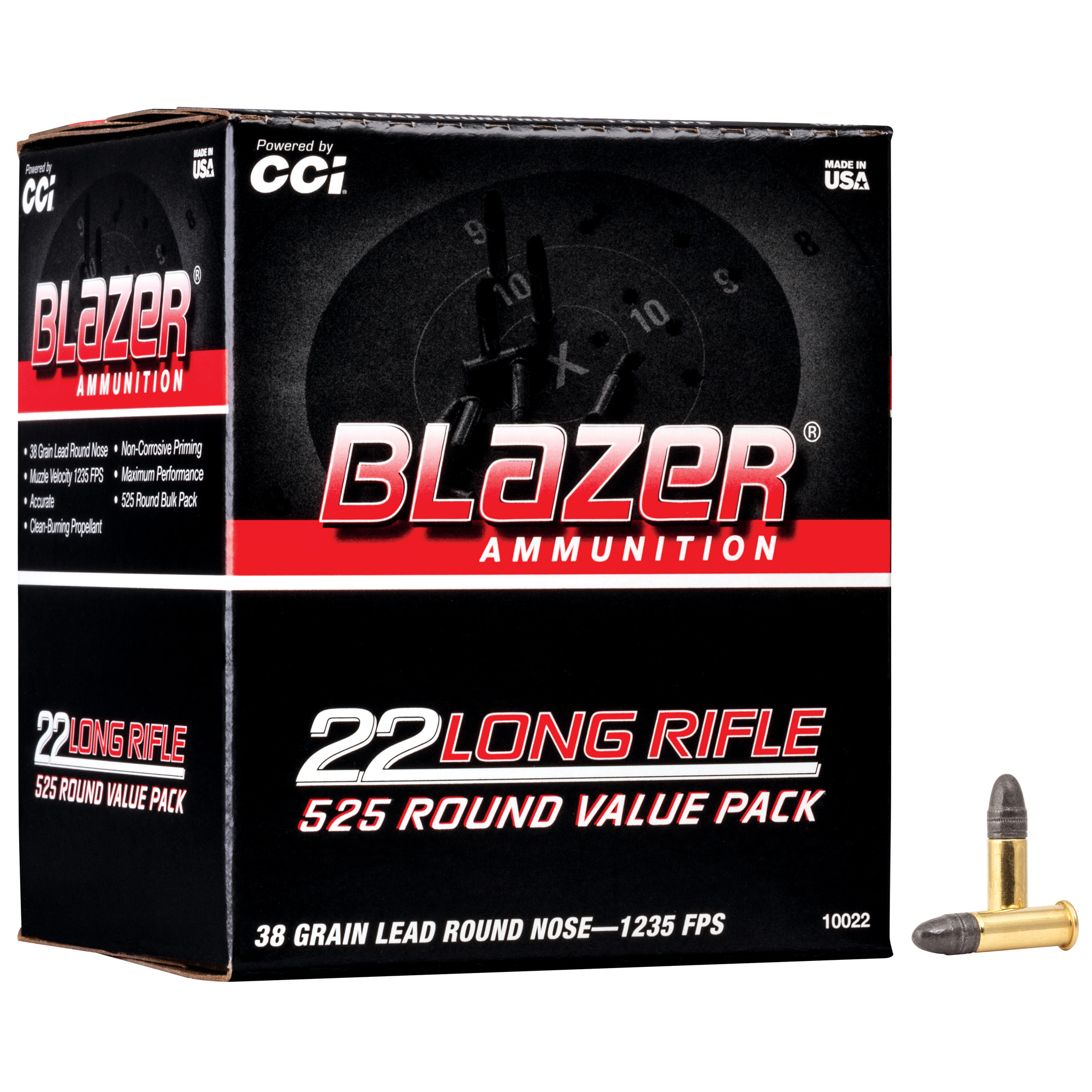
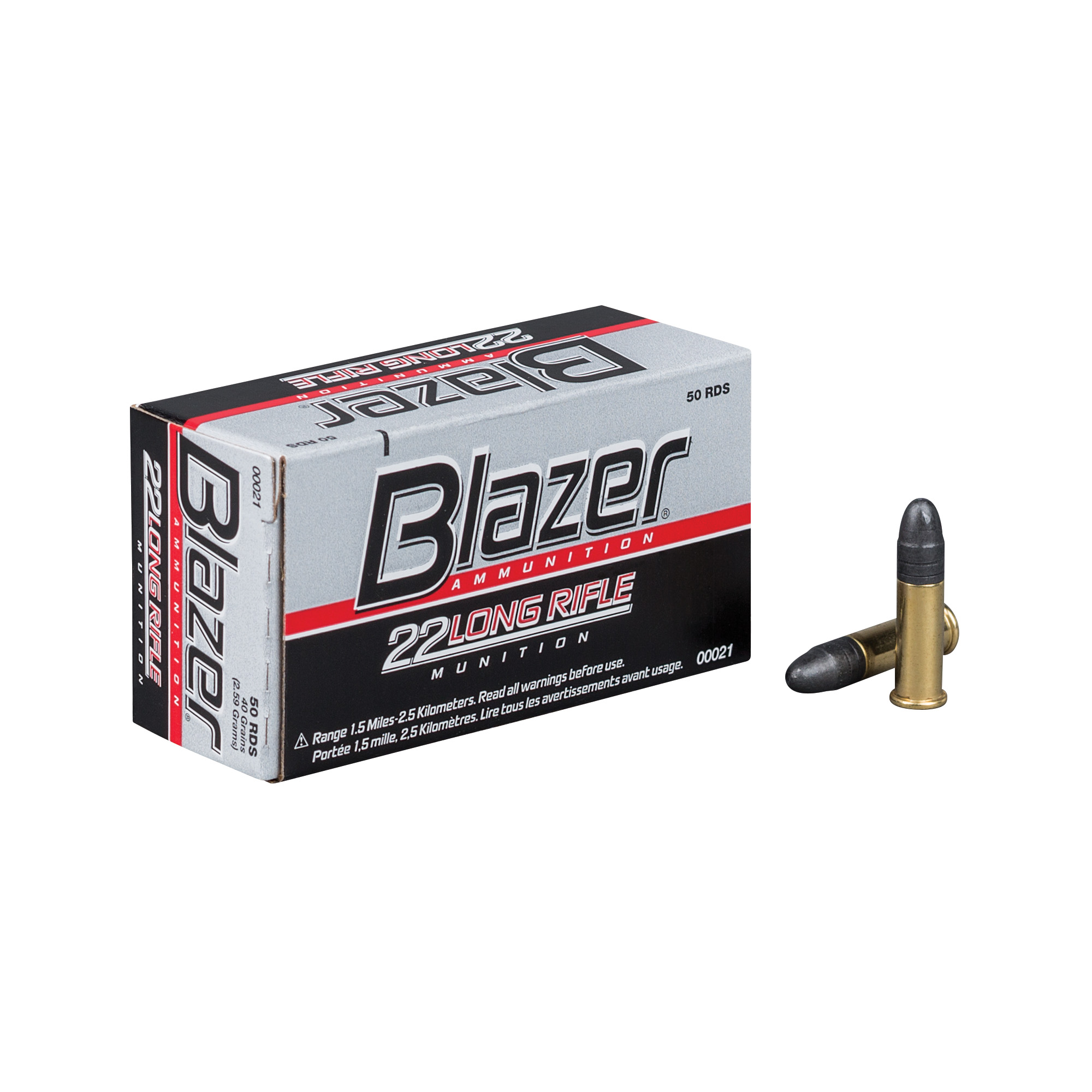
The fastest way to shop Rimfire Ammo is to move from caliber to quantity. Use .22 LR ammo when the listing and firearm chambering call for 22 Long Rifle. This is the common high-volume rimfire path where buyers often compare bulk boxes, buckets, bricks, and case quantities.
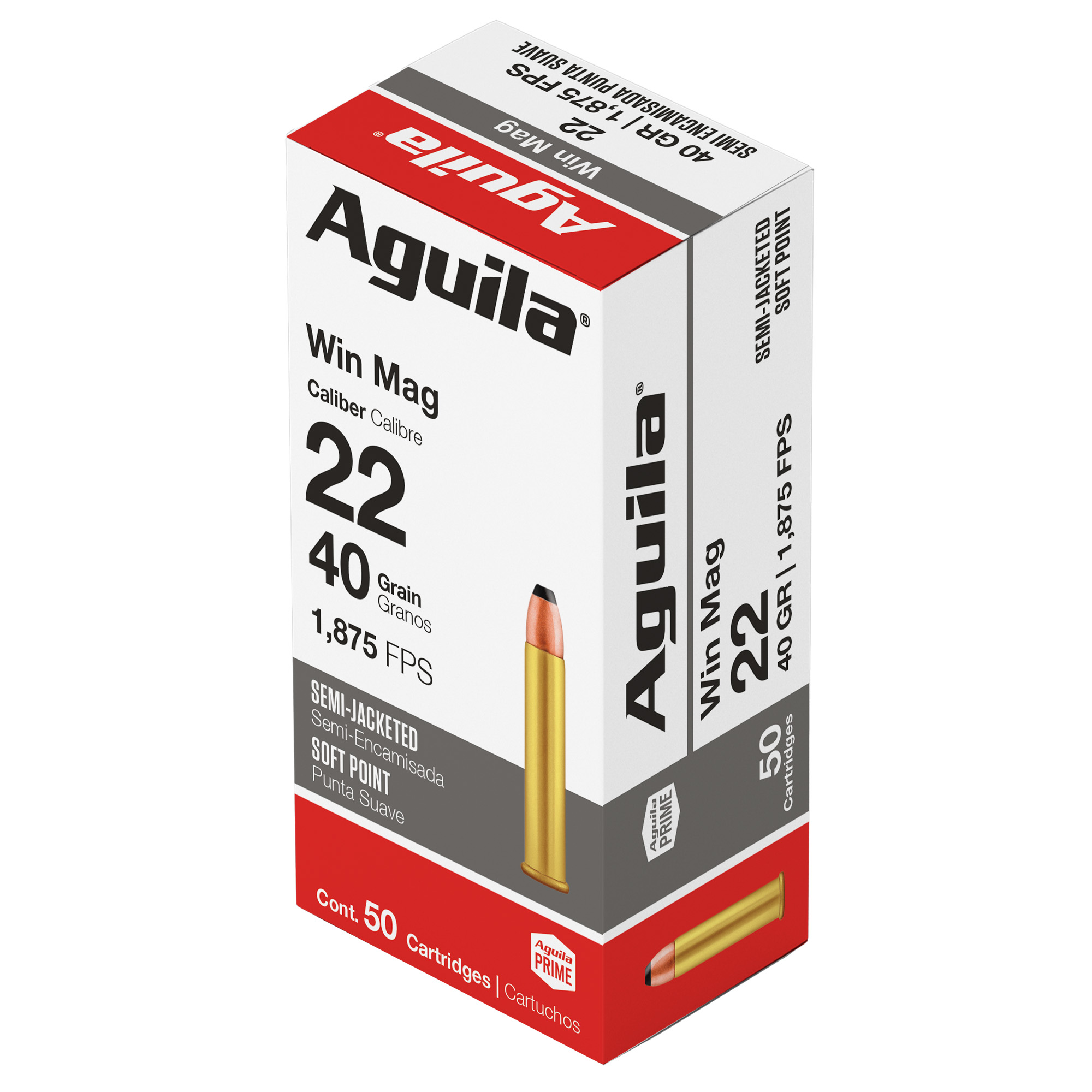
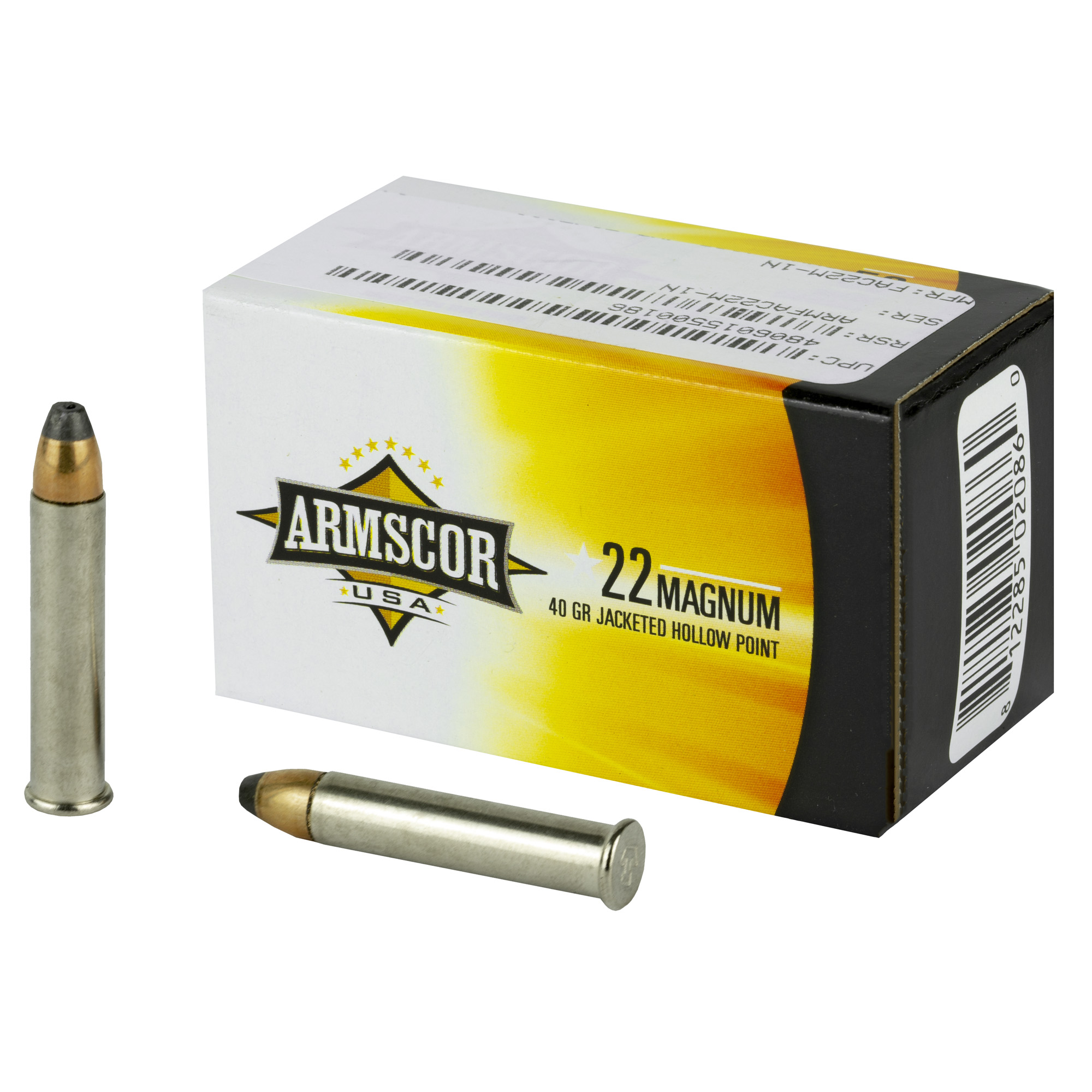
Use .22 WMR ammo when the product details call for 22 Winchester Magnum Rimfire, 22 Mag, or 22 Magnum. This is a separate rimfire cartridge from .22 LR and should be checked by the exact cartridge name before checkout.
Use .17 HMR ammo when the listing shows 17 Hornady Magnum Rimfire. Use .17 WSM ammo when the product title calls for 17 Winchester Super Magnum. These two 17-caliber rimfire lanes should be compared by cartridge name, grain weight, bullet style, and quantity rather than grouped together as the same order.
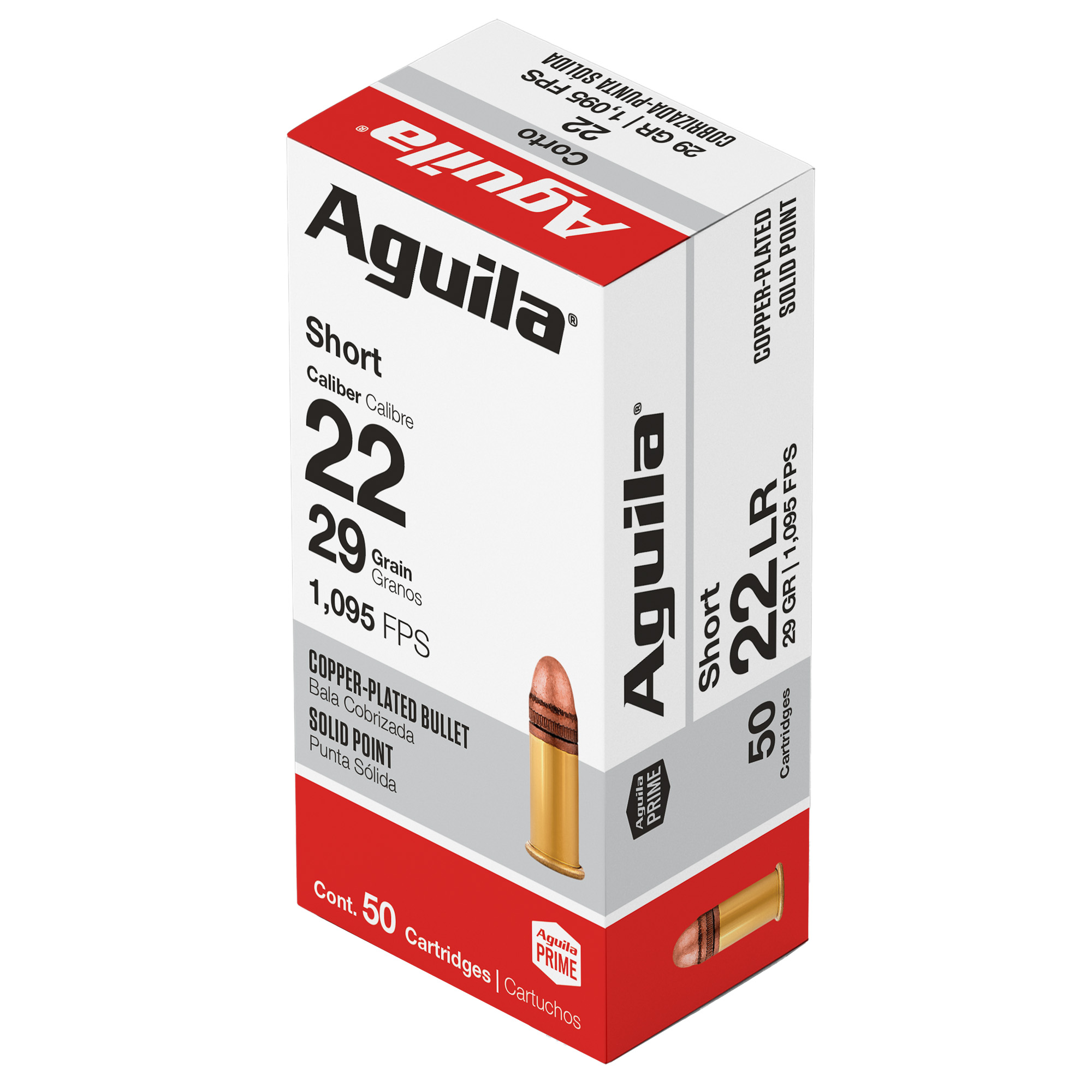
Use .22 Short ammo or .22 Long ammo only when the firearm and listing call for those specific cartridges. The name may look close to .22 LR, but the buyer should still confirm exact cartridge fit before ordering.
Read Rimfire Bullet Style And Package Details Together
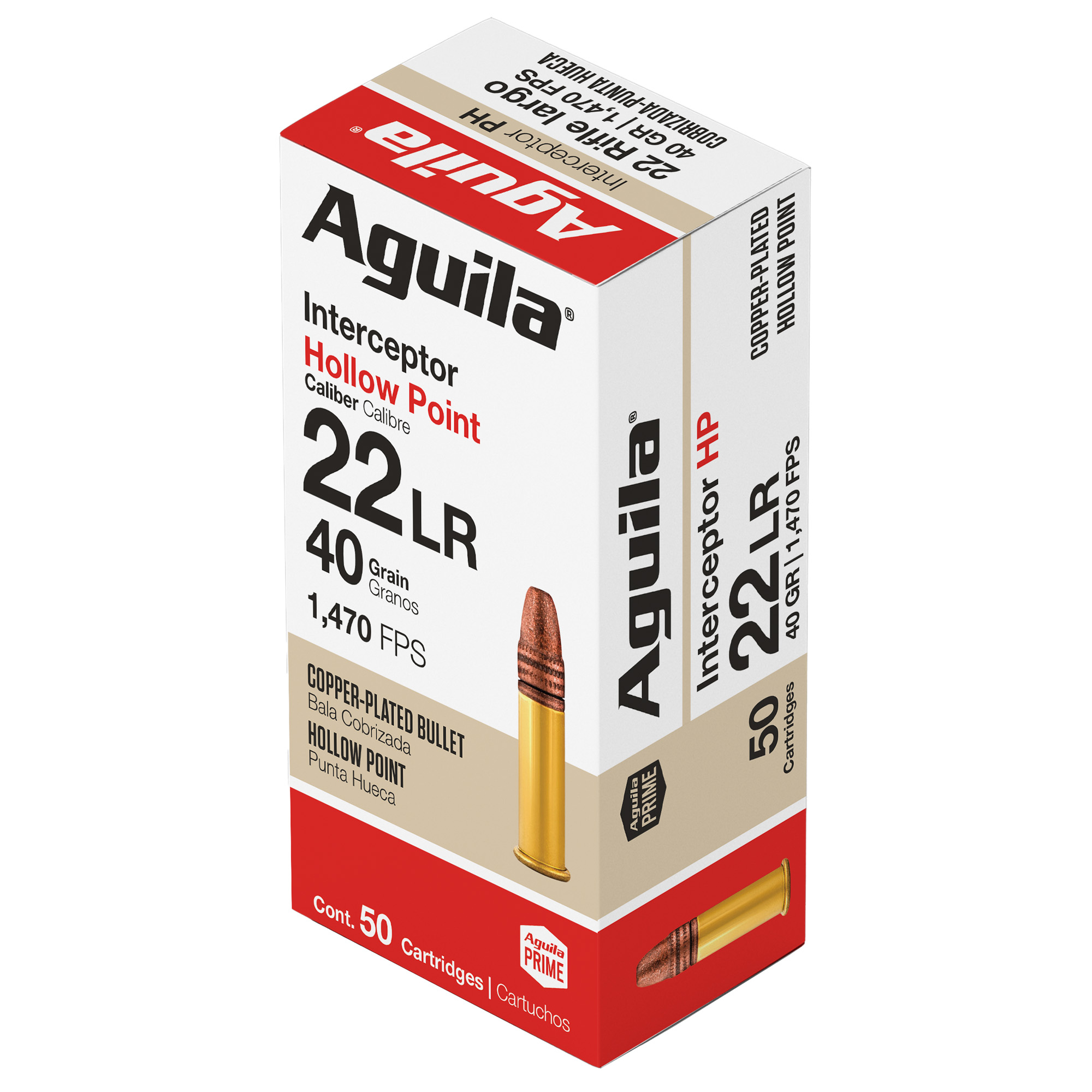
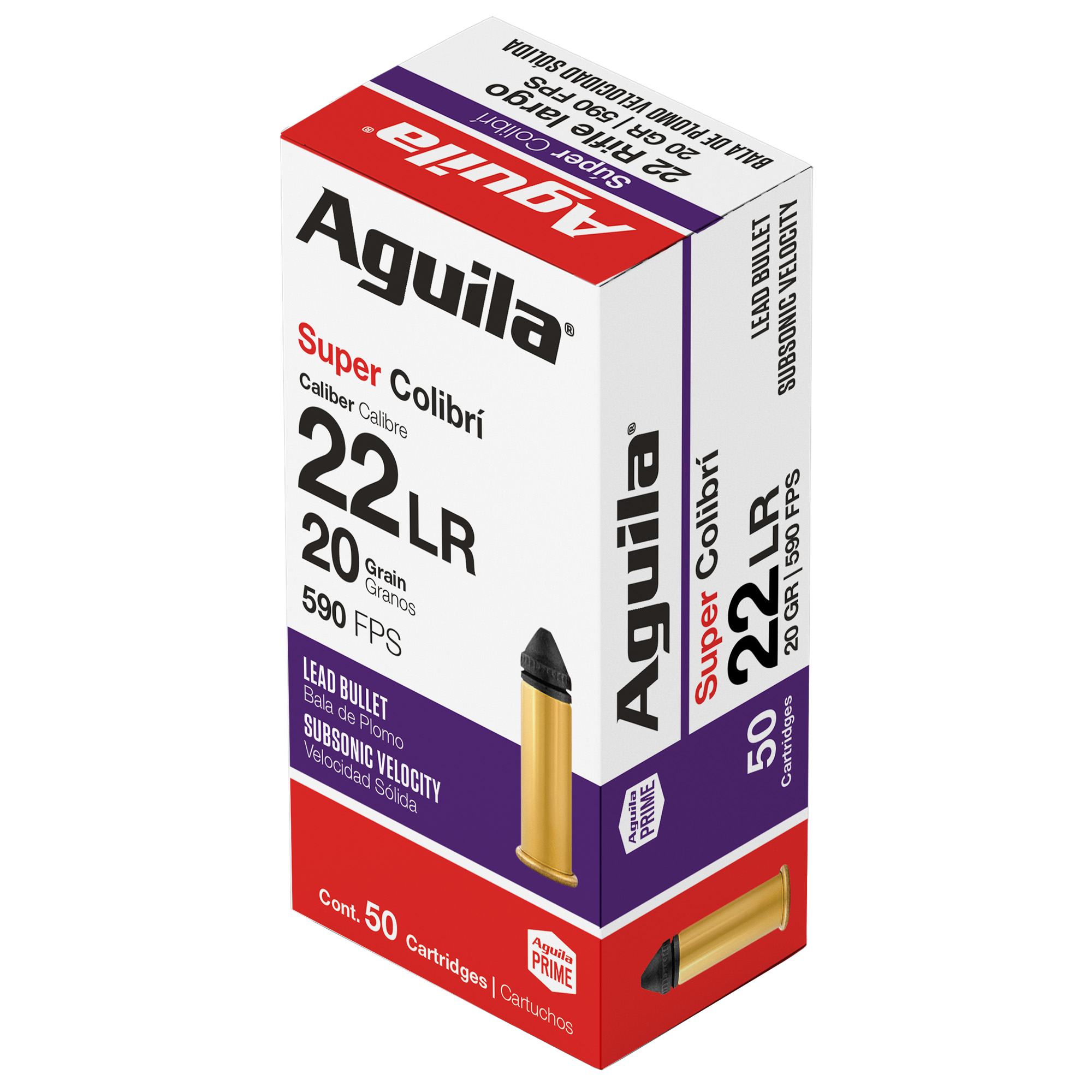
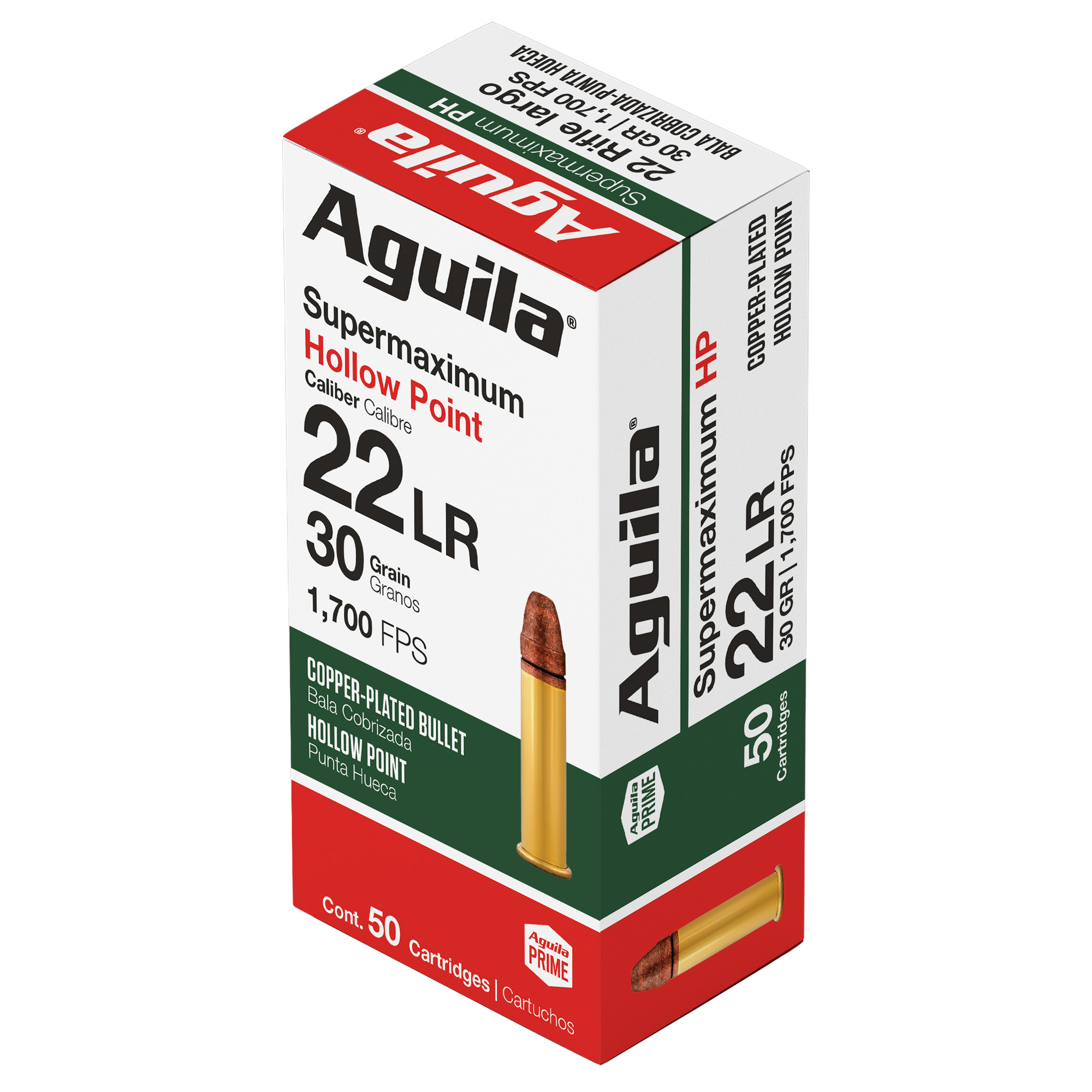
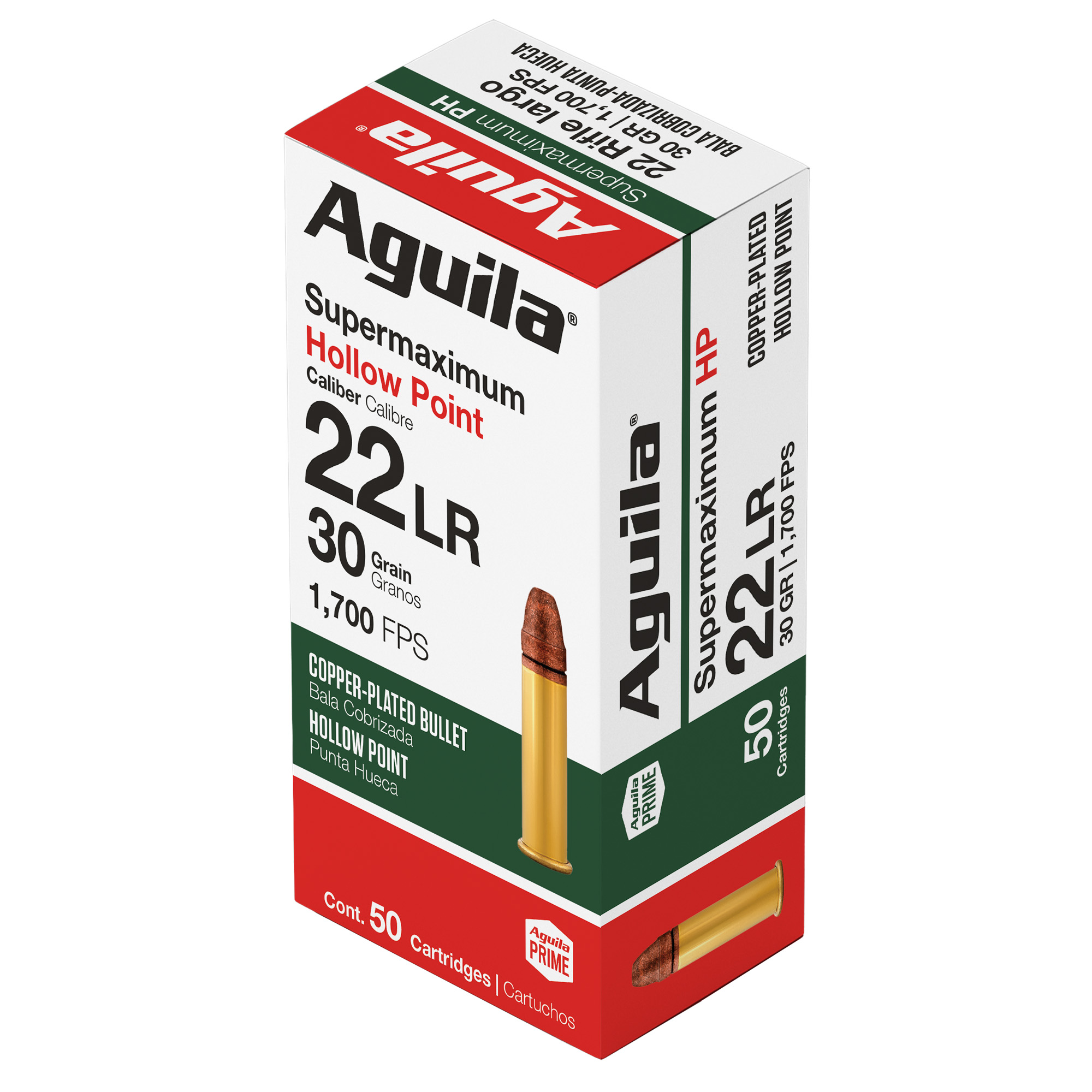
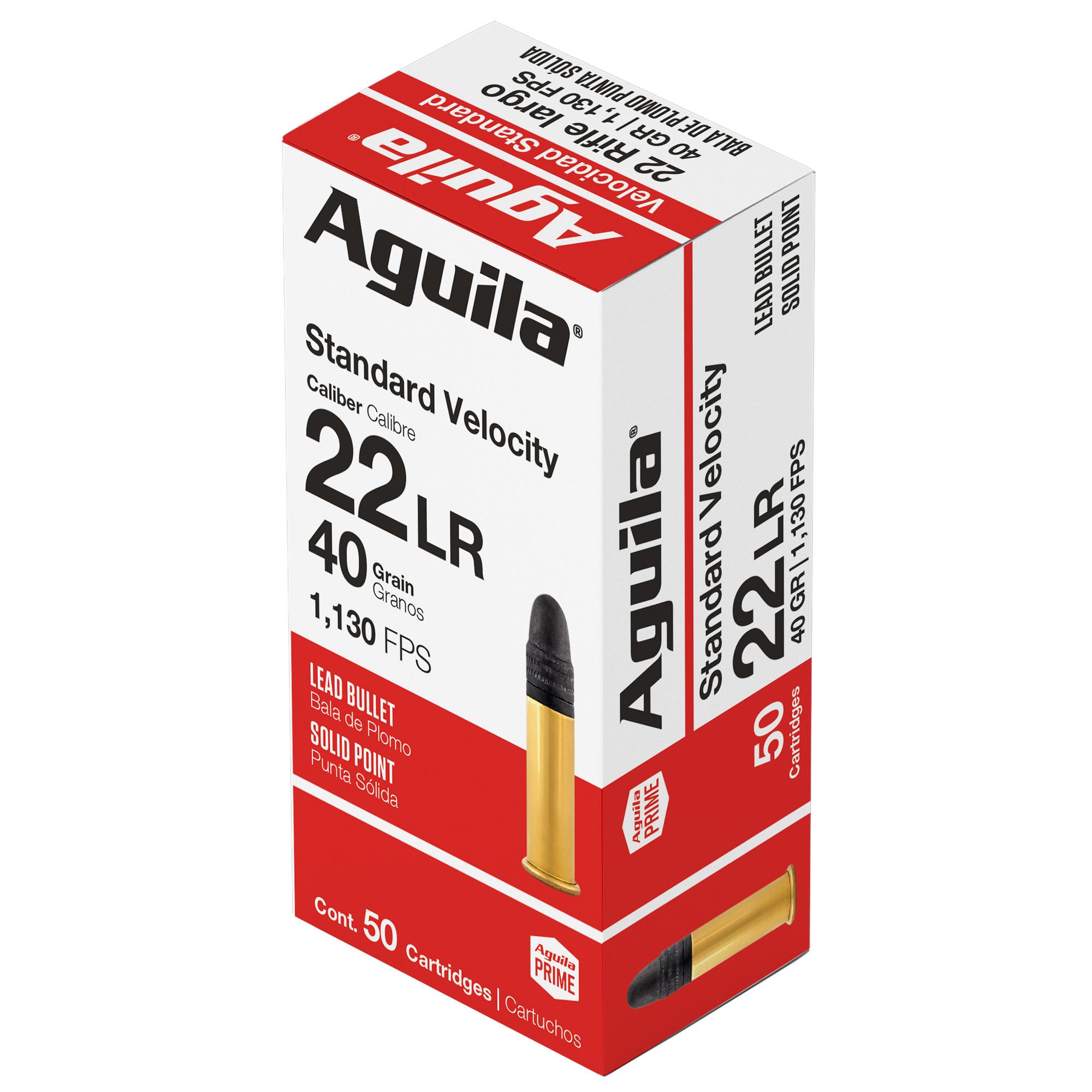
Rimfire Ammo listings often include bullet descriptions such as lead round nose, copper-plated round nose, hollow point, jacketed hollow point, polymer tip, segmented hollow point, flat nose, or lead-free options depending on caliber and brand. Those descriptions help separate target, small-game, magnum, and specialty rimfire loads.
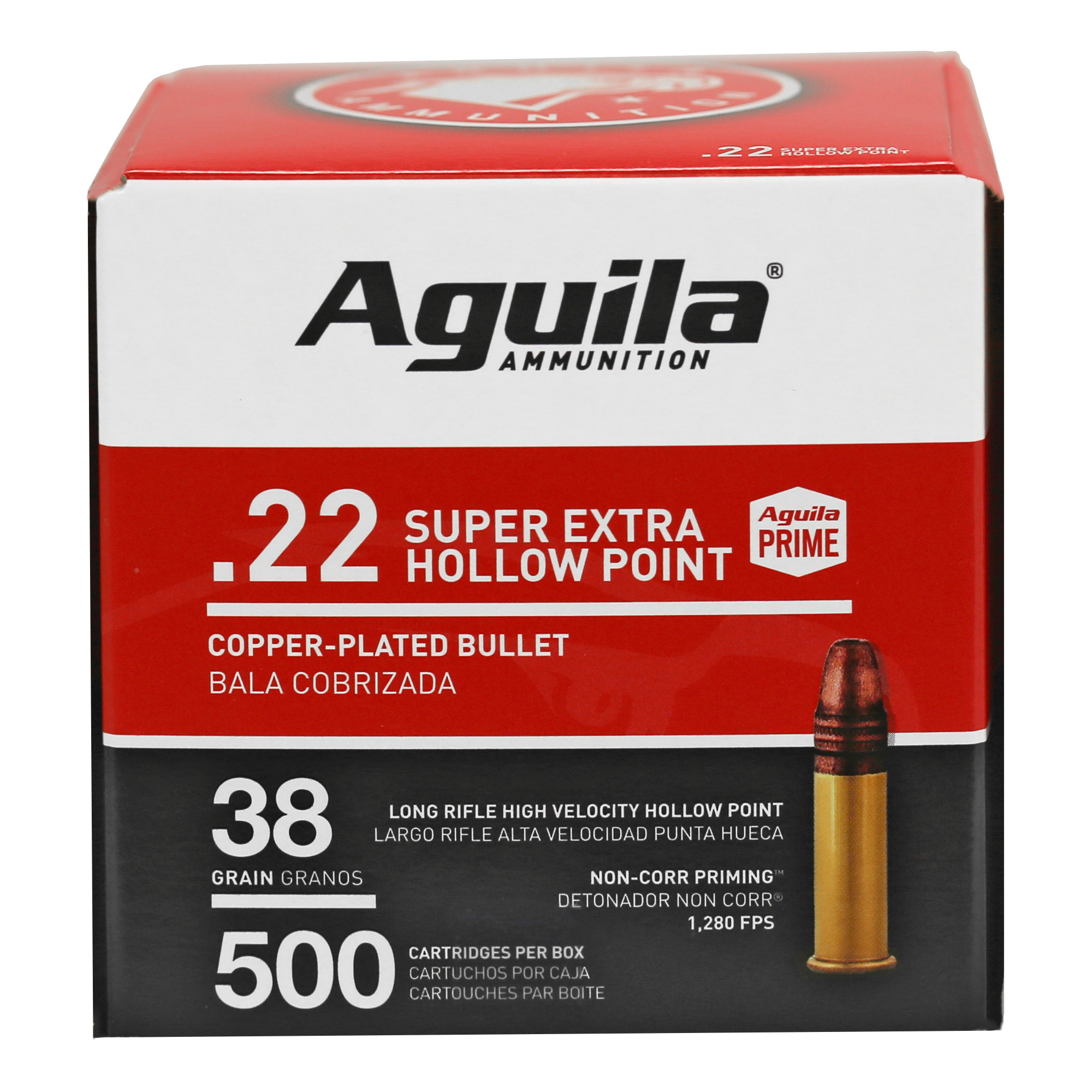
Package size matters because rimfire ammunition is often sold in a wide range of counts. A 50-round box, 100-round sleeve, 300-round pack, 500-round brick, 1000-round bulk pack, or larger case can change the real cart quantity quickly. Buyers comparing cheap rimfire ammo should confirm total rounds before judging the price.
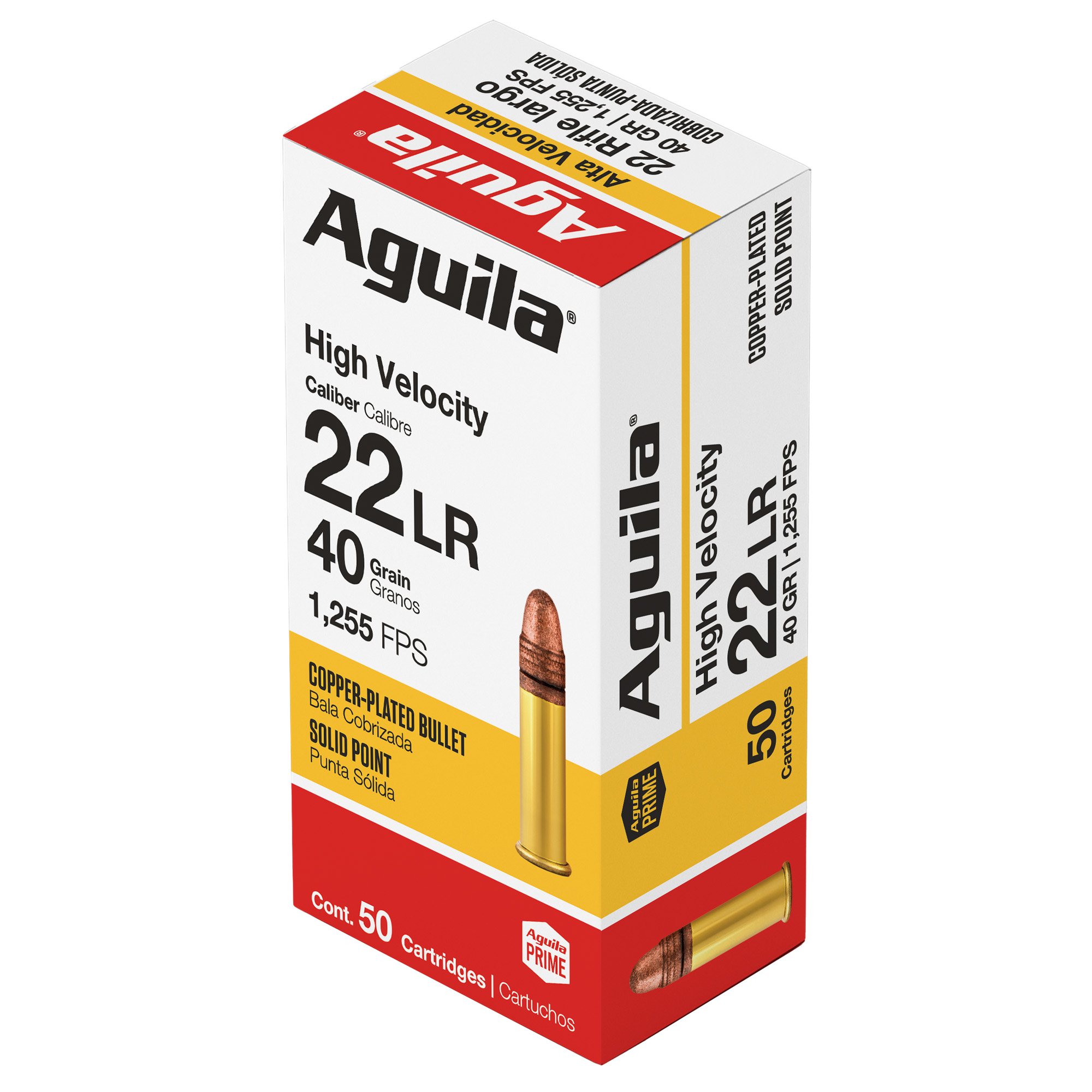
Grain weight is also useful, but it should not be used alone. A 40 grain .22 LR load, a 30 grain .22 WMR load, and a 17 grain .17 HMR load belong to different rimfire lanes. Compare grain weight inside the correct caliber path, then review bullet style, casing, box count, and case quantity.
Brand Paths That Help Narrow Rimfire Ammo
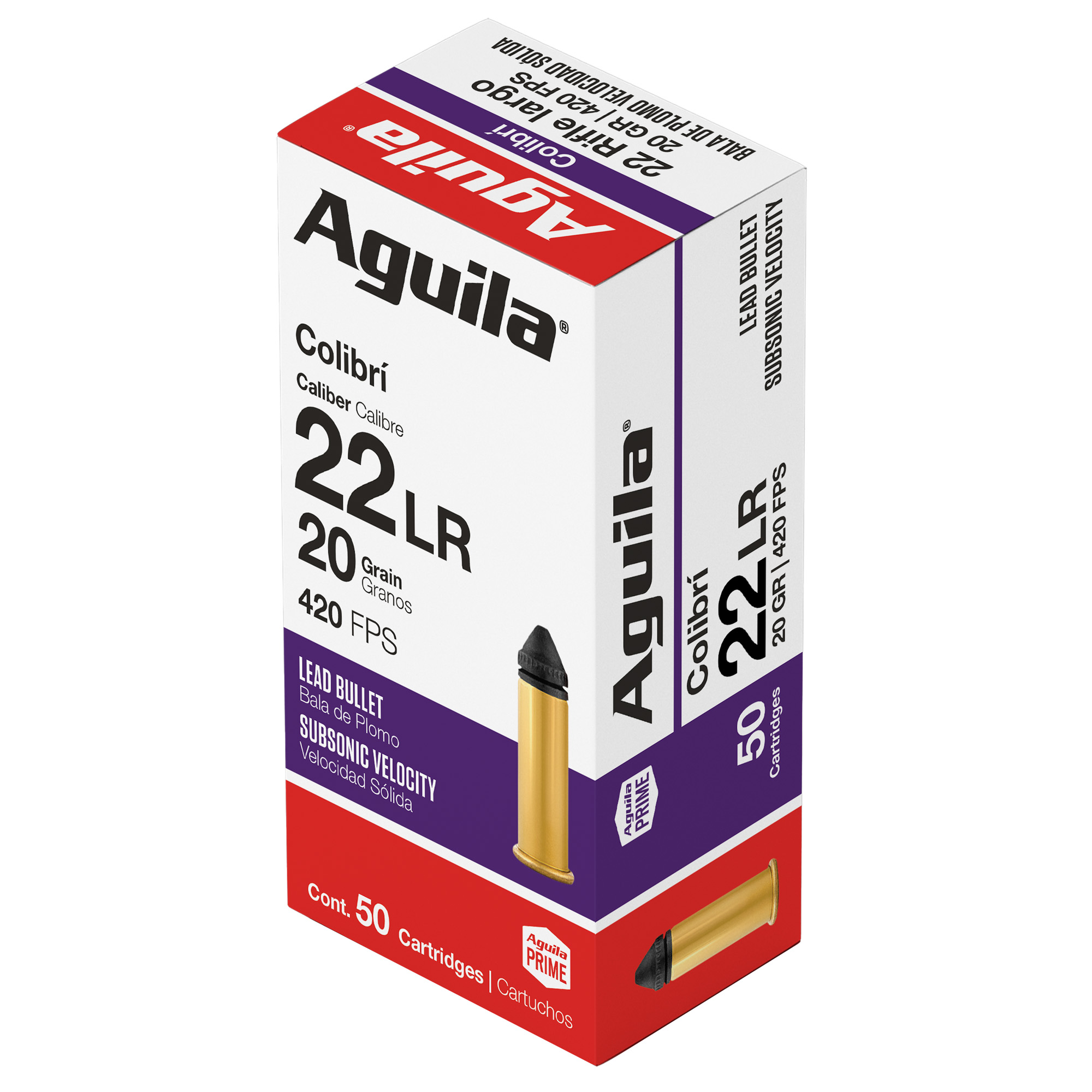
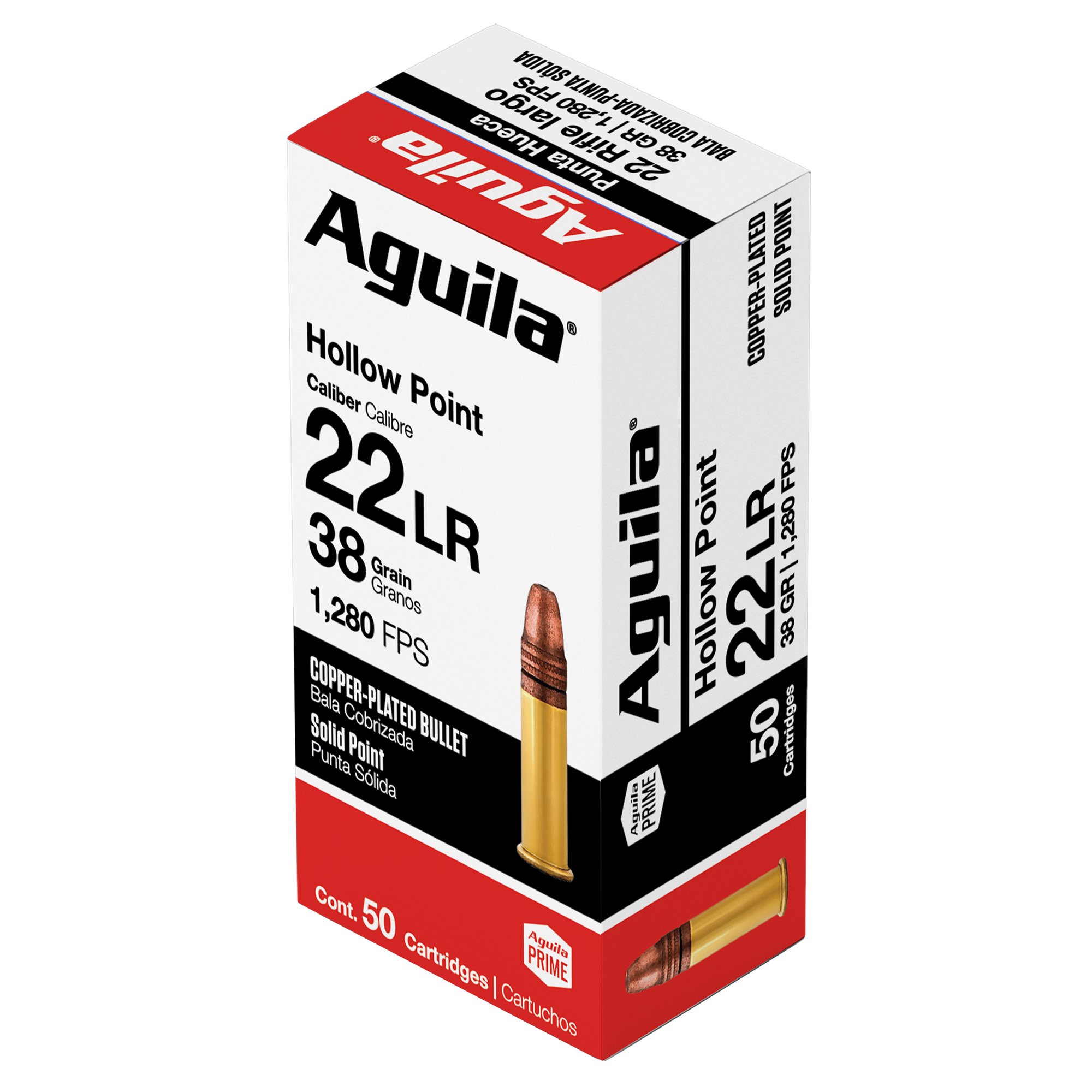
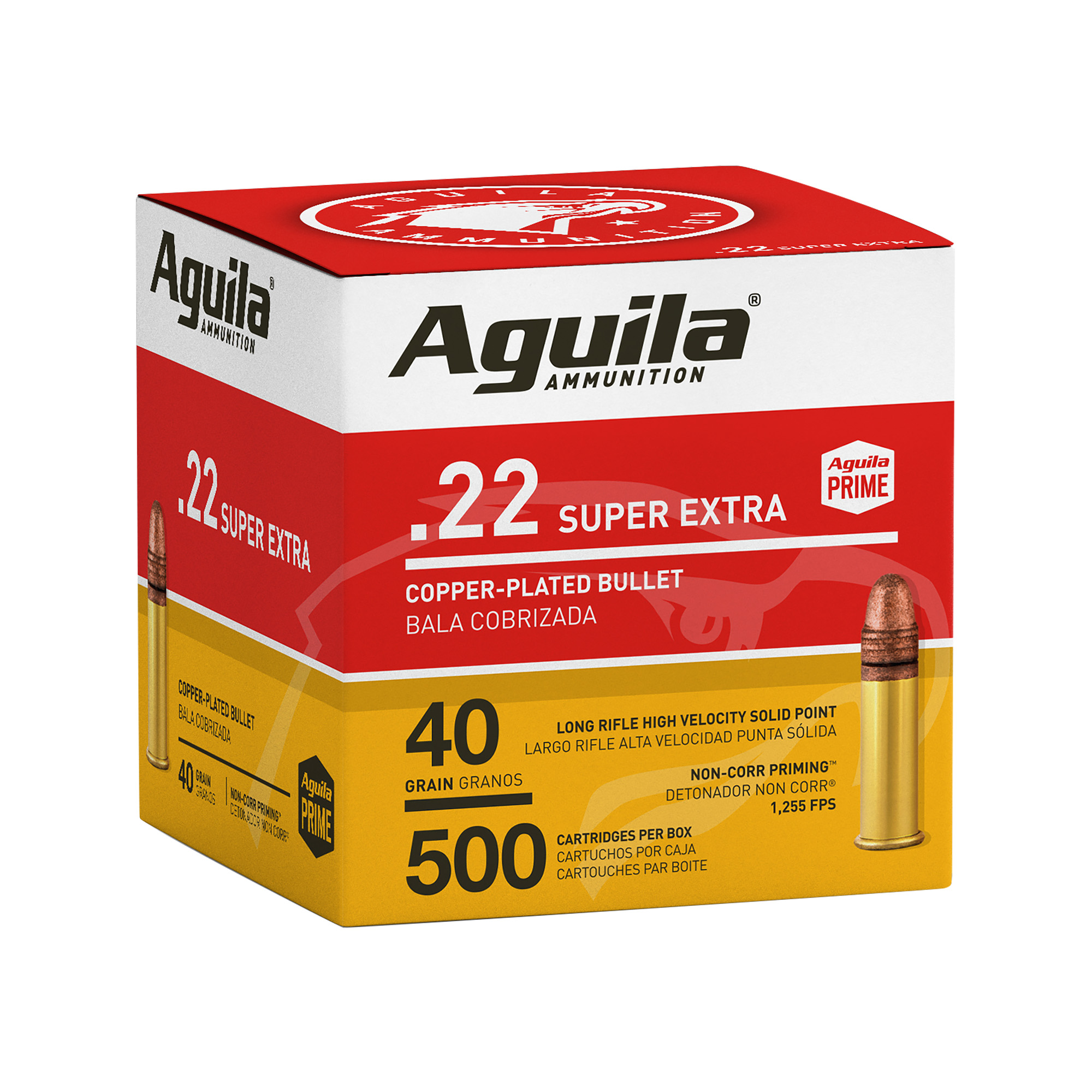
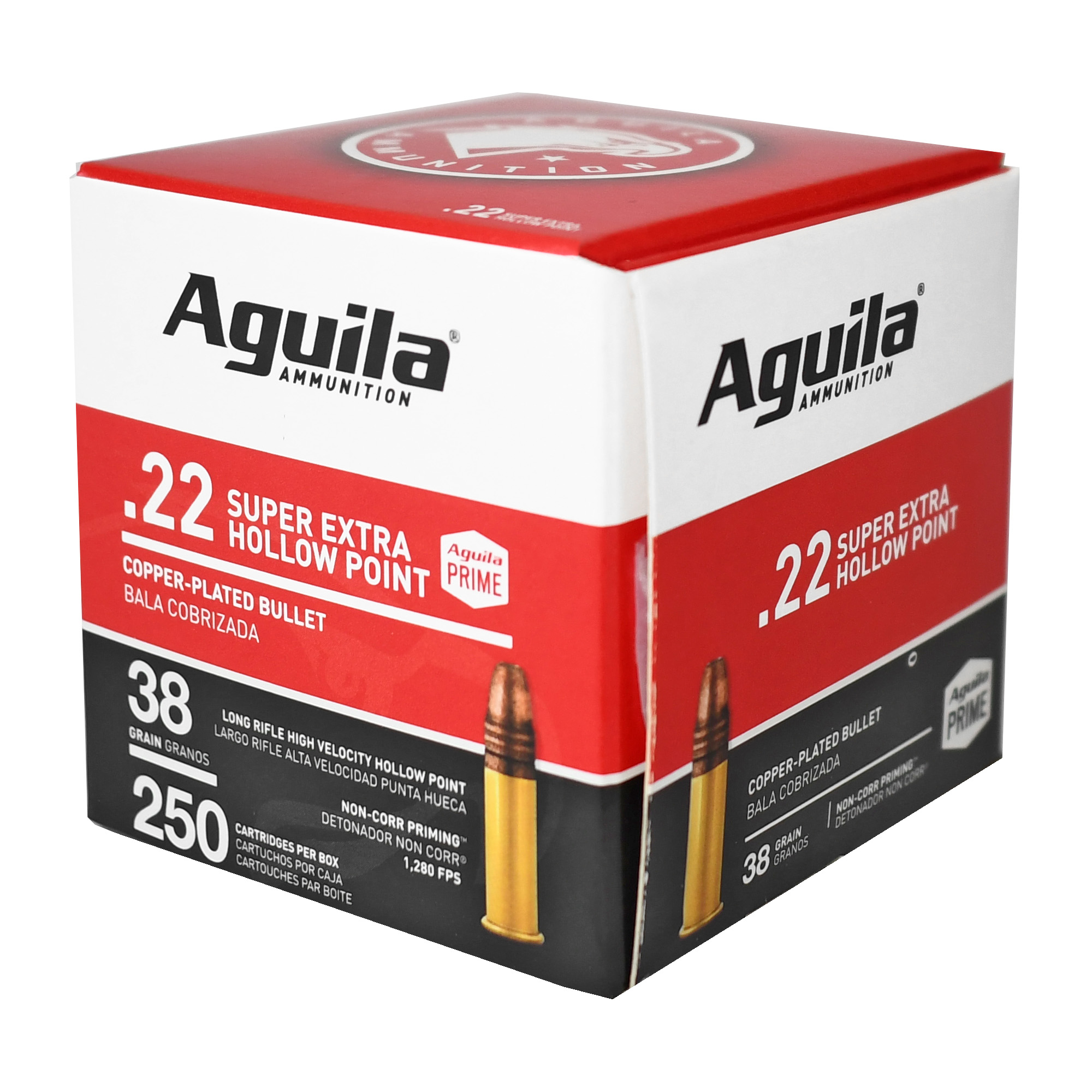
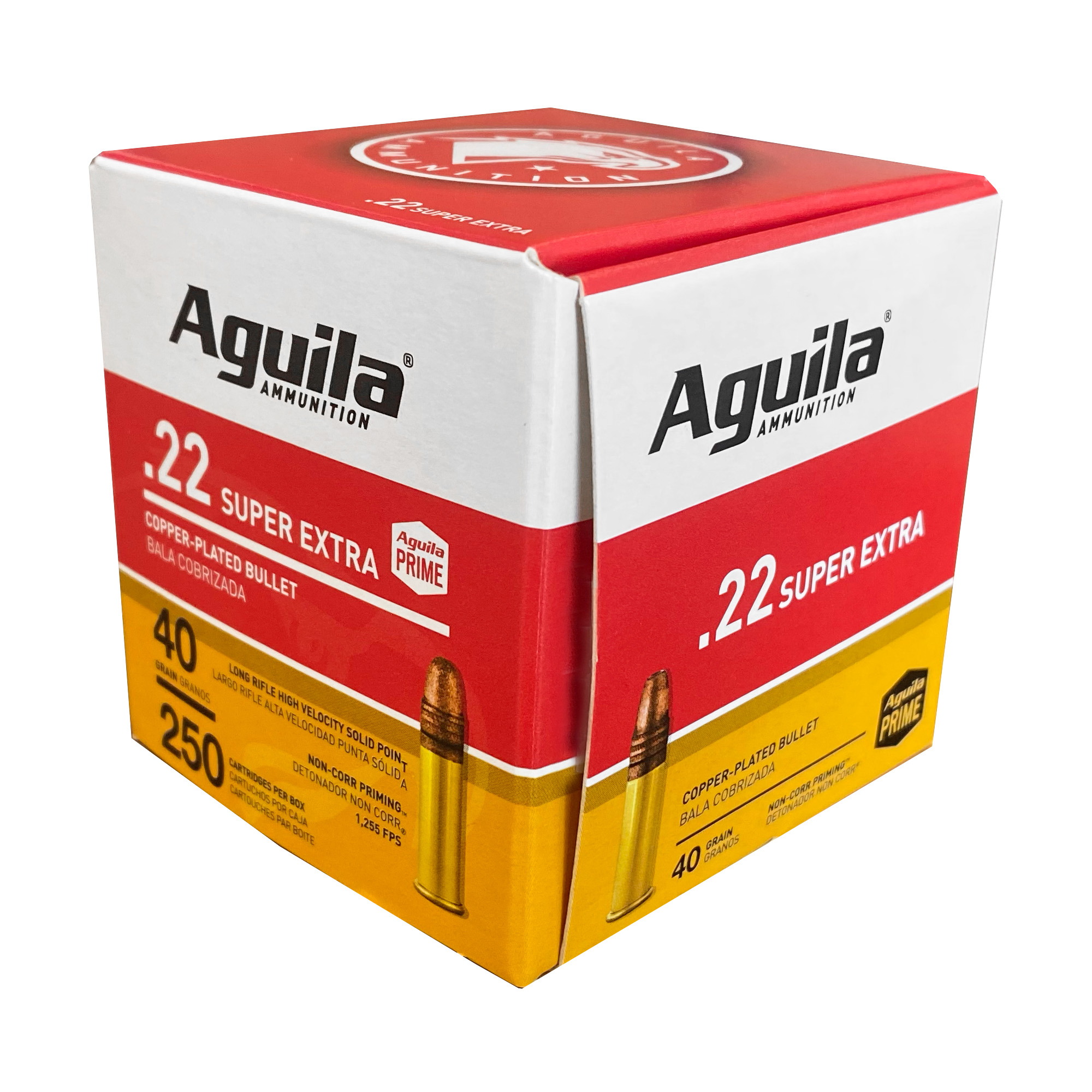
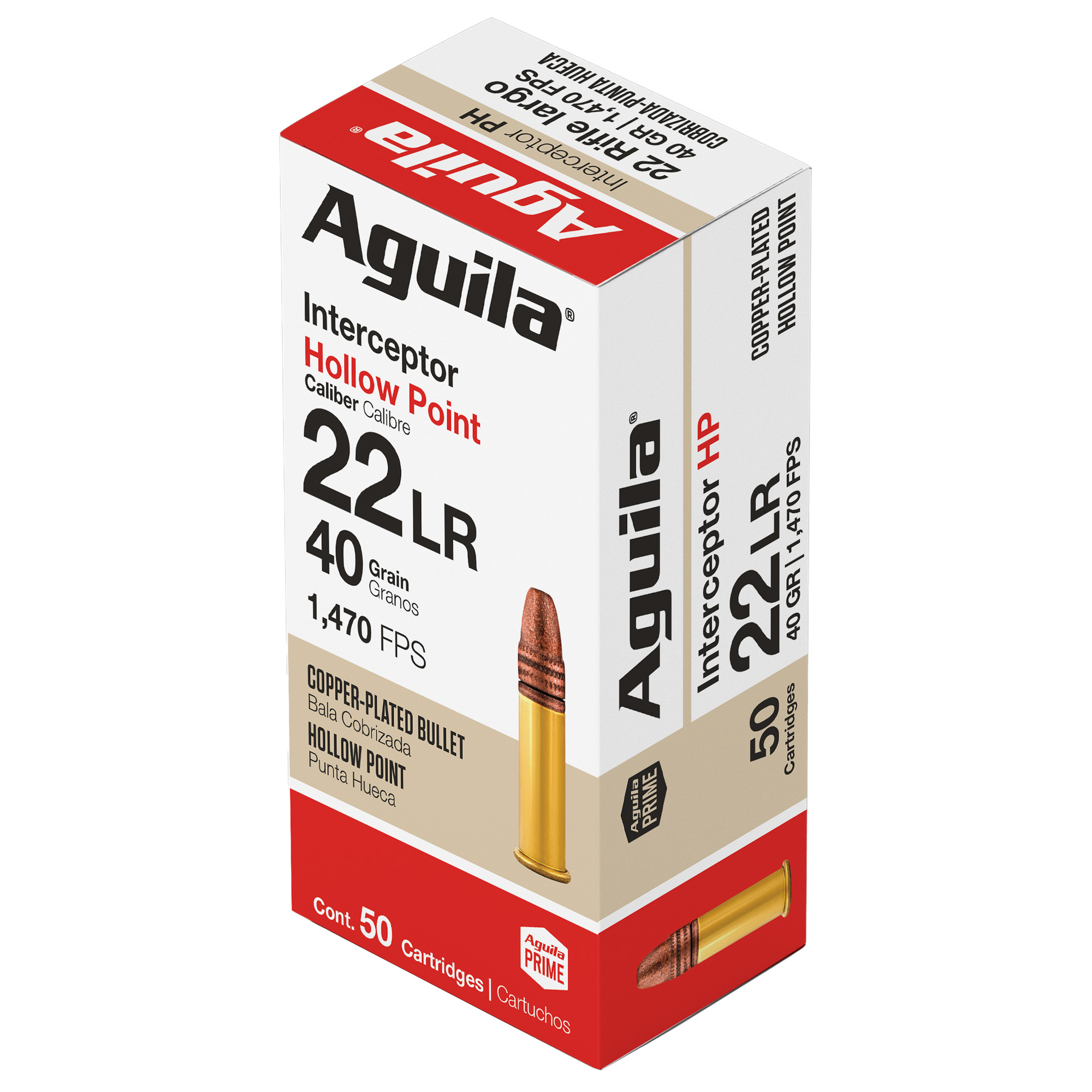
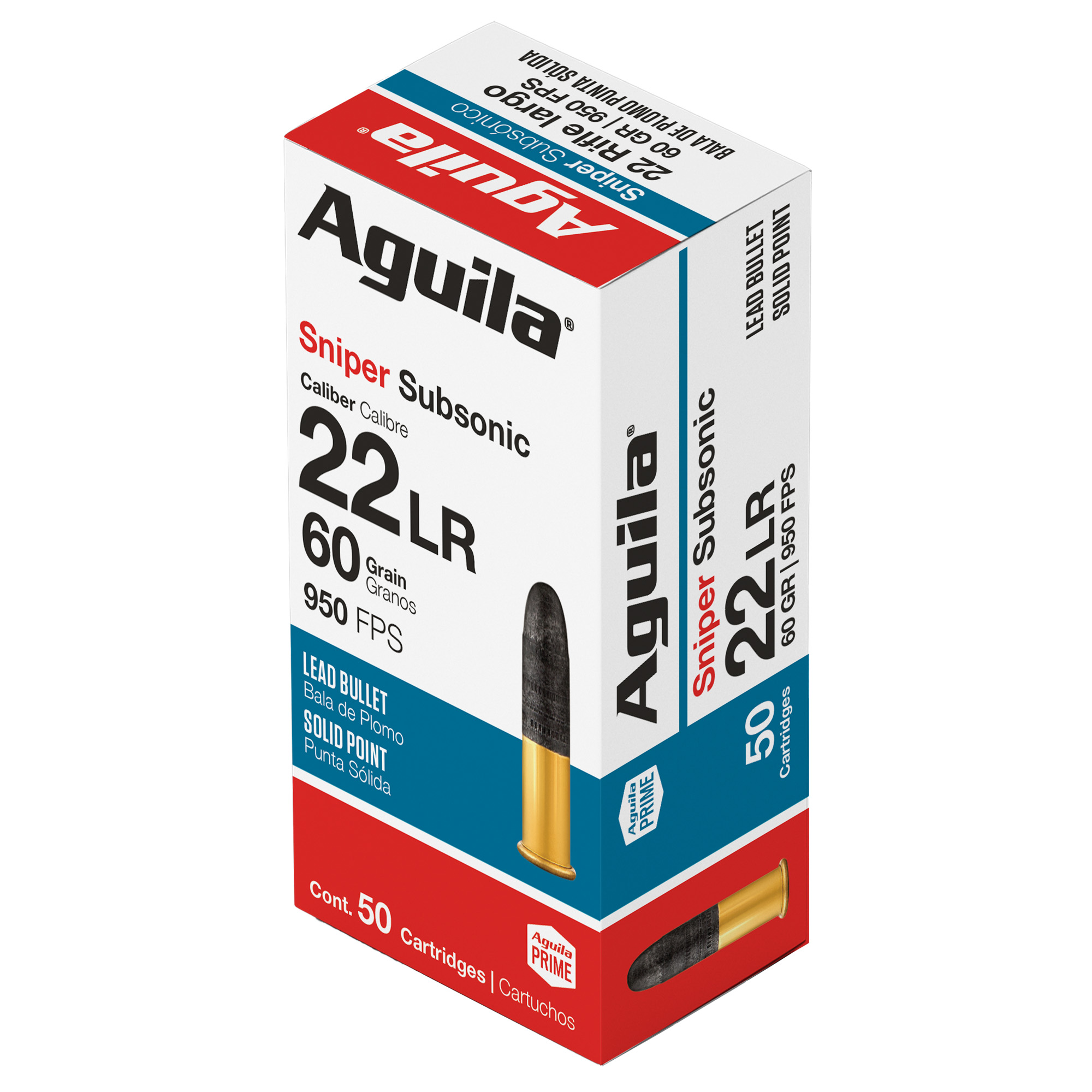
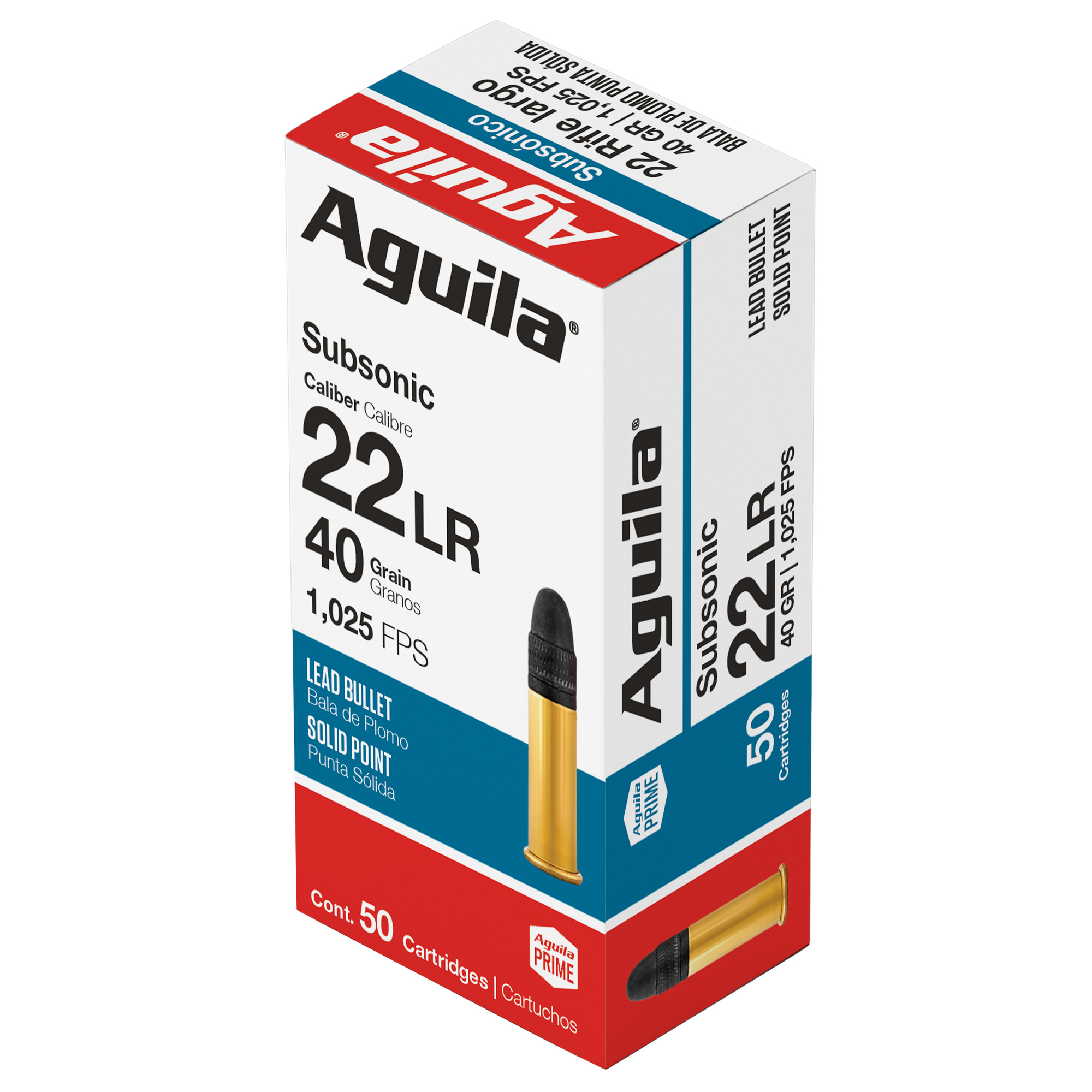
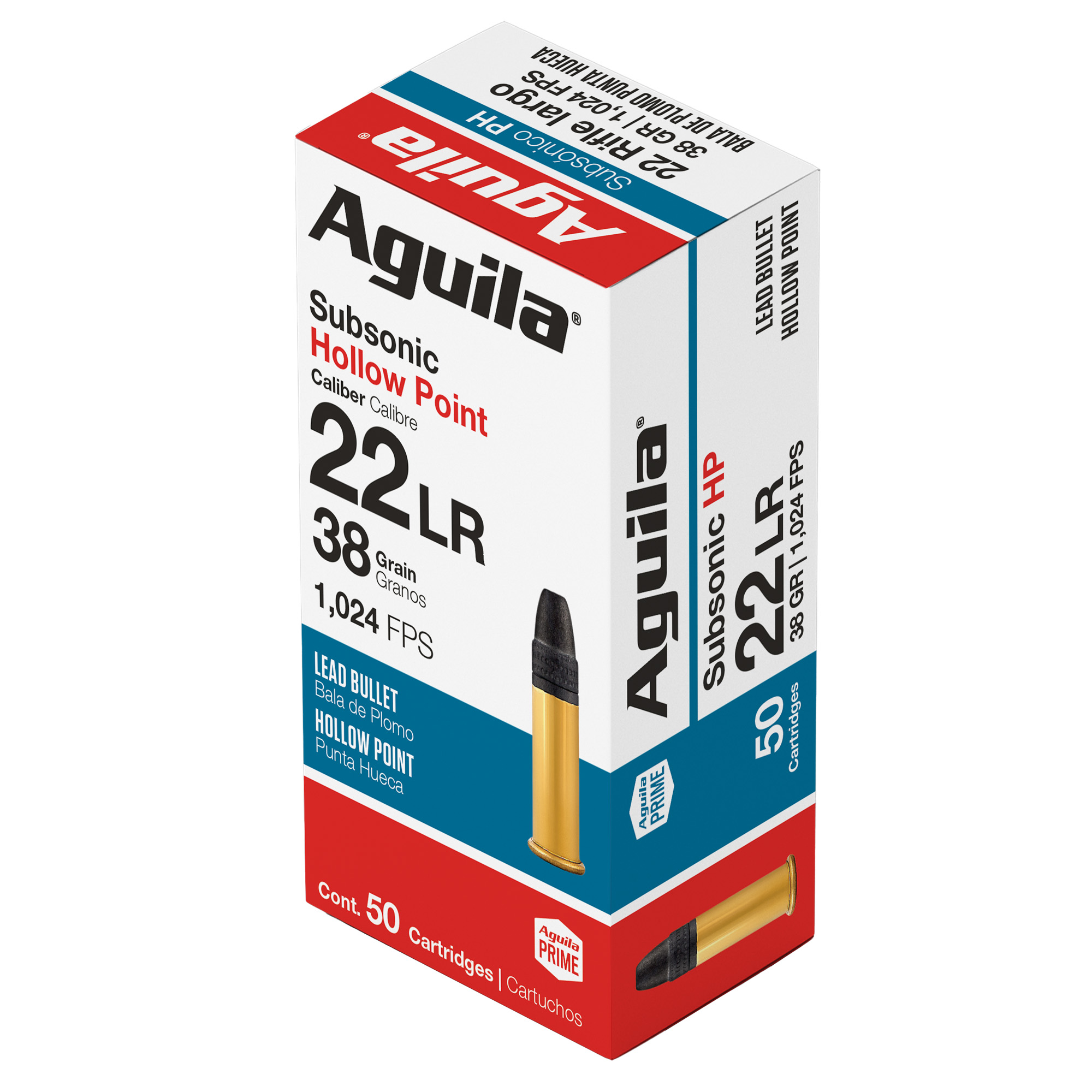
Brand can help buyers organize the Rimfire Ammo comparison without replacing the caliber check. Shoppers comparing CCI, Federal, Winchester, Hornady, Aguila, ELEY, Lapua, and SK should still confirm caliber, bullet style, package size, and total round count before checkout.
That is especially important on a parent rimfire page because the brand list can cover several different cartridge lanes. One brand path may lead a buyer toward bulk .22 LR. Another may be more relevant for .17 HMR, .22 WMR, or match-style rimfire boxes. Use the brand name as a narrowing tool, then let the product details decide the cart.
Bulk Rimfire Ammo Checkout Review
Before placing a Rimfire Ammo order, confirm the caliber, chambering, bullet style, box count, case quantity, total round count, destination eligibility, and any checkout notice tied to the buyer’s shipping address. The cart should show the exact caliber and quantity the buyer expects.
Rimfire orders are easy to over- or under-count when the listing uses packs, bricks, sleeves, or cases. Read the quantity line carefully before payment. If the checkout screen shows an address-based notice, review it before continuing.
What Counts As Rimfire Ammo?
Rimfire Ammo uses a rimfire ignition design and includes common small-caliber cartridge families such as .22 LR, .22 WMR, .17 HMR, .17 WSM, .22 Short, and .22 Long. Buyers should shop by the exact cartridge name shown on the firearm and product listing.
Which Rimfire Caliber Should I Compare First?
Compare the rimfire caliber that matches the firearm chambering first. .22 LR, .22 WMR, .17 HMR, .17 WSM, .22 Short, and .22 Long are separate buying lanes, so the order should begin with the exact caliber before moving into bullet style or case quantity.
What Should I Check Before Buying Bulk Rimfire Ammo?
Before buying bulk rimfire ammo, check caliber, bullet style, grain weight, box count, case quantity, total round count, and shipping eligibility. Bulk quantity is most useful when the buyer already knows the exact rimfire caliber and load type they want.
Is .22 LR The Same As .22 WMR?
.22 LR is not the same as .22 WMR. Both are rimfire cartridges, but they are separate cartridge types. The buyer should match the exact product title and cartridge marking before adding either rimfire option to the cart.
Which Brands Should I Compare For Rimfire Ammo?
Compare Rimfire Ammo brands by caliber coverage, bullet style, package quantity, and total round count. CCI, Federal, Winchester, Hornady, Aguila, ELEY, Lapua, and SK can help buyers narrow familiar brand paths, but the caliber and product details still need to match the order.