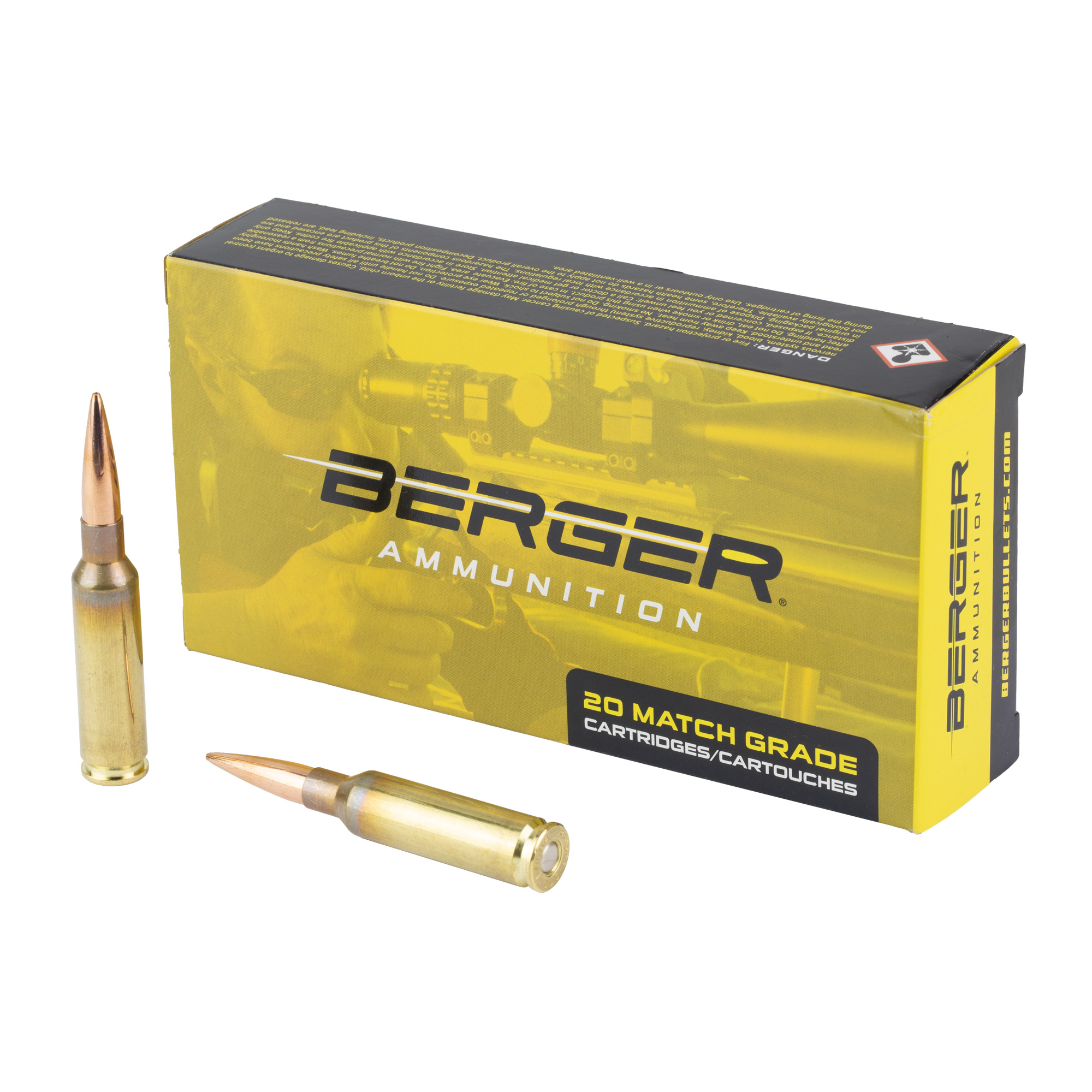
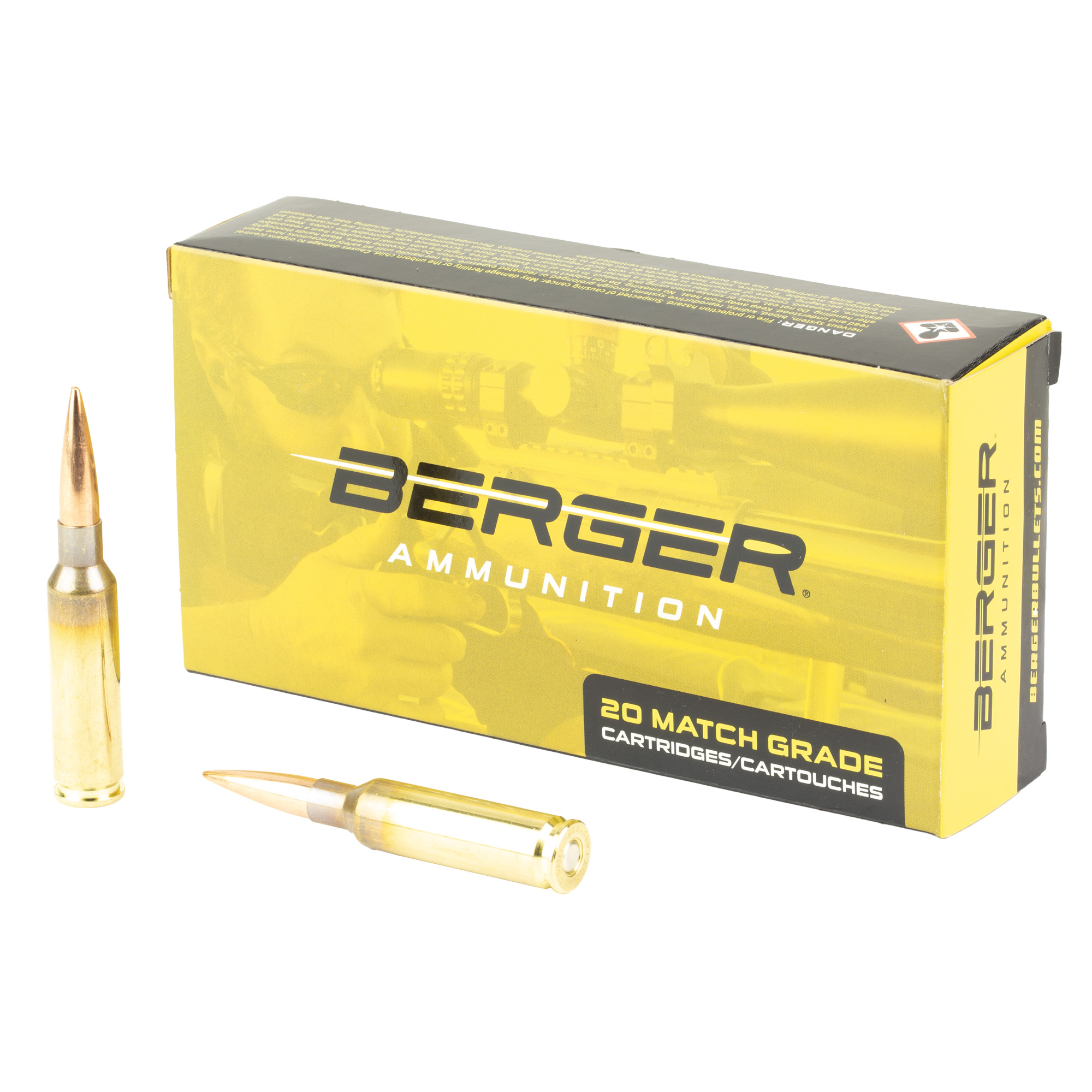
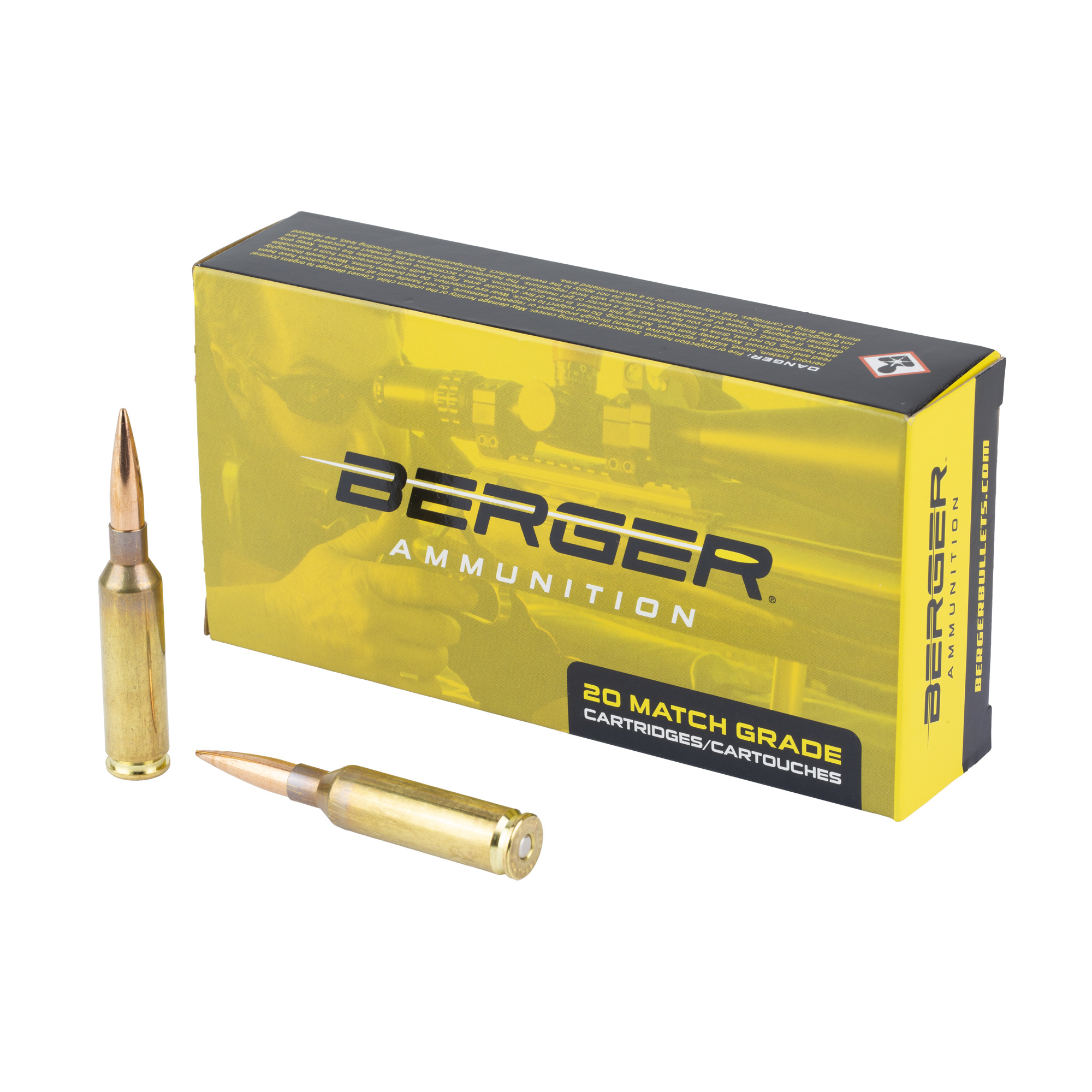
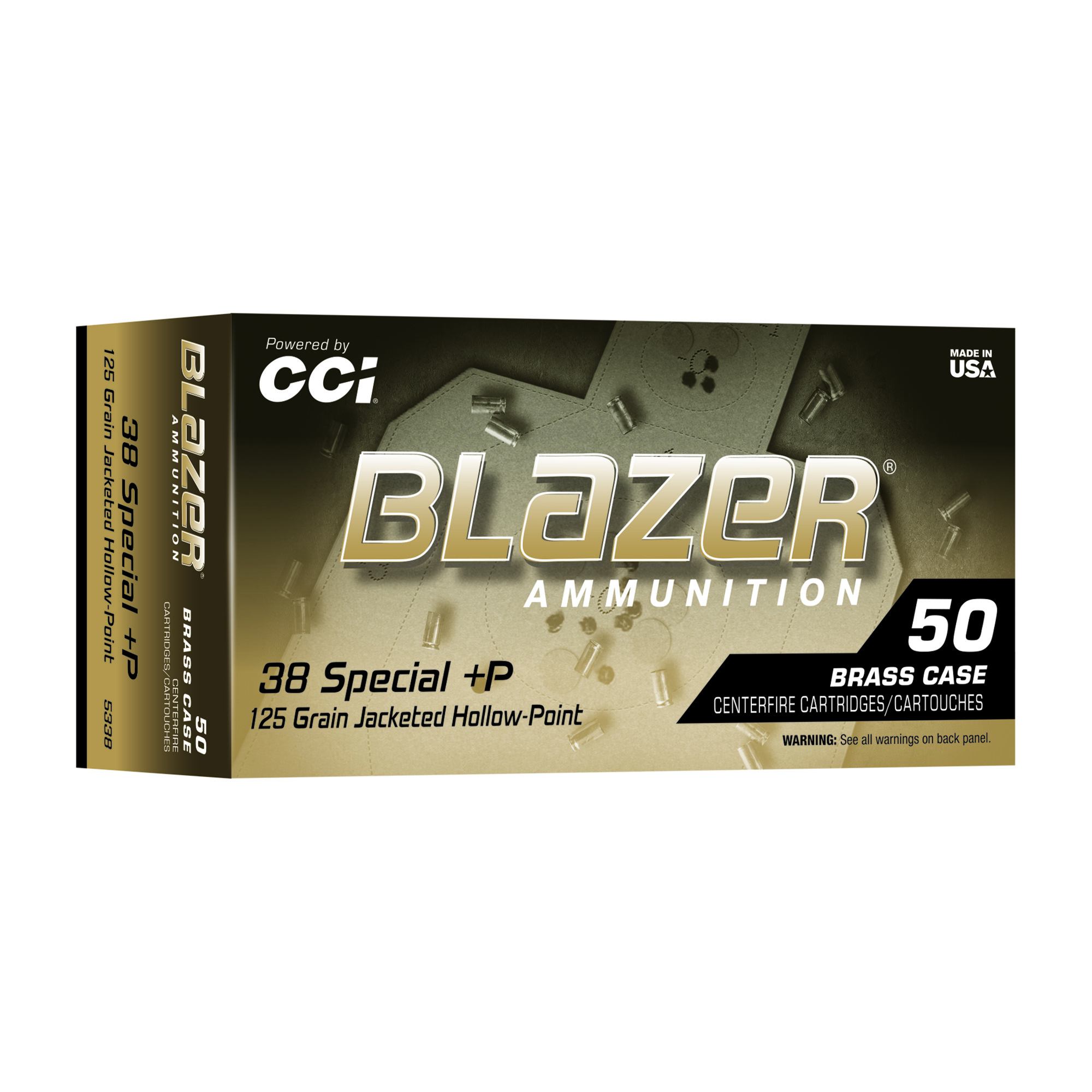
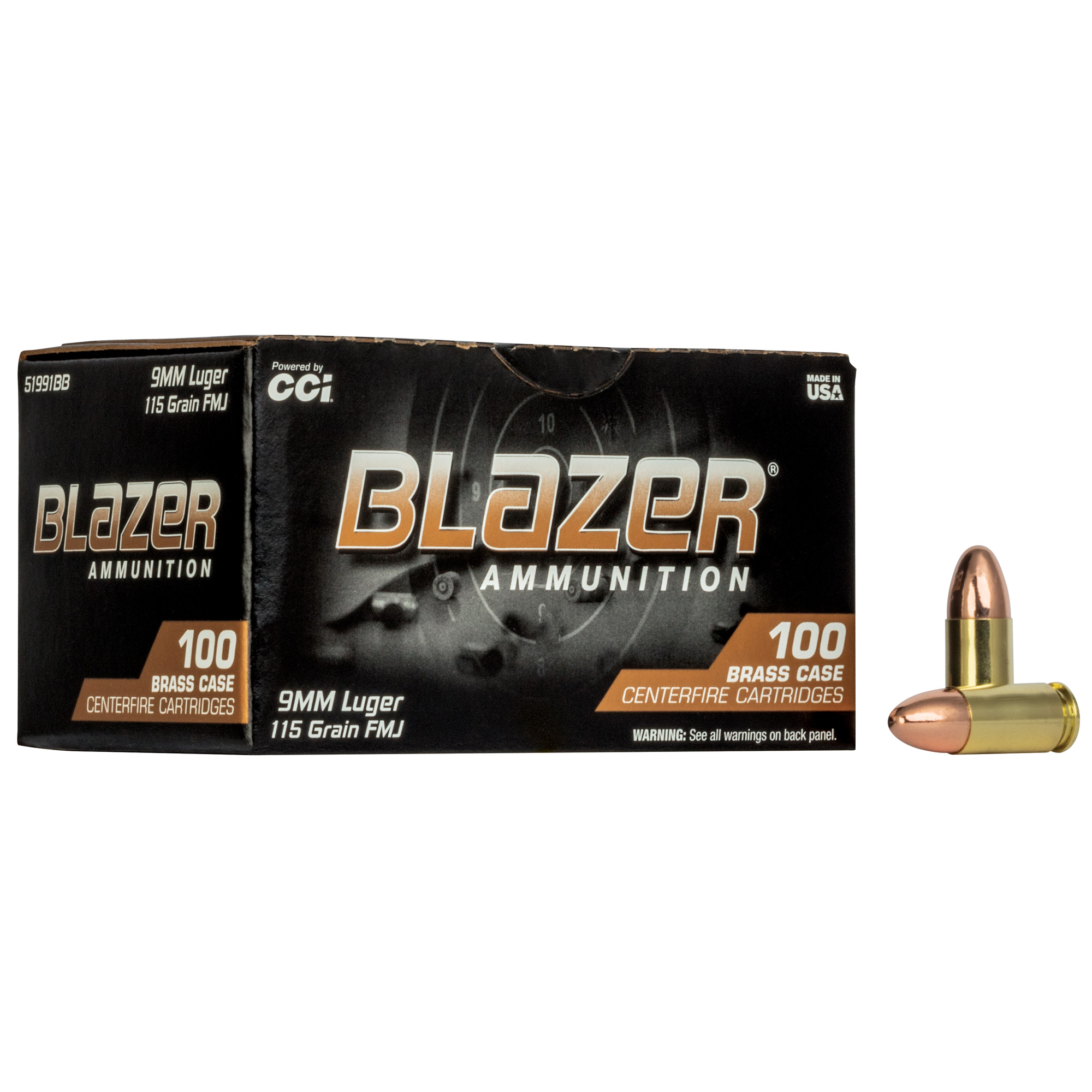
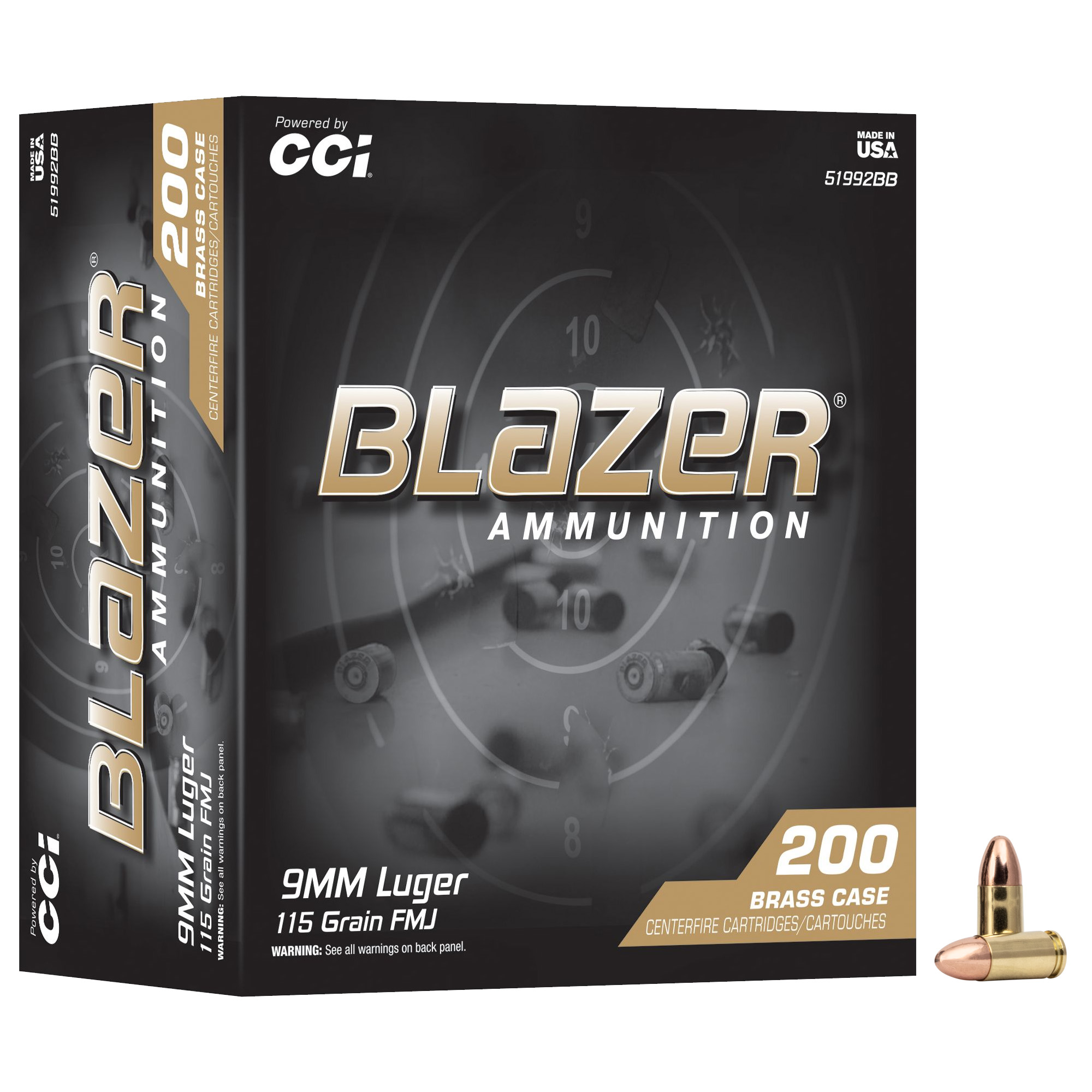
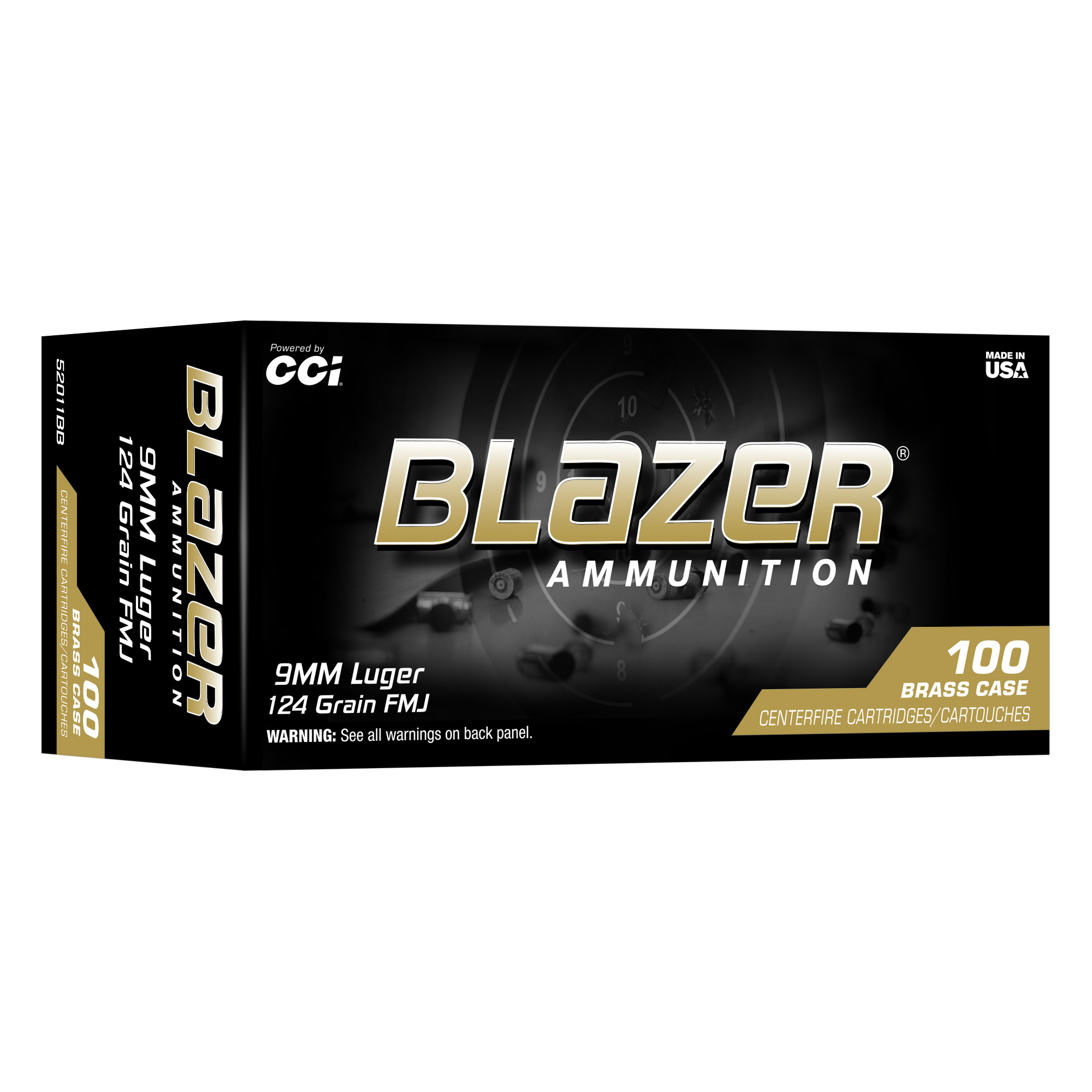
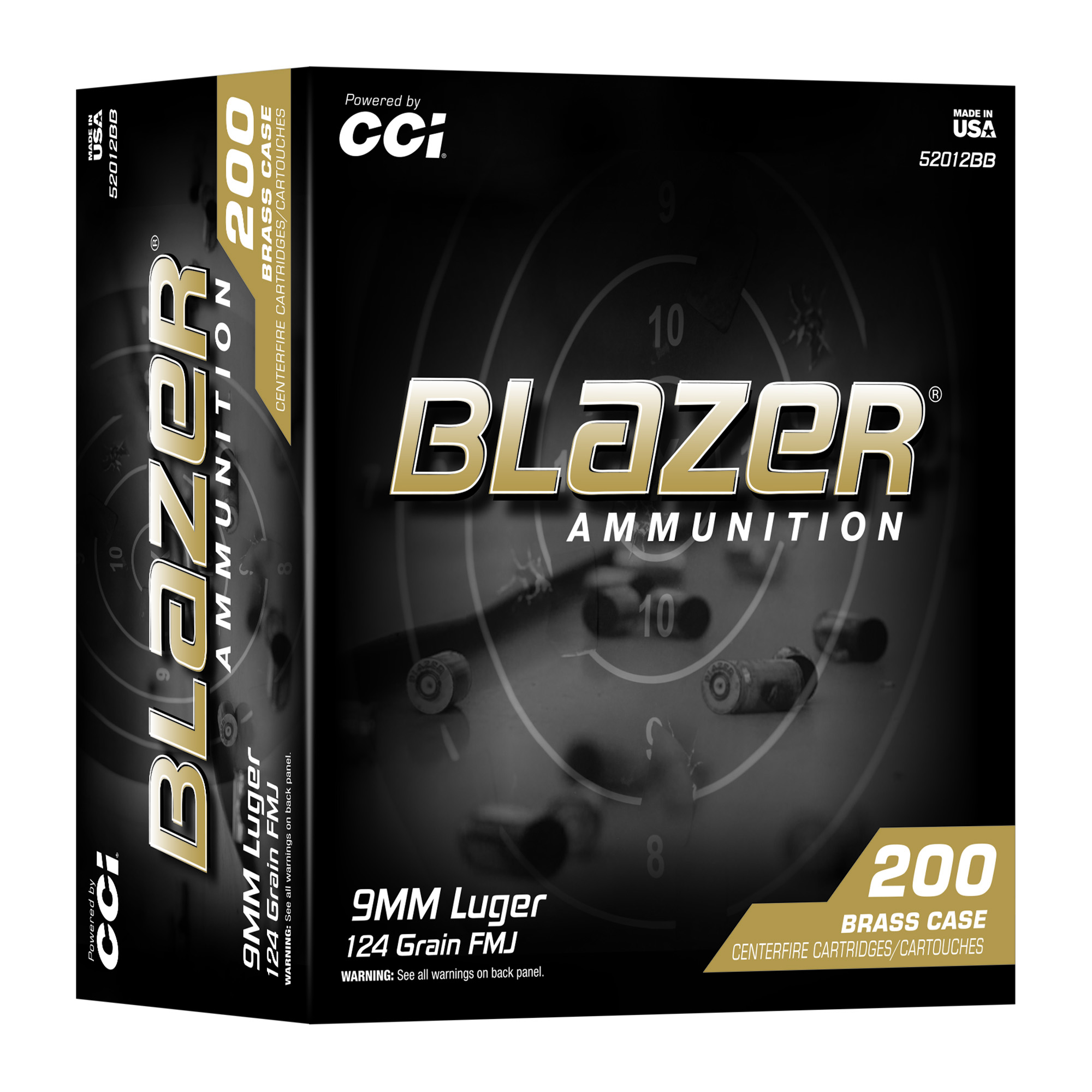
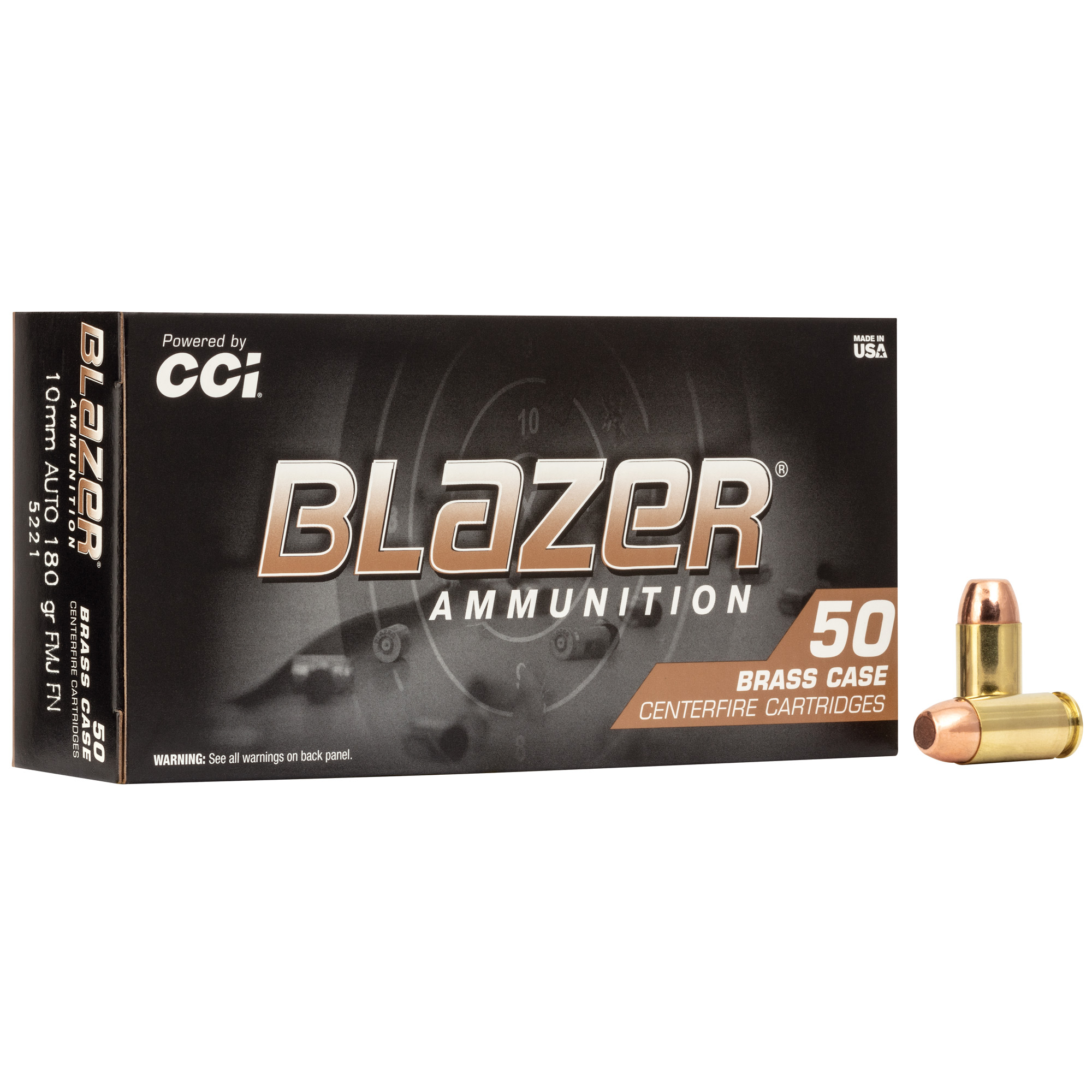
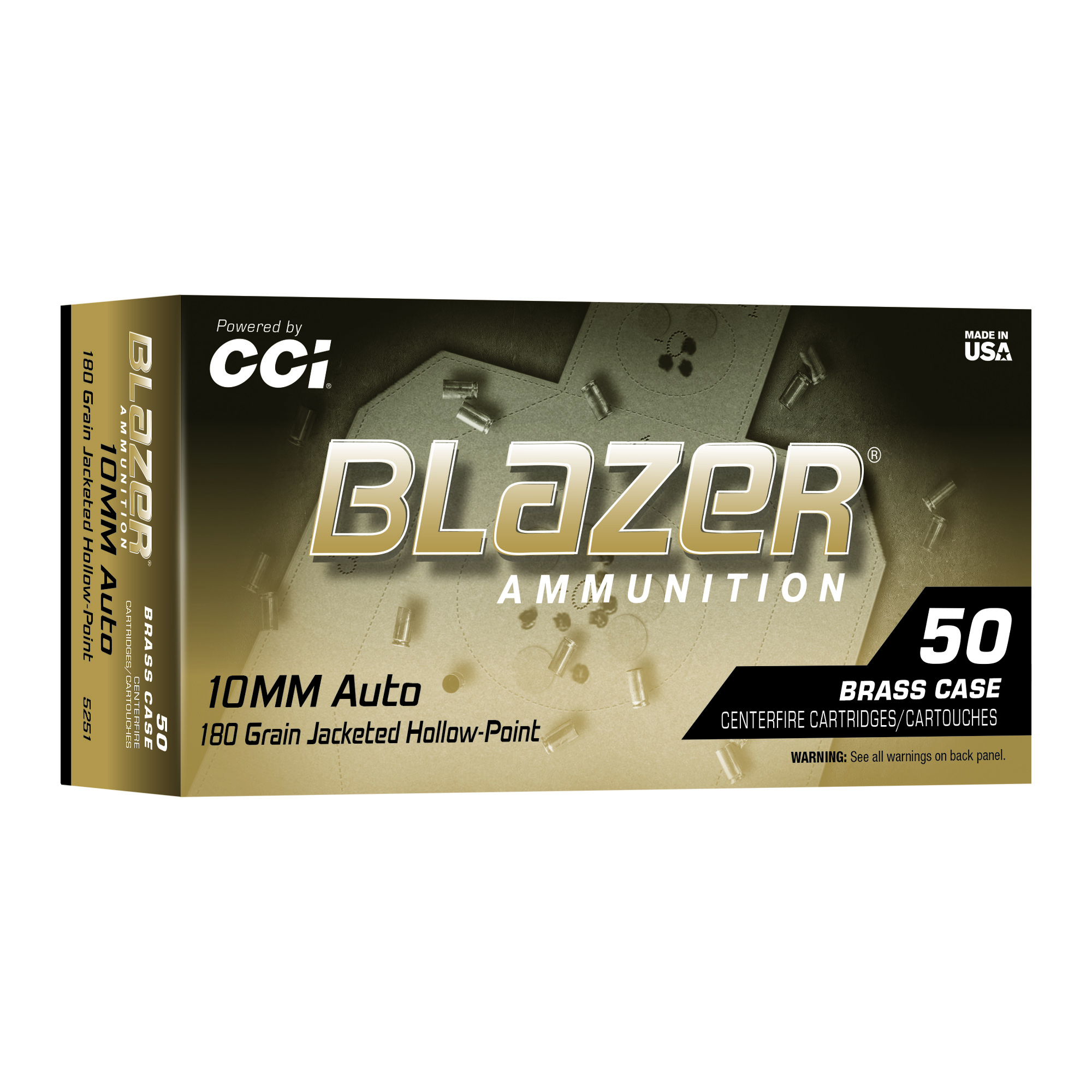
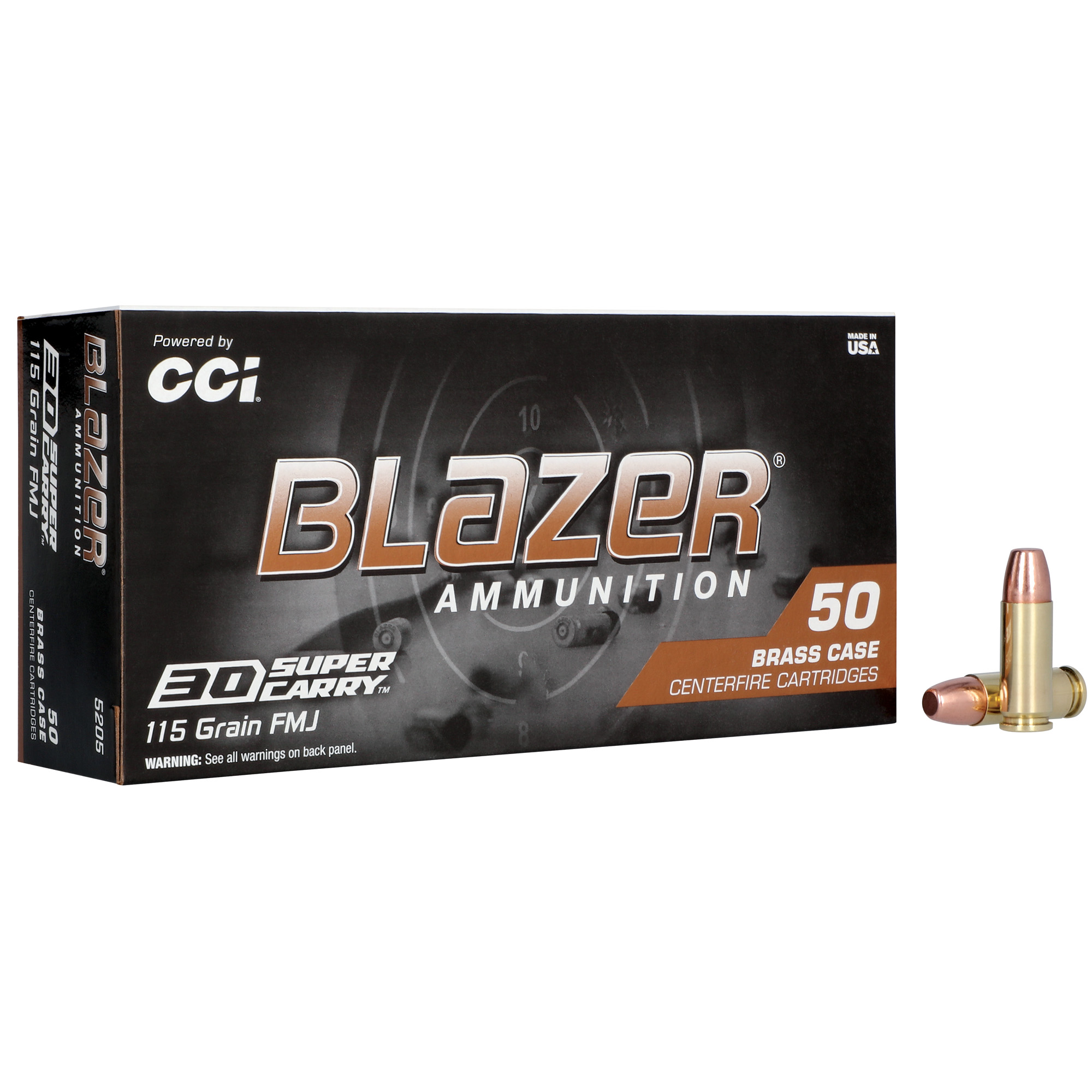
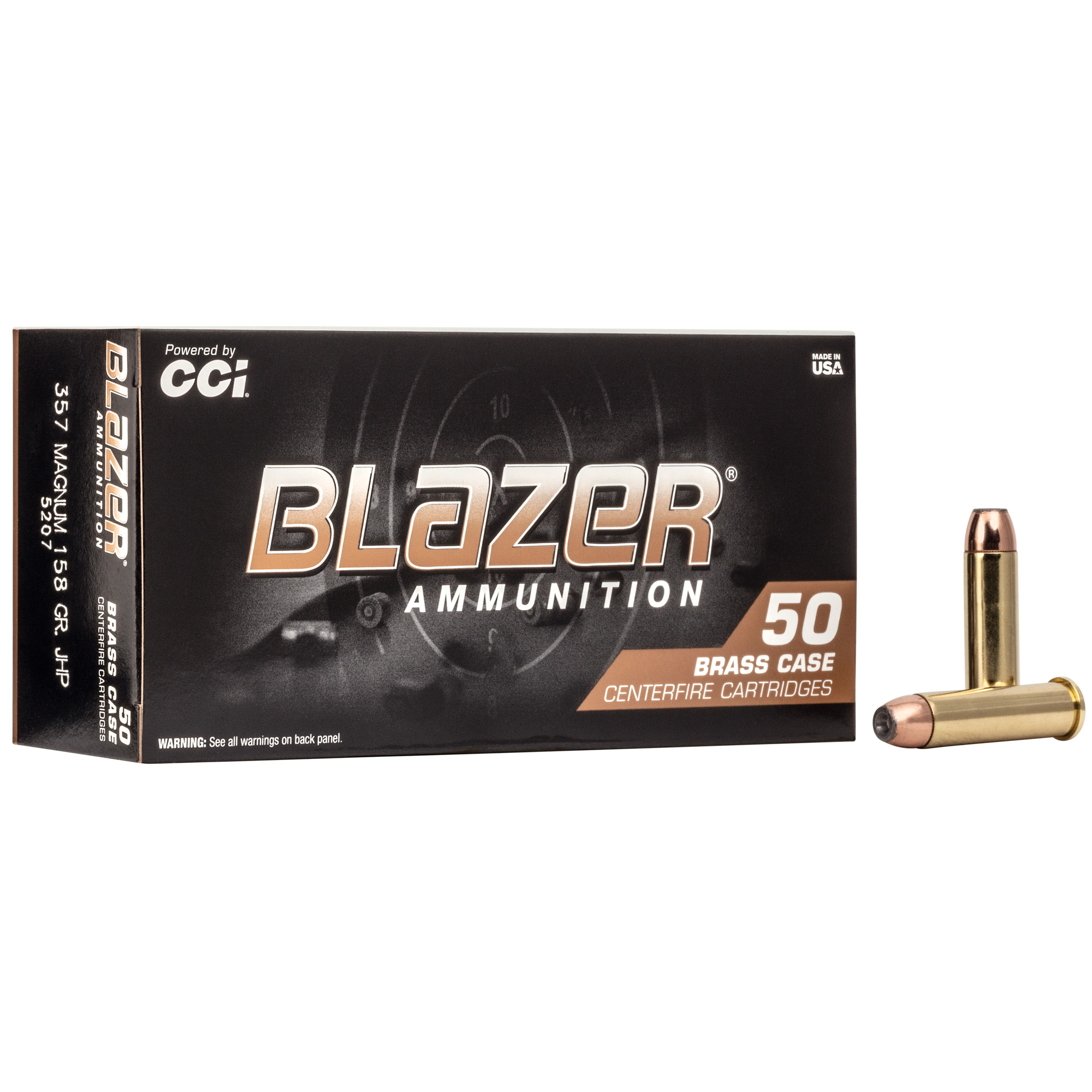
Range & Training Ammo helps buyers narrow repeat-use ammunition by the details that matter before checkout: caliber, gauge, load style, casing type, bullet type, shell details, box count, case quantity, and total round count. The tag is most useful when the listing supports range use, training, practice, FMJ range loads, target loads, recreational shooting, sport shooting, or high-volume ordering.
How To Sort Range & Training Ammo For Repeat Orders
Start with the cartridge or gauge, then move into the product title. A good range or training listing should make it easy to compare the load style, bullet type, casing type, quantity format, and total rounds. Buyers placing larger orders should also check whether the listing is sold by box, case, sleeve, bucket, or another quantity format before moving to checkout.
The broadest review areas are handgun ammo, rifle ammo, rimfire ammo, and shotgun ammo. Those sections help buyers get to the right shelf, but the product details decide whether the Range & Training Ammo tag belongs on a specific listing.
Handgun Range & Training Ammo Checks
Handgun buyers usually compare range and training products by caliber, bullet type, casing, box count, case quantity, and total rounds. Strong product-check paths include 9mm ammo, .45 ACP ammo, .380 ACP ammo, .40 S&W ammo, 10mm ammo, and .38 Special ammo.
These caliber pages are strong review paths, not automatic tag assignments. A 9mm product can be a range load, hollow point, self-defense listing, lead-free option, steel-case option, brass-case option, or specialty load. Range & Training Ammo should follow products that clearly fit repeat-use range ordering, not every product in a common handgun caliber.
Rifle Range & Training Ammo Checks
Rifle buyers should compare repeat-use listings by cartridge, bullet type, casing, box count, case quantity, and total rounds. Common review paths include .223 ammo, 5.56 ammo, .308 ammo, 7.62×39 ammo, and .300 Blackout ammo when the product details support range, training, practice, FMJ, target, or bulk repeat-use ordering.
Rifle products need a closer look because one caliber page can include range loads, match loads, hunting loads, subsonic loads, soft point loads, and specialty products. A .308 listing, for example, should not be tagged as Range & Training Ammo just because it is .308. The product title and attributes should support the tag.
Rimfire Range & Training Ammo Checks
Rimfire is one of the strongest places to review range and training products because buyers often compare .22-caliber listings by quantity, bullet type, and repeat-use value. .22 LR ammo is the primary rimfire review path for this tag. .22 Short ammo and .22 WMR ammo may also fit when the listing supports range, training, practice, target, or recreational use.
Rimfire products can still vary by purpose. Some listings are bulk practice loads, while others are match, subsonic, hollow point, hunting, or specialty products. The Range & Training Ammo tag should follow the product wording and quantity format, not the parent section alone.
Shotgun Range & Training Shell Checks
Shotgun buyers should compare range and training shells by gauge, shell length, shot size, payload, box count, and case quantity. Useful product-check paths include 12 gauge ammo, 20 gauge ammo, 28 gauge ammo, and .410 bore ammo when the shell details support target, clay, sport, range, or practice-style ordering.
Gauge alone is not enough. A 12 gauge listing may be a target shell, field load, slug, buckshot, turkey load, waterfowl load, upland load, or another shell type. The product title and shell details decide whether the Range & Training Ammo tag belongs.
Brand Paths That Help Buyers Compare Range & Training Ammo
Brand pages can help buyers organize common range and repeat-use options, but the listing still decides the tag. Useful handgun, rifle, and rimfire review paths include Blazer, American Eagle, Federal, Winchester, Remington Ammunition, PMC, Fiocchi, Sellier & Bellot, Magtech, CCI, Aguila, and Armscor.
Value-bulk rifle and handgun review paths may also include Wolf, TulAmmo, Barnaul, and Prvi Partizan when the product listing supports range or training use. For shotgun range-shell review, useful paths include Estate, Rio, NobelSport, and Rottweil. The brand helps narrow the shelf, but caliber, shell details, quantity, and checkout information still decide the final order.
Where Range & Training Ammo Differs From Target & Practice Ammo
Range & Training Ammo and Target & Practice Ammo naturally overlap, but they are not identical. Range & Training Ammo is strongest for high-volume, repeat-use, case-quantity, and range-ordering decisions. Target & Practice Ammo is slightly broader for target shooting, recreational shooting, practice rounds, and general product comparison.
When a product clearly supports both, both tags may make sense. When a product is match-grade, hunting-specific, self-defense-focused, or specialty-only, use the more specific tag instead of forcing it into a broad range/training bucket.
What Product Details Matter Most For Range & Training Ammo?
The most important details are the listed caliber or gauge, load style, bullet type, casing type, shell details, box count, case quantity, and total round count. The product title or attributes should support range use, training, practice, FMJ range loads, target loads, recreational shooting, sport shooting, or repeat-use ordering before the tag is used.
Should Every 9mm Product Be Tagged As Range & Training Ammo?
No. 9mm ammo is the strongest handgun review path for Range & Training Ammo, but not every 9mm listing belongs under this tag. Use the tag when the product title, attributes, or description supports range use, training, practice, FMJ, target, or repeat-use ordering.
Which Calibers Should Buyers Check First For Range & Training Ammo?
Buyers usually check product listings in 9mm, .45 ACP, .380 ACP, .40 S&W, 10mm, .38 Special, .22 LR, .223, 5.56, .308, 7.62×39, and .300 Blackout. Shotgun buyers may also review 12 gauge, 20 gauge, 28 gauge, and .410 bore when the shell details support range, sport, target, or practice use.
How Should Buyers Compare Range & Training Ammo In Bulk Quantities?
Compare the box count, case quantity, total round count, caliber or gauge, bullet type, casing type, shell details, and product-title wording. A larger quantity should still match the buyer’s exact cartridge or shell needs and checkout requirements before the order is completed.
What Should Lawful Adult Buyers Confirm Before Ordering Range & Training Ammo?
Lawful adult buyers should confirm the product title, cartridge or gauge wording, firearm marking, bullet type, casing type, shell details, box count, case quantity, total round count, destination eligibility, shipping eligibility, and checkout notices before placing an order.
How Should Buyers Review Shipping Eligibility For Range & Training Ammo?
Shipping review should stay tied to the product and destination entered at checkout. Read the product details, destination notices, shipping eligibility information, and order requirements before completing the order. Do not treat the Range & Training Ammo tag as a shipping guarantee.