Target & Practice Ammo For Repeat Range Orders
Target and practice ammo is usually the part of an ammunition order where buyers care most about fit, quantity, cost per round, and clean product details. This is where shoppers compare cartridge wording, bullet type, casing type, box count, case quantity, total round count, and shipping eligibility before checkout. Whether the order is centered around handgun range time, rifle practice, rimfire plinking, or shotgun target loads, the best first step is matching the listed cartridge or gauge to the firearm’s required ammunition.
Use this page to narrow practical options across handgun ammo, rifle ammo, rimfire ammo, and shotgun ammo. Then review the individual product listing for the exact load details. A target or practice tag helps group useful range-shopping options, but the product title and attributes still matter most.
How To Compare Target And Practice Ammo By Caliber
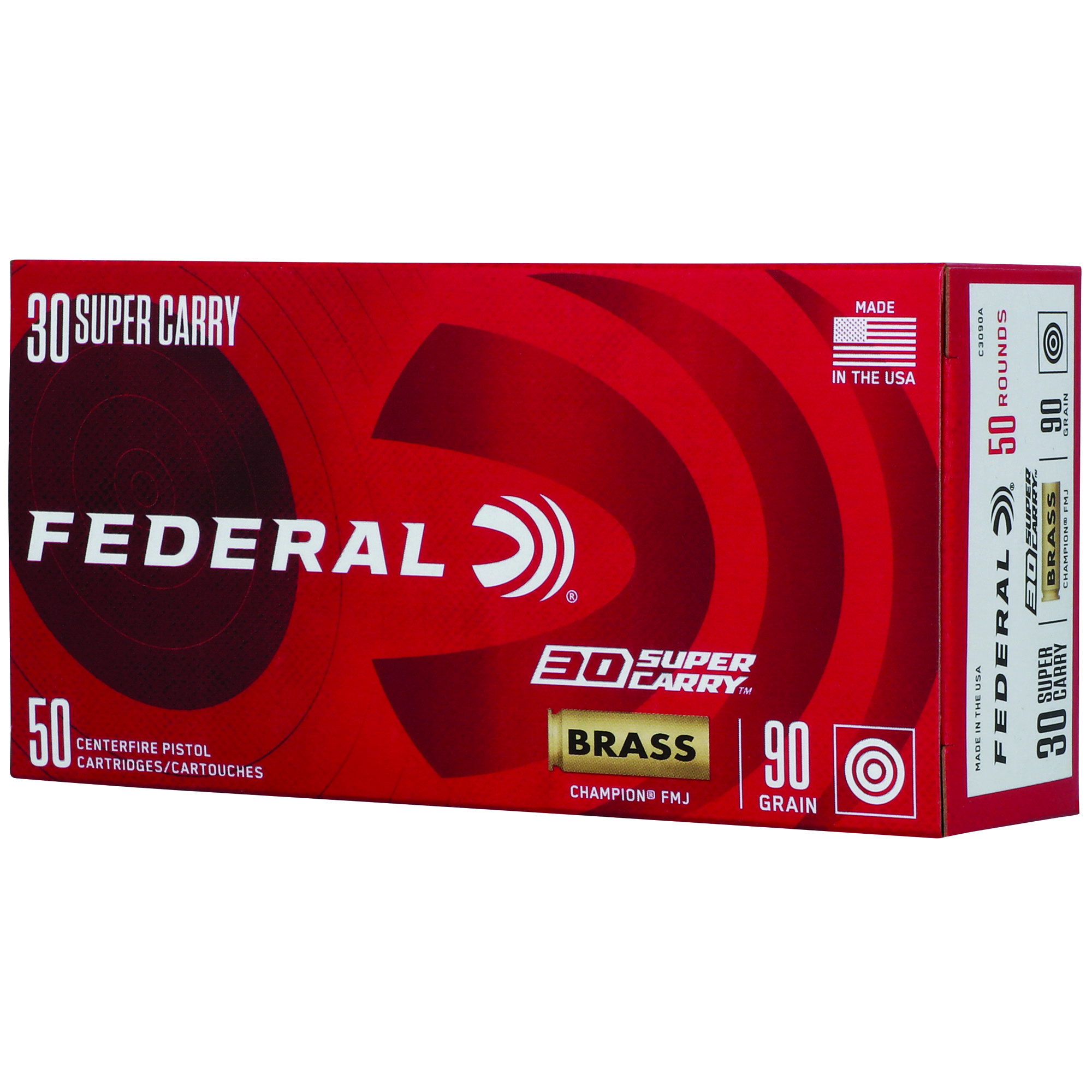
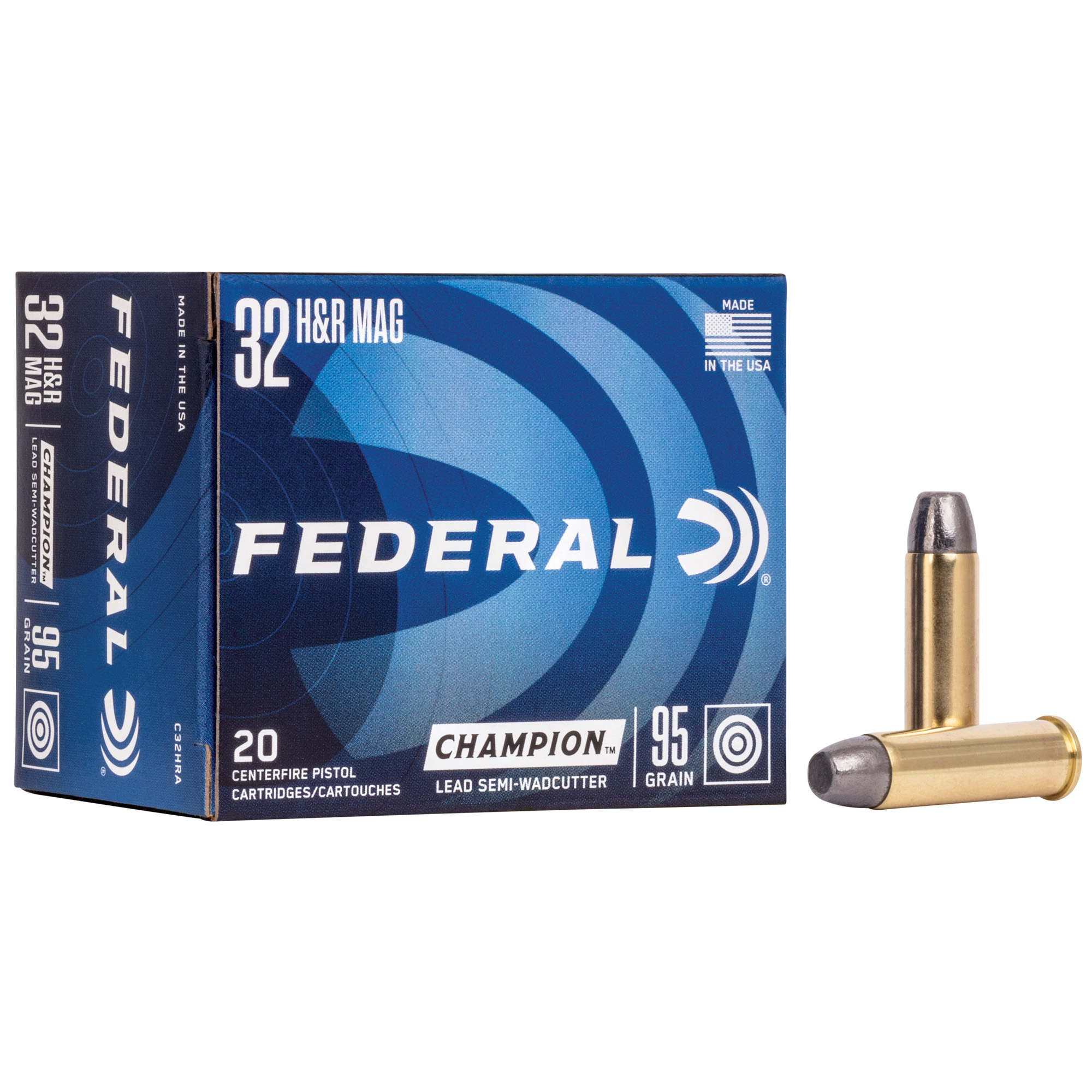
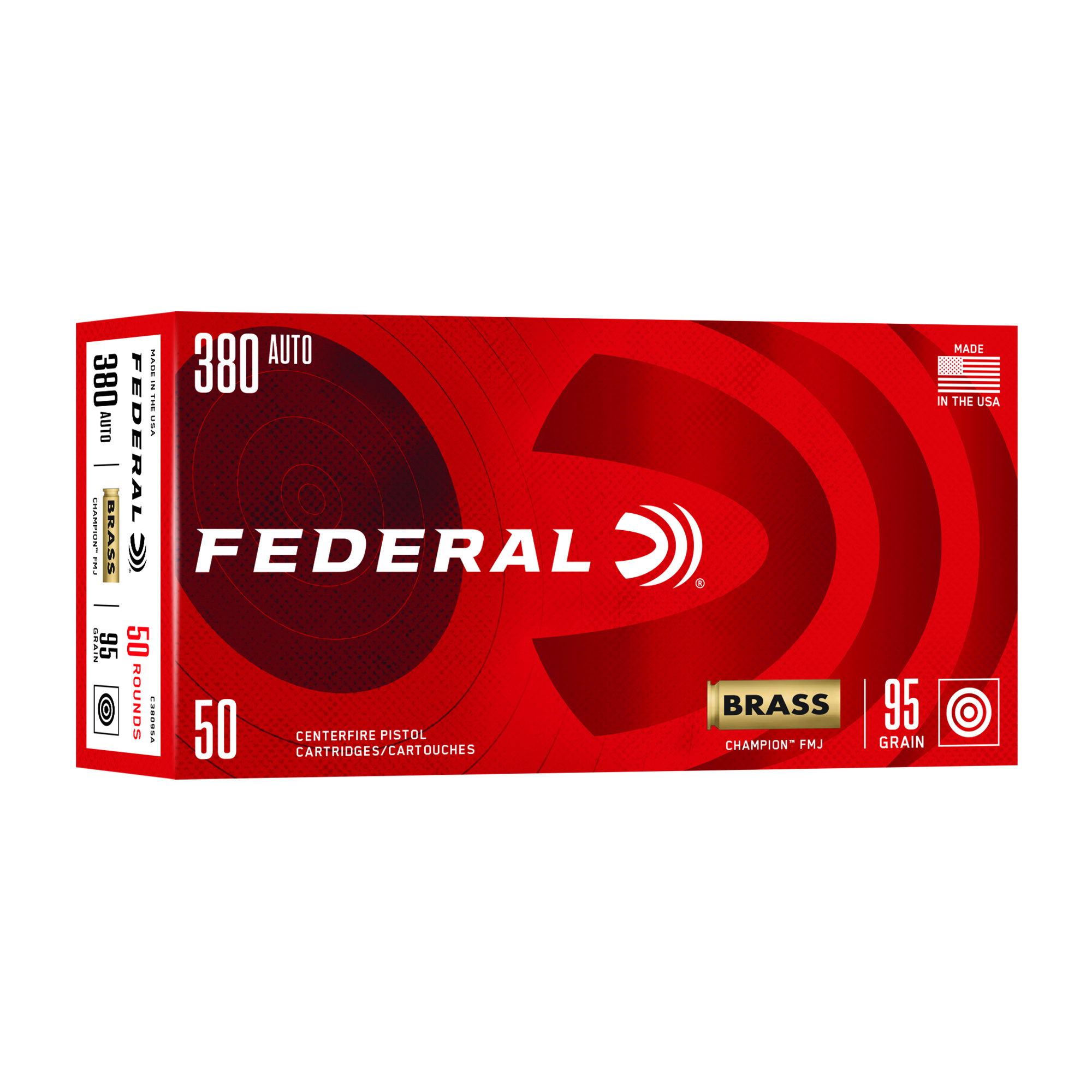
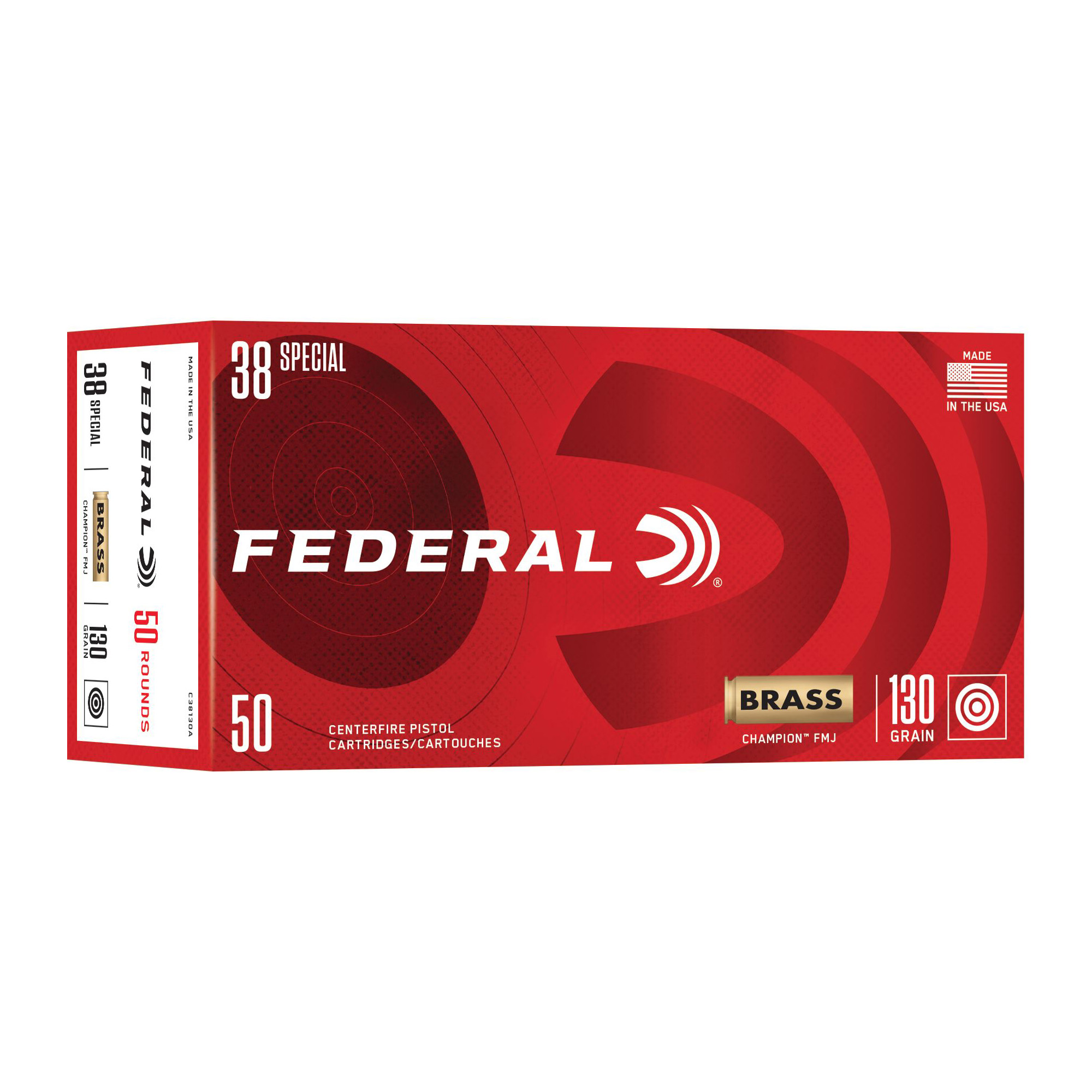
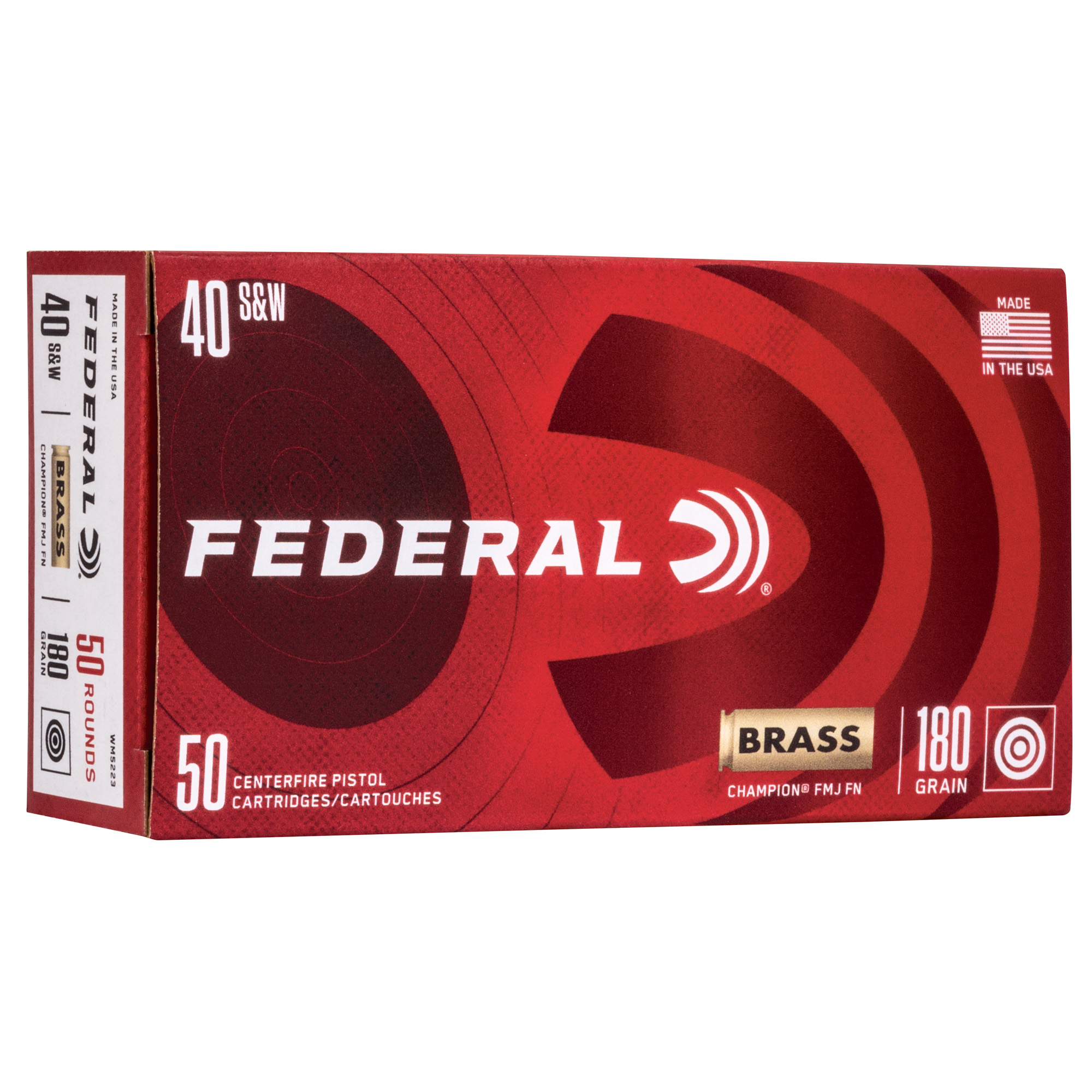
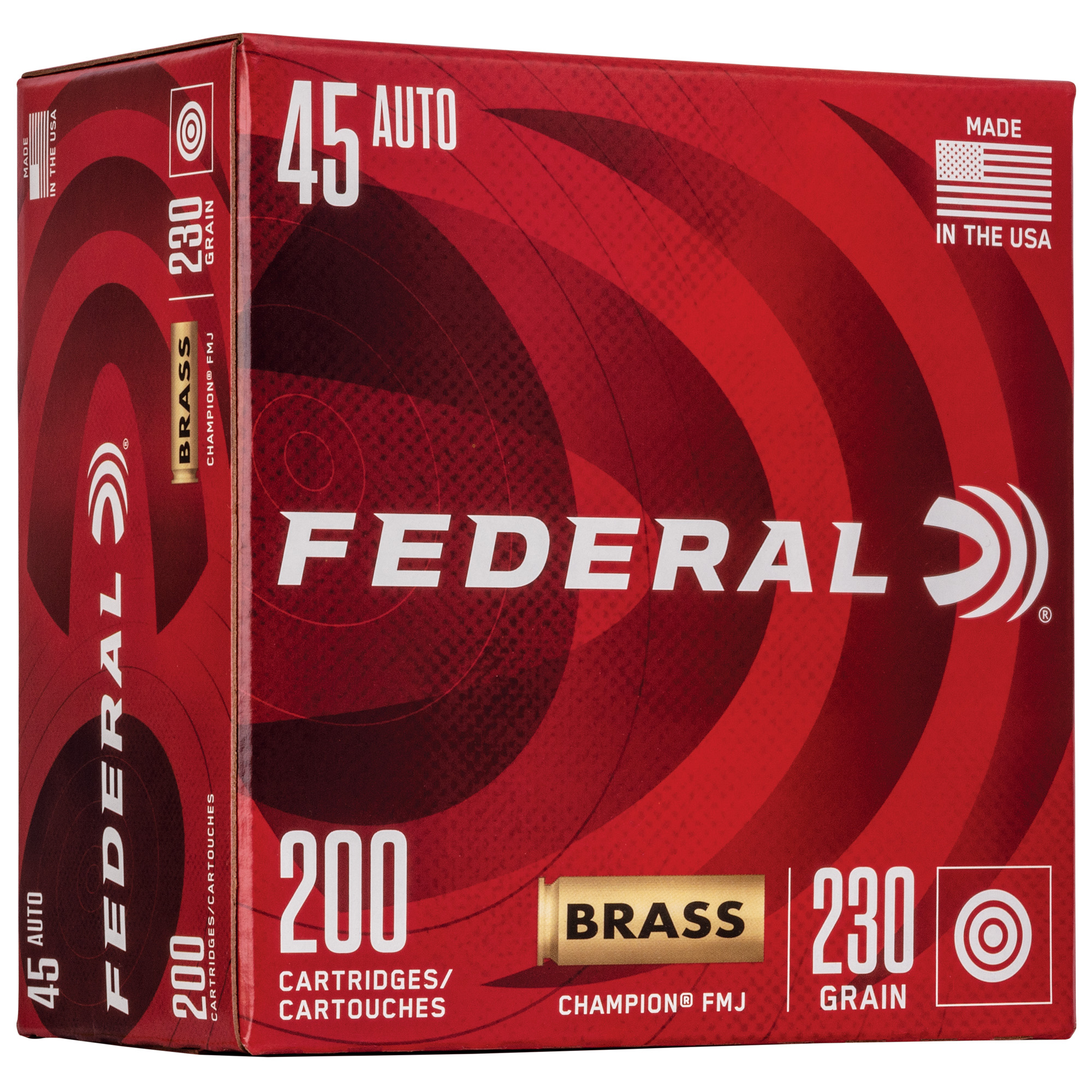
For handgun practice, buyers often start with common calibers such as 9mm ammo, .45 ACP ammo, .380 ACP ammo, .40 S&W ammo, and 10mm ammo. When comparing handgun practice rounds, pay close attention to the cartridge name, projectile type, grain weight, casing, primer notes when listed, box count, and total quantity.
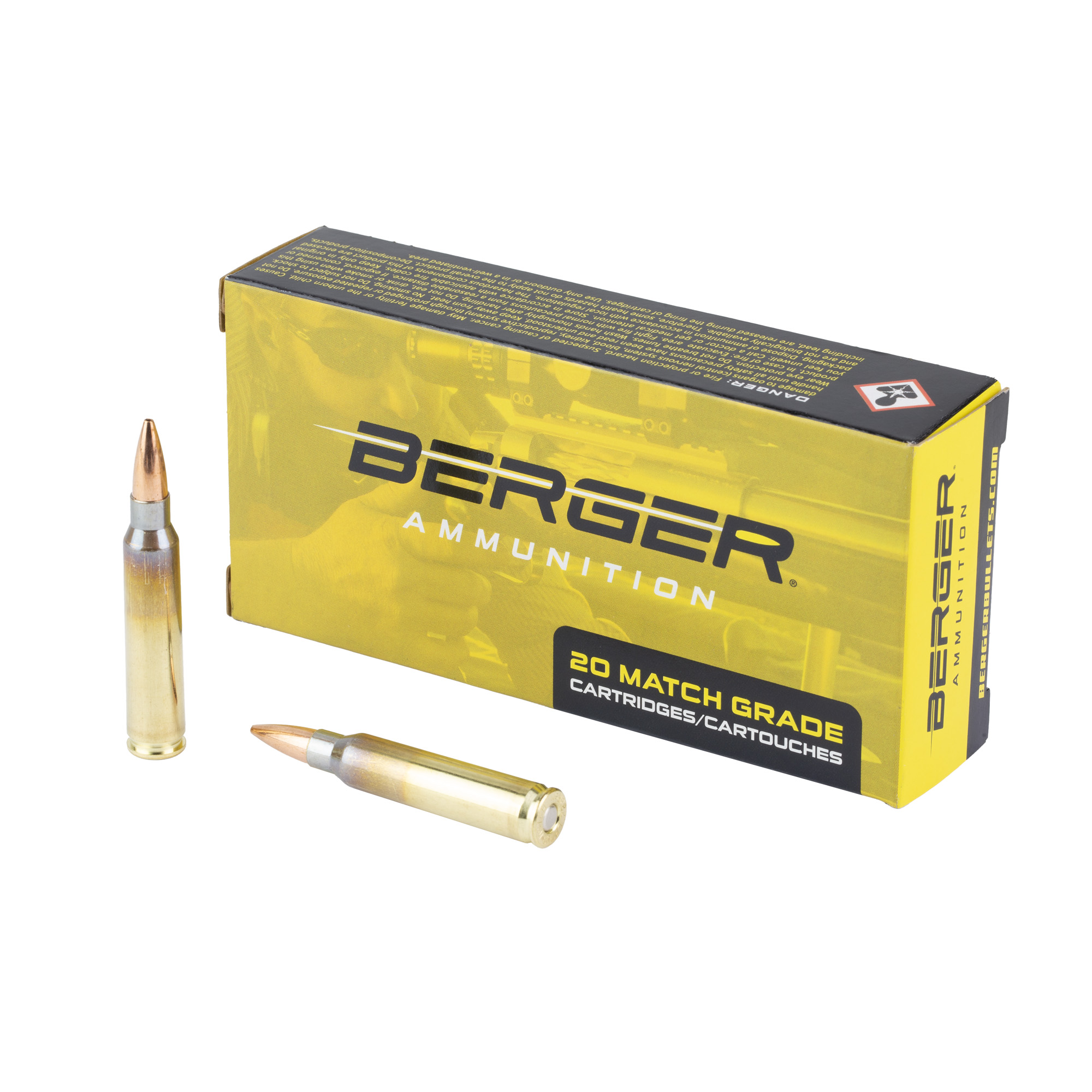
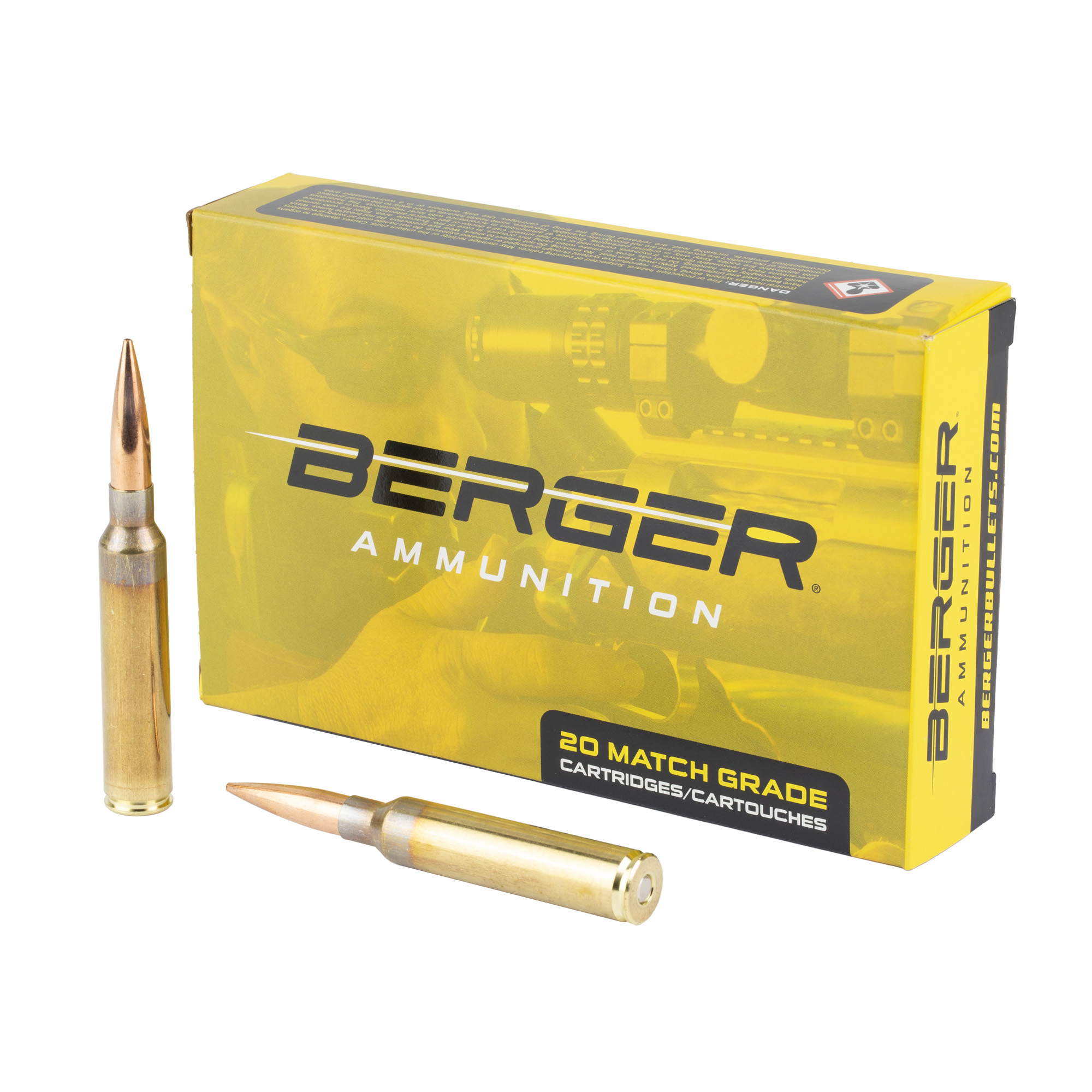
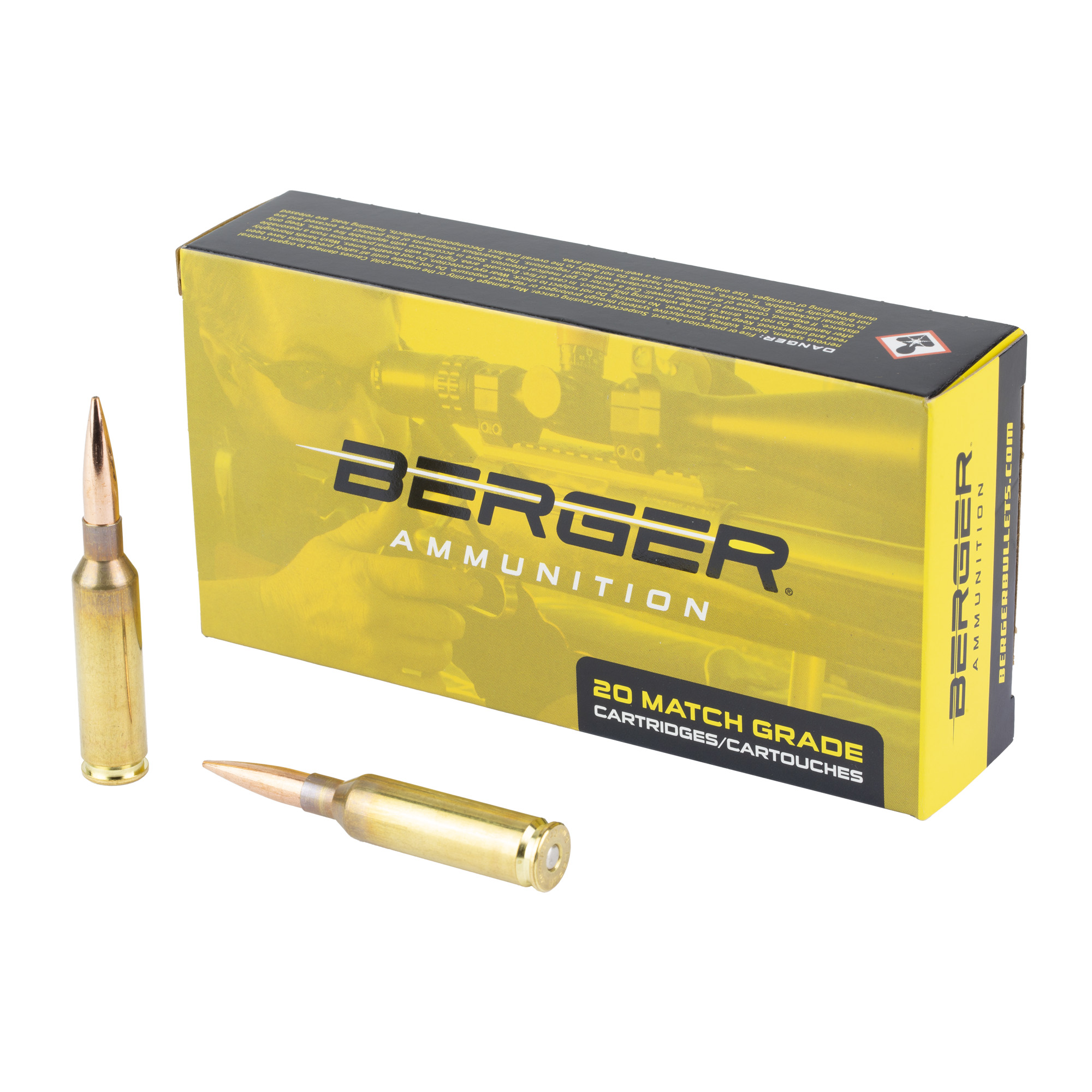
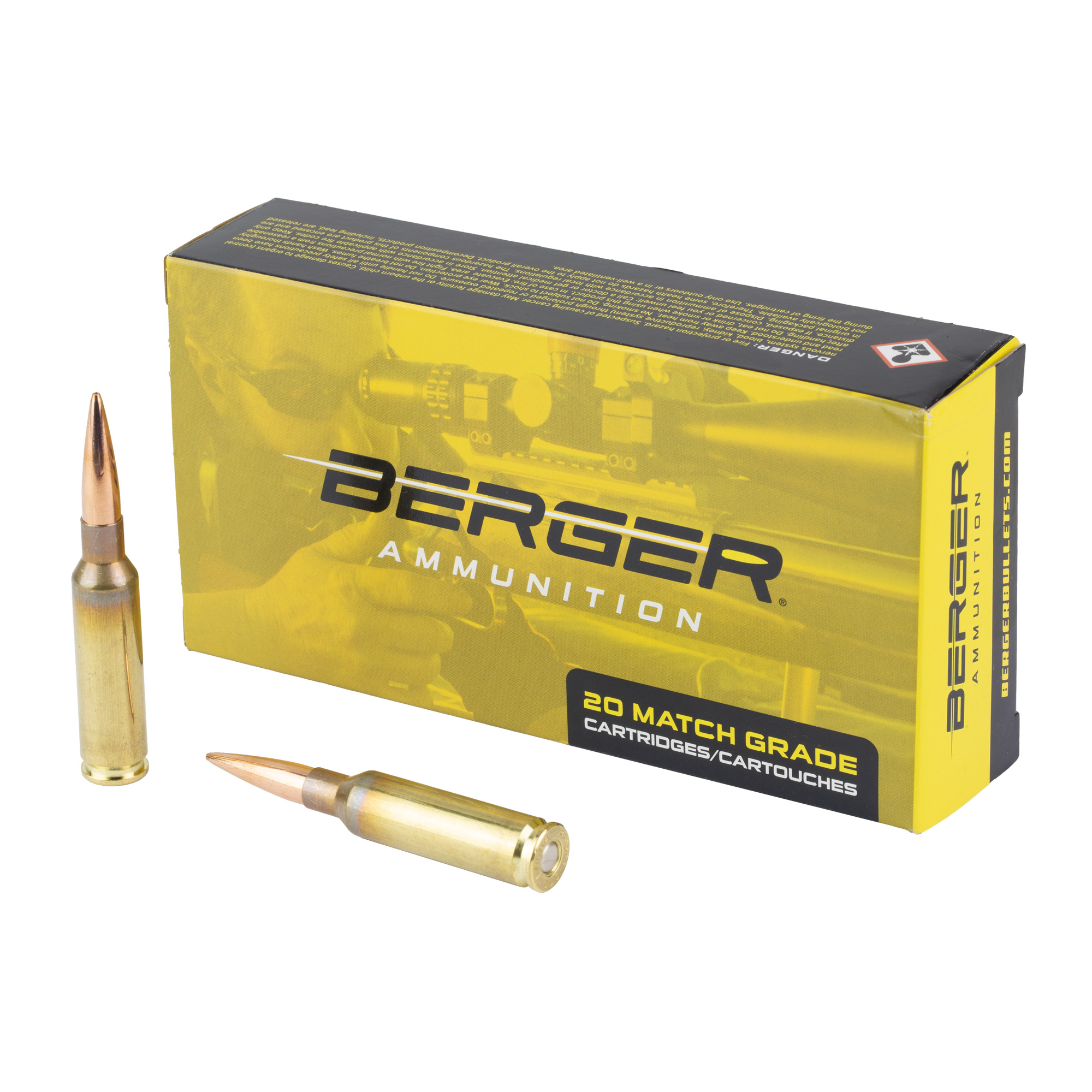
For rifle practice, start with the actual cartridge listed on the product page. Common bulk comparison points include .223 ammo, 5.56 ammo, .308 ammo, 7.62×51 NATO ammo, and .300 Blackout ammo. Rifle buyers should compare bullet weight, casing type, case quantity, and whether the listing describes a range, practice, target, training, or general-purpose load.
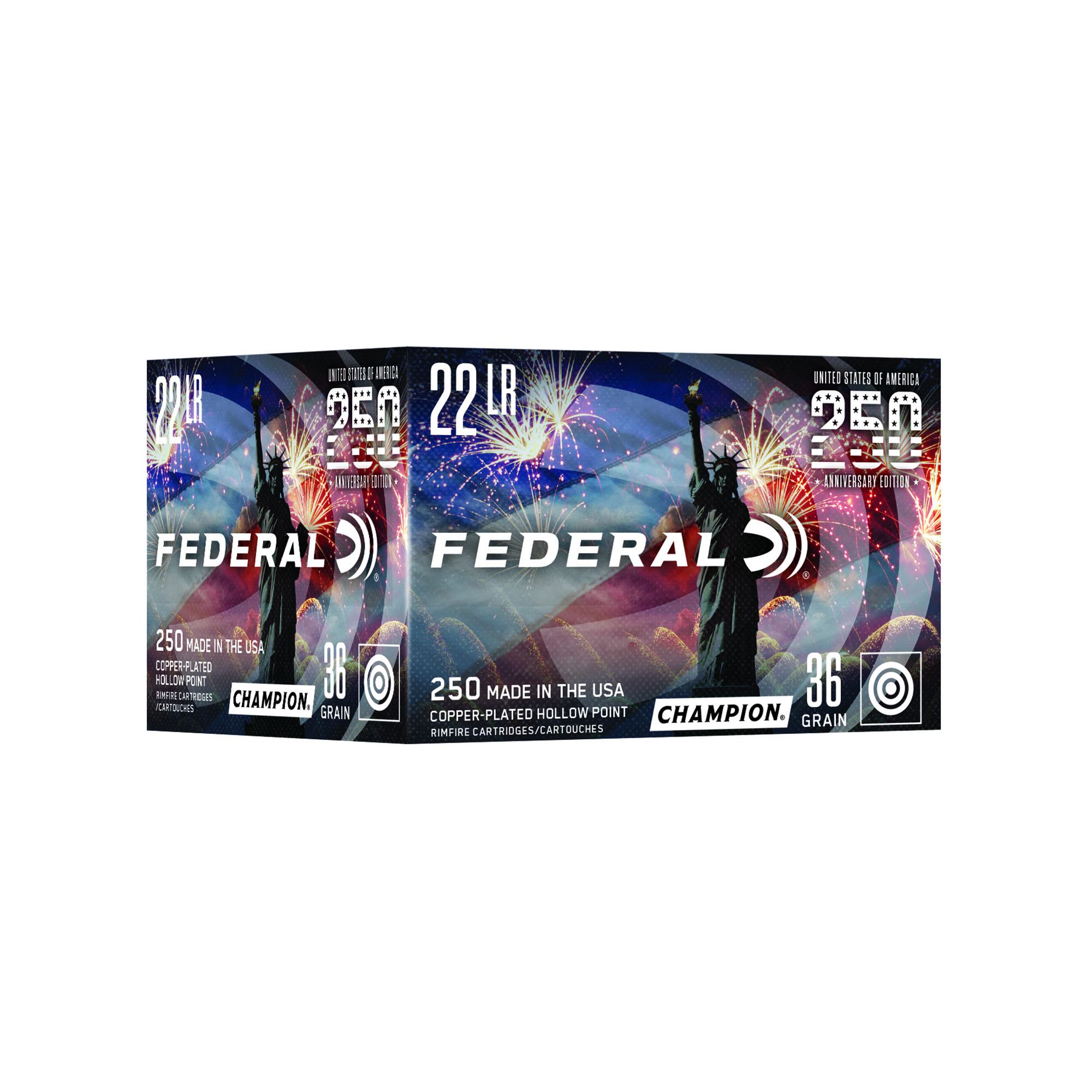
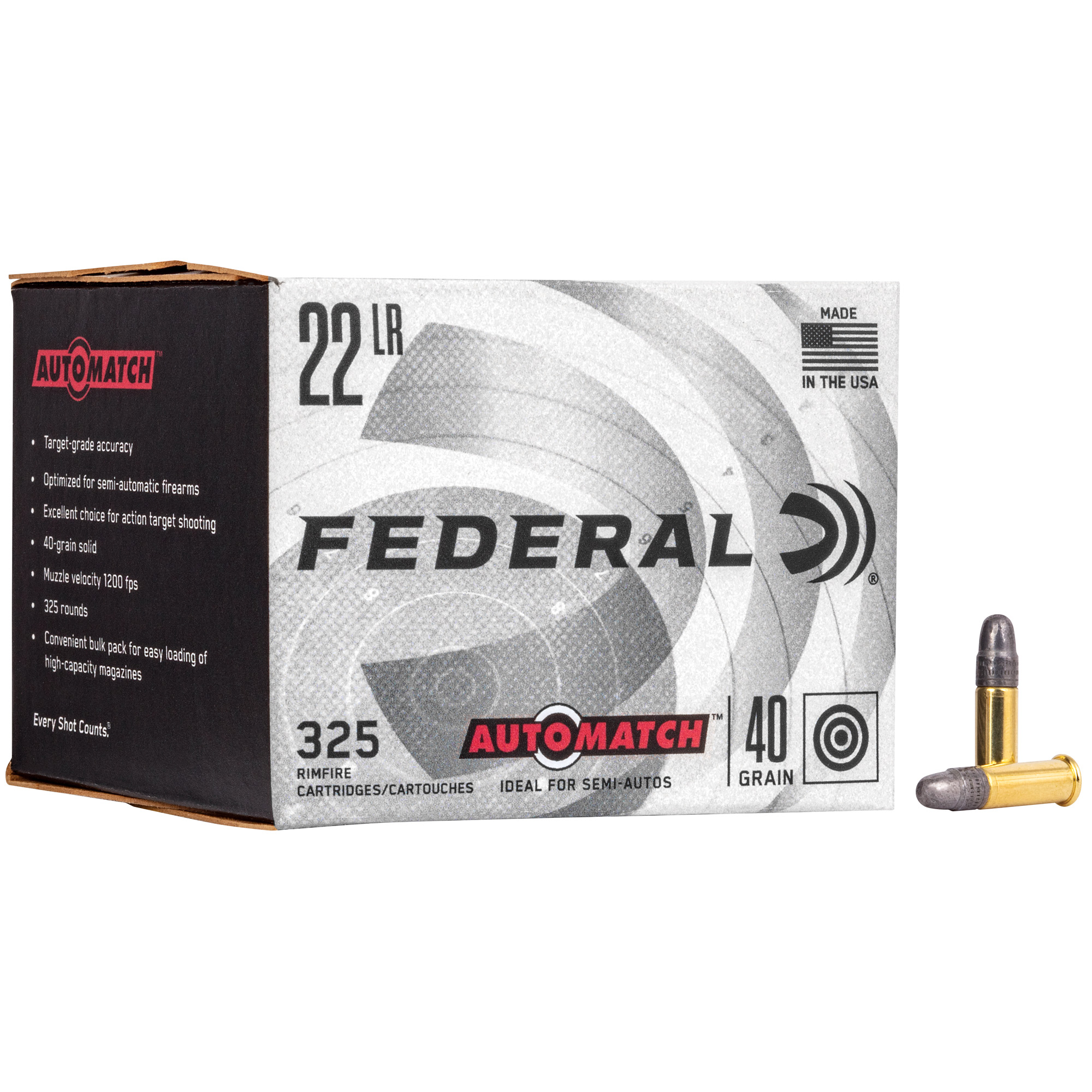
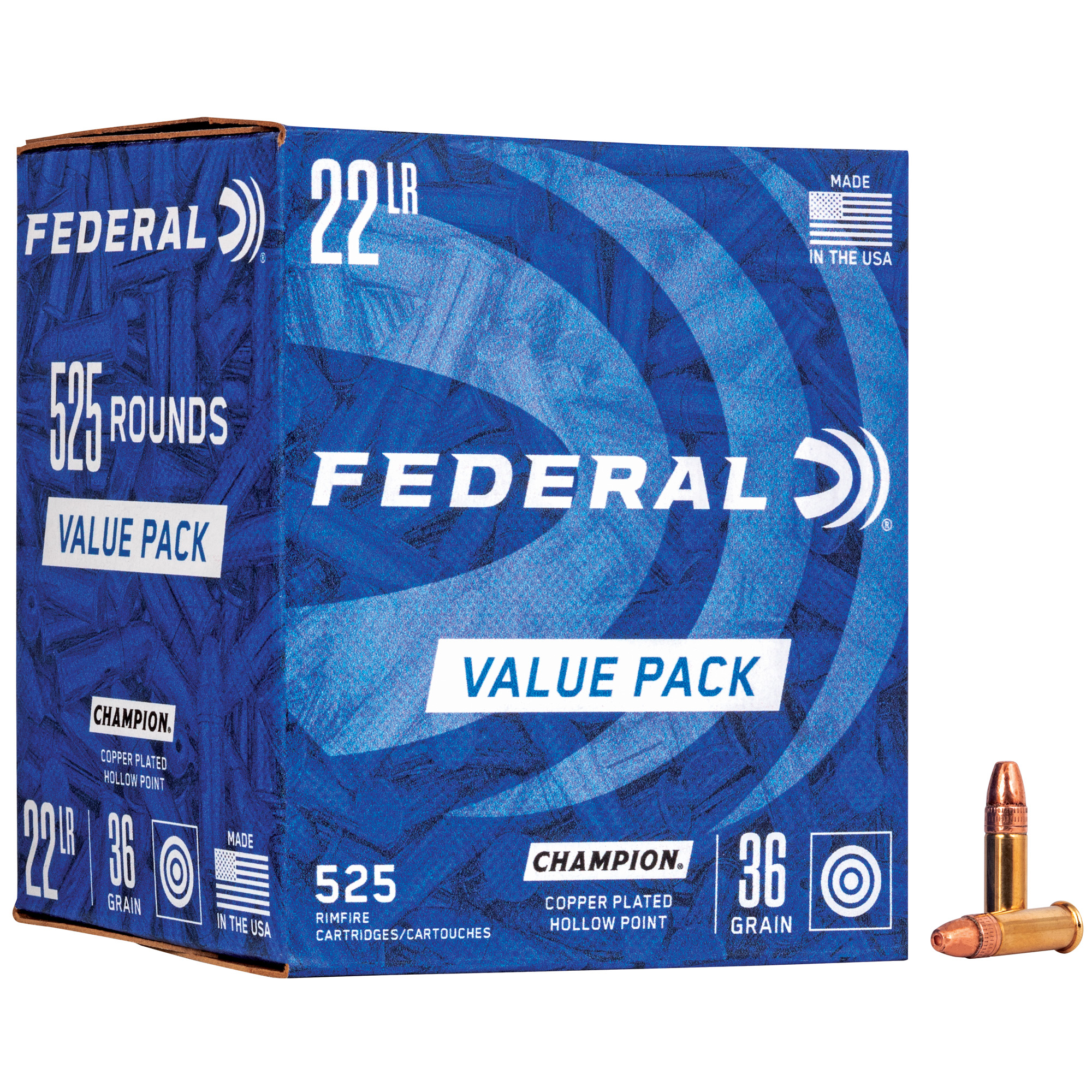
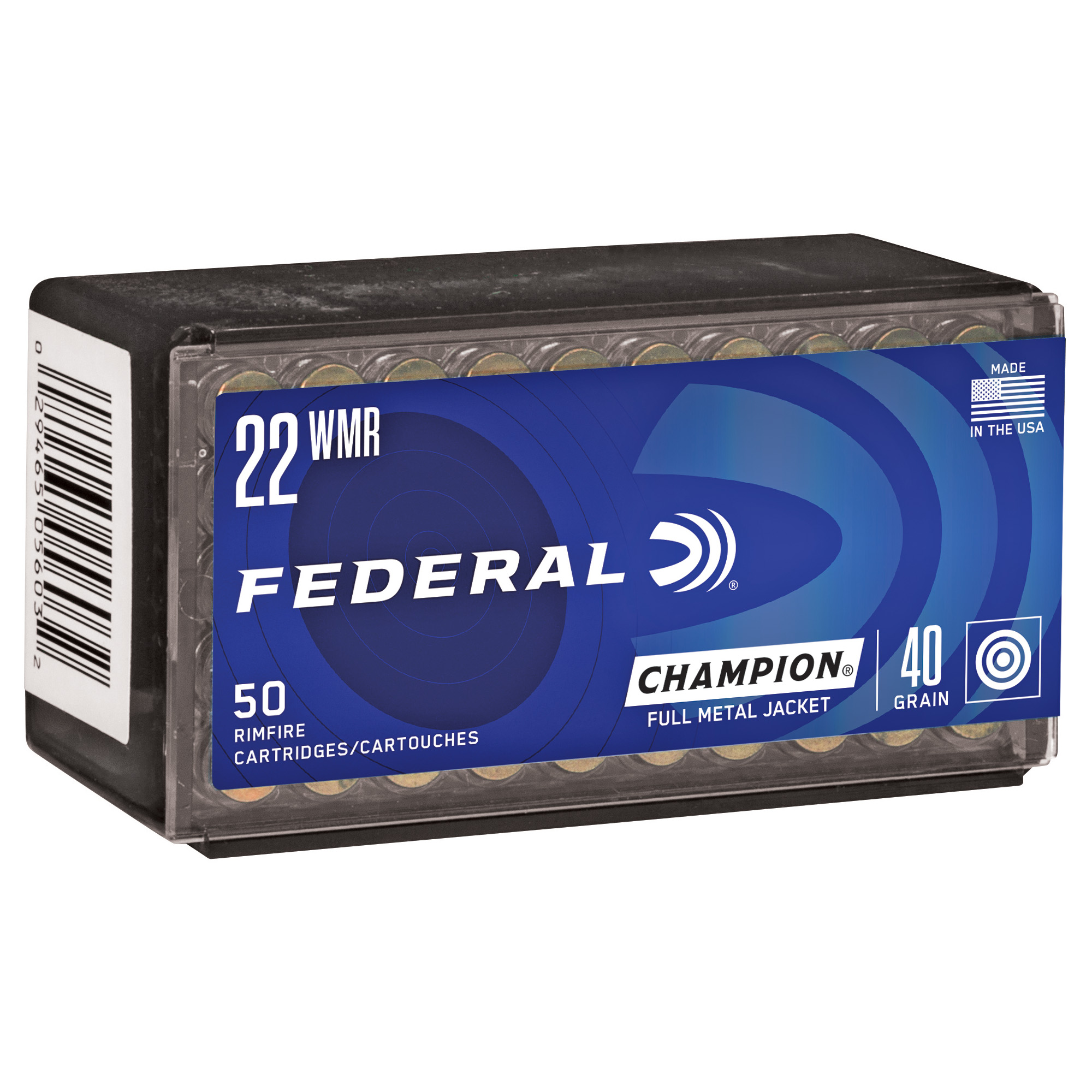
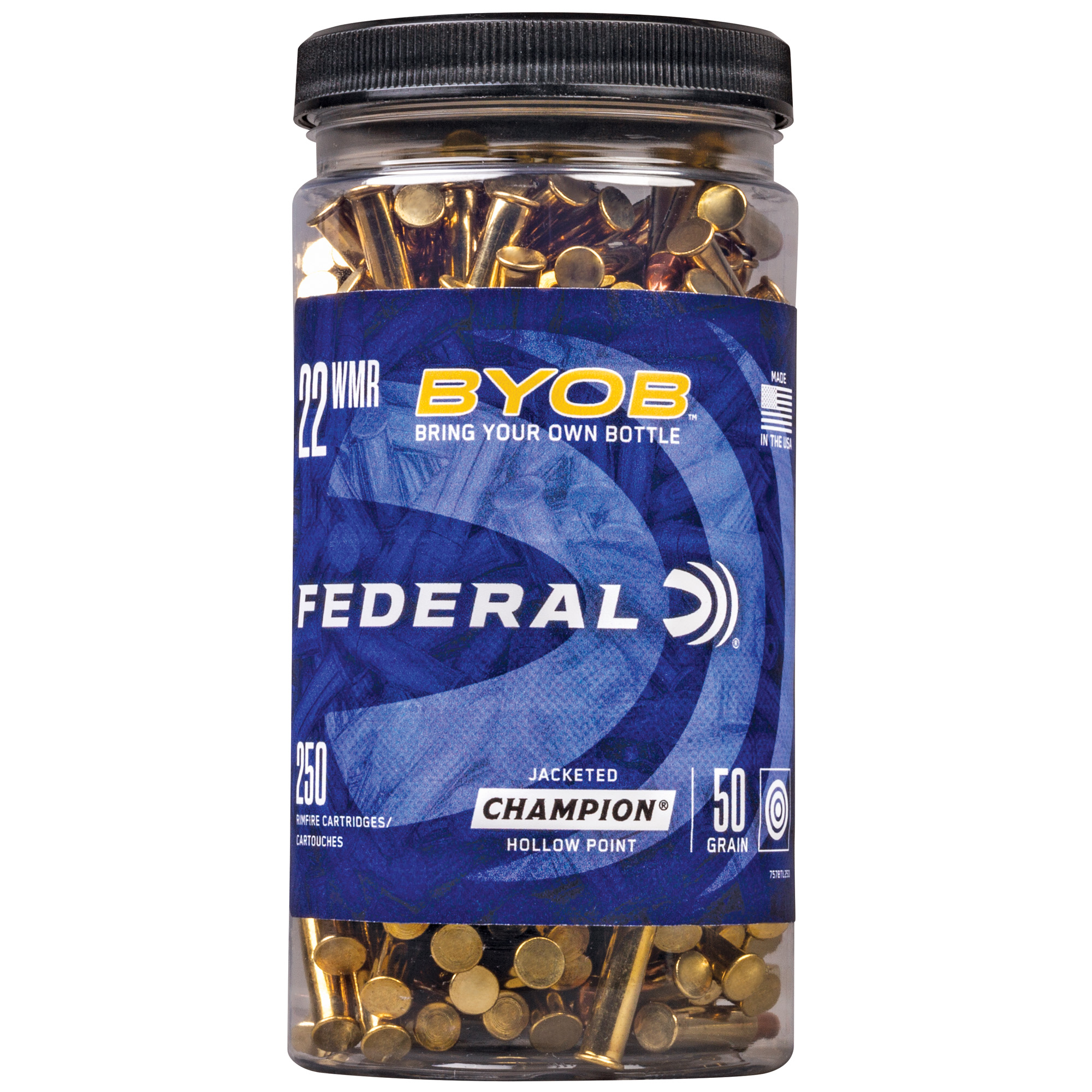
For rimfire practice, .22 LR ammo is one of the clearest target and practice fits because rimfire shoppers often compare high-volume quantities for repeat use. .22 WMR ammo and .17 HMR ammo can also belong in this shopping group when the product details support recreational target or practice use.
Shotgun Target And Practice Ammo Details To Review
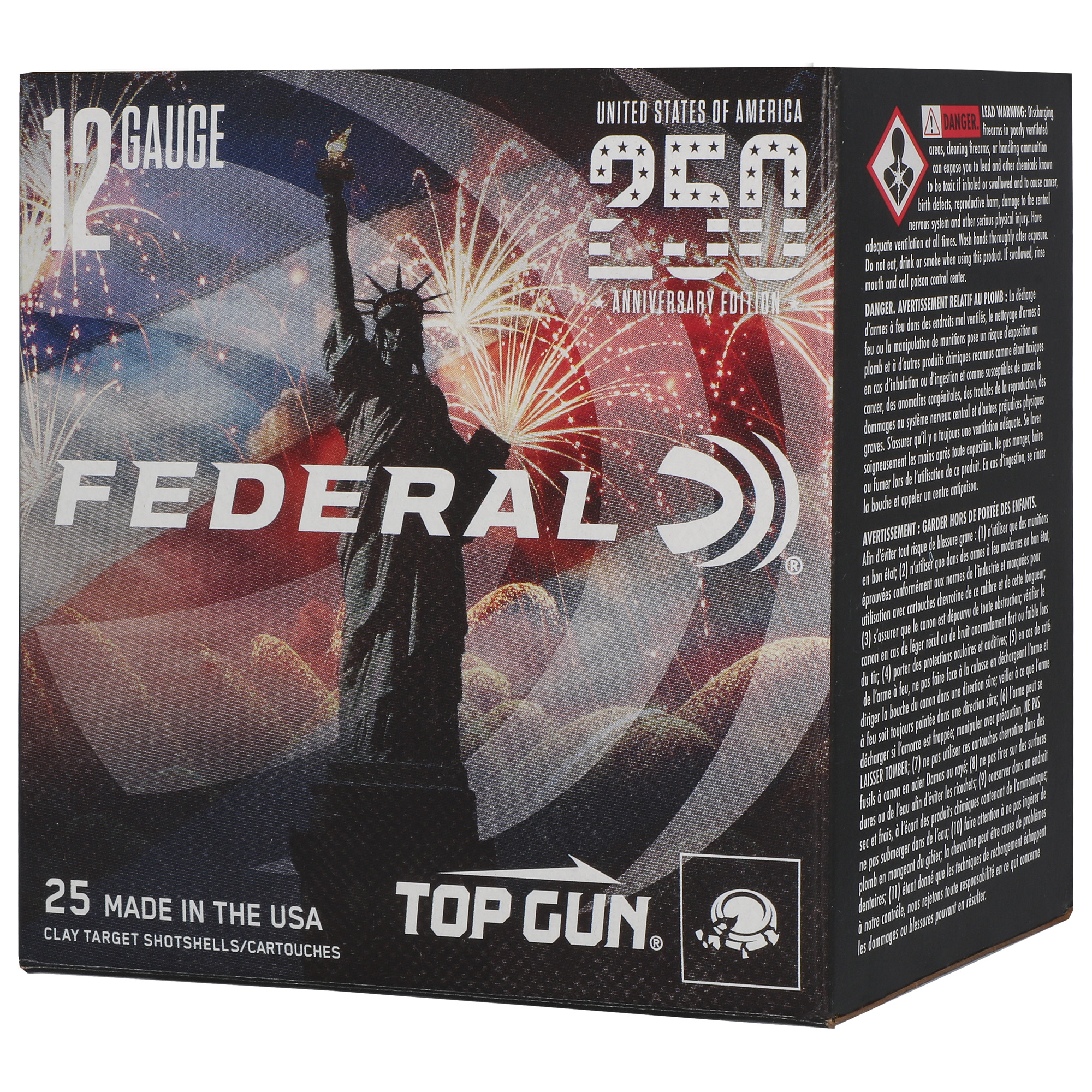
Shotgun target and practice shopping depends heavily on gauge, shell length, shot size, payload, box count, and case quantity. For many buyers, the starting point is 12 gauge ammo, 20 gauge ammo, or .410 bore ammo. A shotgun shell can look similar in a product grid but differ in gauge, length, shot size, load weight, and intended product wording, so the product title should always be checked before adding a case or flat to the cart.
For shotgun buyers comparing practice quantities, brands and product lines associated with bulk shotgun shopping may be useful starting points. Options listed with Estate, Rio, NobelSport, Fiocchi, Winchester, and Remington Ammunition should still be reviewed by exact gauge, shell length, shot size, and quantity before checkout.
Brands Commonly Used For Bulk Target And Practice Shopping
When buyers are ordering practice ammo in quantity, brand sorting can make comparison faster. Value-focused and bulk-associated brand pages such as American Eagle, Blazer, PMC, Sellier & Bellot, Magtech, Aguila, and CCI are useful places to compare product listings by caliber and quantity.
Brand pages should not replace product-level review. A brand may be connected with several calibers, ammo types, or product lines, but each order should still be checked by the exact product title. Confirm cartridge, projectile, casing, box count, total rounds, and checkout notices before placing the order.
What Should Buyers Compare Before Ordering Target And Practice Ammo?
Before ordering target and practice ammo, compare the exact caliber, gauge, or bore first. Then review projectile type, grain weight, casing type, box count, case quantity, total round count, price per round, and checkout shipping details. Product titles and product attributes matter because two listings can share the same caliber while having different load styles, quantities, or casing details.
Which Calibers Commonly Fit Target And Practice Ammo Shopping?
Common target and practice shopping often includes 9mm, .45 ACP, .380 ACP, .40 S&W, 10mm, .223, 5.56, .308, 7.62×51 NATO, .22 LR, .22 WMR, .17 HMR, 12 gauge, 20 gauge, and .410 bore. The best fit still depends on the product listing, the cartridge or gauge required, and the load details shown before checkout.
How Do Buyers Compare Target Loads By Quantity?
Quantity comparison starts with the box count and total round count. Some listings may be sold by the box, while others may be listed by case quantity, bulk quantity, or multi-box packaging. Compare the full quantity, price per round when available, casing type, and shipping eligibility before deciding which option fits the order.
Should I Choose Handgun, Rifle, Rimfire, Or Shotgun Practice Ammo First?
Choose the ammo type first when you already know what you are shopping for. Handgun buyers can start with common pistol and revolver calibers, rifle buyers can start with the exact rifle cartridge, rimfire buyers can compare .22 LR and related rimfire options, and shotgun buyers should start with gauge or bore. From there, compare the load and quantity details in the product listing.
What Product Details Should I Review Before Checkout?
Review the cartridge or gauge, bullet or shot description, casing type, grain weight or shell details, box count, case quantity, total round count, destination eligibility, and checkout notices. Do not rely on the tag name alone. The final product listing should confirm that the ammunition matches the order you intend to place.