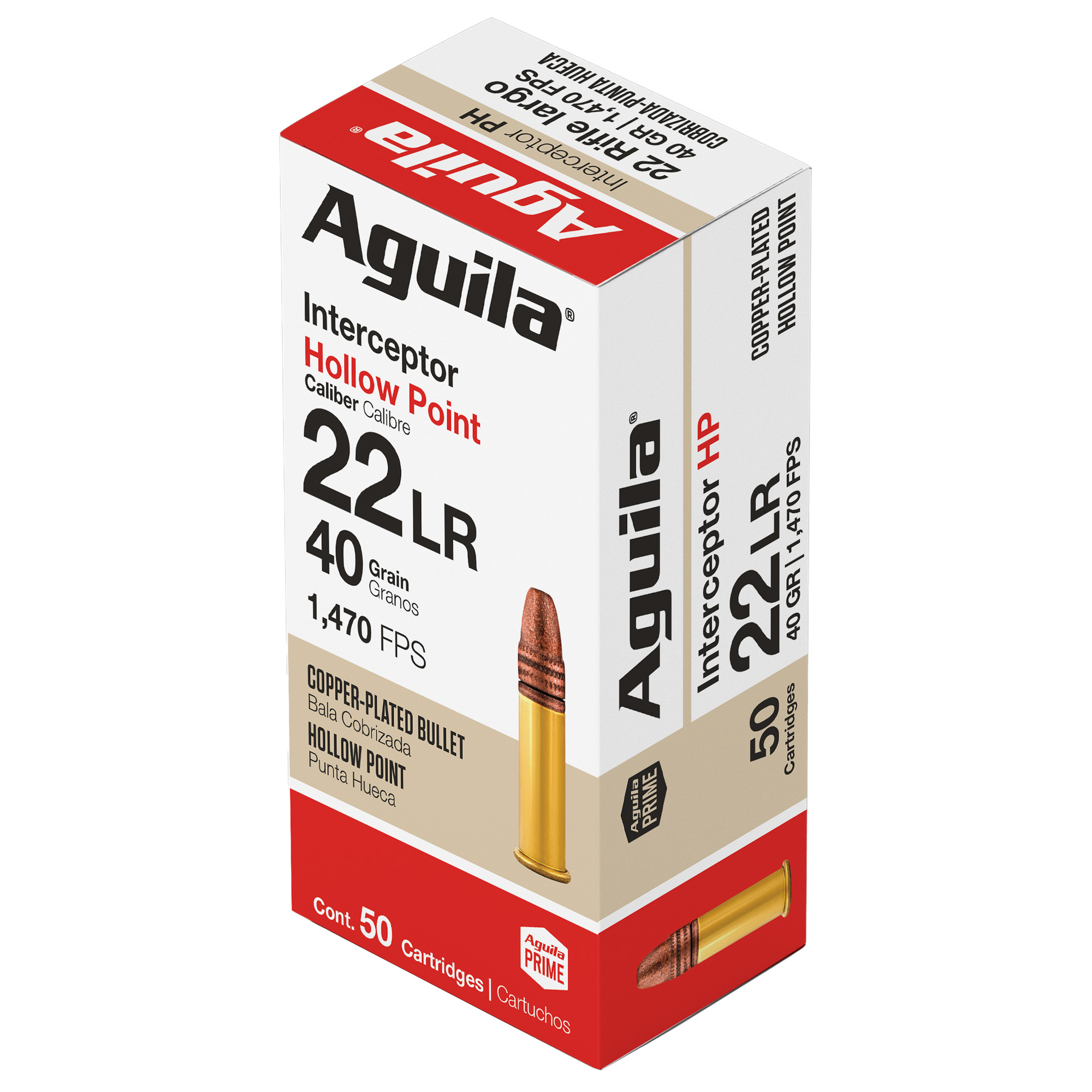
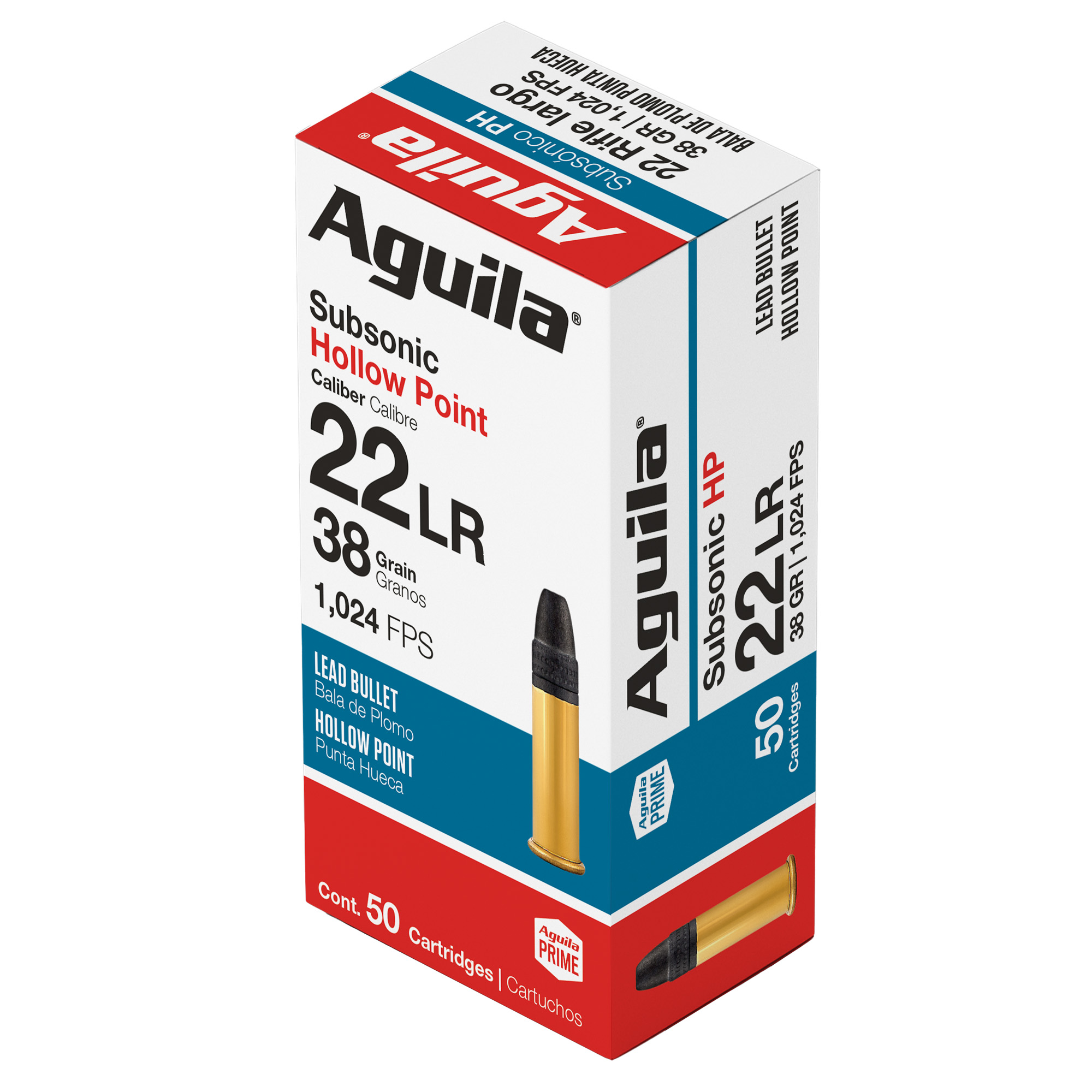
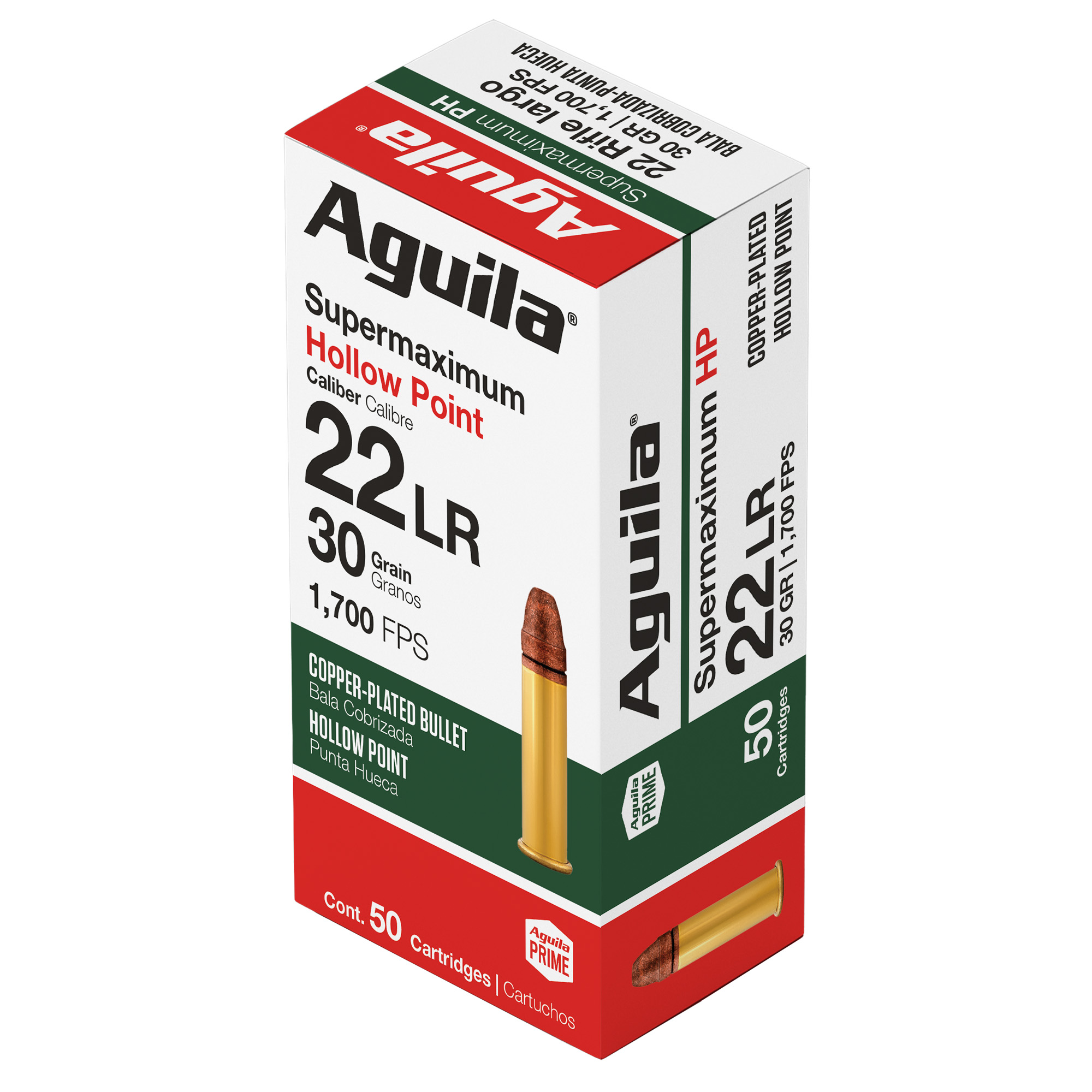
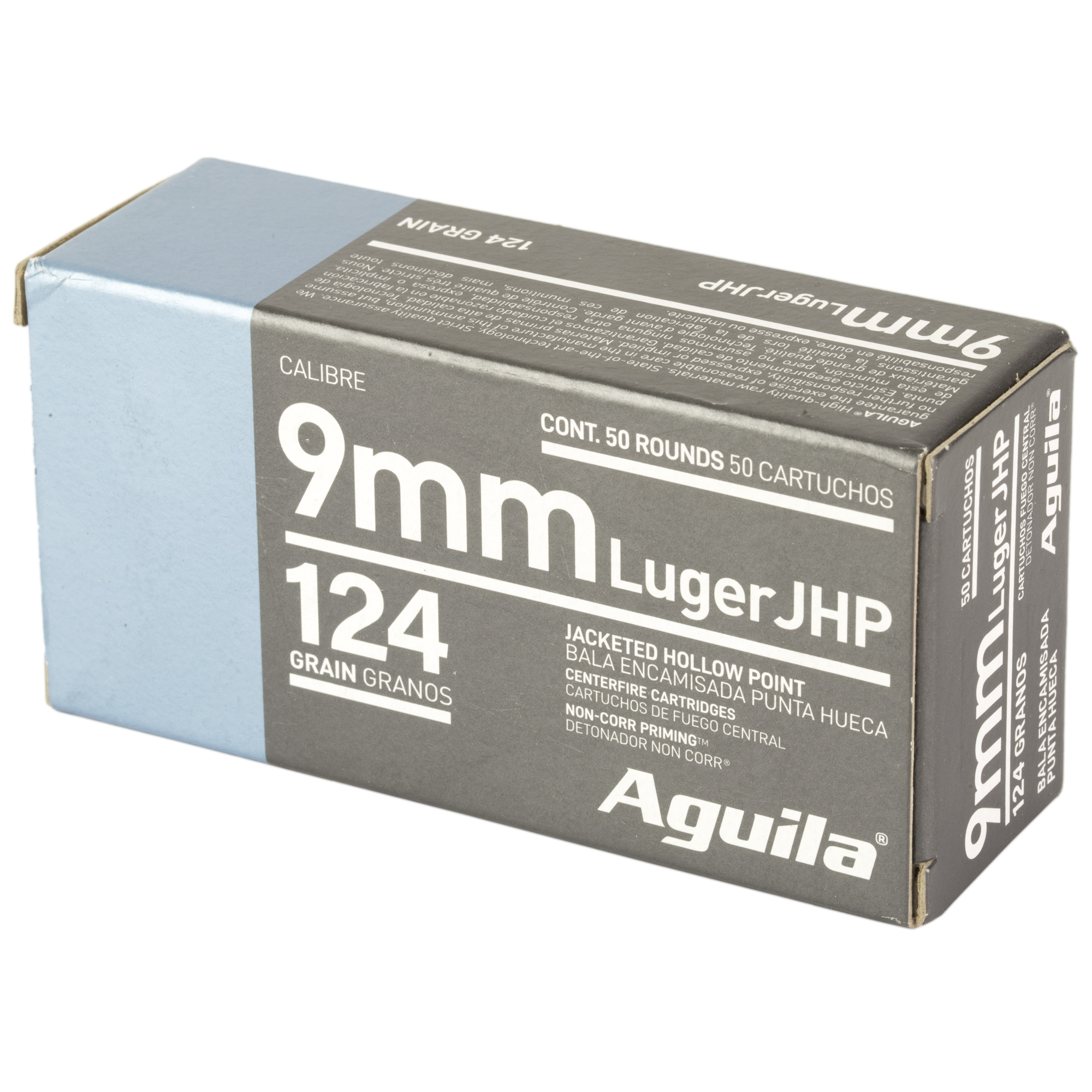
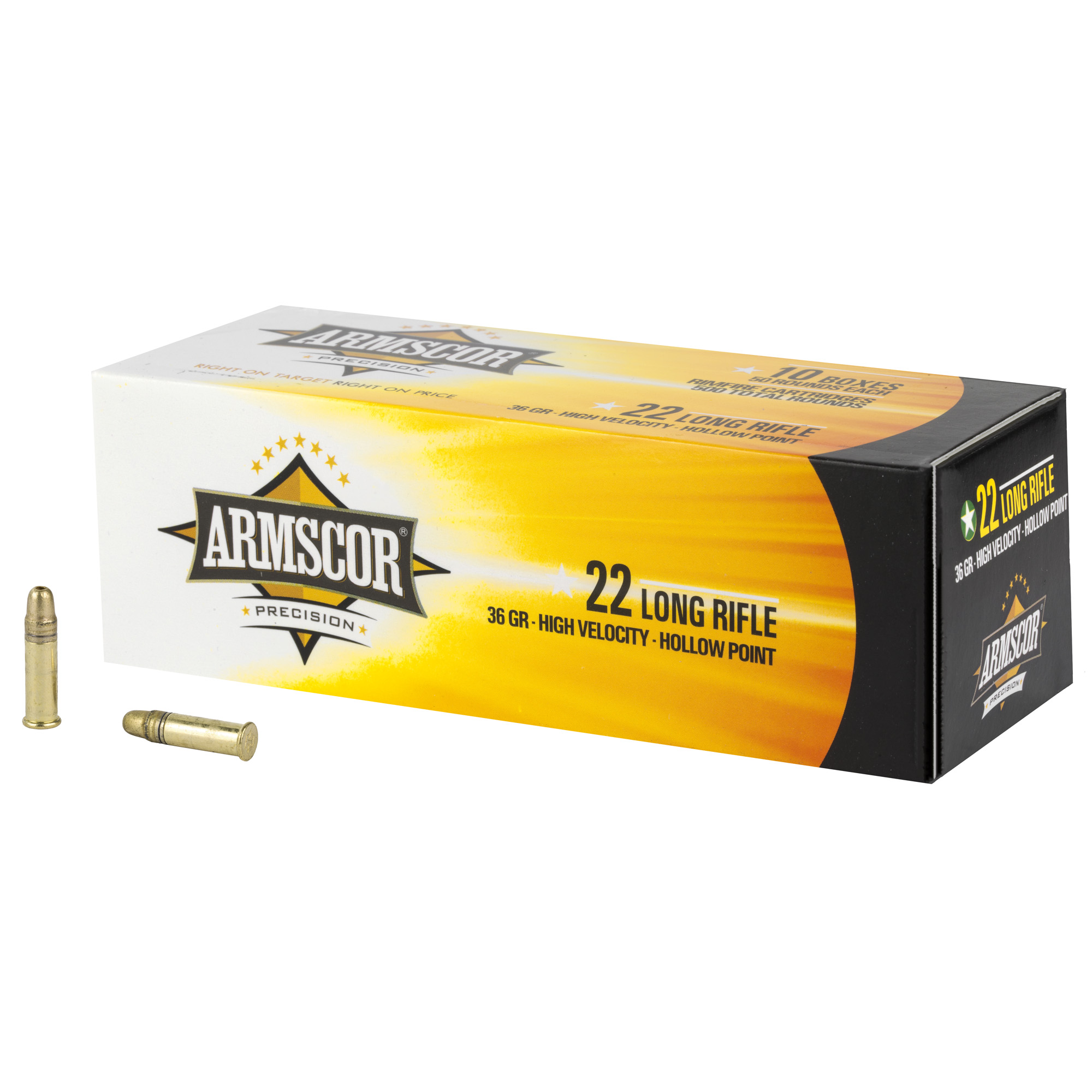
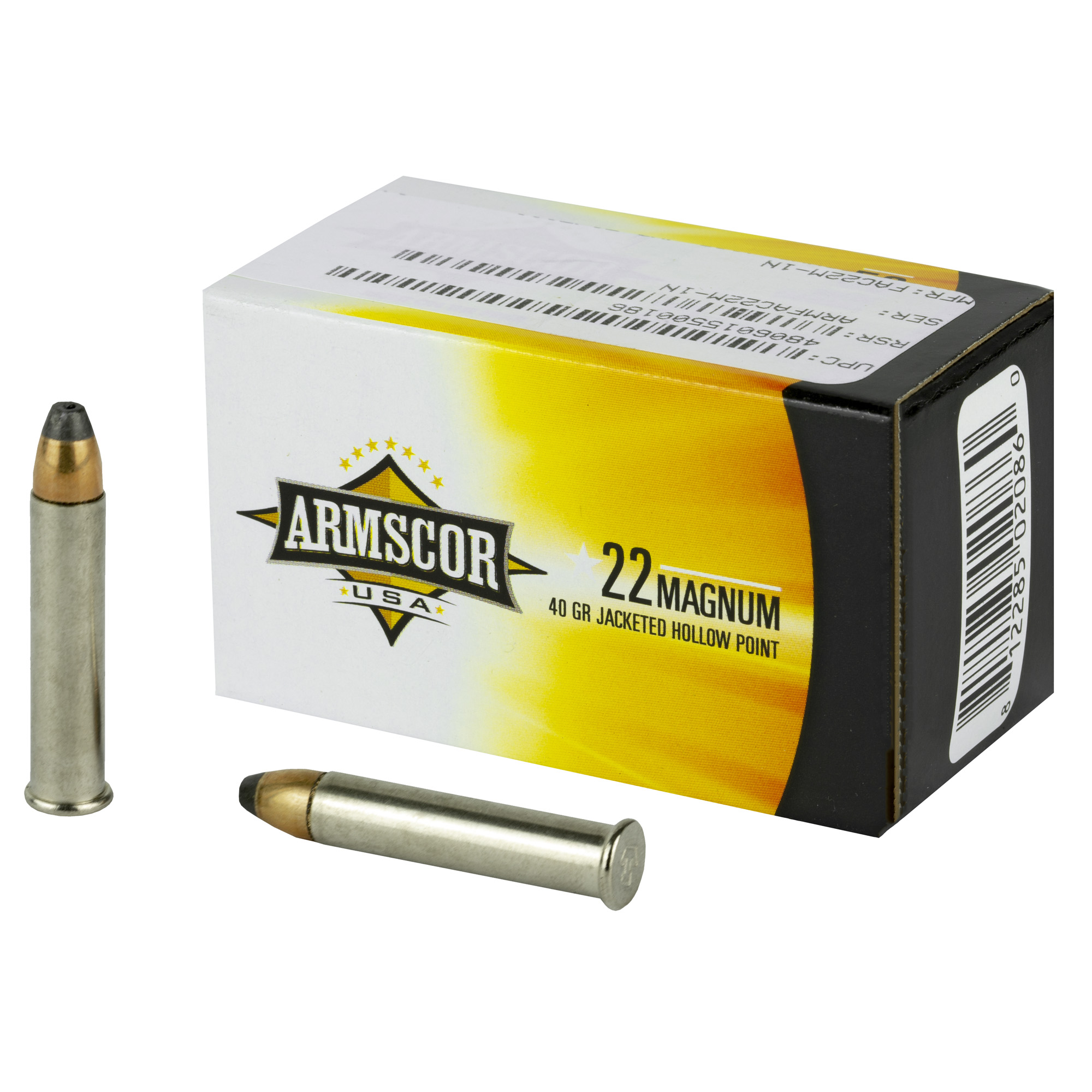
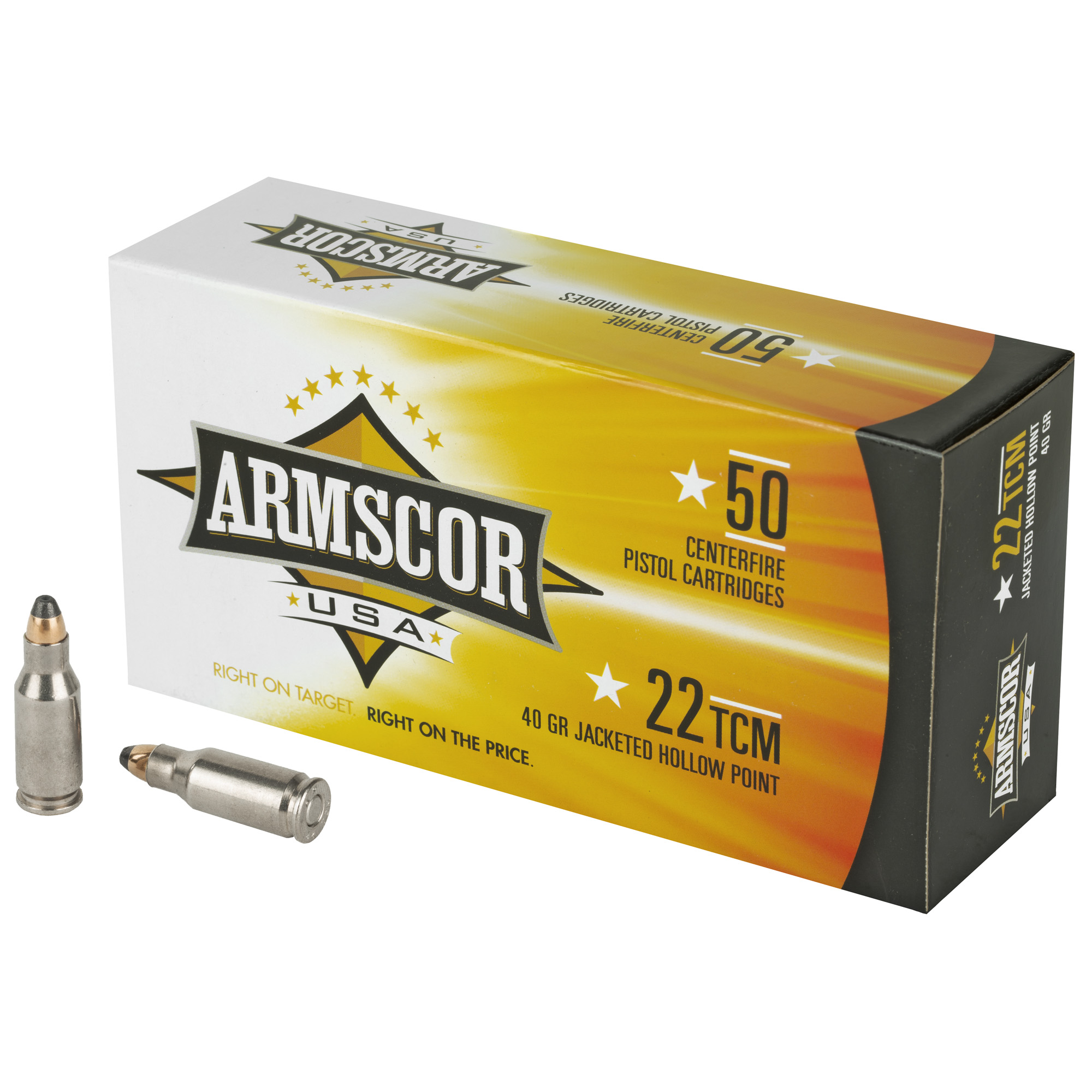
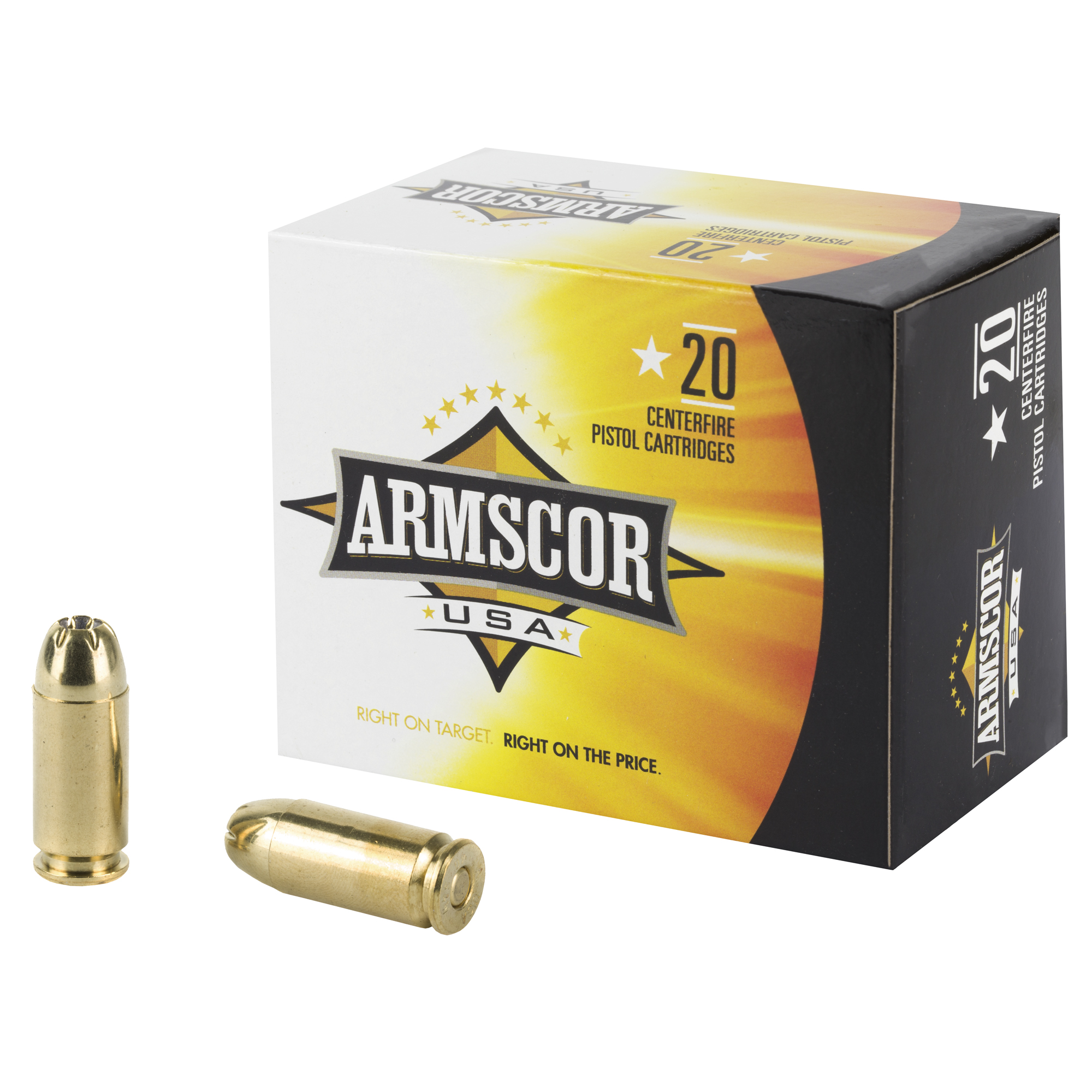
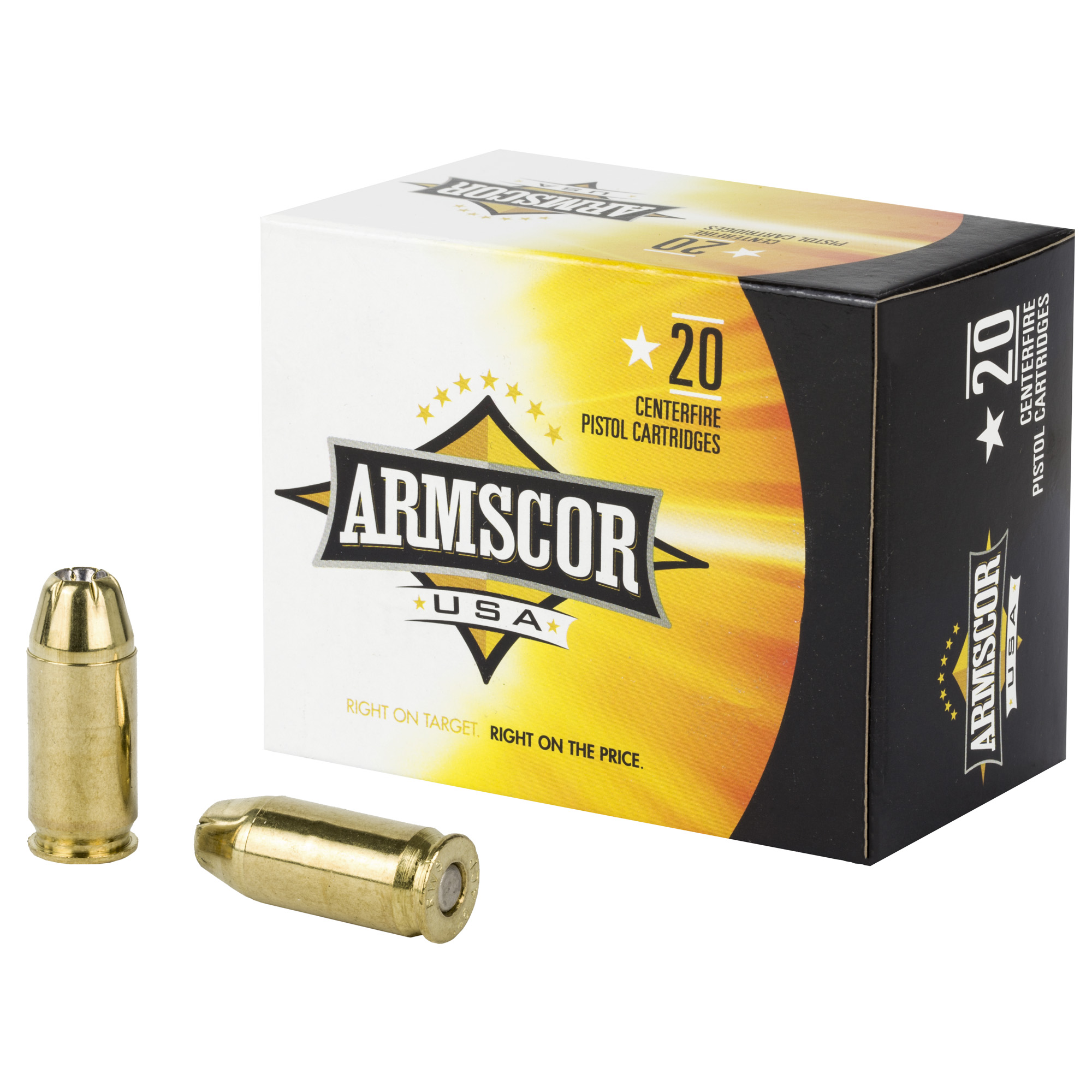
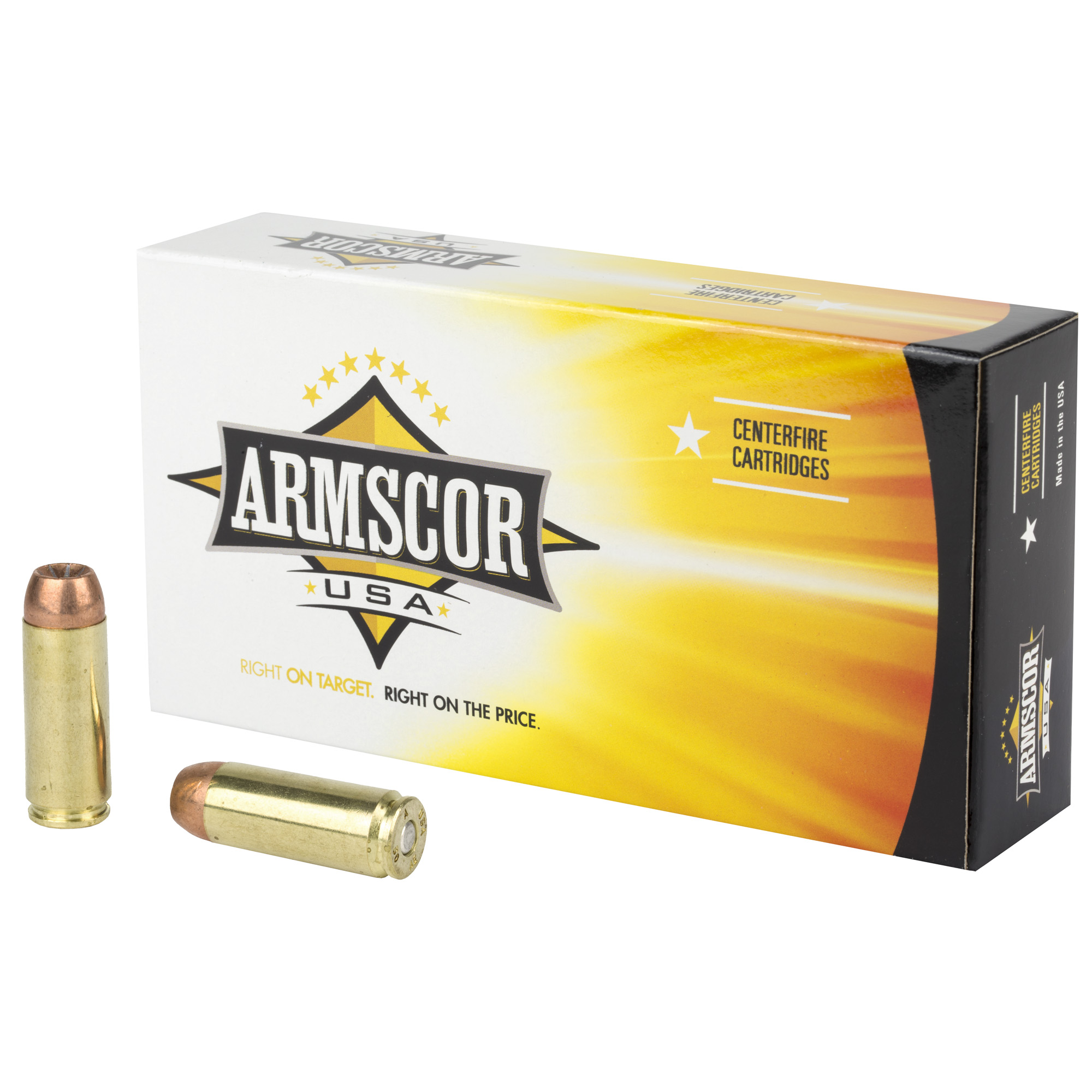
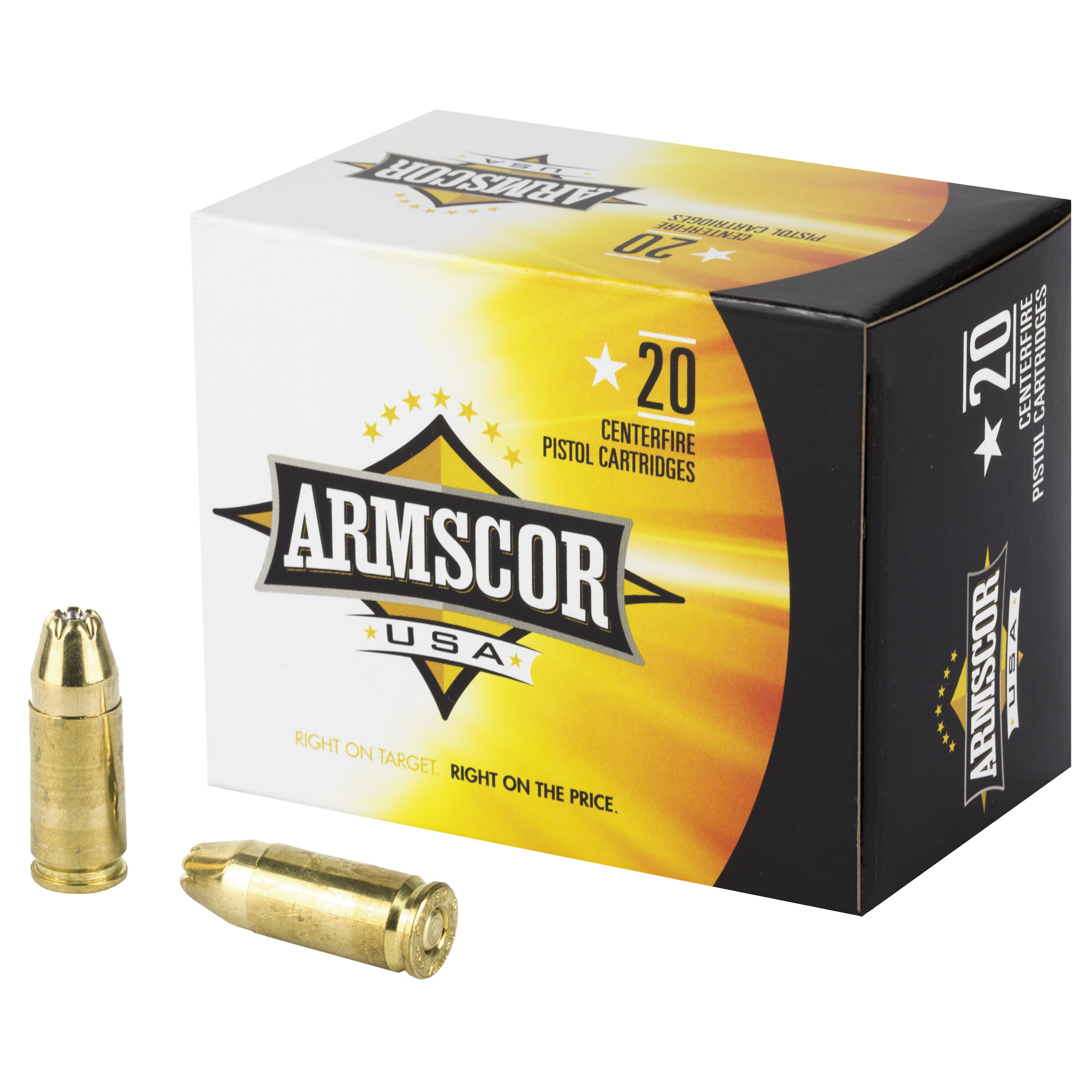
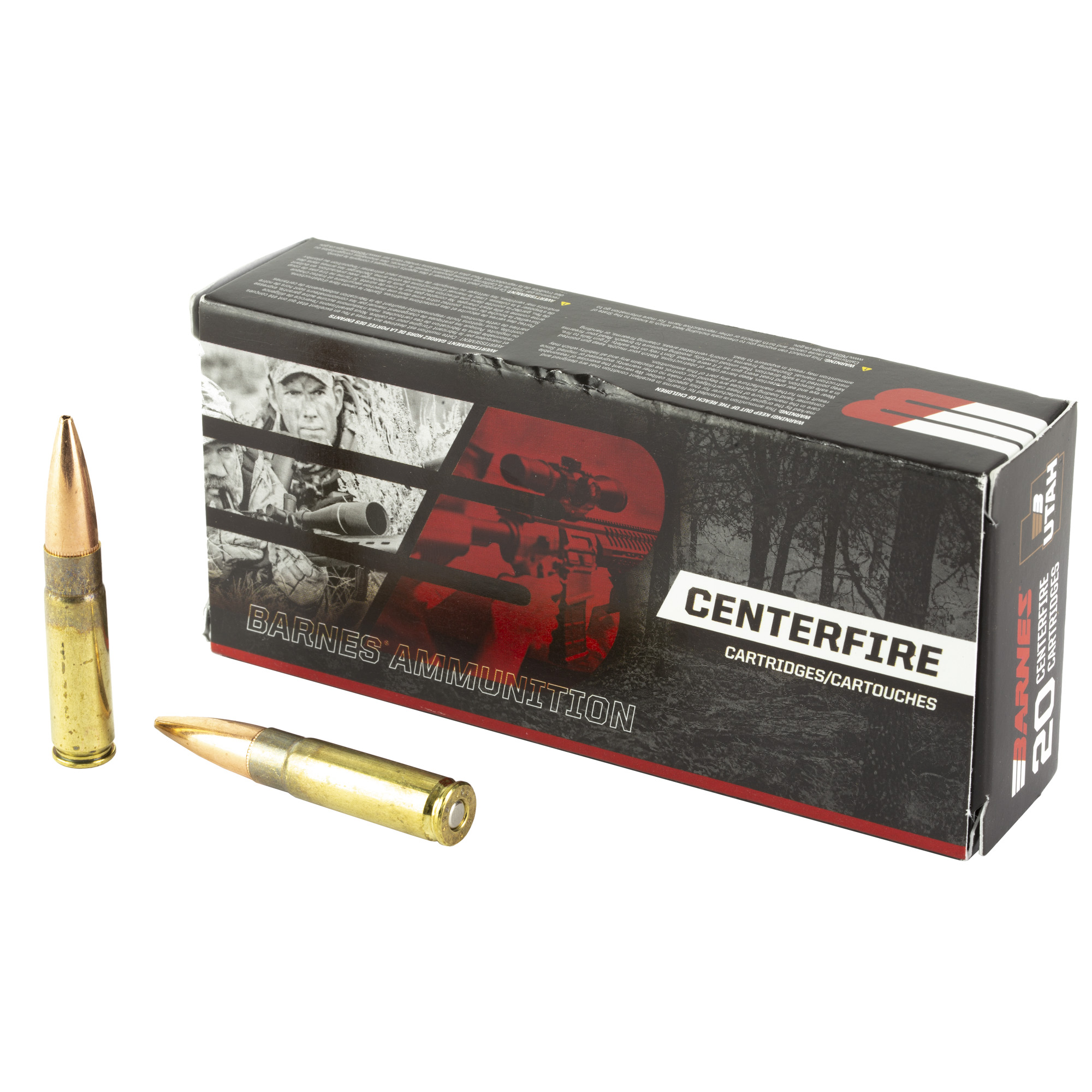
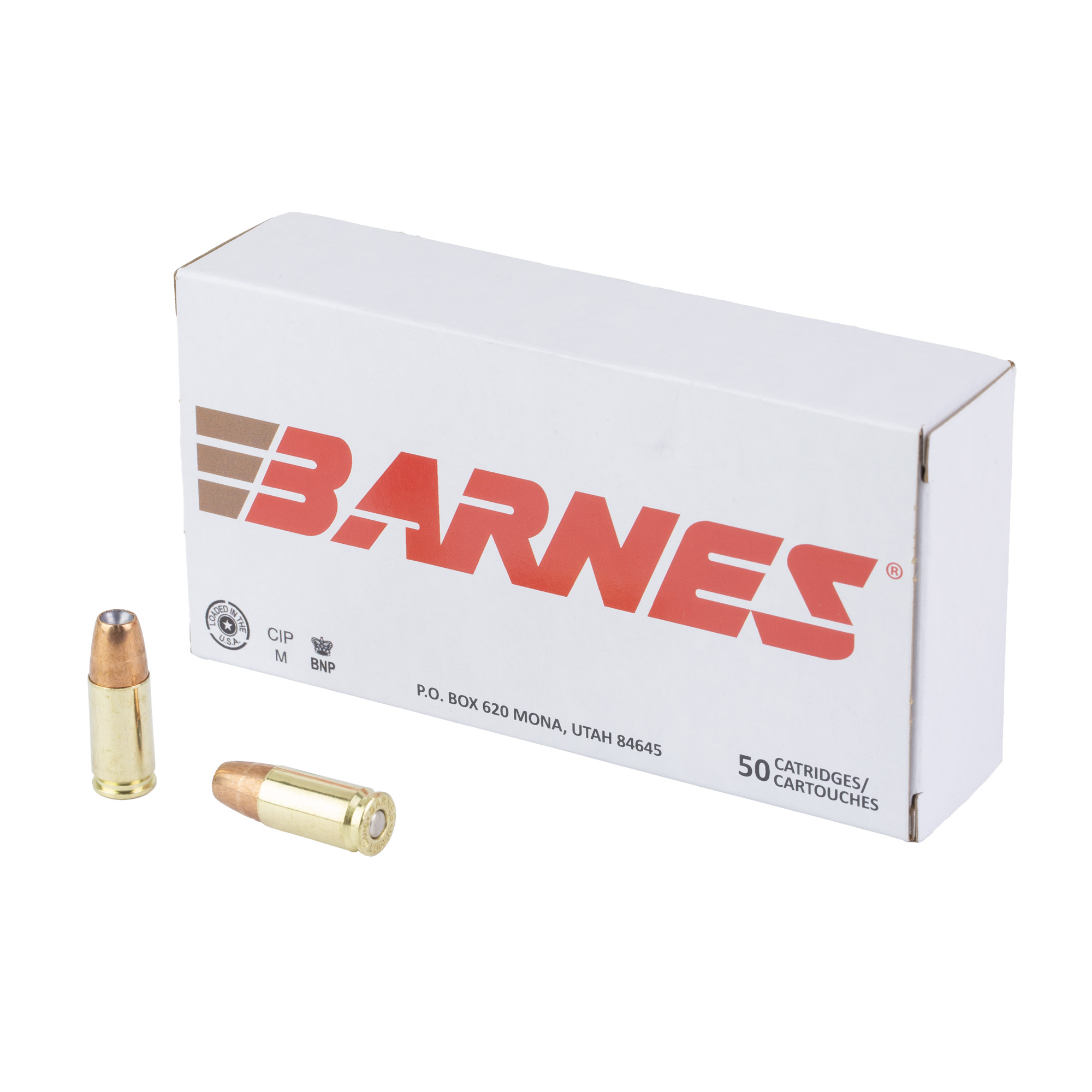
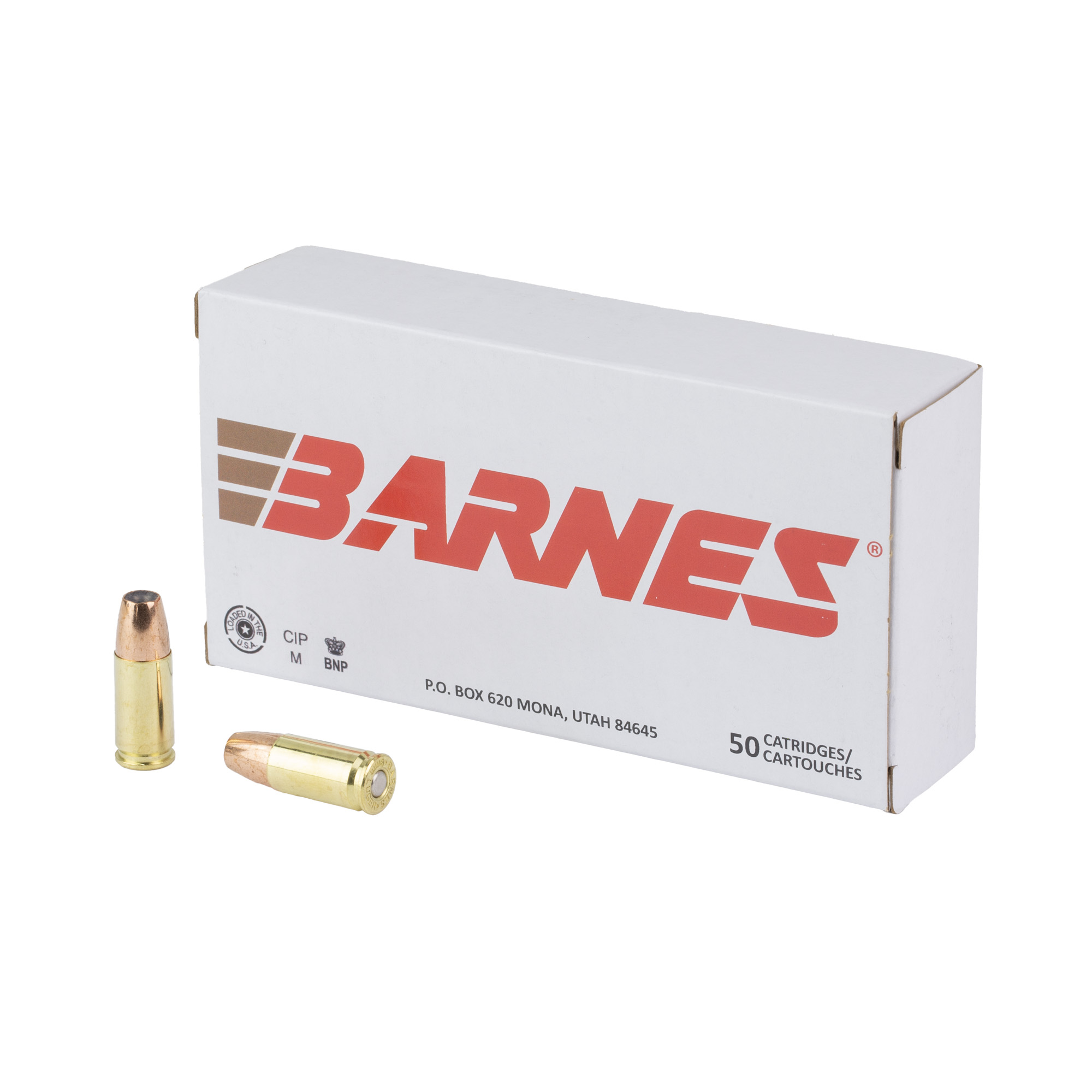
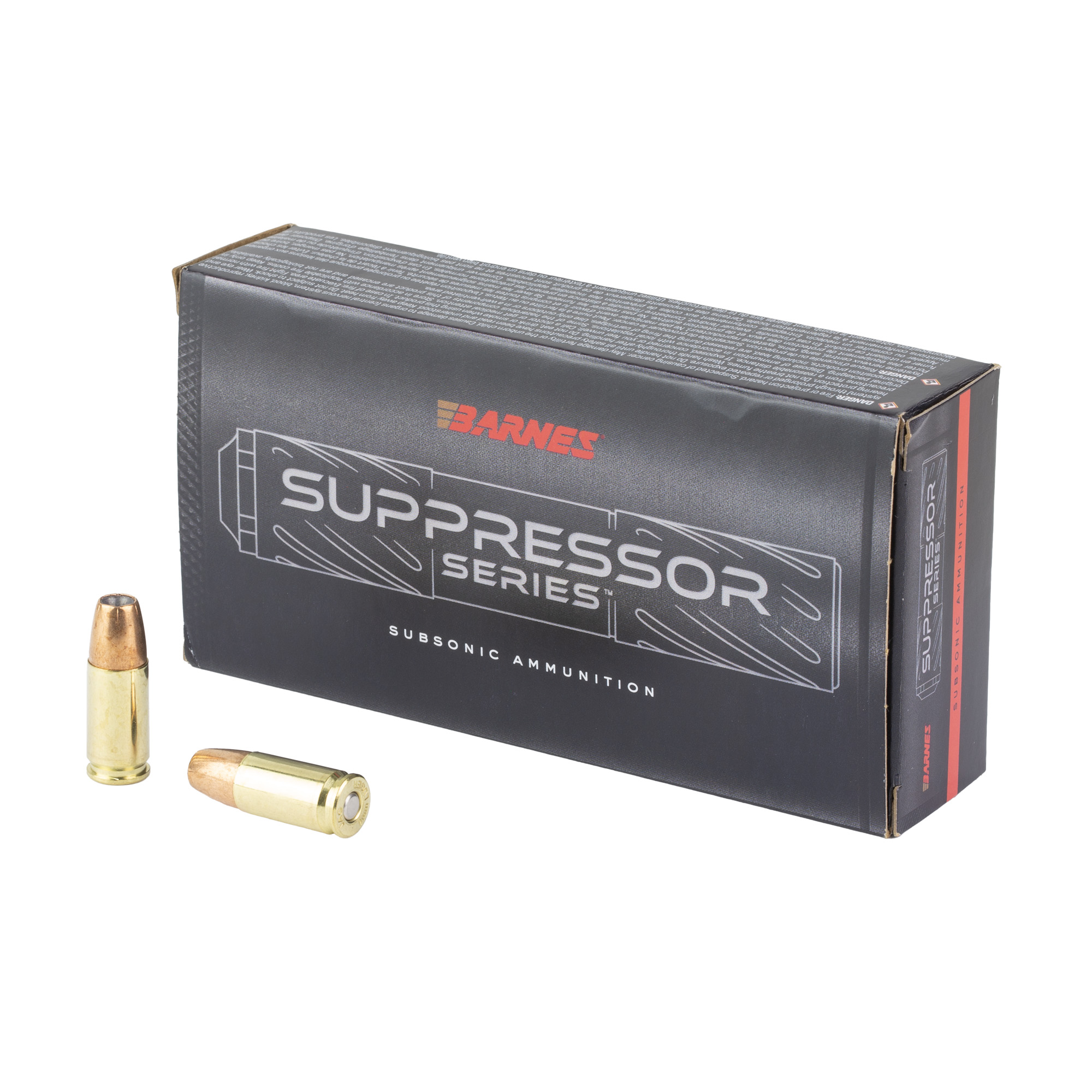
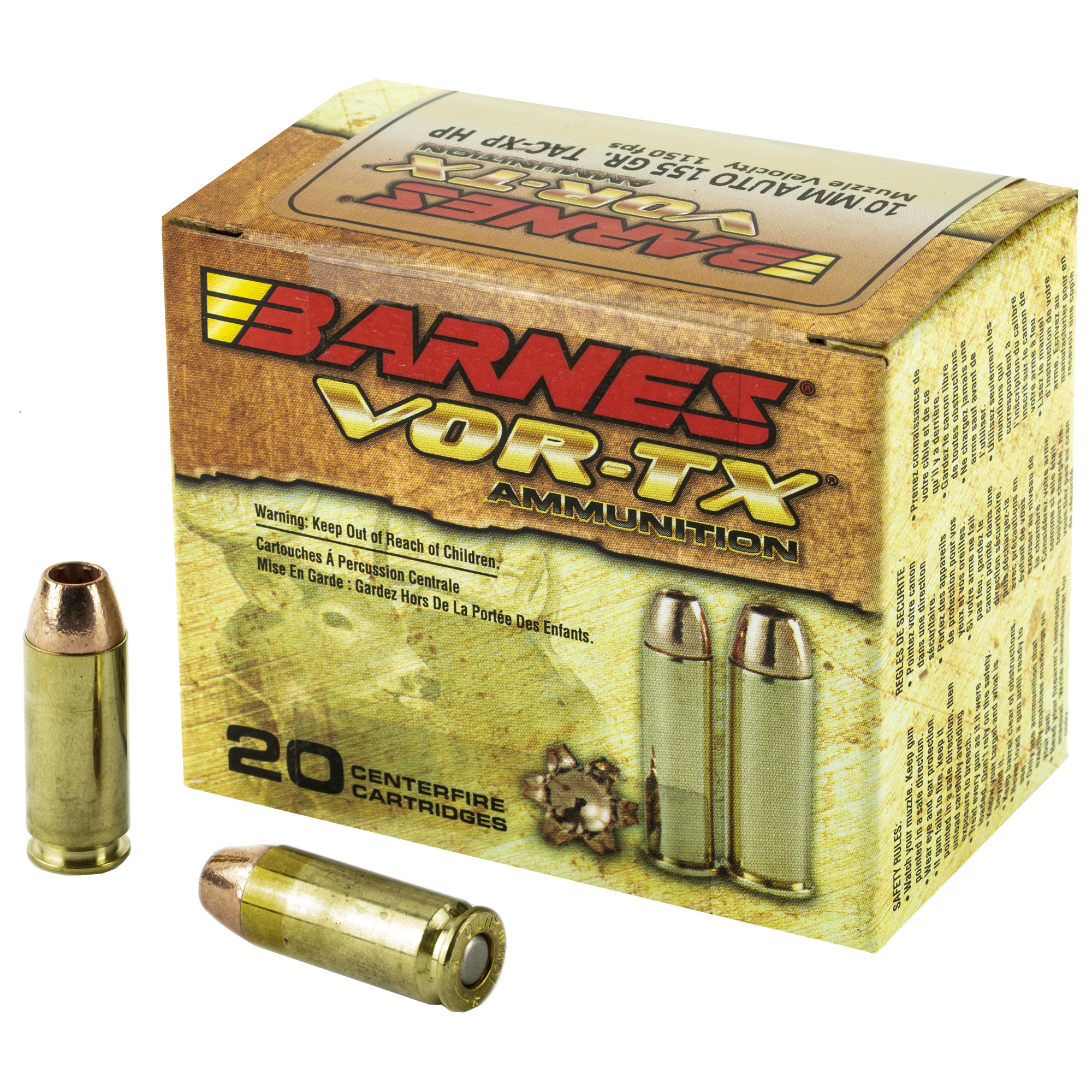
Hollow Point Ammo gives buyers a projectile-focused way to narrow ammunition listings when the product title or attributes clearly identify hollow point, HP, JHP, jacketed hollow point, bonded hollow point, or similar wording. The tag should stay tied to the product listing because caliber alone does not prove projectile type.
How To Compare Hollow Point Ammo By Product Details
The first step is to read the product title closely. Hollow Point Ammo should show clear projectile wording, then the buyer should confirm the caliber, bullet weight, casing type, box count, case quantity, and total round count. A product can match the right caliber and still have the wrong bullet style for this tag.
For most buyers, the first review area is handgun ammo. Common product-check paths include 9mm ammo, .45 ACP ammo, .380 ACP ammo, .38 Special ammo, .357 Magnum ammo, .40 S&W ammo, and 10mm ammo. These pages help narrow cartridge fit, but the Hollow Point Ammo tag should only be used when the individual listing confirms the projectile type.
Why Hollow Point Ammo Should Not Be Assigned By Caliber Alone
A single caliber page can include FMJ, hollow point, soft point, lead-free, frangible, match, range, and specialty loads. That is why a 9mm product, .45 ACP product, or .380 ACP product should not be tagged as Hollow Point Ammo unless the product details clearly support it.
This keeps the tag cleaner for shoppers. Buyers using a Hollow Point Ammo tag expect listings where the projectile wording is visible and specific. If the product title only shows the brand and caliber, hold the tag until the attributes or description confirm the bullet style.
Handgun Calibers Buyers Should Check First
Handgun calibers are the strongest starting point for Hollow Point Ammo review because many buyers sort these listings by projectile type, bullet weight, box count, and case quantity. Product-check paths may include 9mm, .45 ACP, .380 ACP, .38 Special, .357 Magnum, .357 SIG, .40 S&W, 10mm, .44 Special, .44 Magnum, and 5.7x28mm.
The tag should not replace product review. A 10mm listing, for example, may show several bullet styles across different products. The same is true for 9mm and .45 ACP. The caliber gets the buyer to the correct shelf; the product title and attributes decide whether it belongs under Hollow Point Ammo.
Rimfire And Rifle Hollow Point Listings Need Product-Level Confirmation
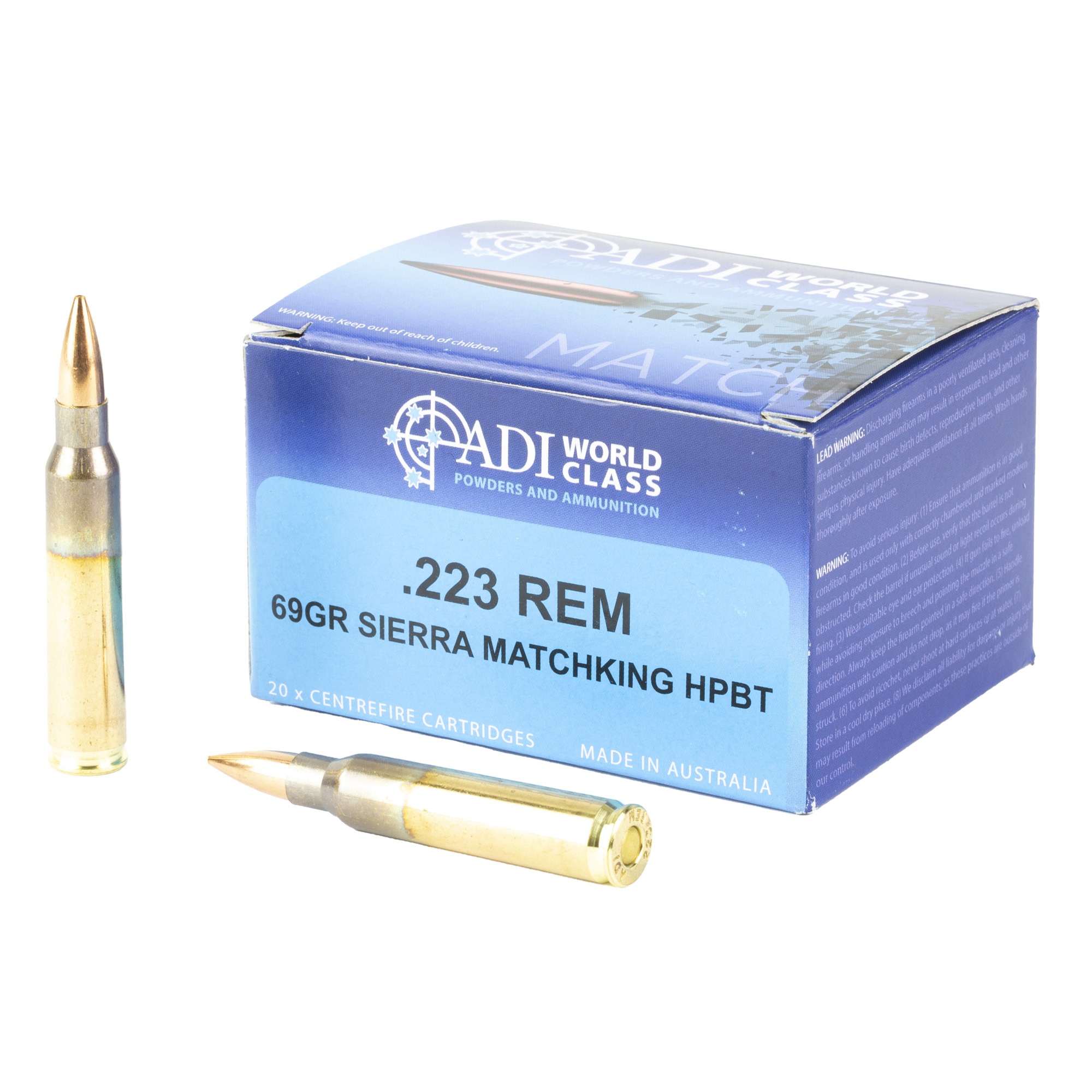
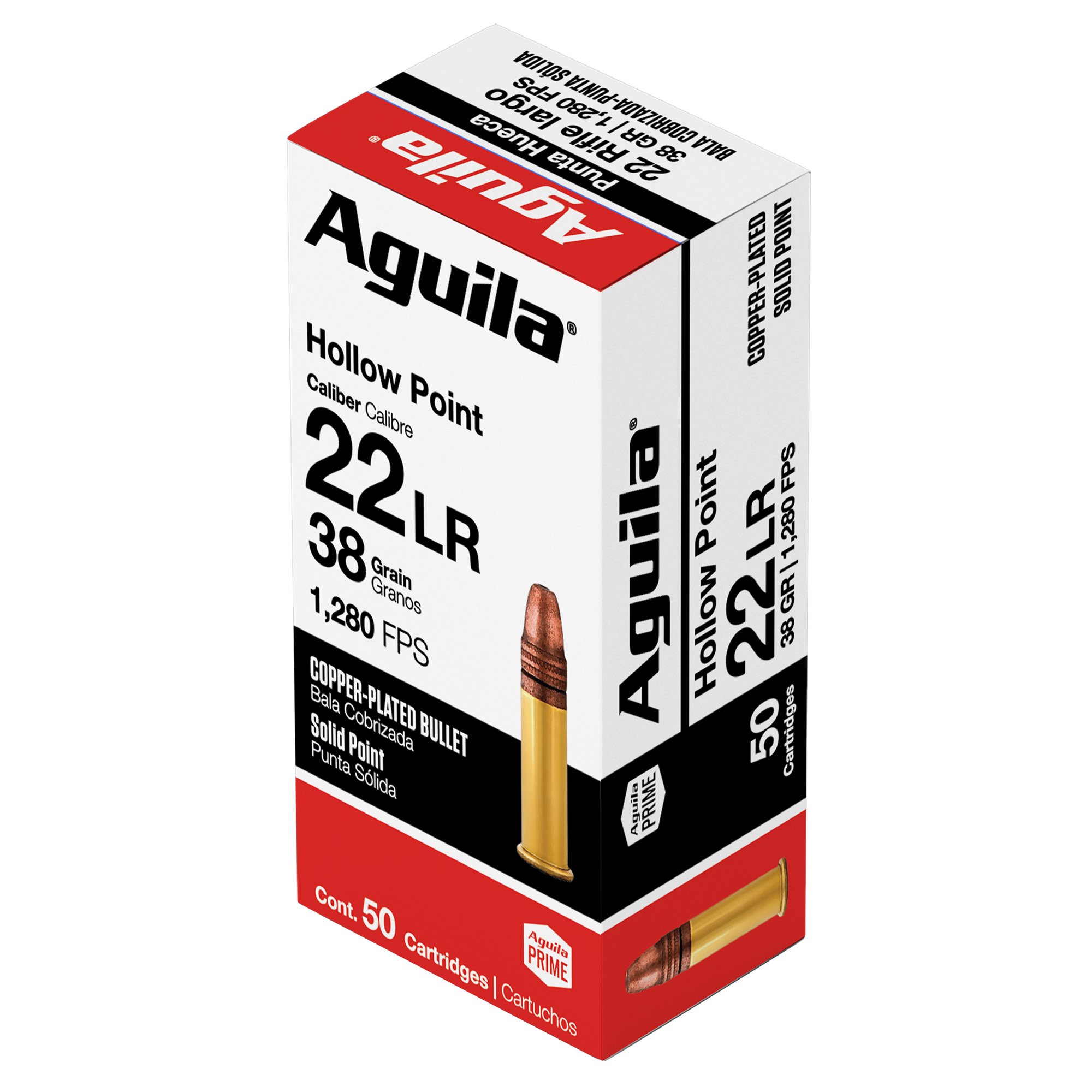
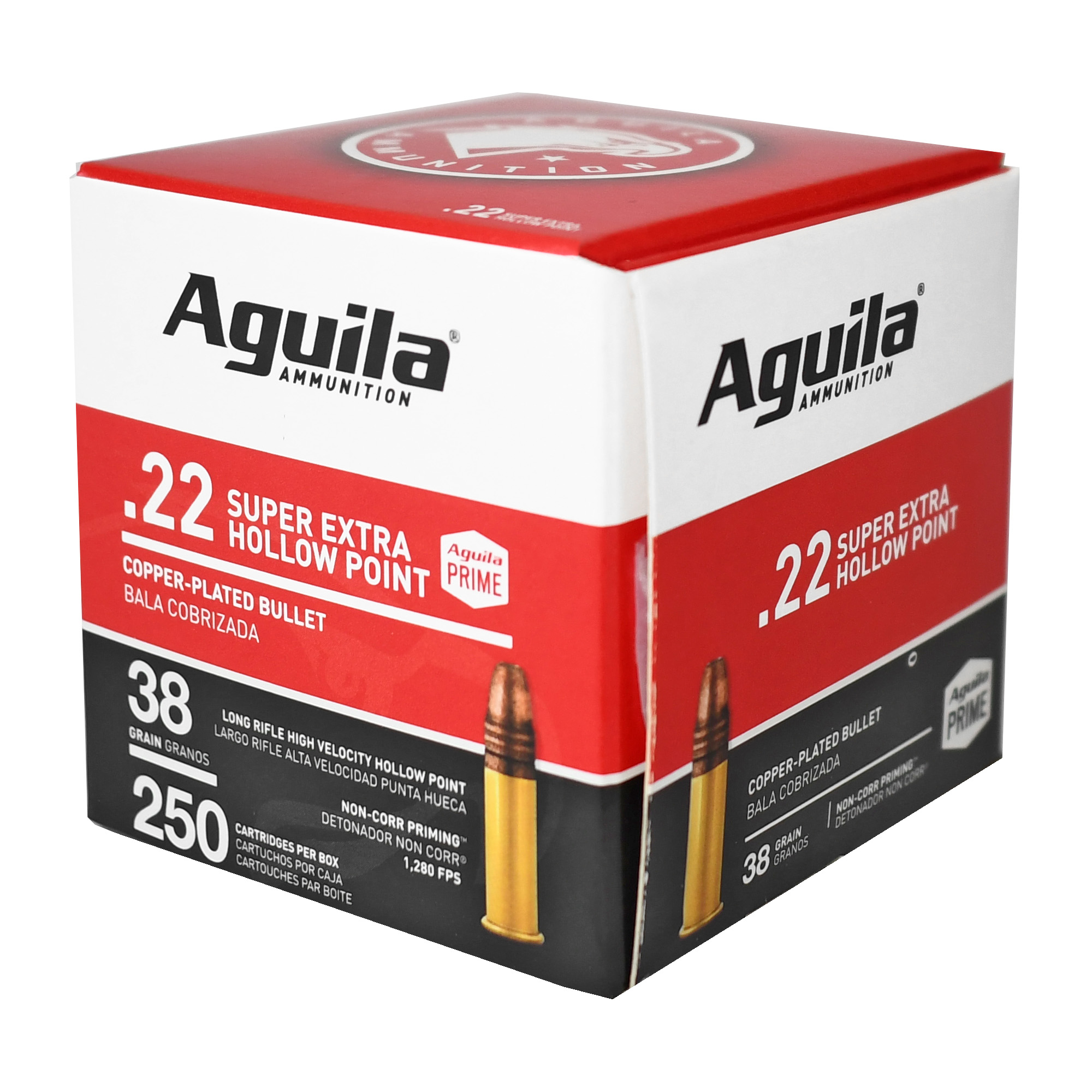
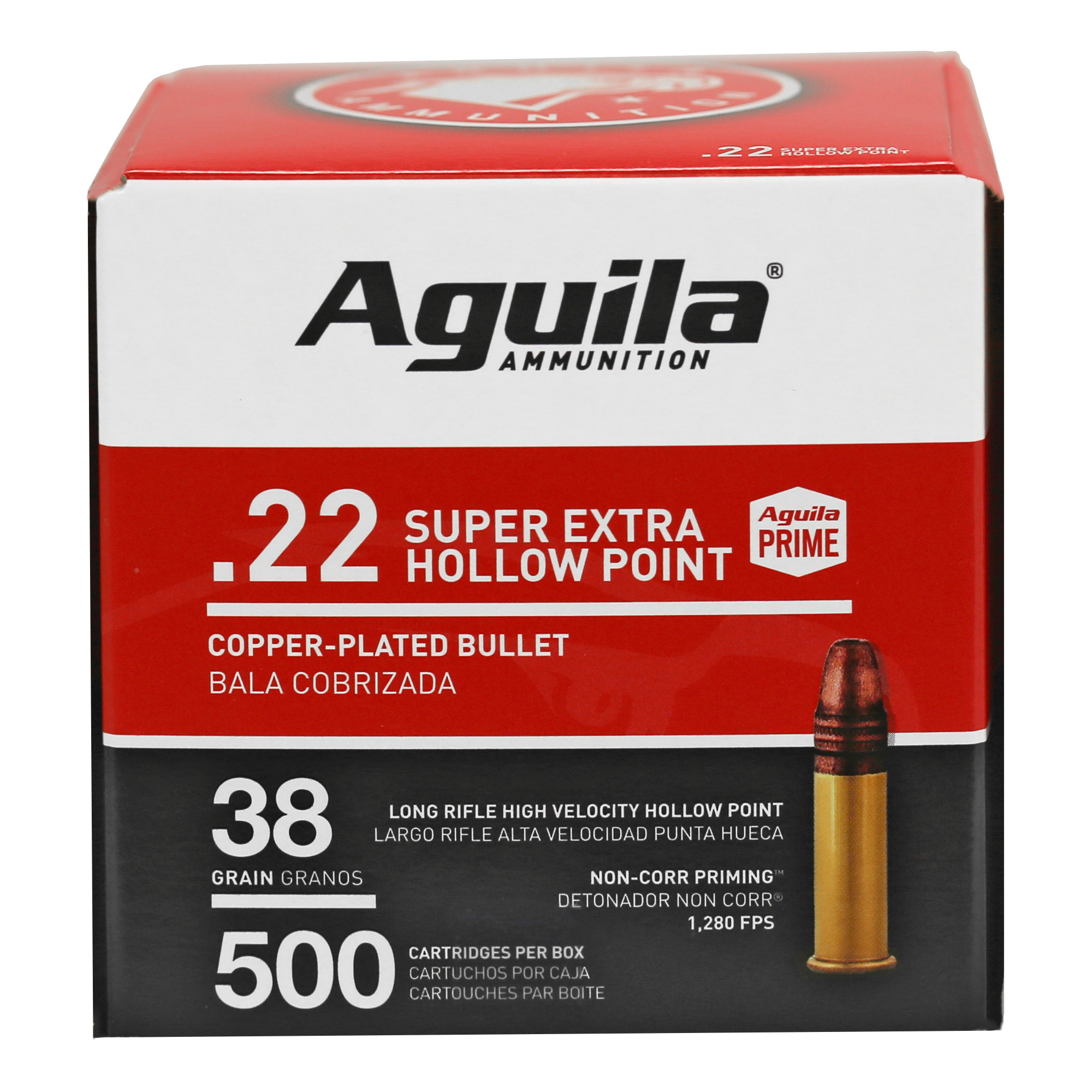
Some rimfire and rifle listings may also use hollow point or HP wording. Buyers may review .22 LR ammo, .22 WMR ammo, .223 ammo, and 5.56 ammo when the listing clearly confirms HP, hollow point, or related projectile wording.
The broader rimfire ammo and rifle ammo sections can help buyers narrow the cartridge family, but they should not be treated as hollow point categories by themselves. The listing still decides.
Brand And Product-Line Paths To Review Carefully
Brand and product-line pages can help buyers organize the shelf, but they should not replace projectile review. Gold Dot is the strongest product-line path to review for this tag, especially when buyers compare common handgun calibers. Speer is also a useful related brand path when reviewing that product family.
Other brand paths such as Federal, Hornady, Winchester, Remington Ammunition, SIG Sauer, Lehigh Defense, Underwood, DoubleTap, and Buffalo Bore can be useful when the product listing supports hollow point or HP wording. The brand can narrow the shelf, but the product title still decides the tag.
What Product Details Matter Most For Hollow Point Ammo?
The most important details are the listed caliber, projectile type, bullet weight, casing type, box count, case quantity, and total round count. The product title or attributes should clearly say hollow point, HP, JHP, jacketed hollow point, bonded hollow point, or similar wording before the tag is used.
Should Every 9mm Product Be Tagged As Hollow Point Ammo?
No. 9mm ammo can include several different bullet styles. Use the Hollow Point Ammo tag only when the individual 9mm product title, attributes, or description clearly confirms hollow point, HP, JHP, or equivalent projectile wording.
Which Calibers Should Buyers Check First For Hollow Point Ammo?
Buyers usually check product listings in 9mm, .45 ACP, .380 ACP, .38 Special, .357 Magnum, .357 SIG, .40 S&W, 10mm, .44 Special, .44 Magnum, 5.7x28mm, .22 LR, .22 WMR, .223, and 5.56. These are product-check paths, not automatic assignments.
How Should Buyers Compare Hollow Point Ammo In Bulk Quantities?
Compare the box count, case quantity, total round count, caliber, projectile type, bullet weight, and casing type. A larger quantity should still match the buyer’s exact cartridge needs, product details, and checkout requirements before the order is completed.
What Should Lawful Adult Buyers Confirm Before Ordering Hollow Point Ammo?
Lawful adult buyers should confirm the product title, cartridge wording, firearm marking, projectile type, bullet weight, casing type, box count, case quantity, total round count, destination eligibility, shipping eligibility, and checkout notices before placing an order.
How Should Buyers Review Shipping Eligibility For Hollow Point Ammo?
Shipping review should stay tied to the product and destination entered at checkout. Read the product details, destination notices, shipping eligibility information, and order requirements before completing the order. Do not treat the Hollow Point Ammo tag as a shipping guarantee.