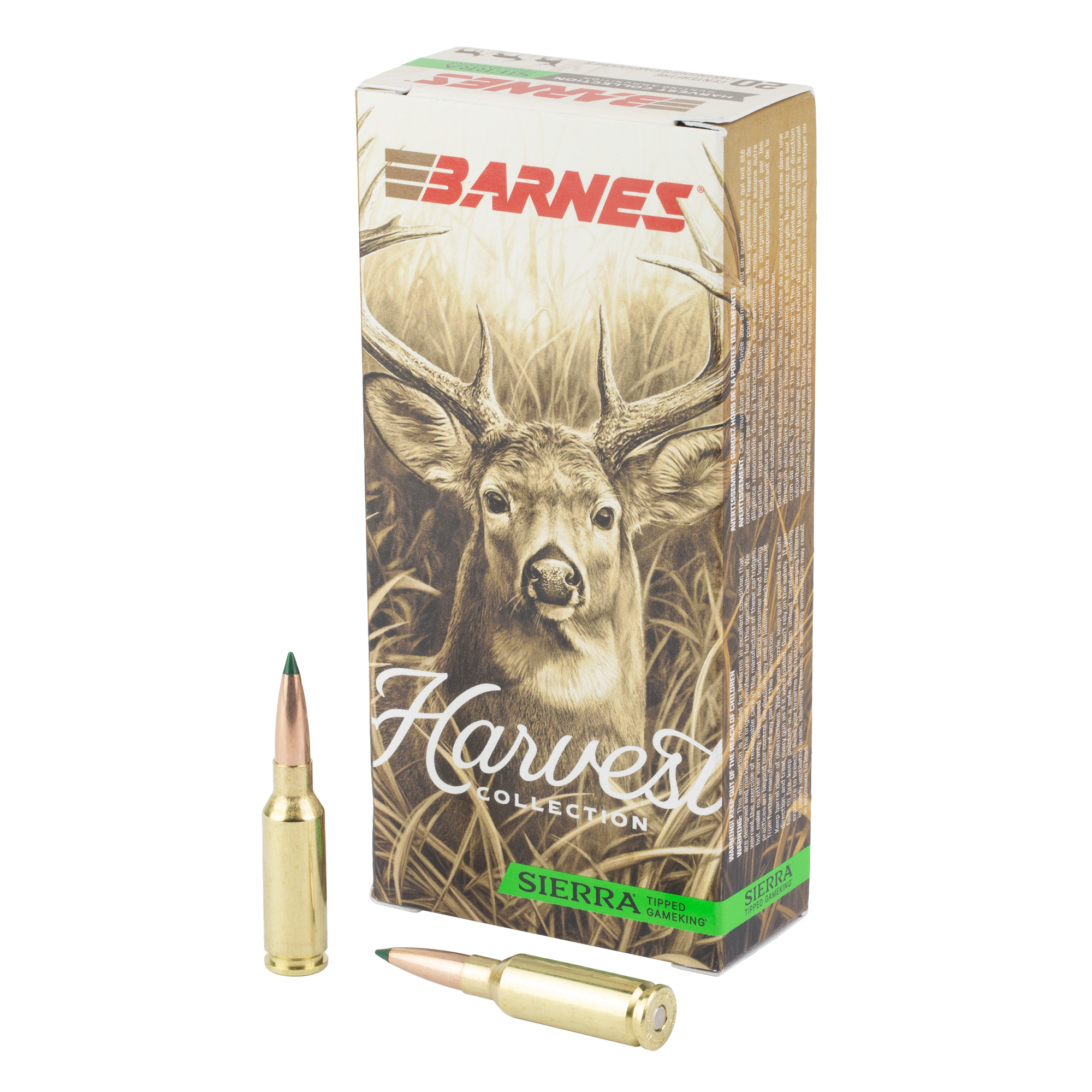
Begin Rifle Ammo Orders With The Exact Chambering
Rifle Ammo should be selected by exact cartridge and rifle chambering first, then narrowed by bullet weight, bullet construction, casing, box count, case quantity, total round count, and shipping eligibility. The order should begin with the cartridge name shown on the rifle and the product listing, not with brand or price alone. Read this 6mm ARC ammo Guide, if you’re curious about how to shop 6mm ARC ammo.
Rifle ammunition covers a much wider cartridge spread than a single buyer path. Some shoppers are comparing high-volume range cases. Others are looking at hunting loads, heavy rifle rounds, varmint cartridges, or precision-oriented centerfire rifle options. Keep the first pass practical: match the cartridge, then compare the load details.
Bulk rifle ammo can be useful when the buyer already knows the caliber, bullet type, and quantity needed. A 20-round hunting box, 50-round pack, 200-round case, 500-round case, and 1000-round bulk quantity are different cart checks. Confirm total rounds before treating two listings as comparable.
Use Common Rifle Caliber Paths To Narrow The Order
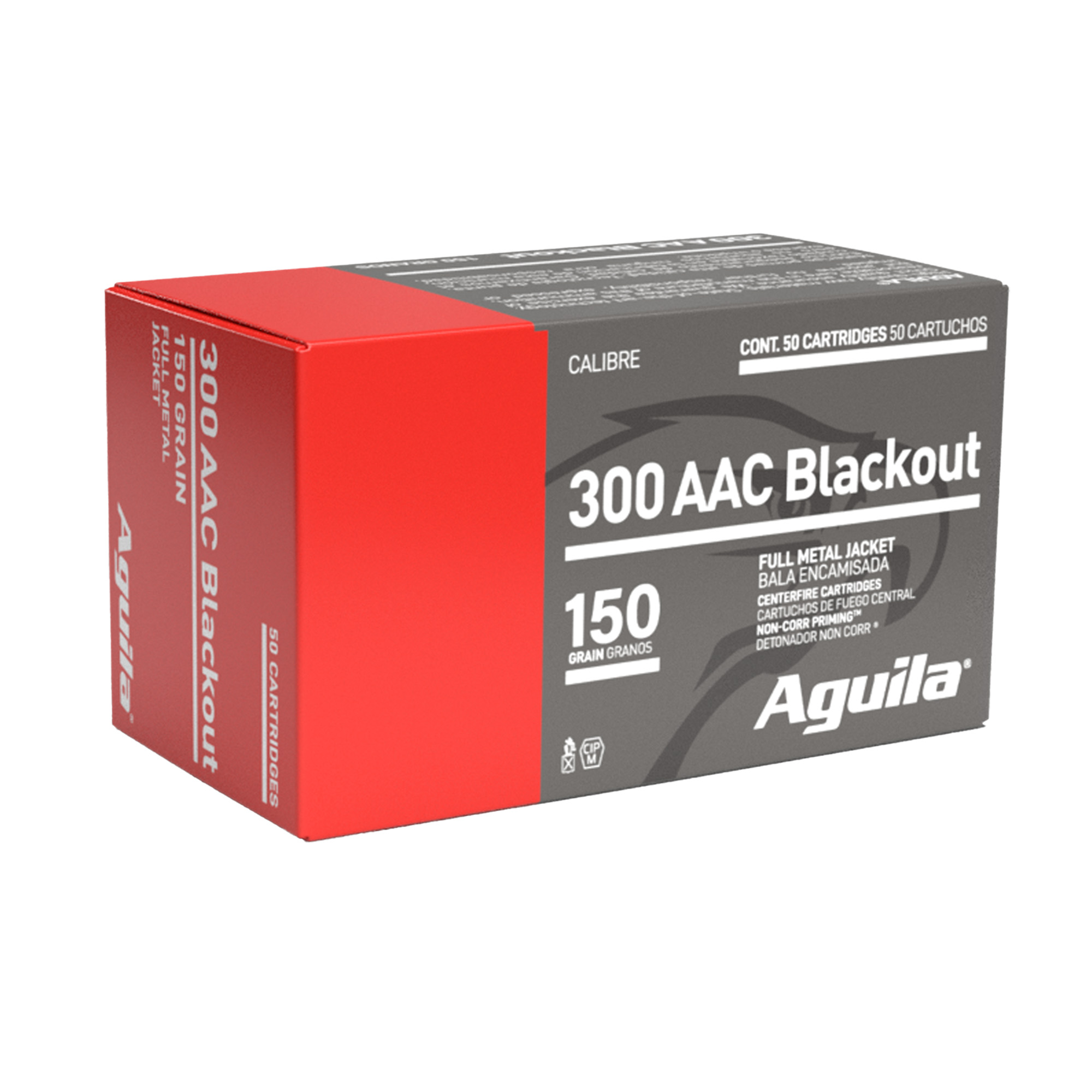
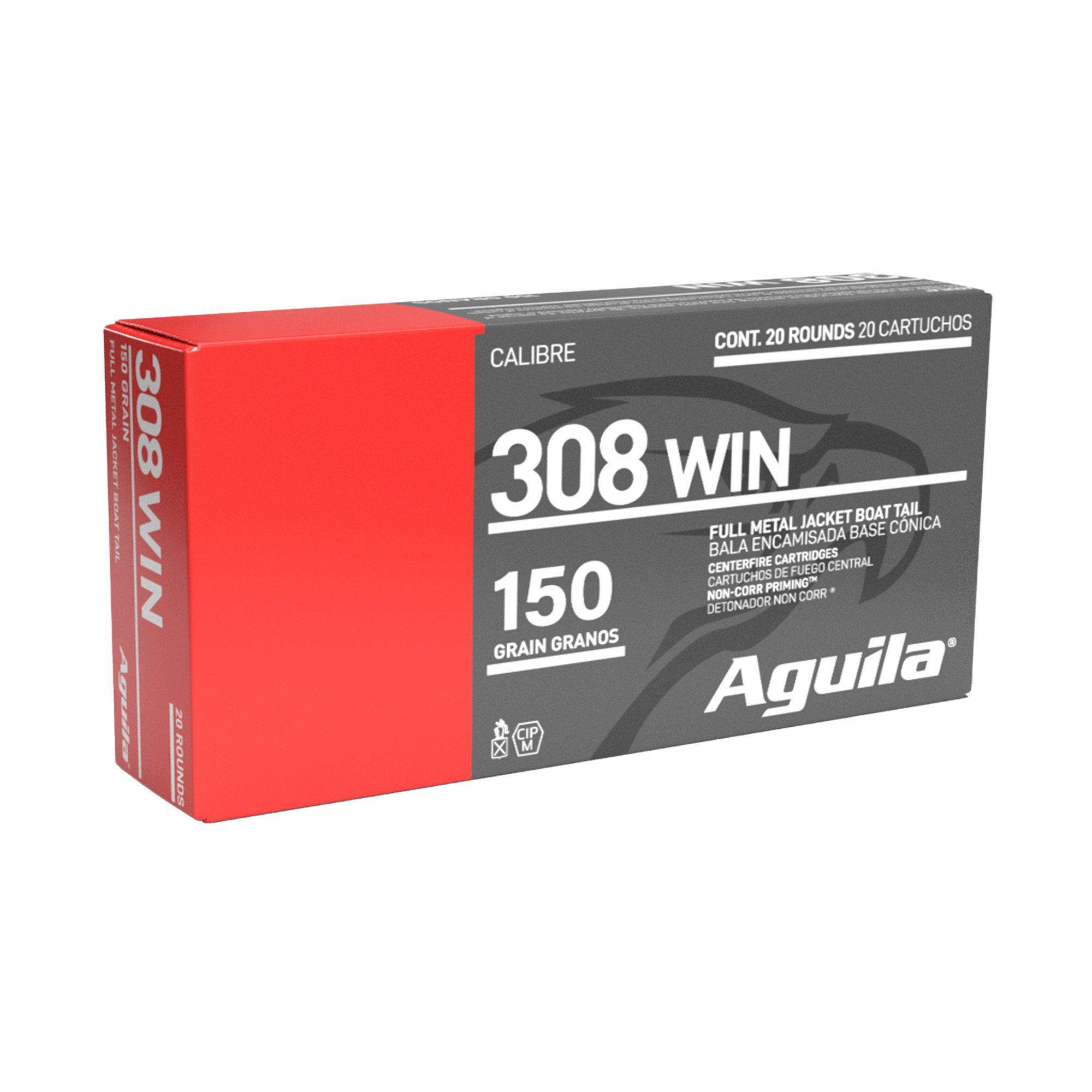
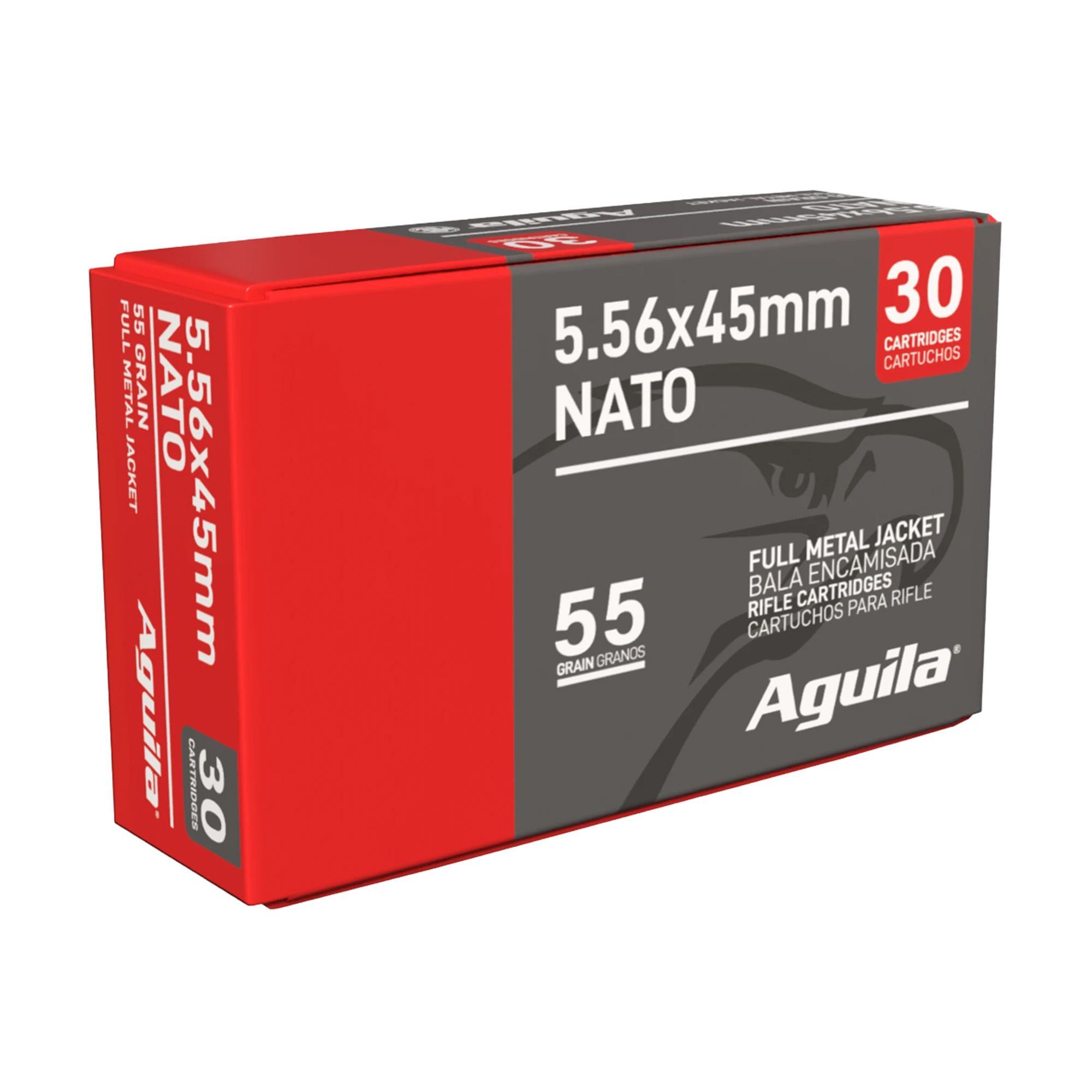
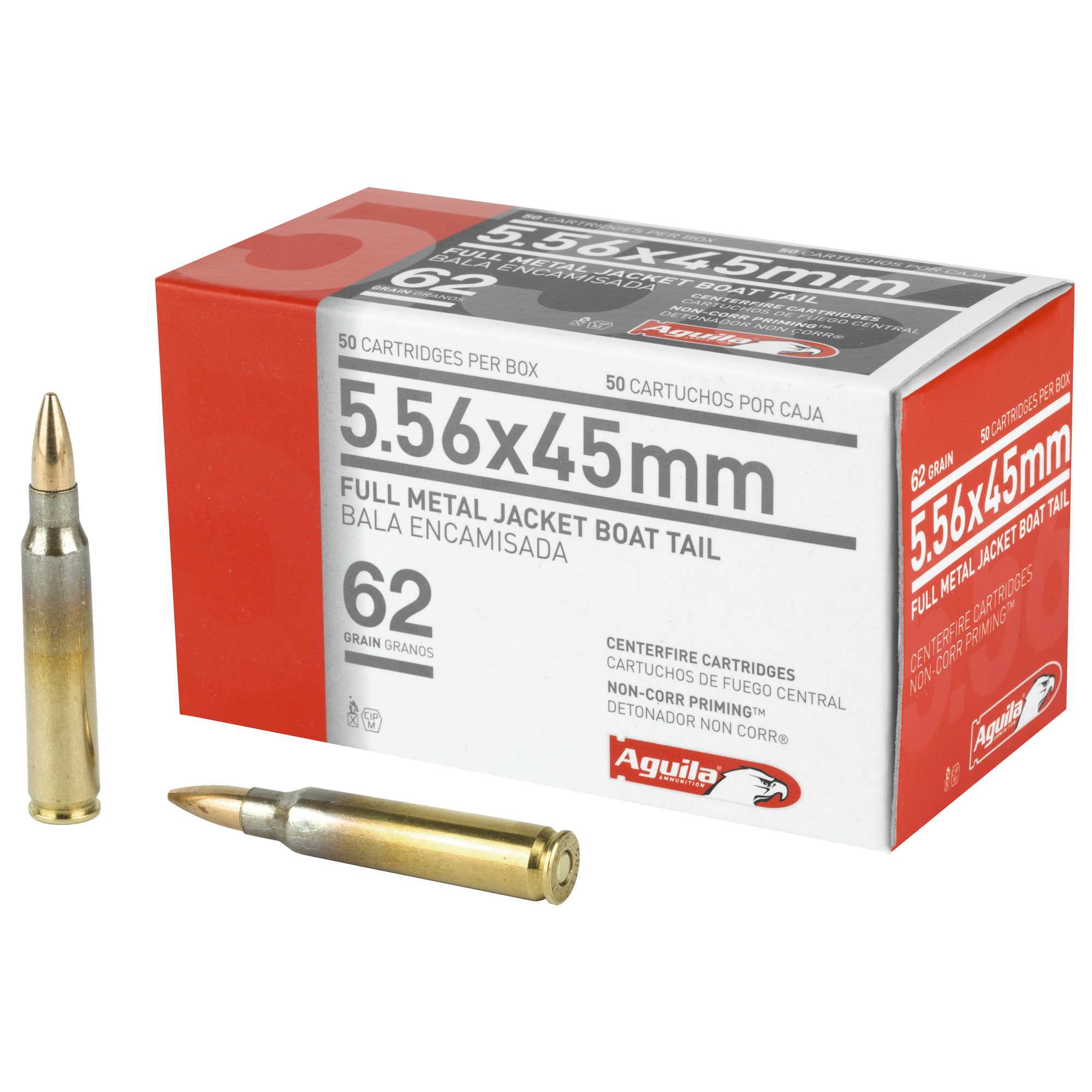
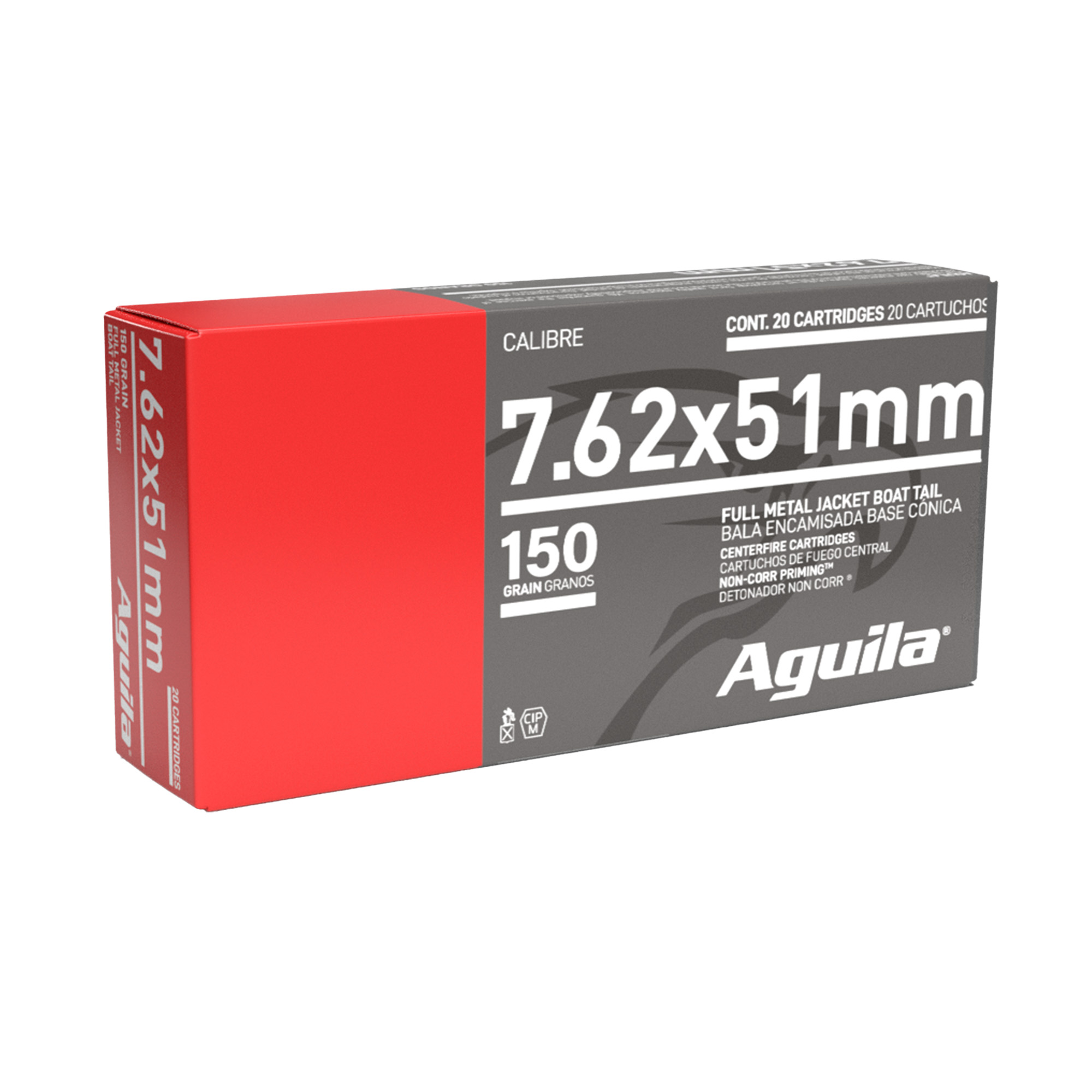
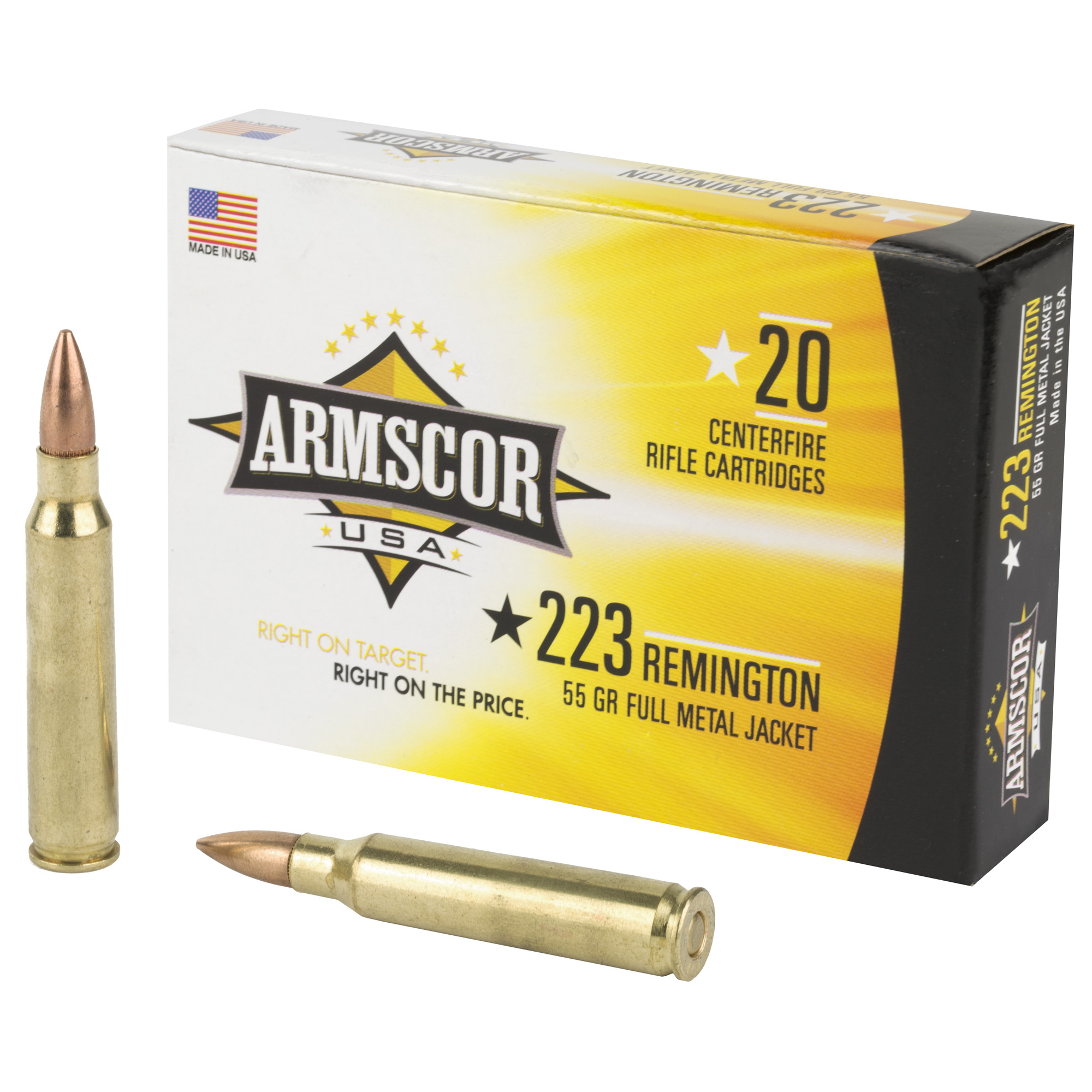
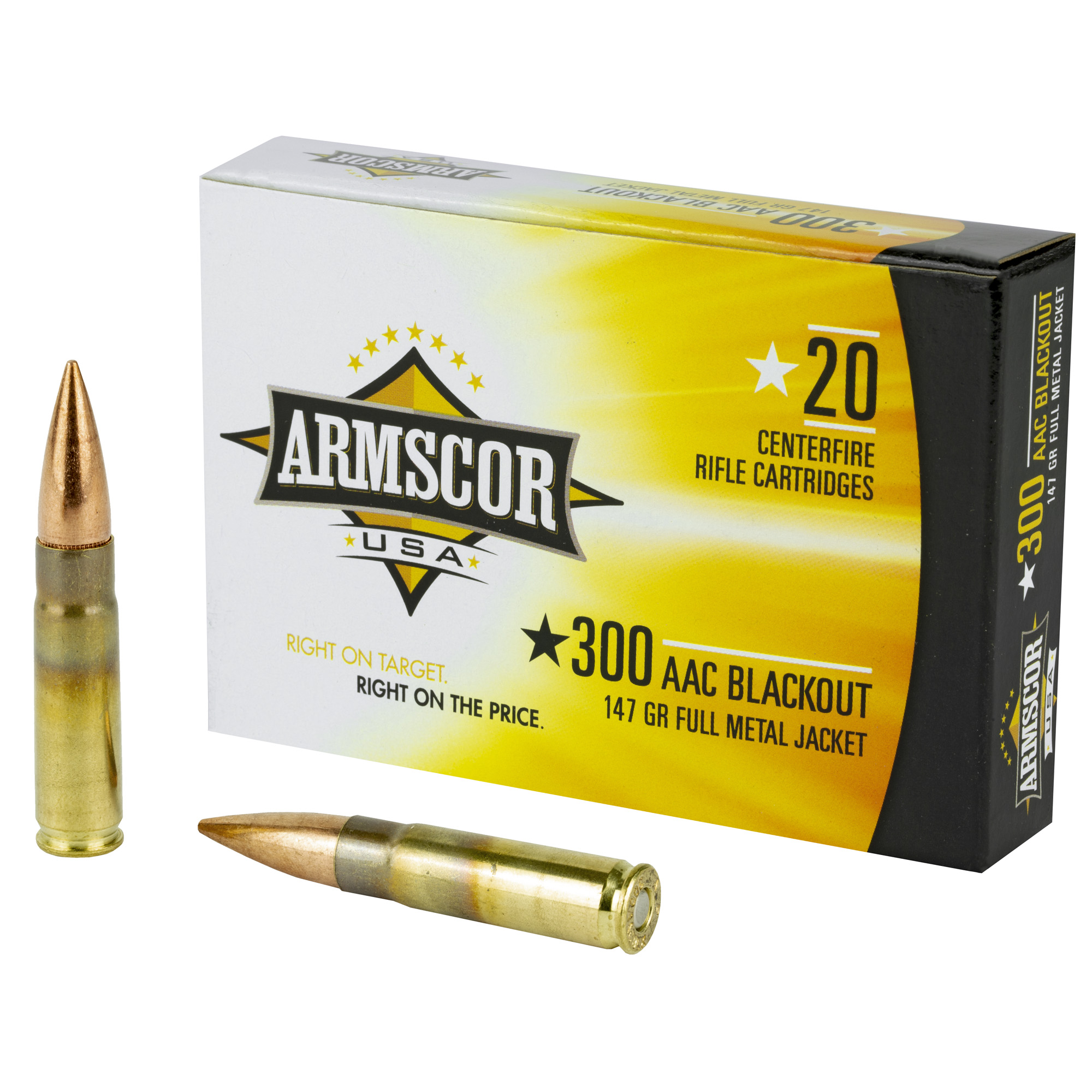
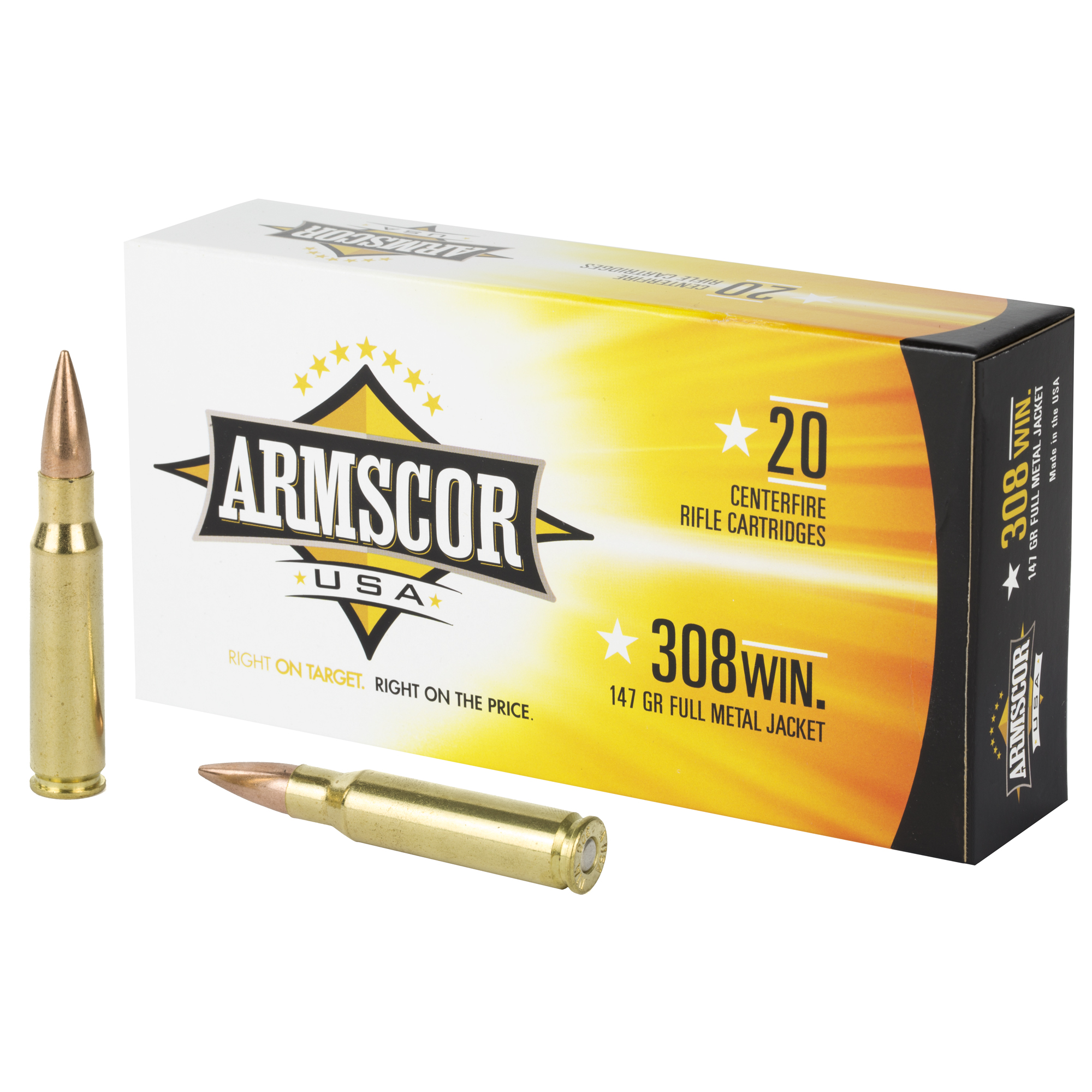
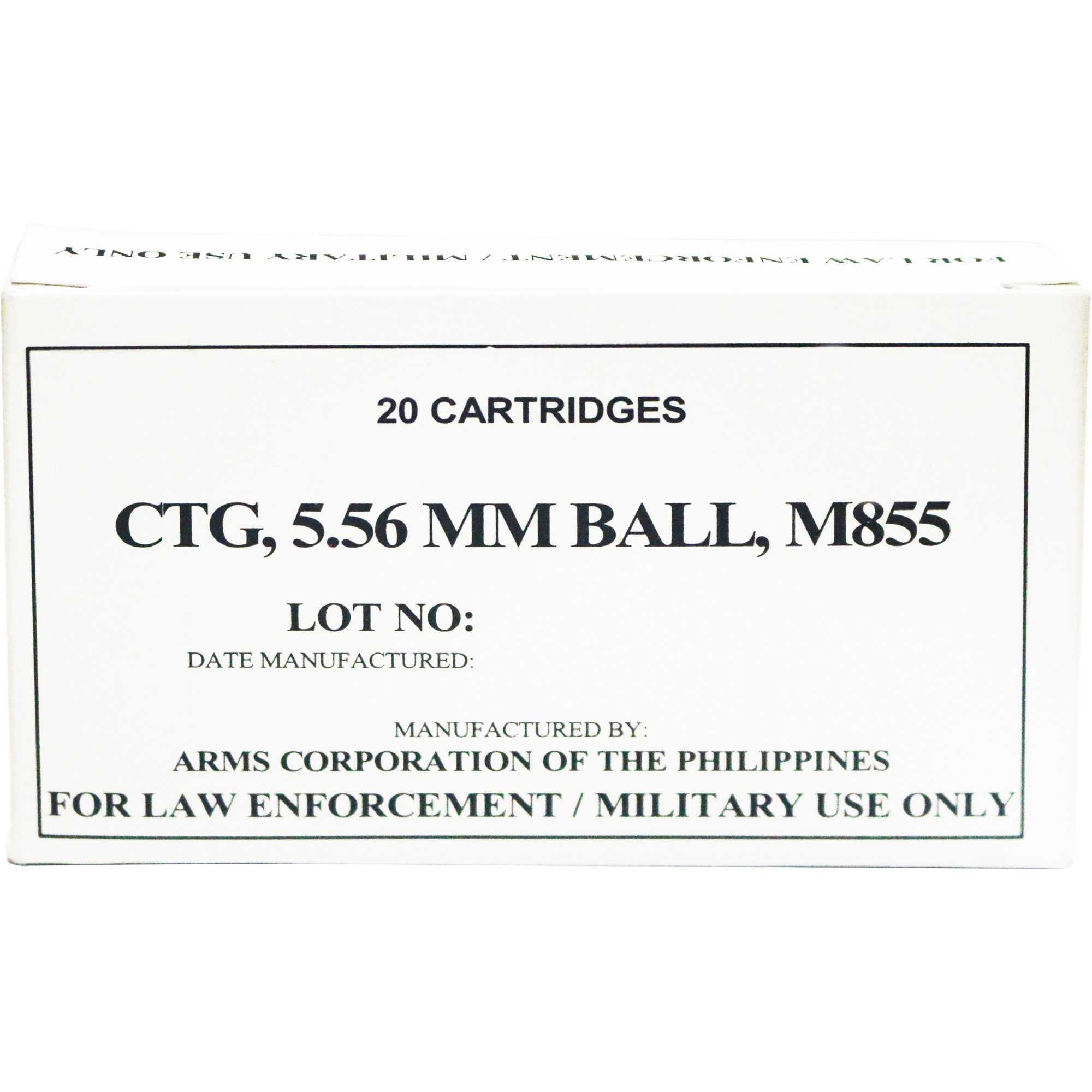
For buyers comparing popular semi-auto rifle cartridges, direct paths such as .223 ammo, 5.56 ammo, .308 ammo, .300 Blackout ammo, and 7.62×39 ammo help keep the order inside the correct cartridge lane.
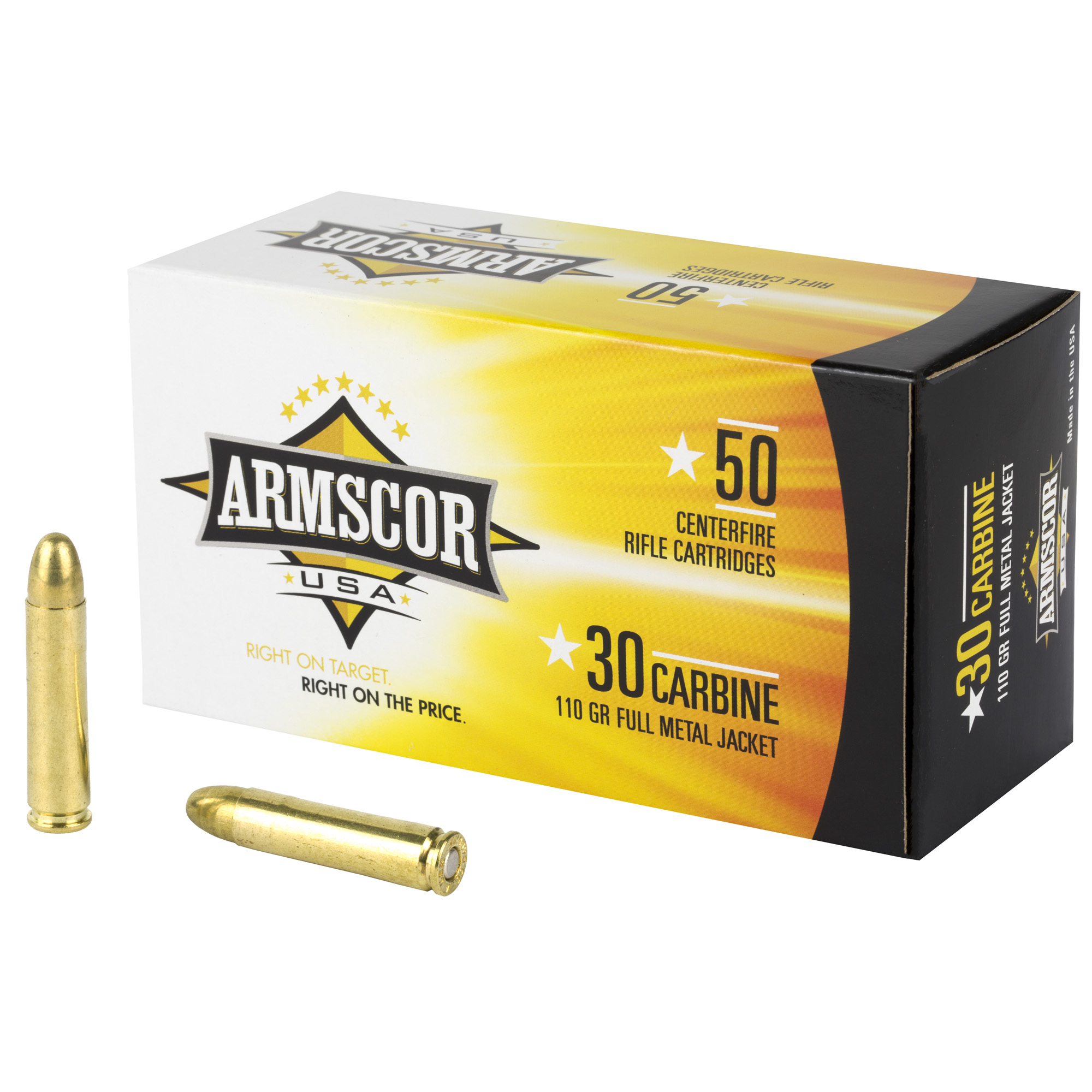
For hunting and general-purpose centerfire rifle buying, compare cartridge-specific paths such as .243 Winchester ammo, .270 Winchester ammo, .30-30 ammo, .30-06 ammo, and .45-70 ammo. Each one should be checked by chambering, bullet weight, and product details before checkout.
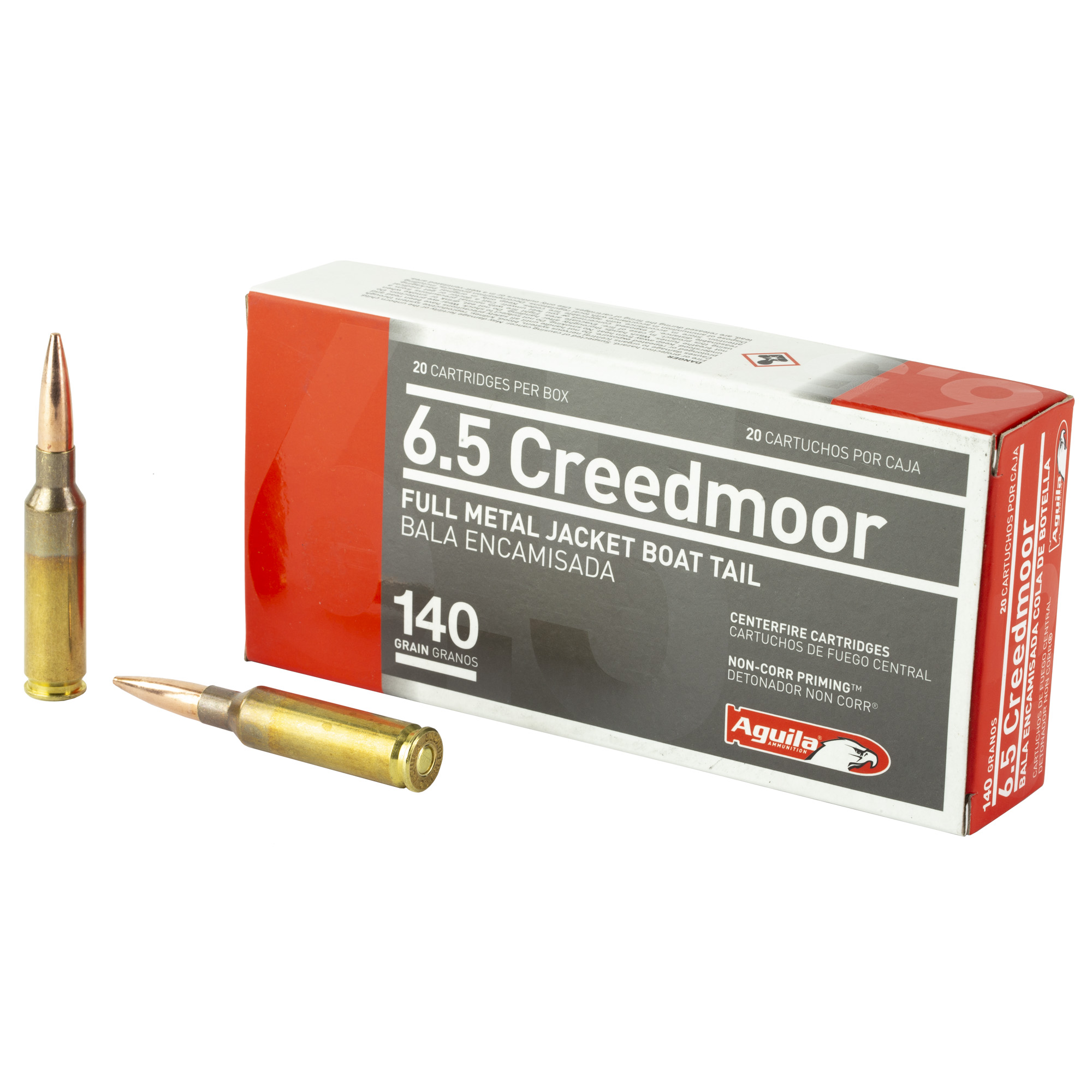
For buyers sorting modern precision and magnum-style rifle options, paths such as 6.5 Creedmoor ammo, 7mm Rem Mag ammo, .300 Win Mag ammo, .300 PRC ammo, and .338 Lapua ammo should be sorted by cartridge, grain weight, bullet design, and case quantity.
Use Ammunition When You Need The Top-Level Path
If you are still deciding between rifle cartridges, handgun cartridges, shotshells, and rimfire rounds, use the main ammunition section before narrowing into Rifle Ammo. That broader path helps buyers choose the correct ammo family before moving into a specific rifle caliber.
Once the order belongs in the rifle lane, keep it there. Do not compare rifle cartridges against pistol rounds, shotshell flats, or rimfire bricks. Rifle buying should stay focused on cartridge name, chambering, bullet weight, bullet construction, casing, box count, case quantity, and total rounds.
Read Bullet Construction Before Reading The Price
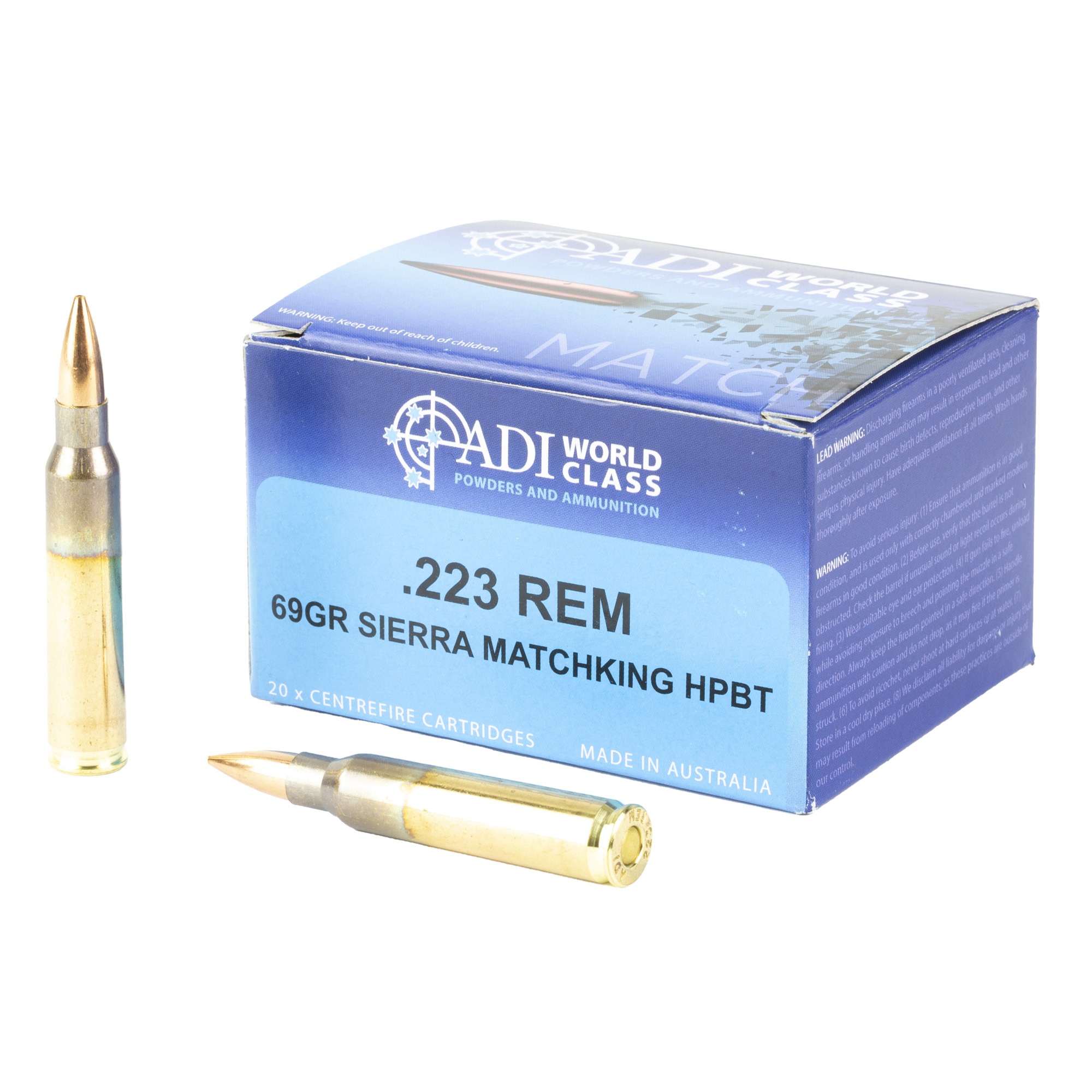
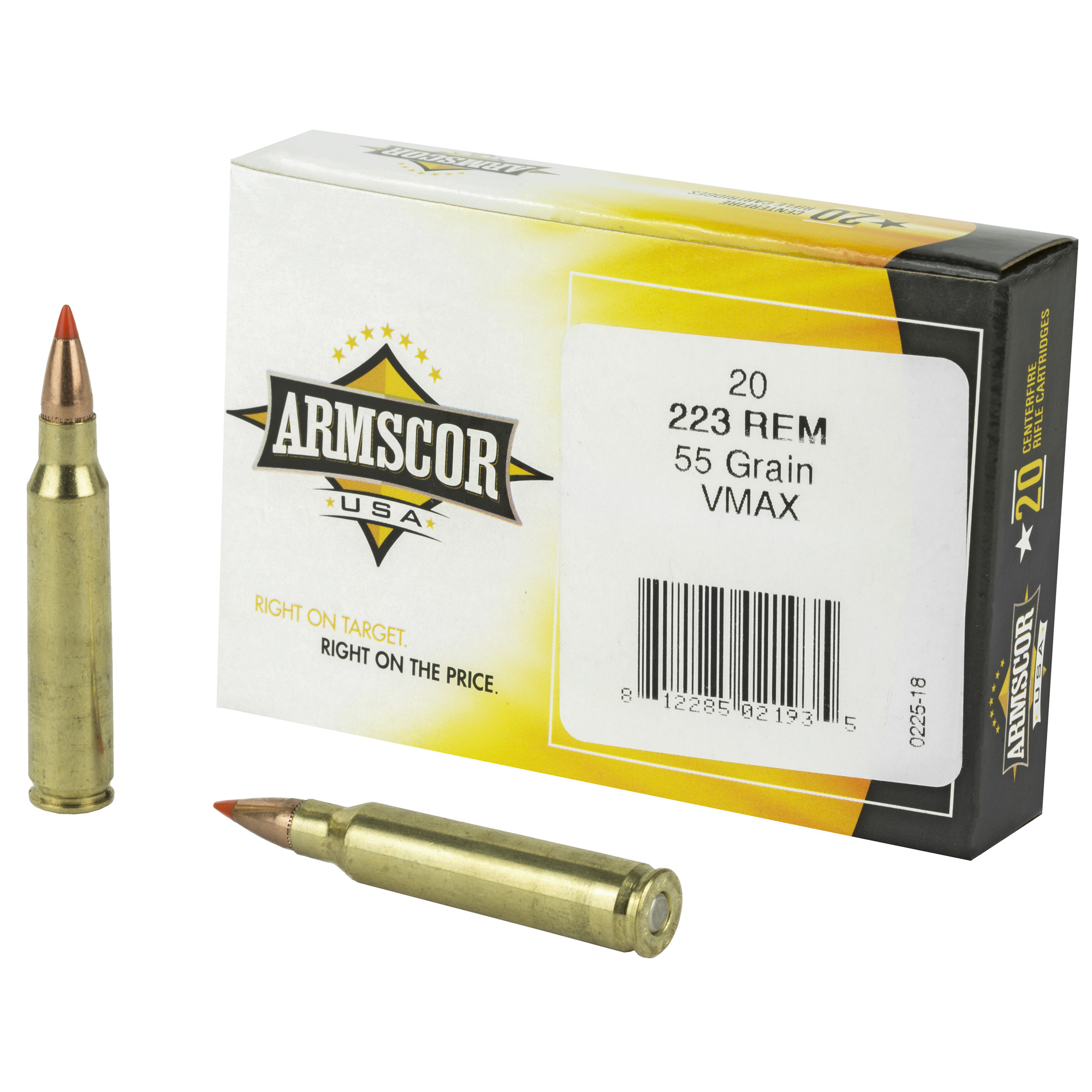
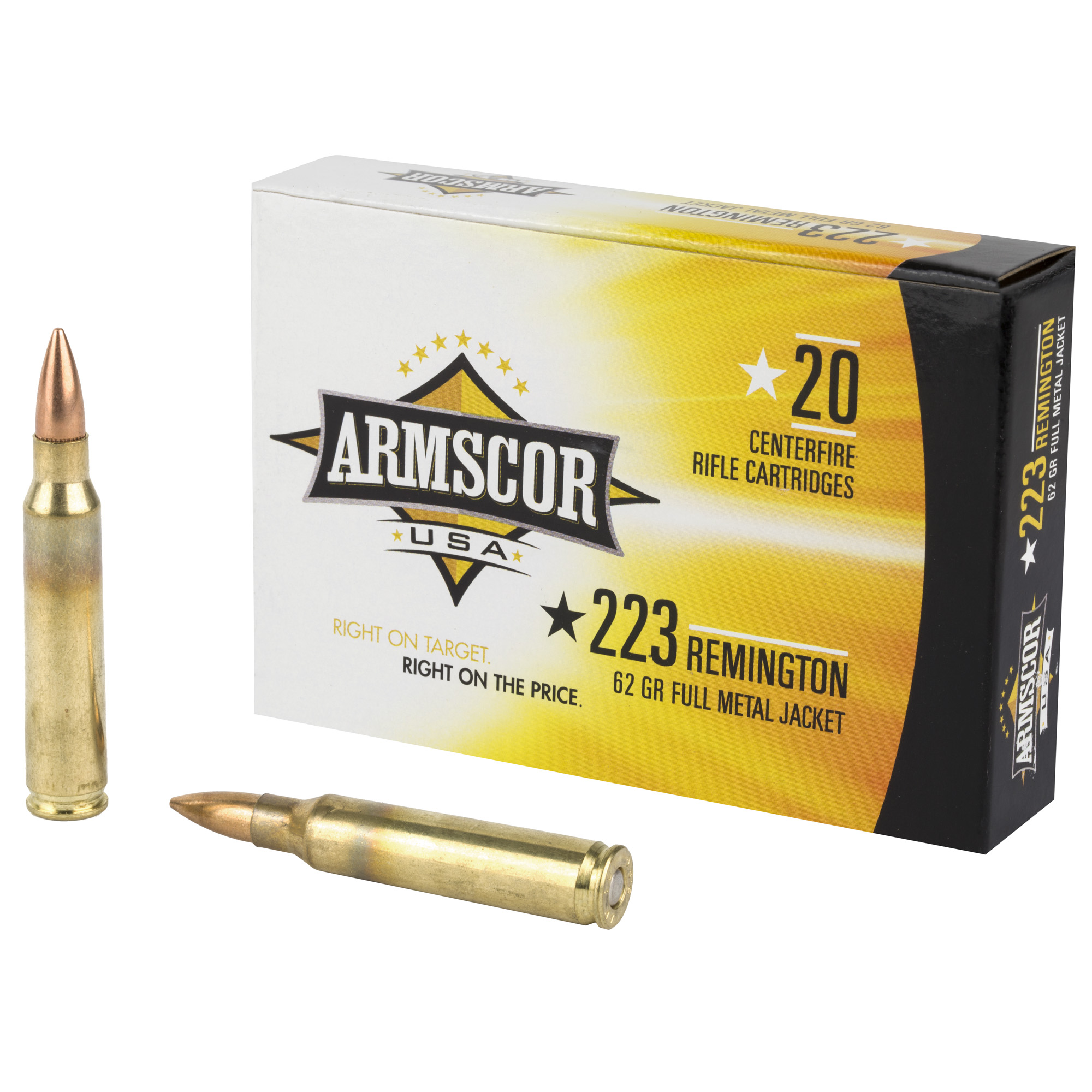
Rifle Ammo listings can include FMJ, soft point, pointed soft point, polymer tip, ballistic tip, bonded, open-tip match, hollow point boat tail, lead-free, monolithic, full metal jacket boat tail, and other bullet descriptions depending on caliber and brand. Those details separate range loads, hunting loads, match-style boxes, and specialty rifle rounds.
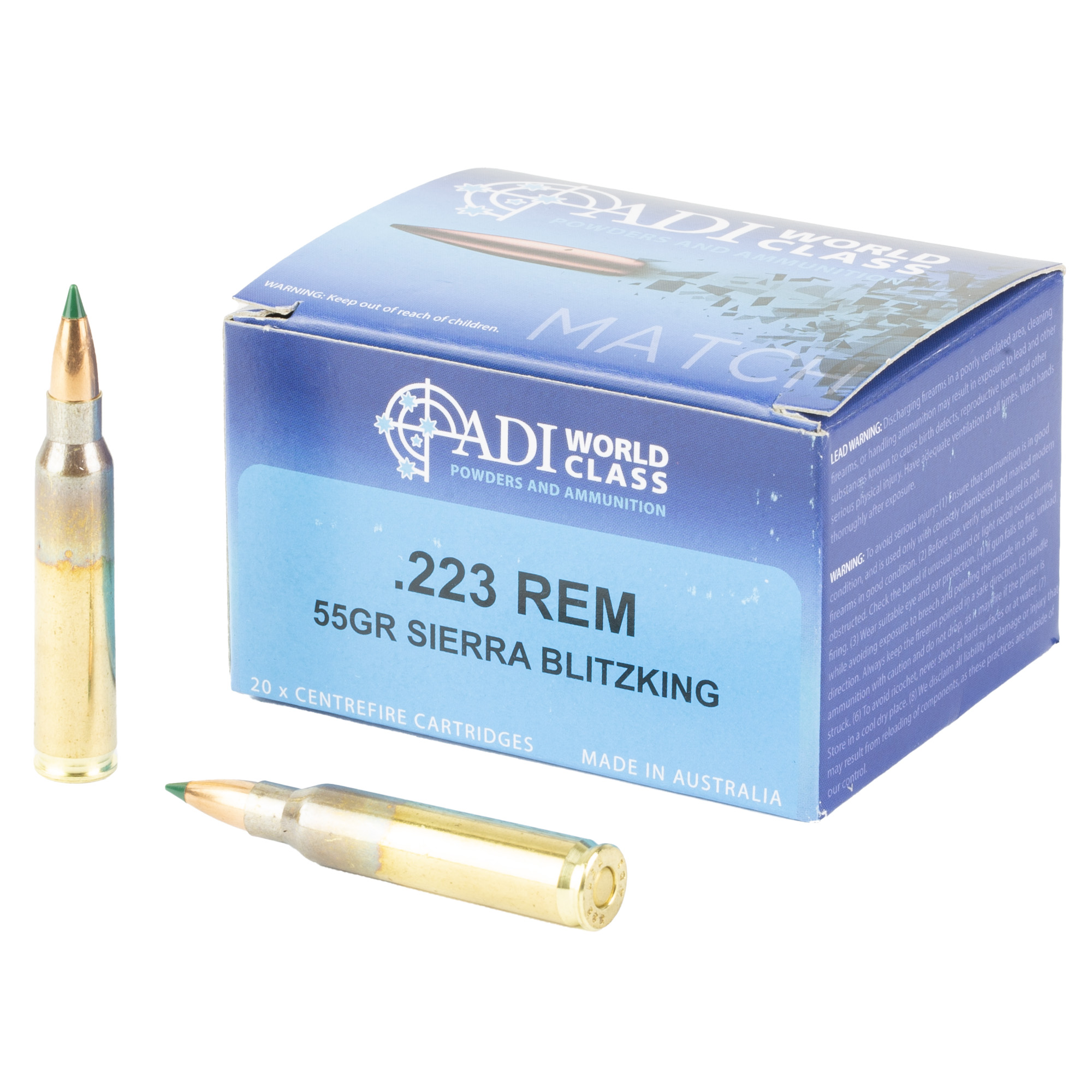
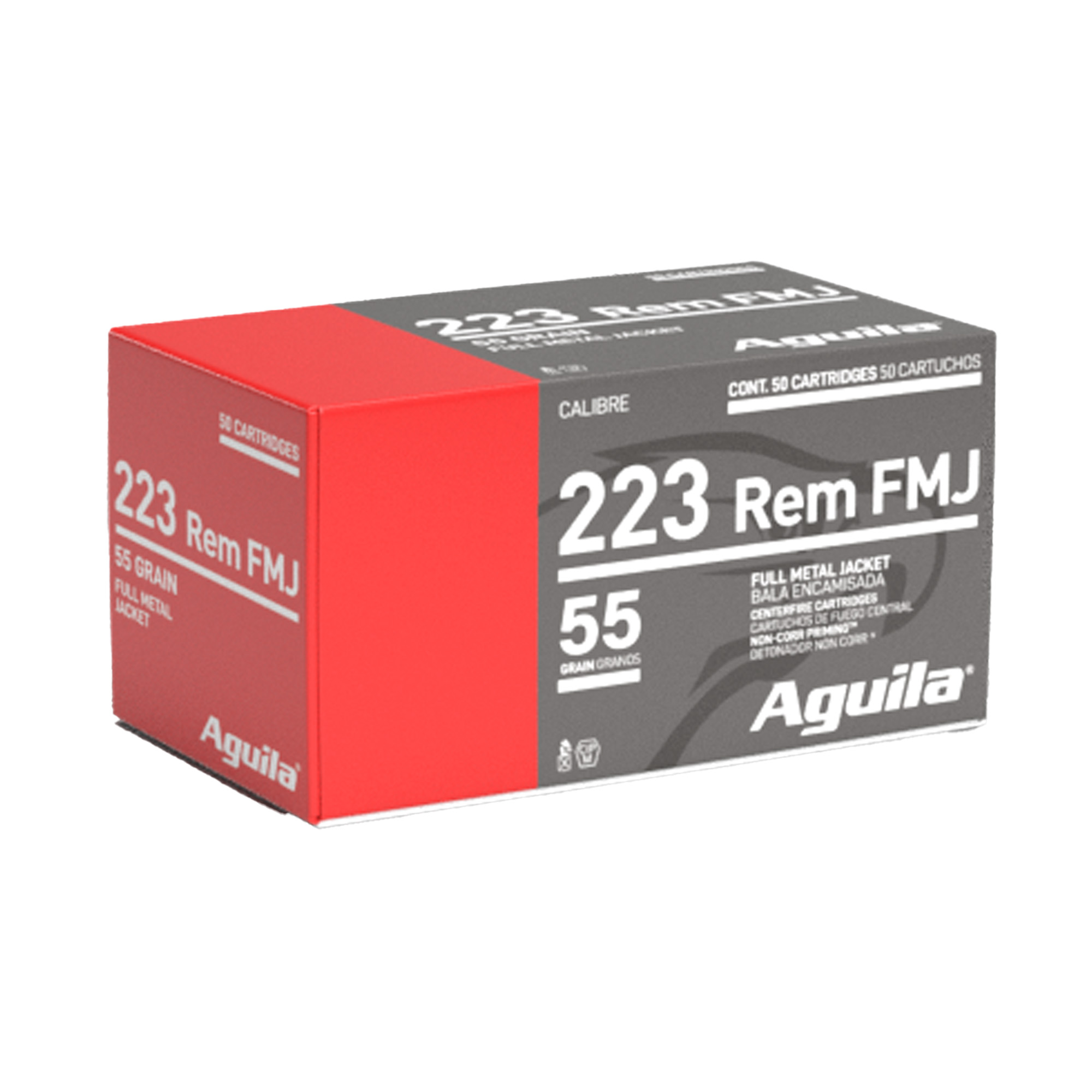
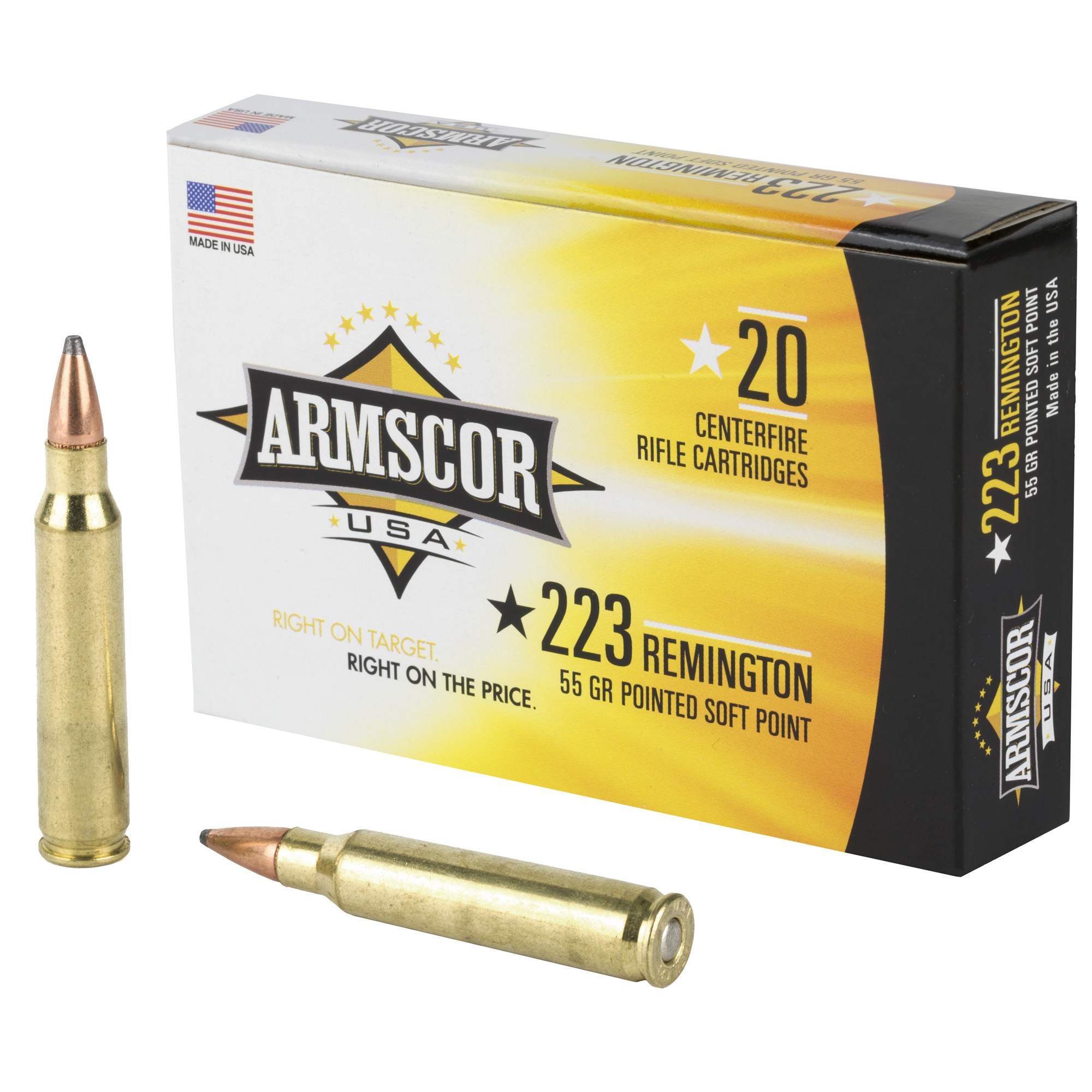
Grain weight should be compared inside the correct cartridge path. A 55 grain .223 load, a 150 grain .308 load, a 180 grain .30-06 load, and a 140 grain 6.5 Creedmoor load should not be judged by weight alone. The buyer should pair grain weight with bullet type, casing, package count, and the product description.
Casing also belongs in the comparison. Brass case, steel case, nickel-plated case, boxer-primed, and other listing details may appear depending on the product. If casing type matters to the buyer, confirm it before comparing bulk price or case quantity.
Brand Paths That Help Narrow Rifle Ammo
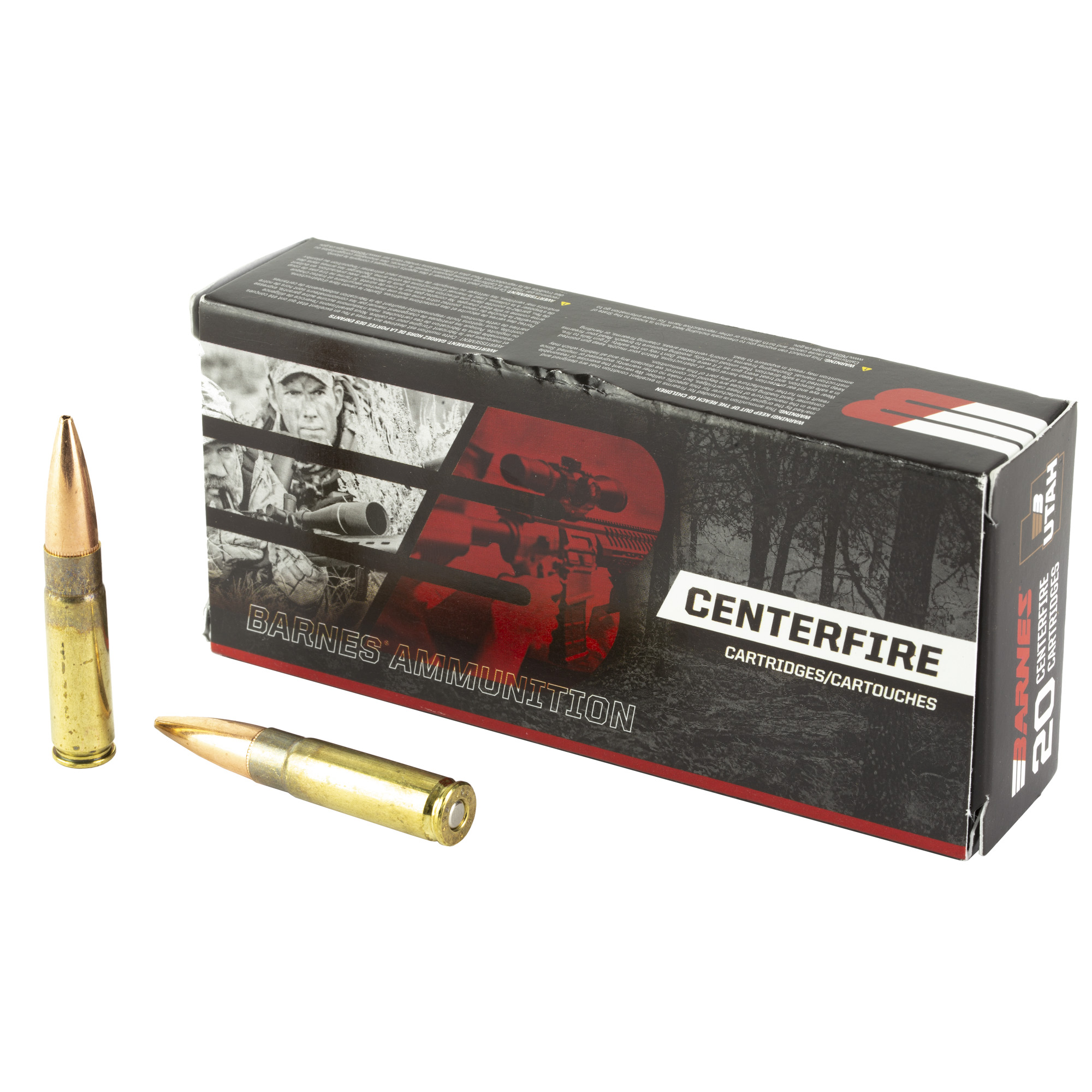
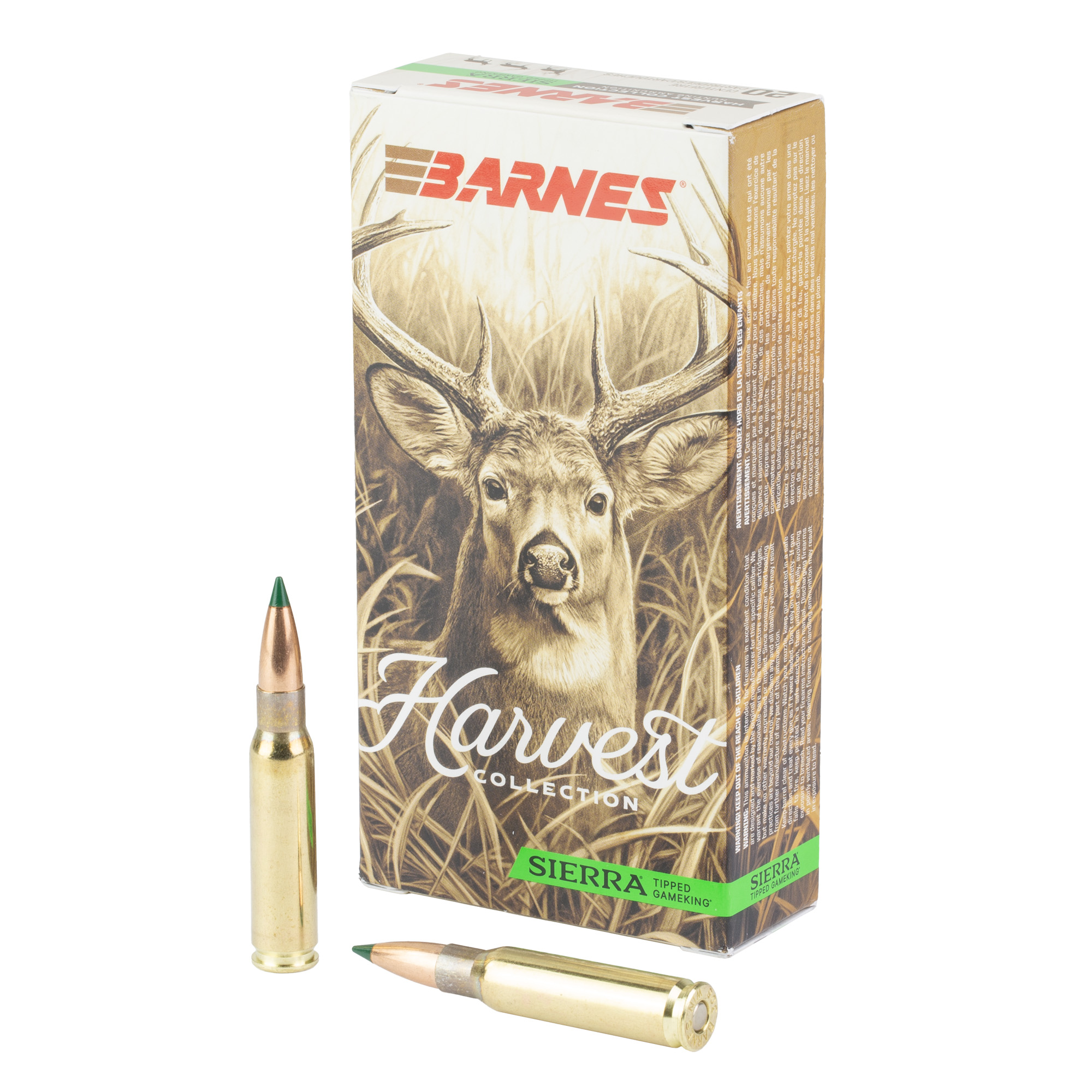
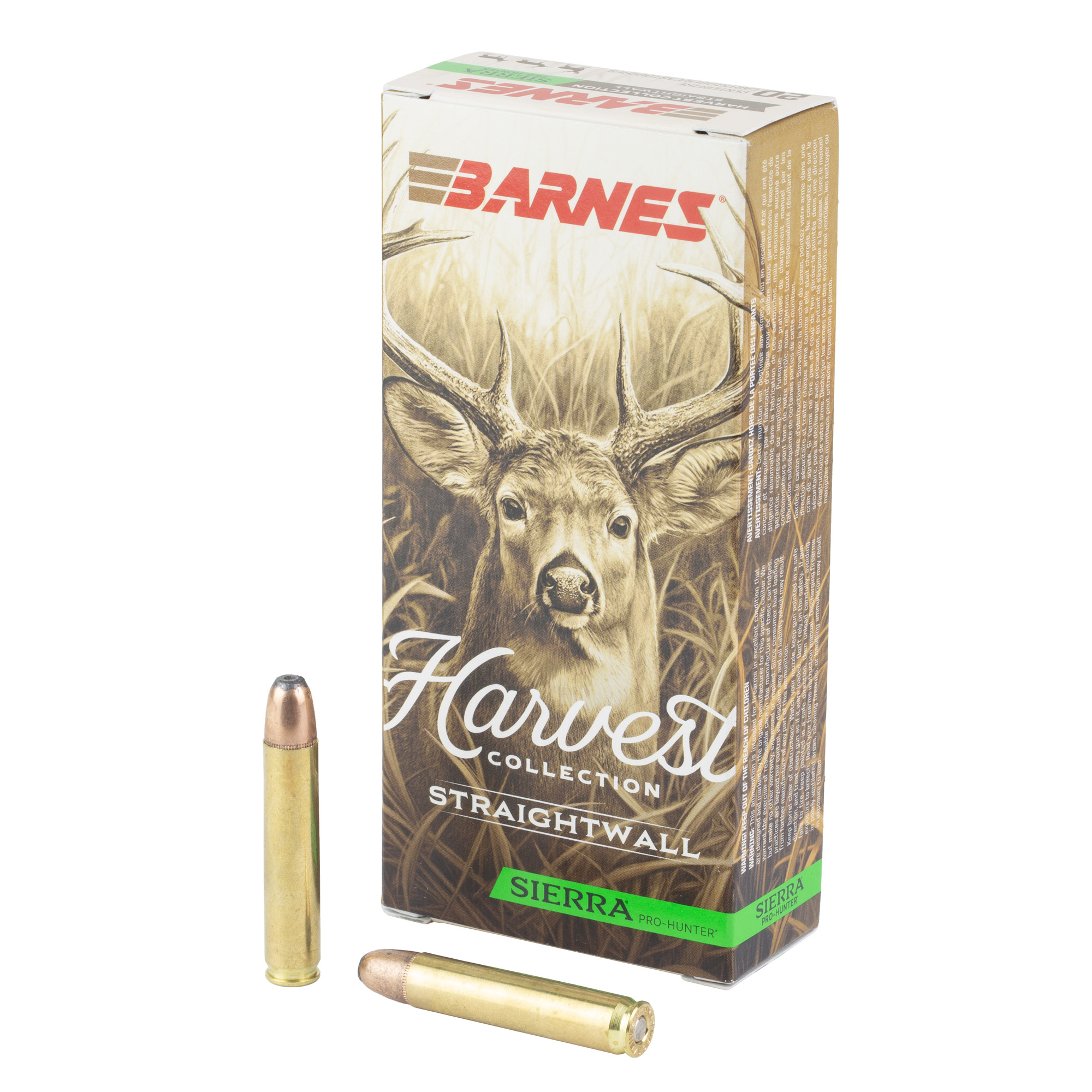
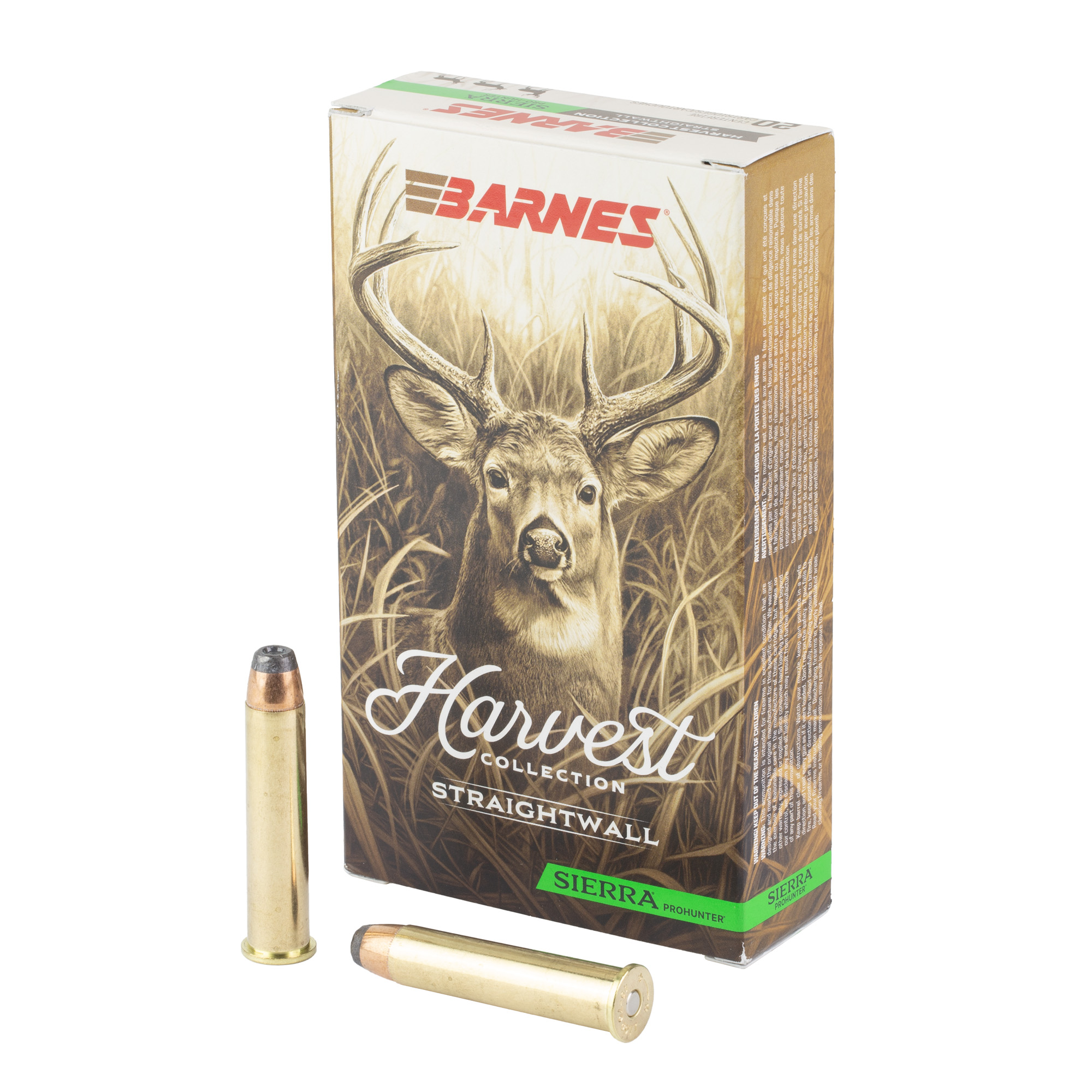
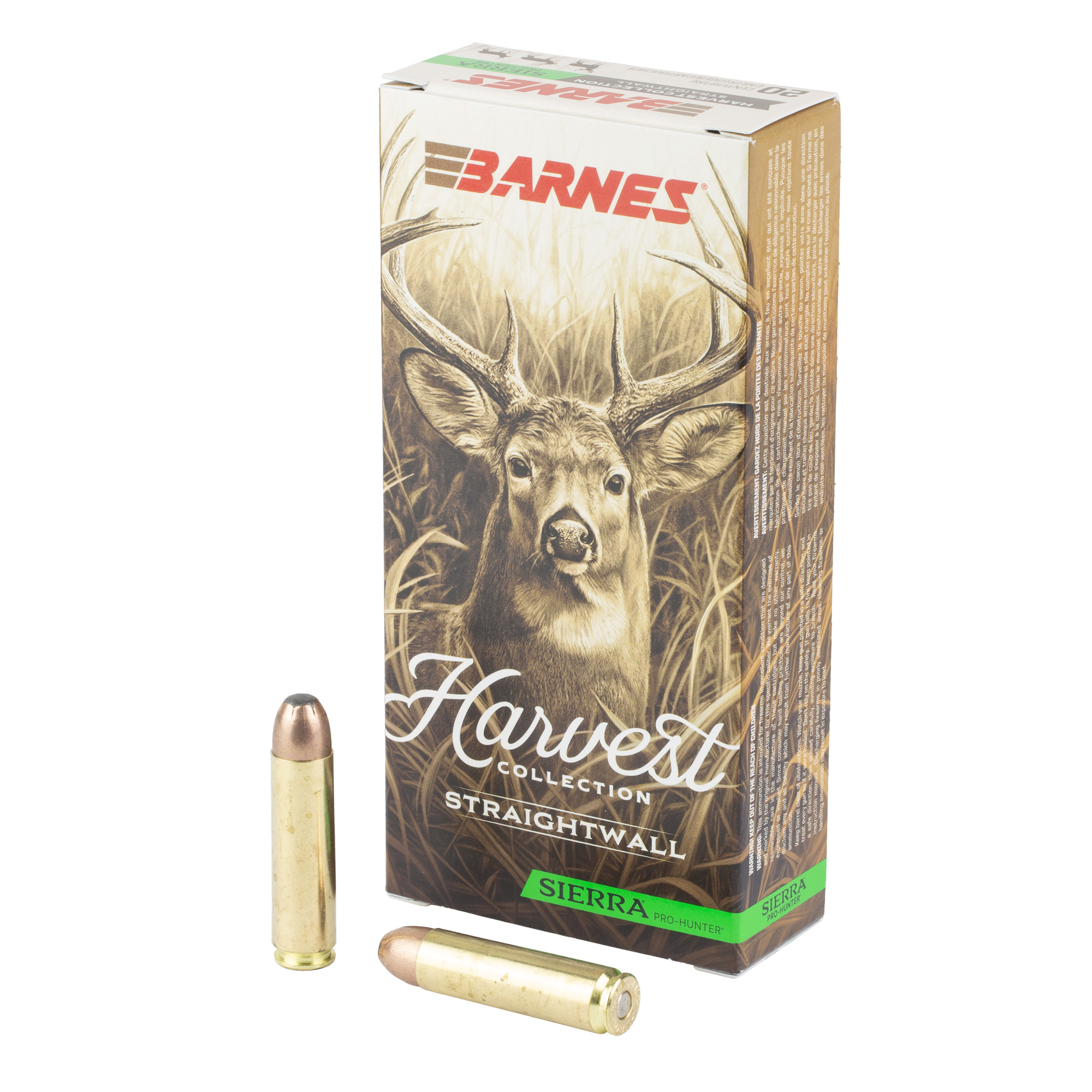
Brand can help organize Rifle Ammo, but it should not replace the cartridge and load check. Buyers comparing Federal, Winchester, Hornady, Remington Ammunition, PMC, Prvi Partizan, Nosler, Black Hills Ammunition, Lapua, and Barnes should still check caliber, grain weight, bullet construction, casing, package size, and total round count.
That brand check works best after the buyer knows the cartridge. One rifle brand path may be useful for .223 and 5.56 cases. Another may be stronger for .308, 6.5 Creedmoor, .243 Winchester, .300 Win Mag, or heavier hunting cartridges. The product listing still needs to match the rifle chambering before checkout.
Bulk Rifle Ammo Needs A Case-Quantity Check
Bulk Rifle Ammo should be reviewed by total round count and packaging format. Rifle ammunition may appear as 20-round boxes, 40-round packs, 50-round boxes, 200-round cases, 500-round cases, 1000-round cases, or other quantity groupings depending on the product.
Do not compare a small hunting box and a large range case as if the only difference is price. The bullet type, grain weight, cartridge, and total quantity can all change the value. A lower displayed price may represent fewer rounds, a different projectile, or a different case format.
For larger rifle orders, review the number of boxes, rounds per box, case total, and shipping address before payment. The cart should show the exact quantity the buyer expects.
Checkout Review For Rifle Ammo Orders
Before placing a Rifle Ammo order, confirm the caliber, chambering, bullet weight, bullet construction, casing, box count, case quantity, total round count, destination eligibility, and any checkout notice tied to the buyer’s shipping address. The product title should match the rifle cartridge intended for the order.
Use the checkout screen as the final cleanup pass. Recheck the product title, cartridge name, bullet weight, bullet type, package quantity, shipping address, and any address-based notice before payment. That keeps the order focused on the correct rifle ammunition path.
What Is The Best Way To Shop Rifle Ammo?
The best way to shop Rifle Ammo is to start with the exact cartridge and rifle chambering, then compare grain weight, bullet construction, casing, box count, case quantity, total rounds, and shipping eligibility. Cartridge fit should come before brand or price.
What Should I Check Before Buying Bulk Rifle Ammo?
Before buying bulk rifle ammo, check the cartridge name, bullet weight, bullet type, casing, box count, case quantity, total round count, and destination eligibility. Bulk buying works best when the buyer already knows the correct rifle caliber and load style.
How Do I Compare Rifle Calibers Before Ordering?
Compare rifle calibers by matching the firearm chambering to the product listing first. After the cartridge is confirmed, compare bullet weight, bullet construction, casing, package quantity, and total rounds before checkout.
Should I Compare Rifle Ammo By Brand First?
Brand can help narrow Rifle Ammo, but the buyer should confirm cartridge, grain weight, bullet type, casing, package quantity, and shipping eligibility first. The brand path is most useful after the rifle caliber and load details are clear.
Which Rifle Calibers Are Useful Starting Points?
Useful Rifle Ammo starting points include .223, 5.56, .308, .300 Blackout, 7.62×39, .243 Winchester, 6.5 Creedmoor, .30-06, 7mm Rem Mag, .300 Win Mag, .45-70, and other direct rifle caliber paths. The buyer should choose the path that matches the firearm chambering and product listing.