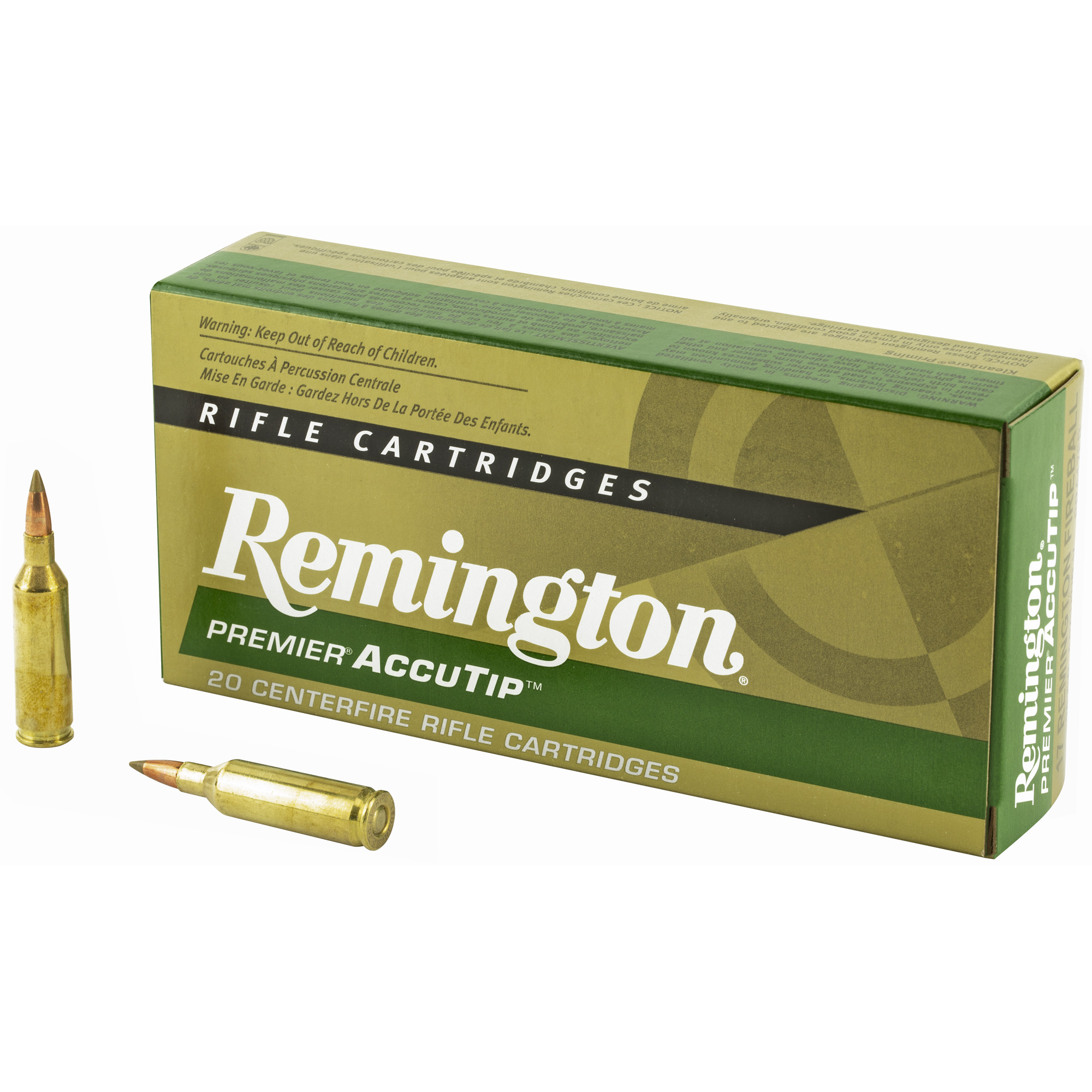
.17 Remington Ammo Shopping Guide
Keep The Order Tied To .17 Remington, Not Just “Seventeen”
Shop .17 Remington Ammo for sale when you want loaded rifle rounds separated by exact cartridge name, bullet weight, box count, and total order quantity. Buyers looking for .17 Remington ammo or bulk 17 Remington ammo should keep the cart tied to complete centerfire rifle cartridges first, because “17 Remington” searches can sit close to .17 HMR, .17 WSM, .17 Hornet, .17 Remington Fireball, brass, bullets, and component listings that are not the same product.
.17 Remington is a centerfire rifle cartridge, and the full cartridge name matters. The “.17” part can pull in rimfire ammunition, Hornet listings, Fireball listings, loose bullets, and brass. The “Remington” part can also bring up Remington-branded ammunition or Remington brass. A clean order starts with the full product title saying .17 Remington, 17 Remington, ammunition, cartridges, loaded rounds, or rifle ammo.
This is a less-common small-caliber rifle cartridge, so the product title has to do more work. Buyers are usually not looking at endless shelves of identical bulk ammo. They are trying to land on the correct cartridge, read the bullet weight, separate loaded ammunition from components, and understand the real package quantity before adding more boxes to the cart.
Is .17 Remington The Same As .17 HMR Or .17 WSM?
No. .17 Remington is a centerfire rifle cartridge, while .17 HMR and .17 WSM are rimfire cartridges. Those names can show up near each other in search results, but the buyer should match the product title to the exact firearm marking and keep the order tied to .17 Remington specifically.
The Load Details Are Small, But They Change The Cart
.17 Remington ammunition often shows up with light bullet weights, and small differences in the title can change what the buyer is actually ordering. A 20-grain Varmageddon-style listing, a 20-grain V-MAX-style listing, and a 25-grain hollow point listing should not be treated as the same box just because the cartridge name is close.
Read the listing in a practical order: cartridge name, bullet weight, bullet style, brand, rounds per box, boxes per case, and total round count. That keeps the cart focused on the actual product instead of the first price or the shortest version of the name.
For bulk 17 Remington ammo, quantity clarity matters even more. A buyer may see a 20-round box, a 50-round box, or a multi-box case depending on the brand and product line. The best comparison is not just “which one costs less?” It is “which exact .17 Remington load is this, and how many loaded rounds are actually in the order?”
What Grain Weights Show Up Often With .17 Remington Ammo?
.17 Remington Ammo commonly appears around light rifle-ammo listings such as 20-grain and 25-grain bullet weights. Buyers should still read the full product title for cartridge name, bullet style, brand, box count, case quantity, and total round count before buying.
Brand Names Worth Reading Closely For This Cartridge
Remington Ammunition is the most natural brand name to read closely on this page because the cartridge carries the Remington name and Remington lists .17 Remington loaded rifle ammunition as well as separate .17 Remington brass. That makes product-type wording important. A Remington listing that says rifle ammunition is not the same product as a Remington listing that says unprimed brass.
Nosler gives buyers another strong comparison point through Varmageddon-style .17 Remington ammunition. Nosler-style listings can make the bullet weight and product family easy to spot, but the buyer still needs to read the package quantity and make sure the listing is loaded ammunition rather than brass or another component item.
HSM belongs in the comparison when shoppers see .17 Remington listed with 20-grain V-MAX-style rifle ammunition. That kind of product title should be read as a whole: cartridge, bullet weight, bullet style, package count, and rifle-ammo wording. The brand name helps narrow the cart, but it does not replace the product details.
Hornady can matter around bullet names and small-caliber rifle-ammo wording, especially when another brand’s loaded ammunition uses a Hornady bullet. That does not automatically make every Hornady-related result a box of .17 Remington loaded ammo. If the listing is for bullets or reloading components, it belongs in a different buying decision.
Reed’s Ammunition & Research and Reed’s Ammunition should be handled by the exact product title when they appear around small or specialty rifle cartridges. For this cartridge, the buyer-facing rule stays the same: the listing must clearly show .17 Remington loaded rifle ammunition before it belongs in an ammo cart.
Which Brands Are Worth Comparing For .17 Remington Ammo?
Remington Ammunition, Nosler, and HSM are useful names to read closely for .17 Remington Ammo when their listings appear. Hornady, Reed’s Ammunition & Research, and Reed’s Ammunition can also matter around product-title review, but buyers should separate loaded ammunition from bullets, brass, and component listings before judging quantity.
Where Fireball, Hornet, Brass, And Bullet Wording Can Mislead The Order
The easiest mistake on this page is assuming every “17” result is the same buying lane. .17 Remington is not .17 Remington Fireball. It is not .17 Hornet. It is not .17 HMR or .17 WSM. The words after “17” decide the cartridge, and the noun after the cartridge decides the product type.
Brass listings are a common product-type split. A 100-count bag of .17 Remington brass is not 100 rounds of loaded .17 Remington ammunition. Loose .17-caliber bullets are also different from loaded cartridges. They may belong in a component order, but they do not belong in a loaded-ammo cart unless the buyer intentionally wants components.
For a clean online order, read the product wording closely. “.17 Remington ammo” points toward loaded rounds. “.17 Remington brass” points toward cases. “.17 bullets” points toward projectiles. “Dies,” “tools,” or “reloading supplies” point toward component-related products. Keeping those terms separate prevents a cart that looks close but contains the wrong item.
Why Do Brass Or Bullet Listings Show Up Near .17 Remington Ammo?
Brass and bullet listings can show up near .17 Remington Ammo because they share cartridge or caliber wording. If the buyer wants loaded ammunition, the product title should clearly say ammunition, cartridges, rounds, or loaded rifle ammo.
The Rifle Ammo Connection That Keeps The Cart Clean
.17 Remington belongs inside Rifle Ammo, and that broader rifle-ammo view is useful when buyers want to shop by cartridge, brand, or package quantity. The .17 Remington page itself should stay focused on this exact centerfire rifle cartridge instead of drifting into rimfire or neighboring small-bore rifle listings.
That distinction matters because .17 Remington sits in a crowded naming area. .17 Hornet, .17 Remington Fireball, .17 HMR, .17 WSM, .204 Ruger, and other small-caliber products can appear nearby in general search results. Some are centerfire. Some are rimfire. Some may be component listings. They should not steer the cart unless the buyer is intentionally shopping that separate cartridge or product type.
For value-minded buying, the rifle-ammo connection helps most when the buyer compares how different brands package the same cartridge. Keep .17 Remington fixed, then look at bullet weight, bullet style, rounds per box, boxes per case, and total round count. That is the cleaner way to judge a small box against a bulk order.
Is Bulk 17 Remington Ammo Better Bought By Box Or Case?
Bulk 17 Remington ammo is easier to judge after the buyer knows the exact load, brand, and total round count. A smaller box can make sense for comparing bullet style, while a case quantity can be cleaner once the exact .17 Remington listing is already clear.
A Cleaner .17 Remington Order Before Checkout
Before placing an online ammunition order, make sure the cart reflects the exact product intended. For .17 Remington, that means loaded centerfire rifle ammunition, the correct cartridge name, the preferred bullet weight, and a clear total round count.
Then read the checkout, destination, carrier, and shipping-eligibility notices shown during the order process. Ammunition orders can involve buyer, location, carrier, and order-detail review. Product information can help shoppers build a clearer cart, but it should not be treated as a guarantee that every item can ship to every destination.
A good .17 Remington order stays precise. Keep the full cartridge name intact, keep rimfire .17 results out of the cart, separate loaded rounds from brass and bullets, and judge bulk value by the complete package instead of a single price or shortened search term.
Can Every .17 Remington Ammunition Order Ship To Every Destination?
No shipping guarantee should be assumed from the product page alone. Buyers should read the checkout notices, destination eligibility details, carrier requirements, and any order instructions shown during checkout before placing a .17 Remington ammunition order.