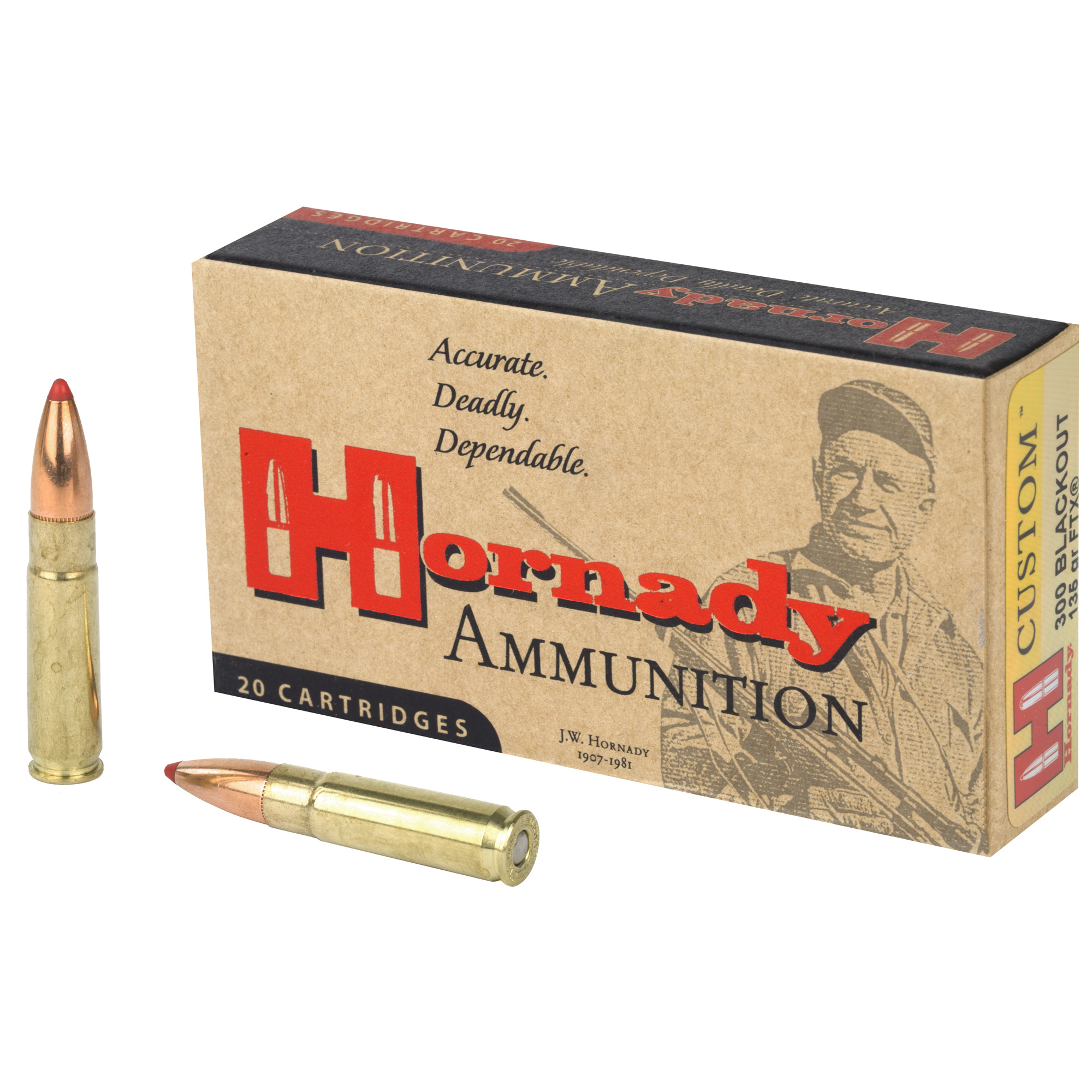
Start .300 Blackout Ammo With The Exact Cartridge Name
.300 Blackout Ammo should be selected by exact rifle chambering first, then narrowed by bullet weight, bullet construction, subsonic or supersonic load style, casing, box count, case quantity, total round count, and shipping eligibility. The product title should clearly say .300 Blackout, 300 Blackout, 300 BLK, or 300 AAC Blackout before the buyer compares brand, price, or bulk quantity.
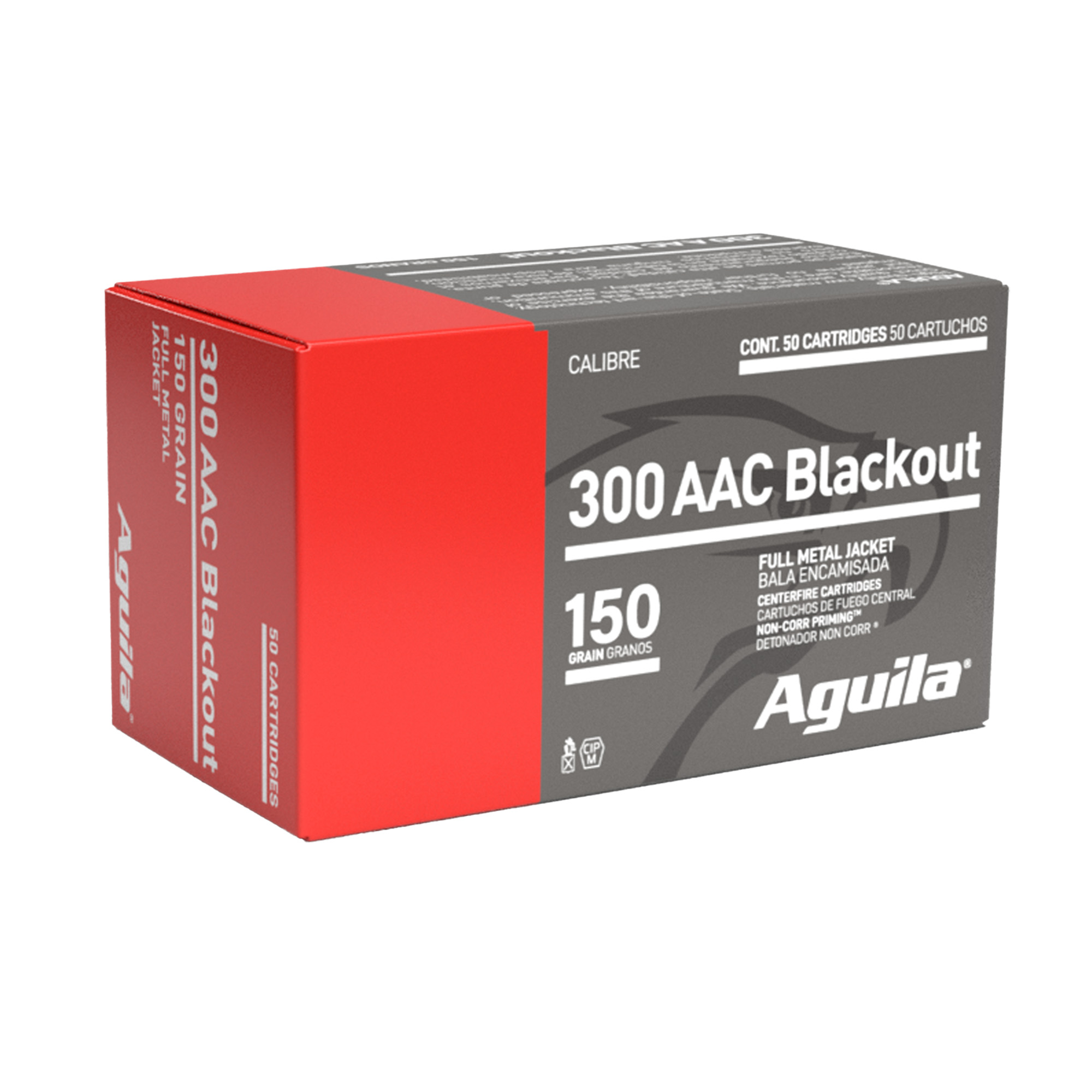
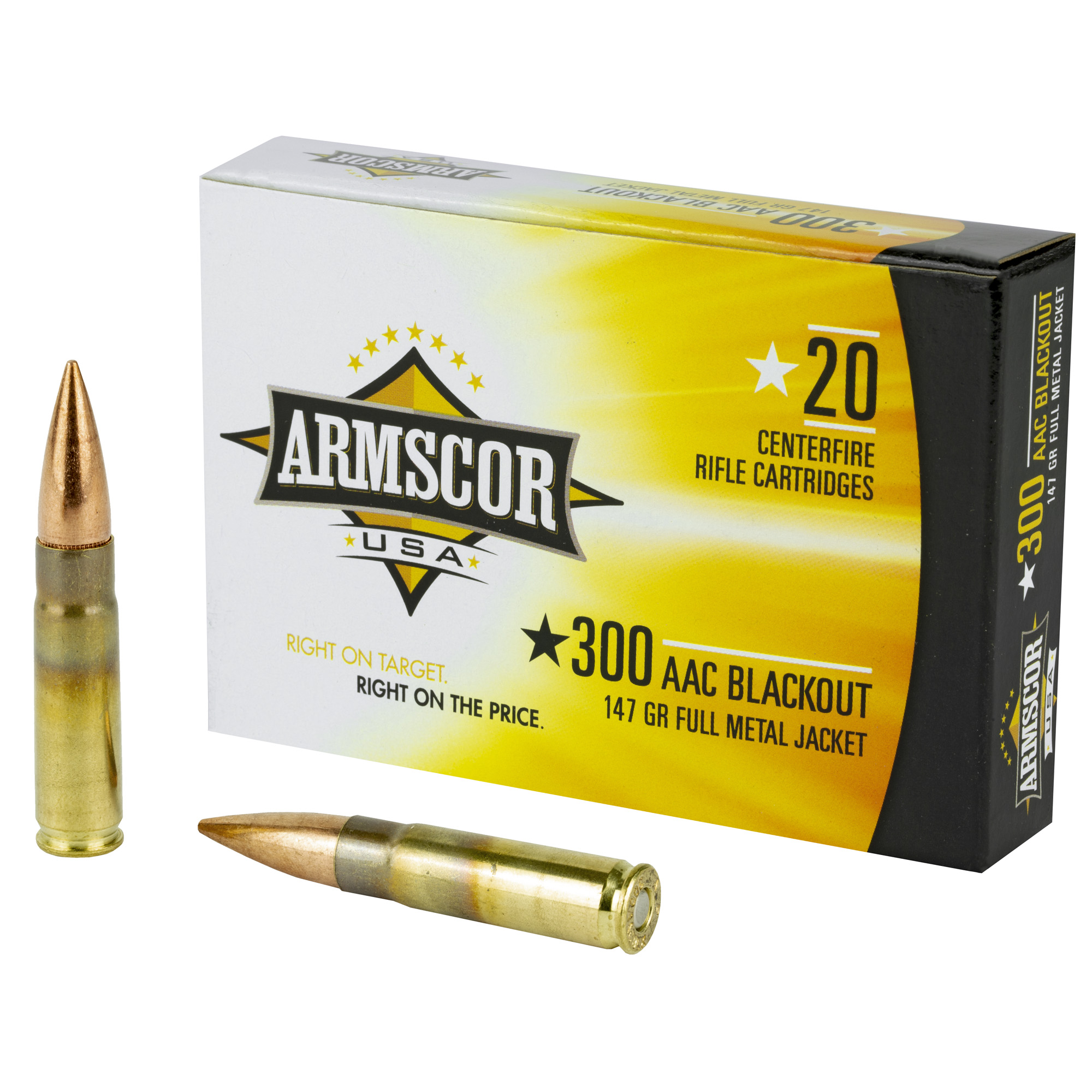
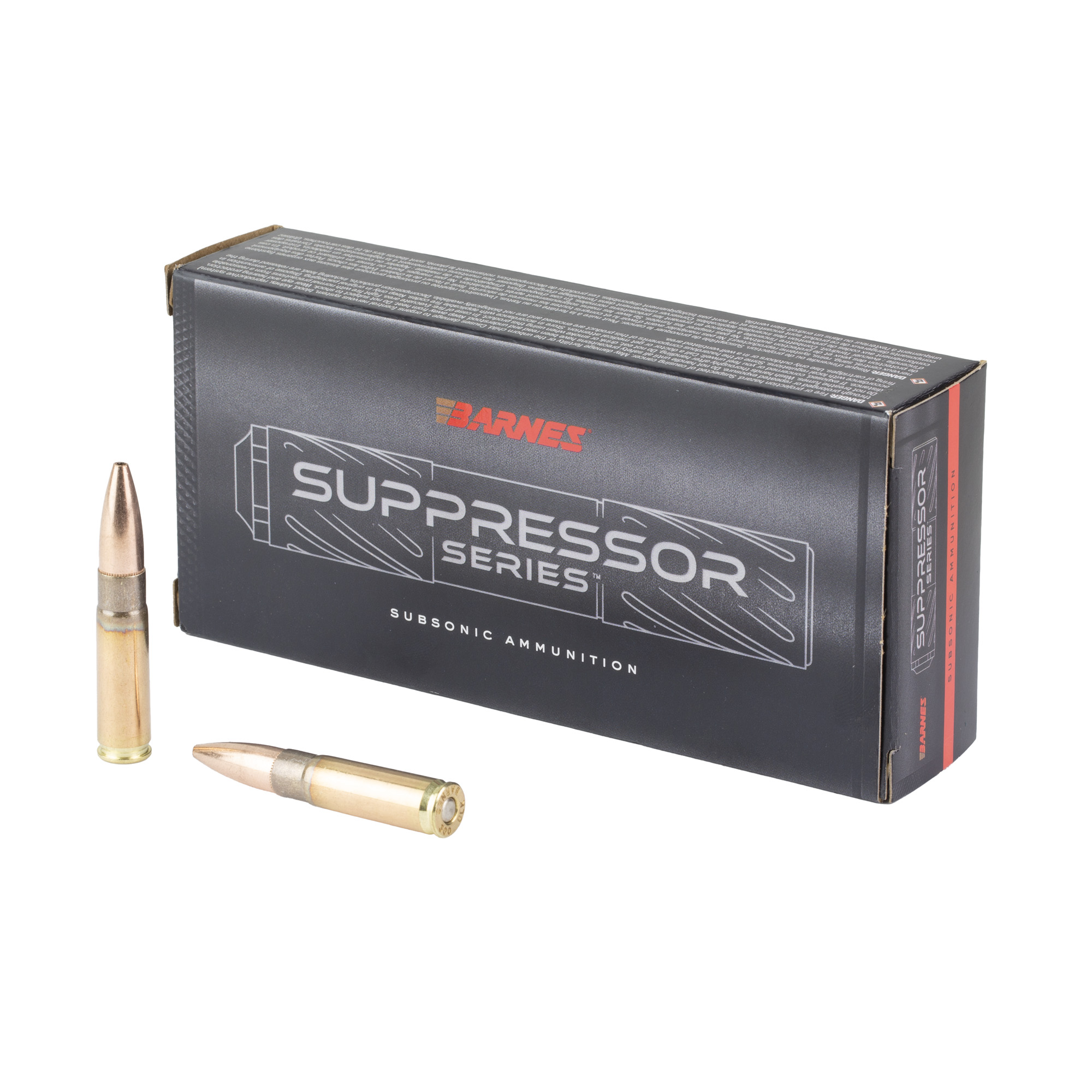
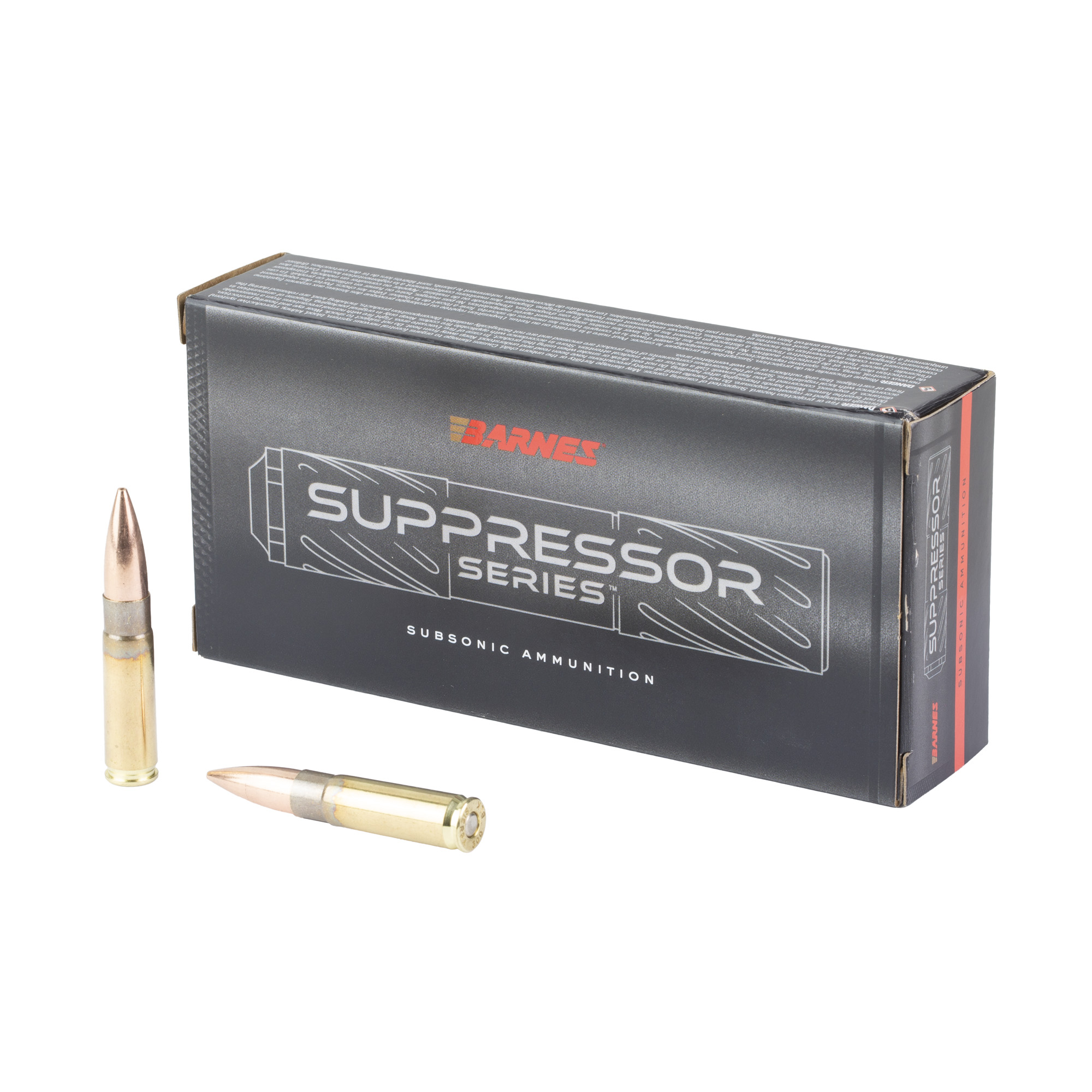
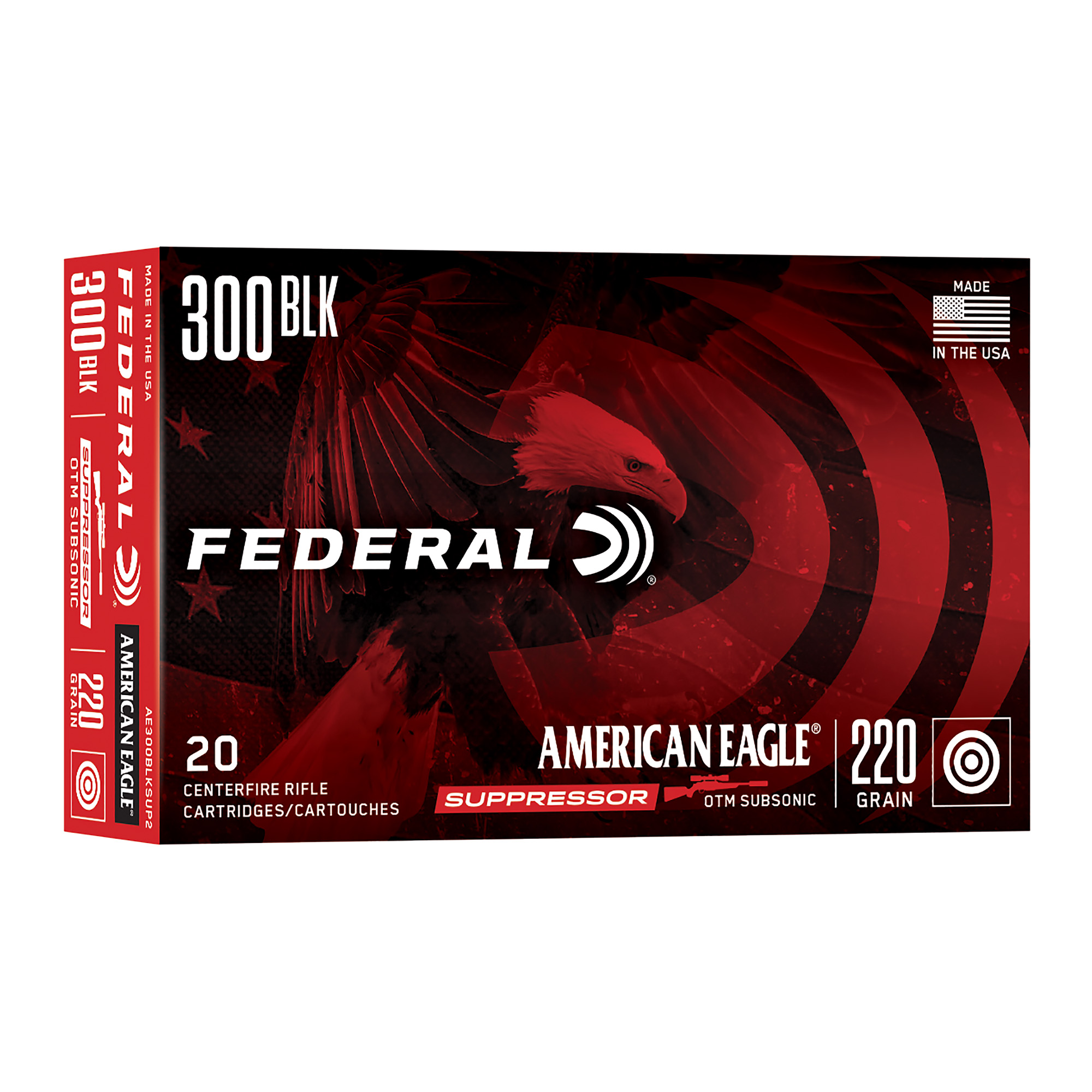
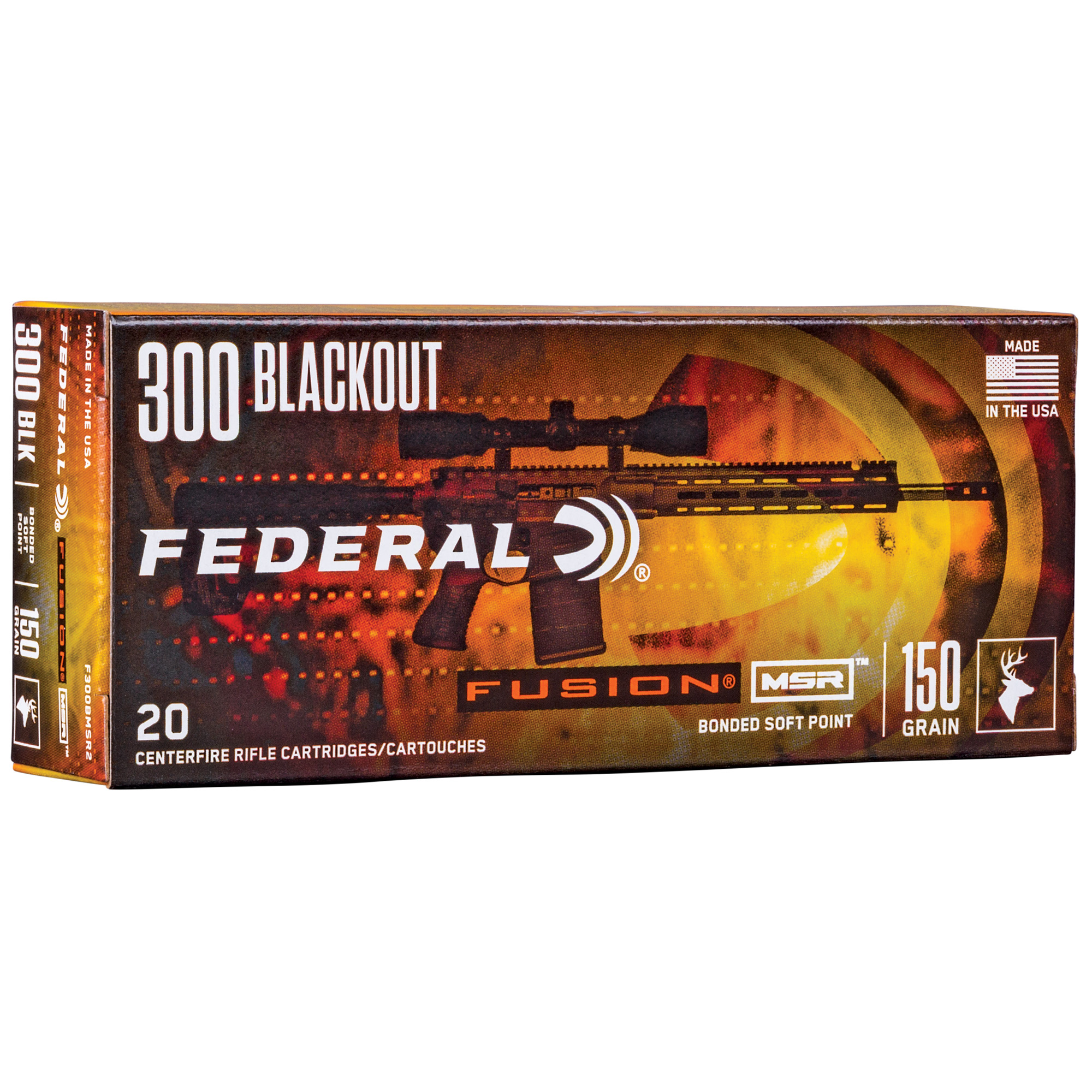
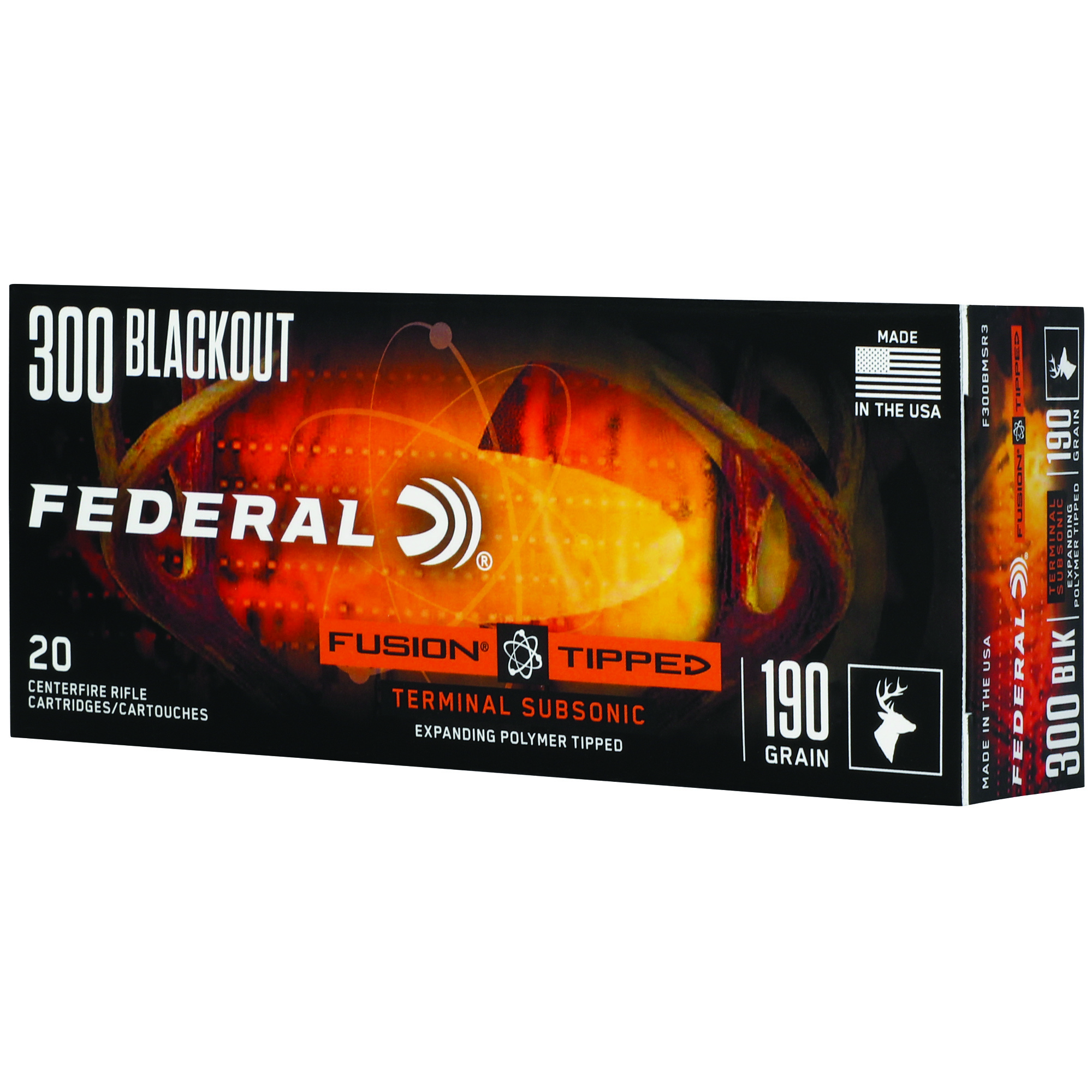
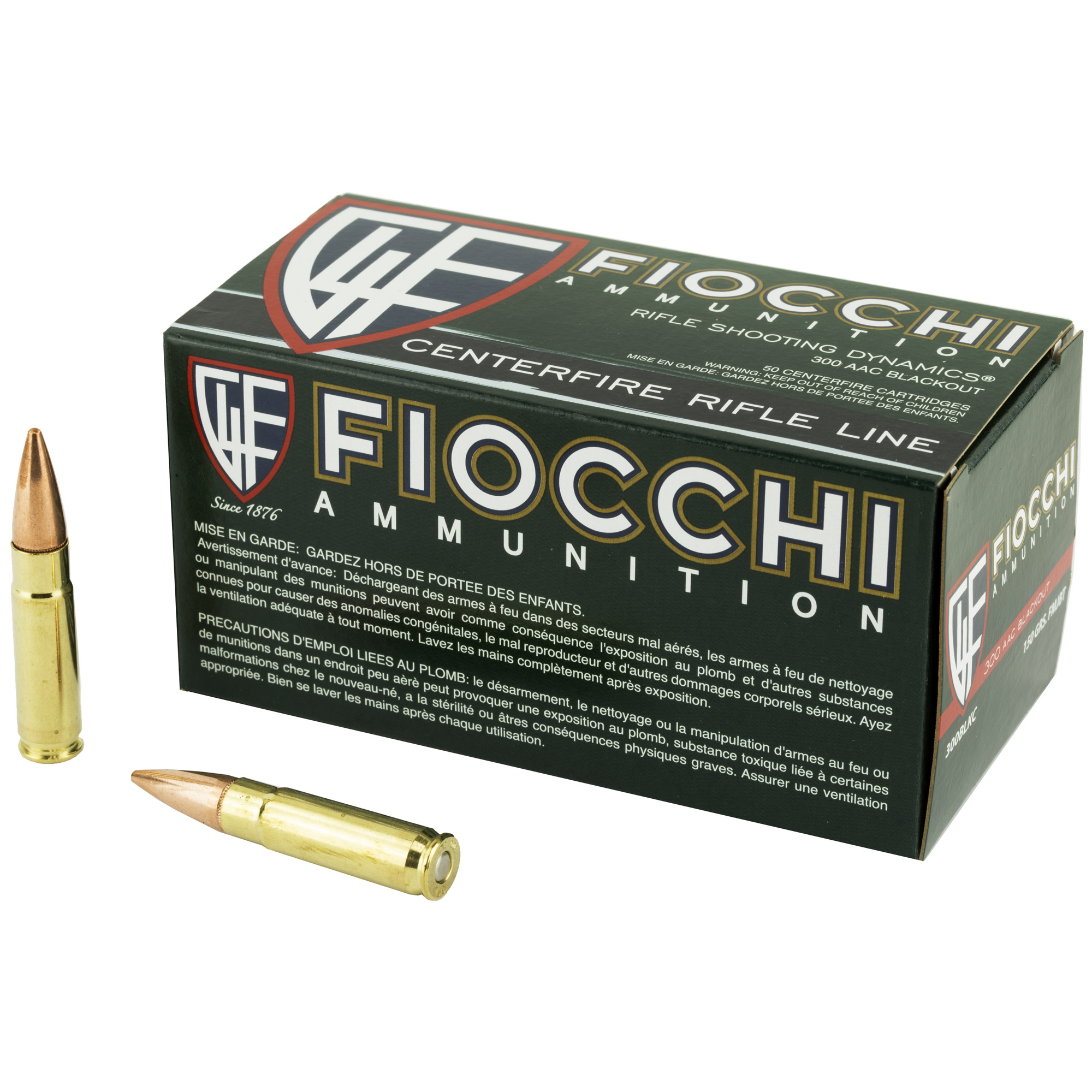
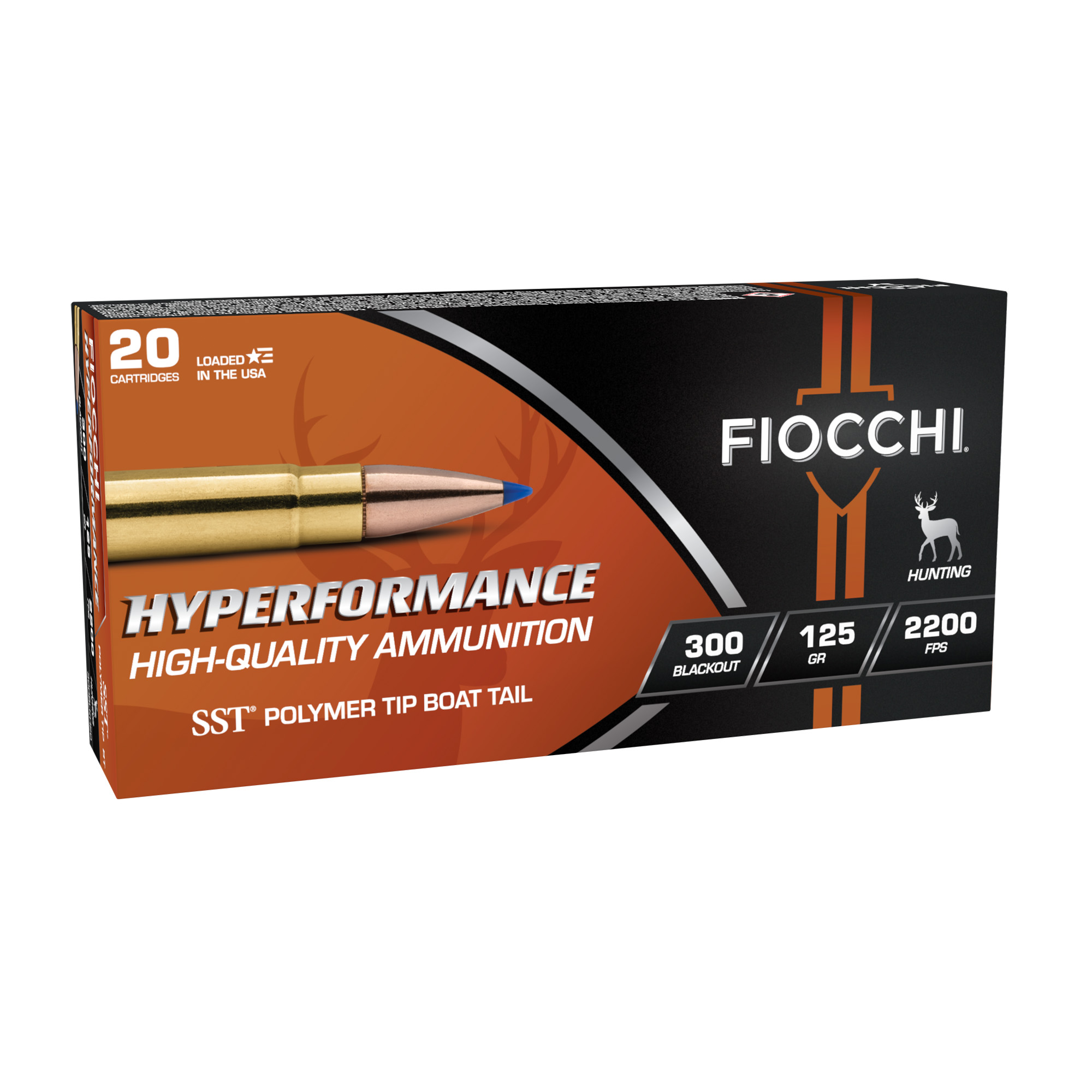
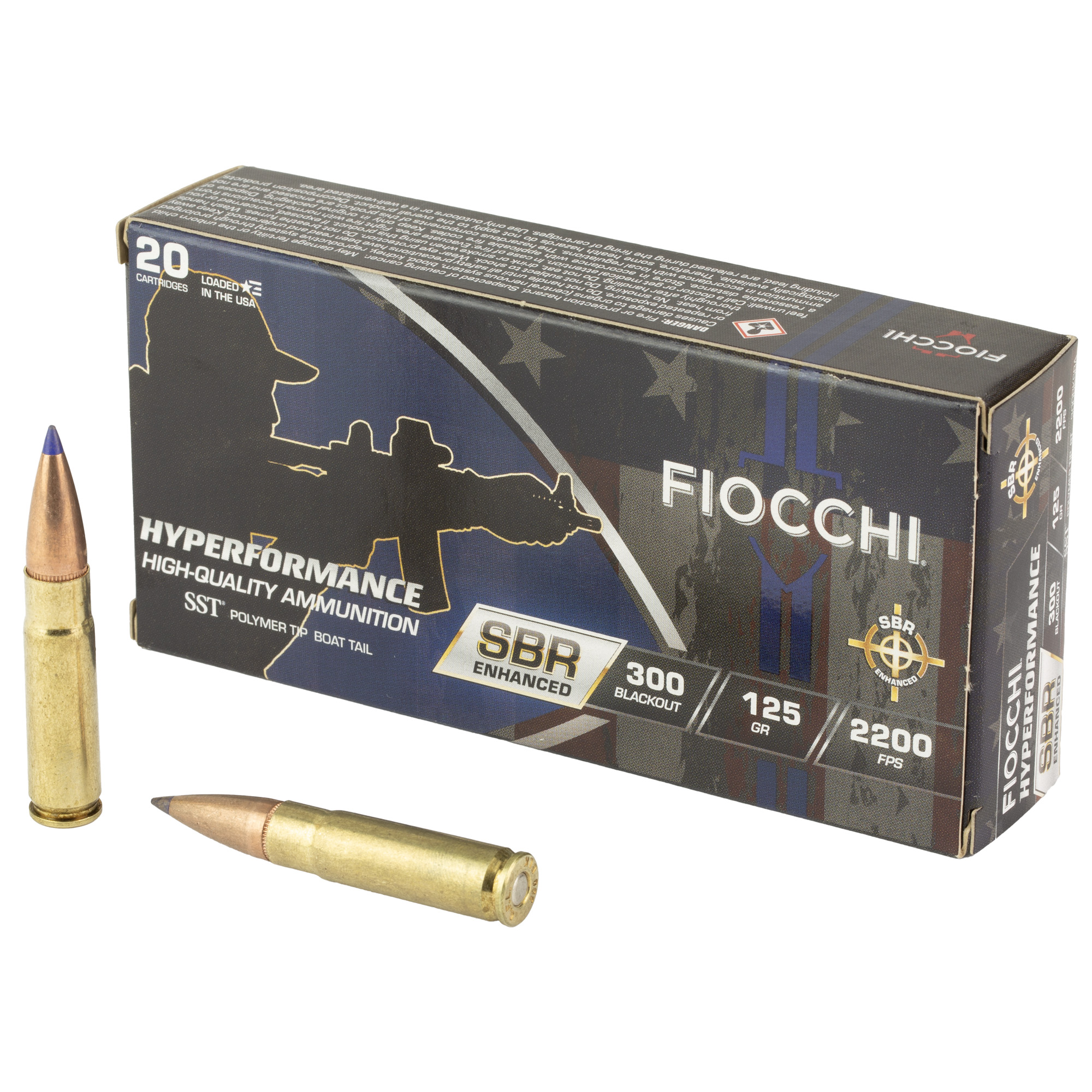
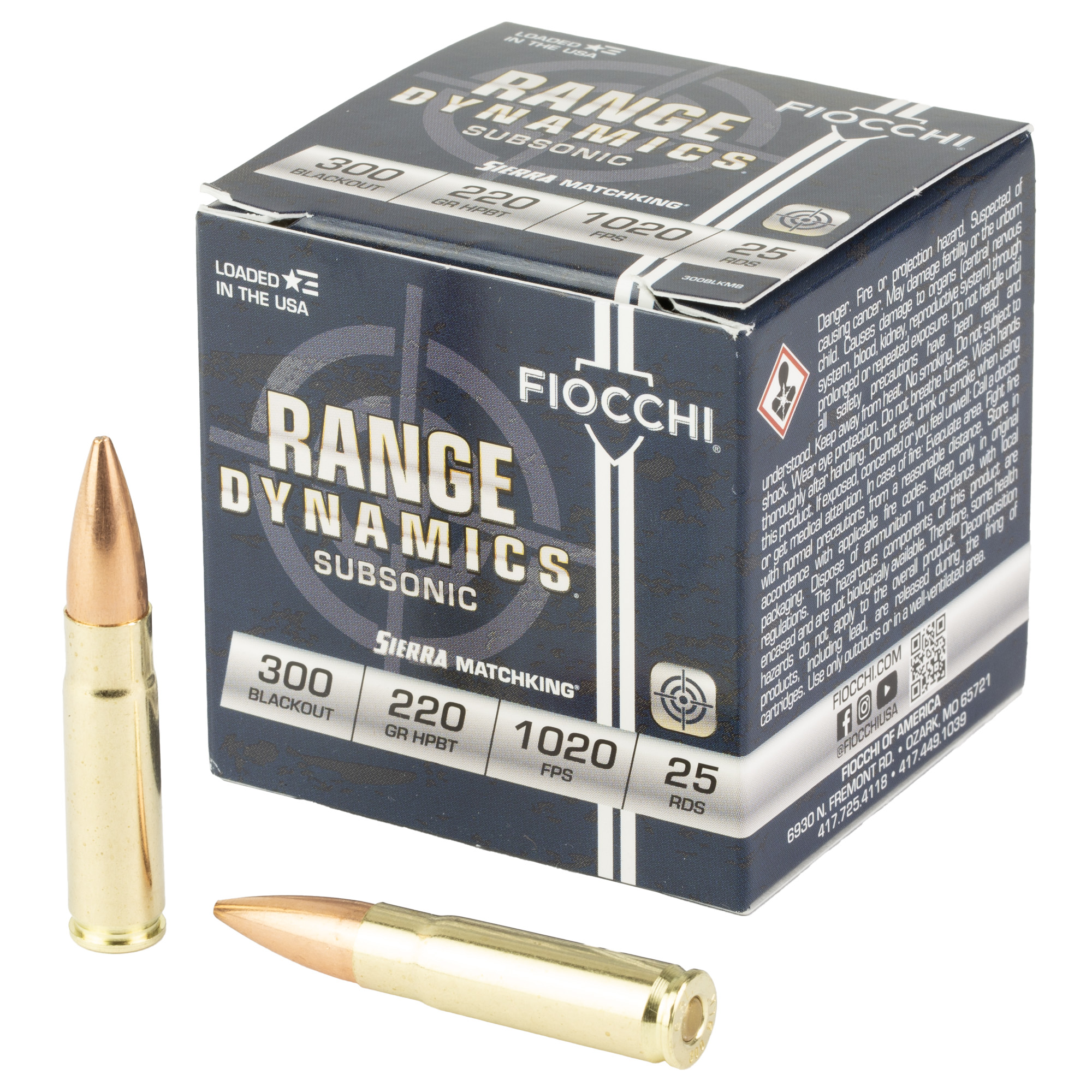
This cartridge has a wider load spread than many rifle buyers expect. A 110 grain tipped load, 125 grain open-tip listing, 150 grain FMJ box, 150 grain soft point, 190 grain Sub-X-style subsonic load, and 220 grain OTM-style option should not be treated as the same product just because the cartridge name matches.
Buyers looking for bulk 300 Blackout ammo should slow the order down long enough to separate cartridge wording, bullet weight, bullet type, and total rounds. A clean cart starts with the right .300 Blackout label, then moves into load style and case quantity.
Split 300 BLK Loads By Speed Label And Bullet Weight
300 BLK ammunition is commonly compared in two broad product lanes: lighter supersonic-labeled loads and heavier subsonic-labeled loads. The listing should tell the buyer which lane the product belongs to. Do not choose by grain weight alone without reading the full load description.
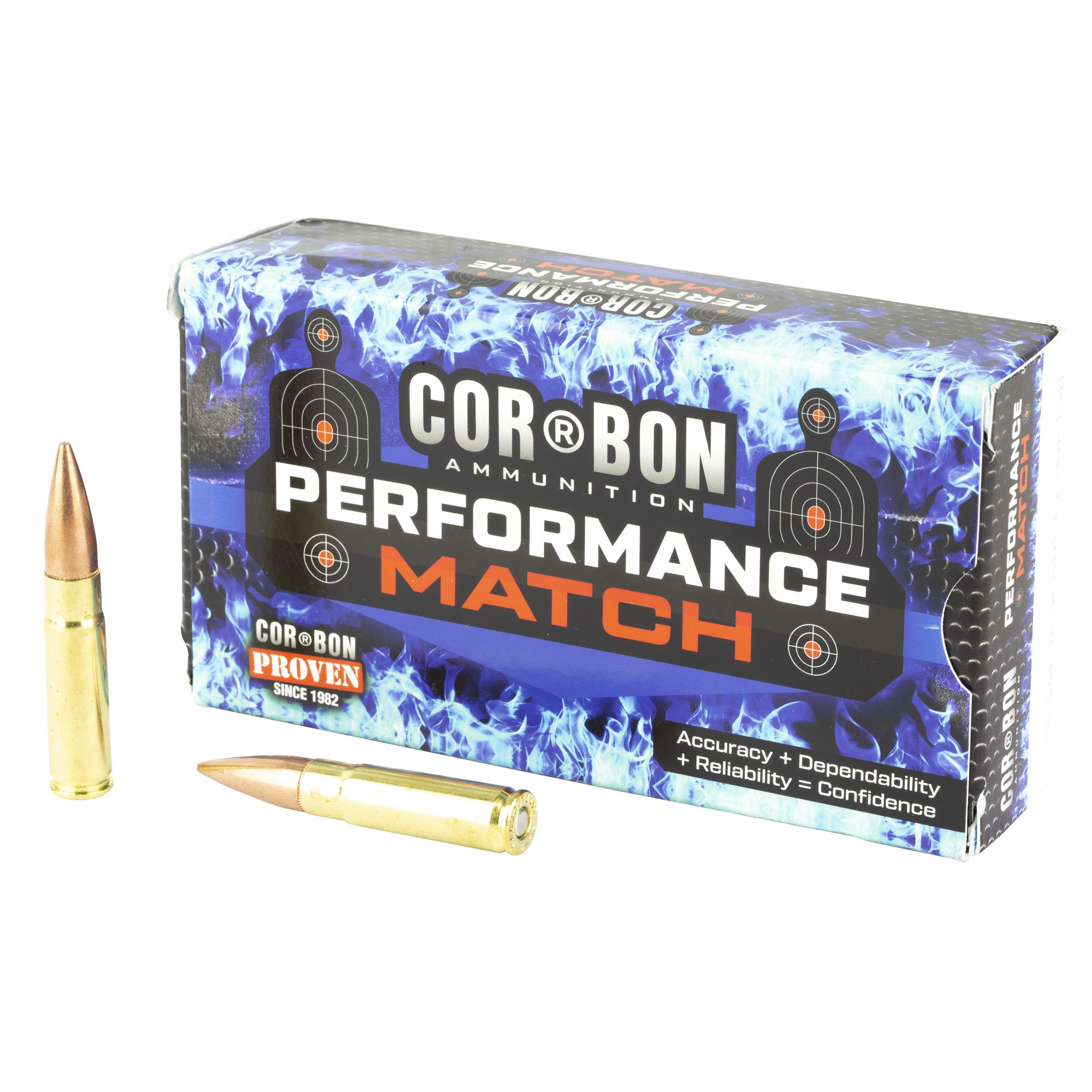
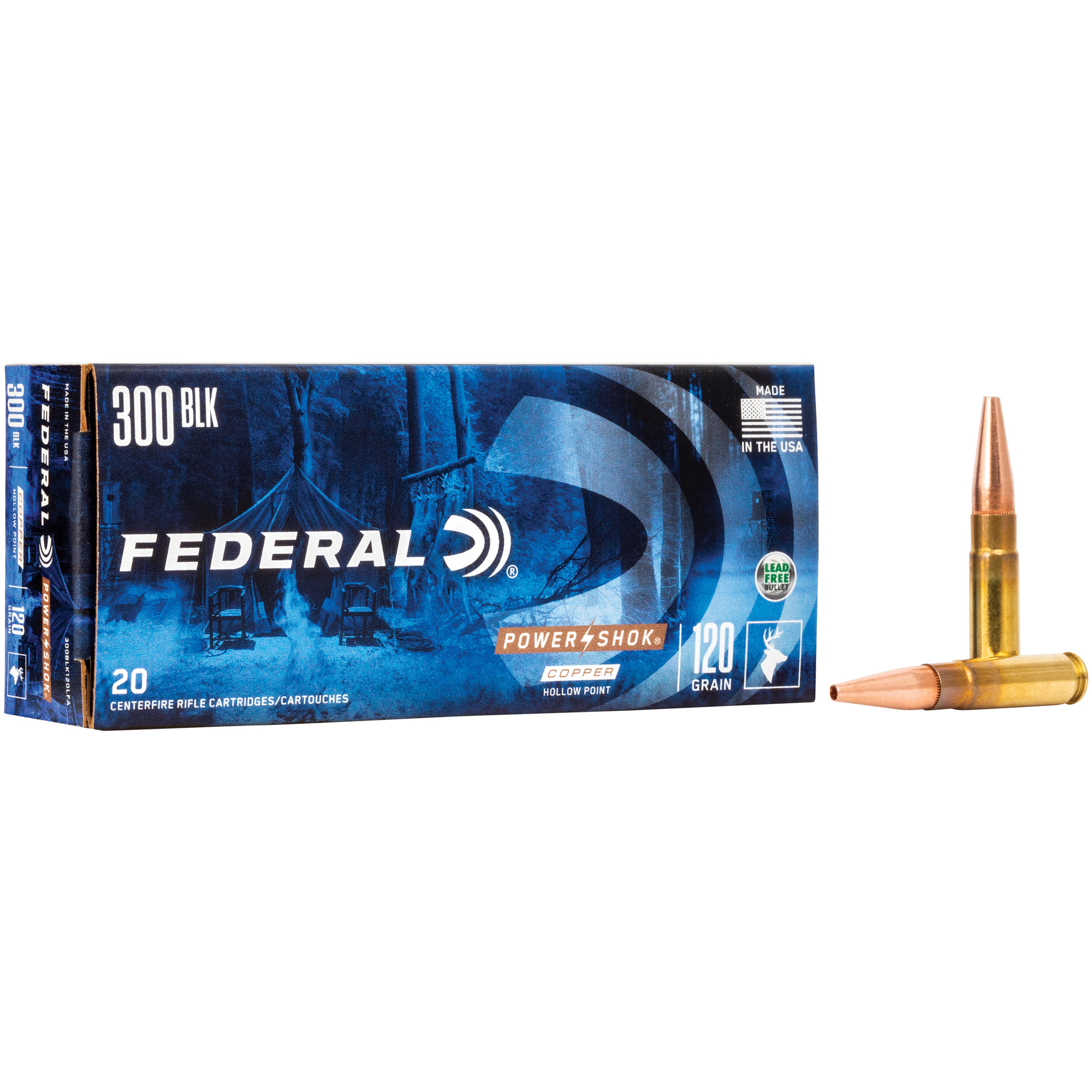
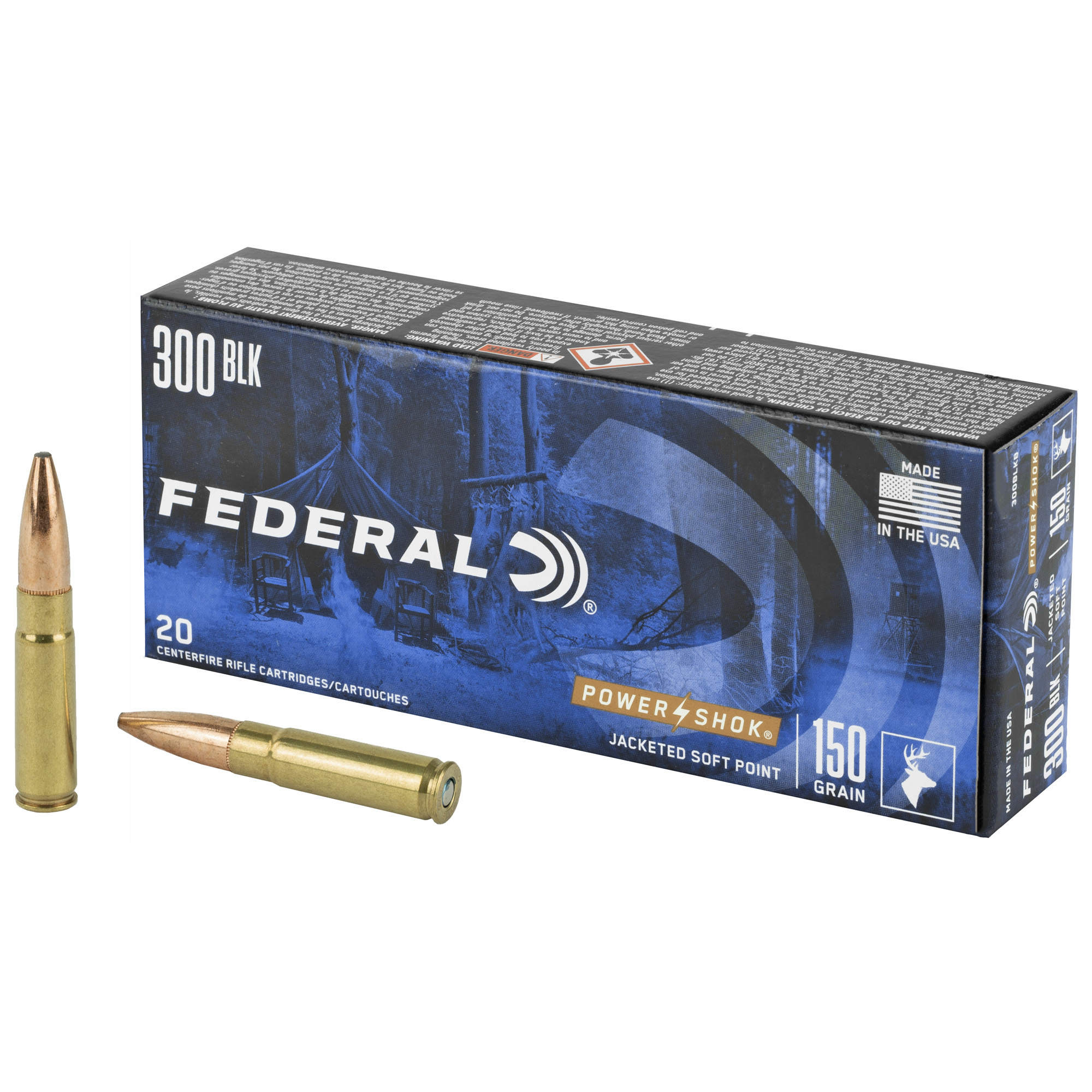
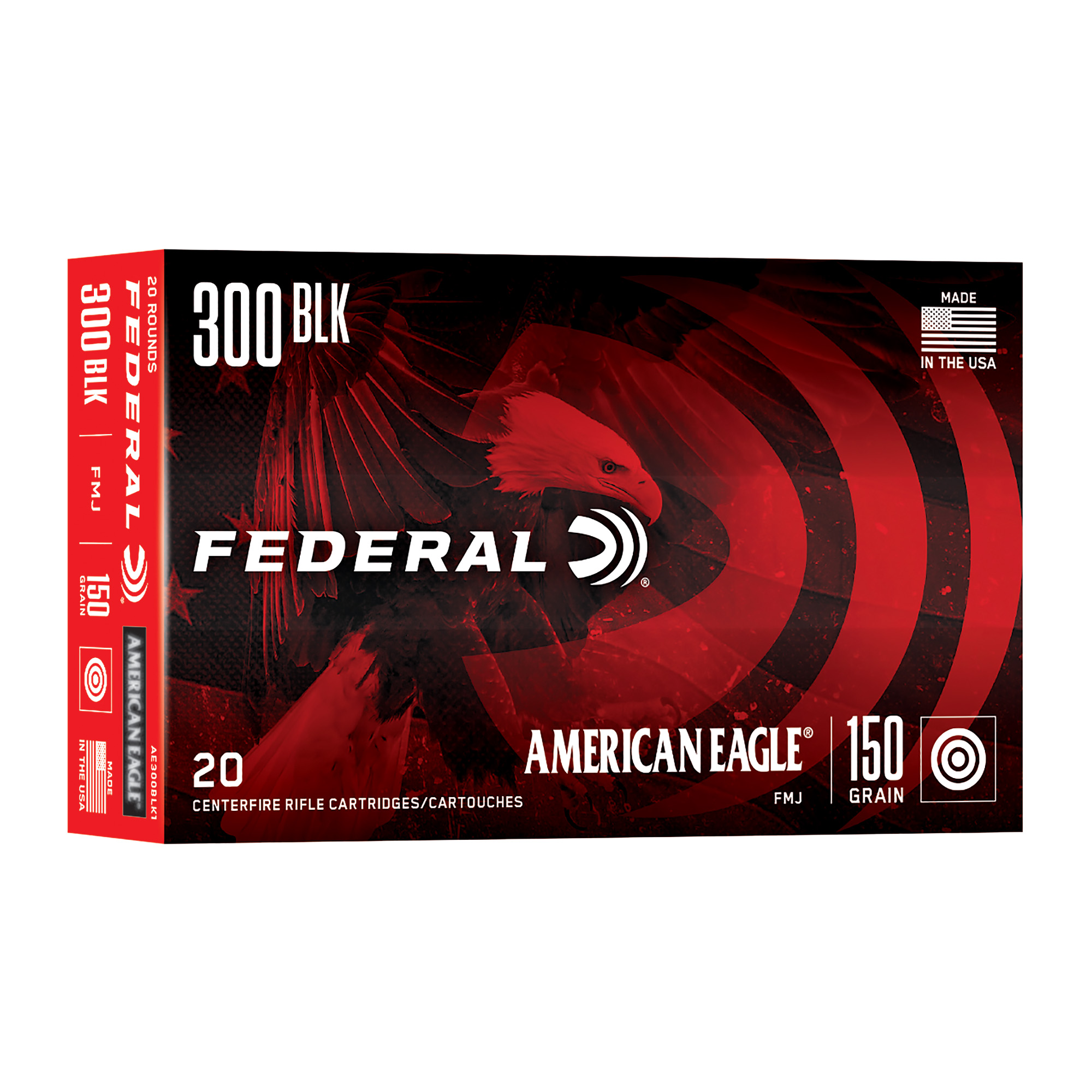
Lighter .300 Blackout Ammo listings may show 110 grain, 120 grain, 125 grain, 147 grain, 150 grain, or similar rifle bullet weights depending on the brand. These may appear with FMJ, open tip, soft point, polymer tip, V-MAX-style, or other bullet descriptions.
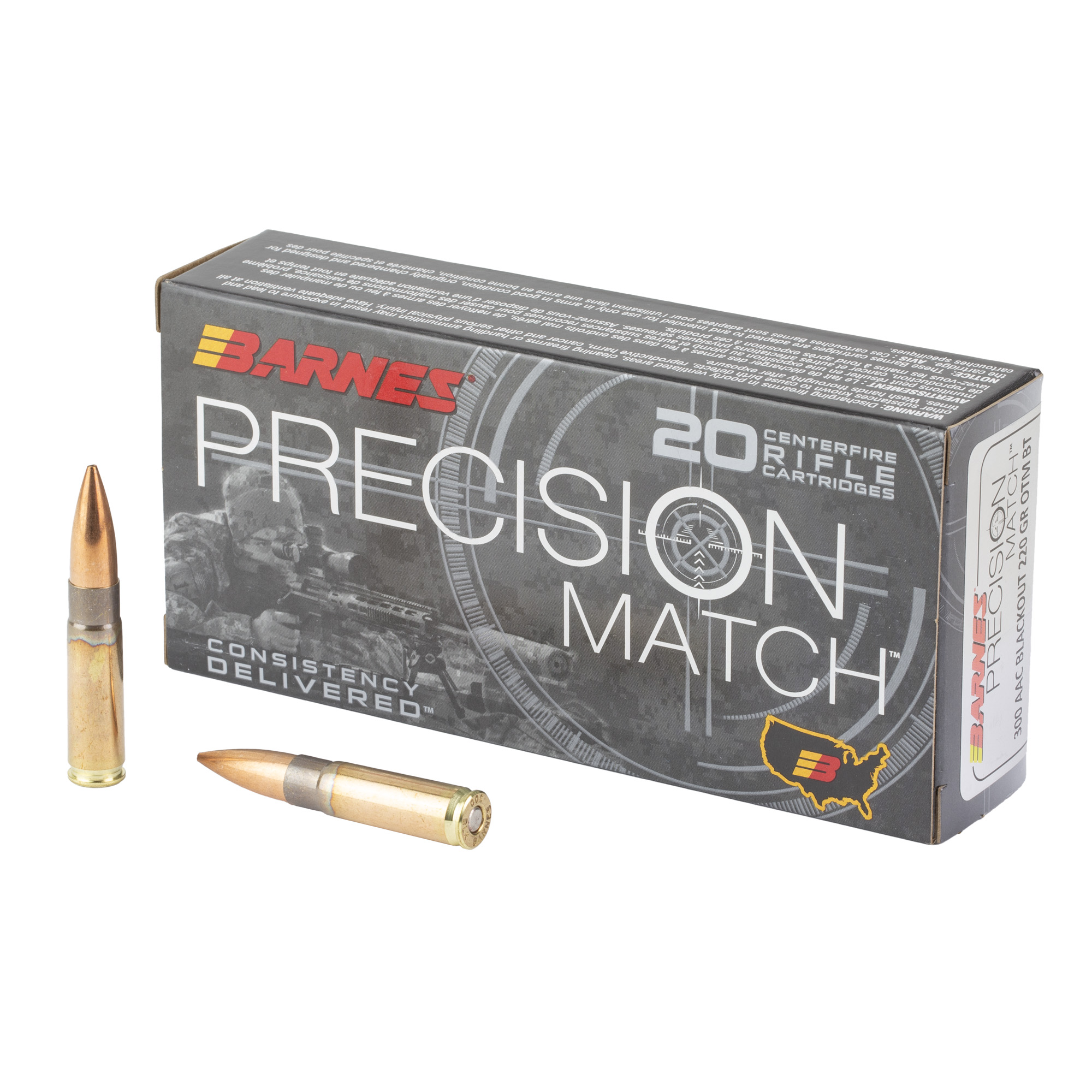
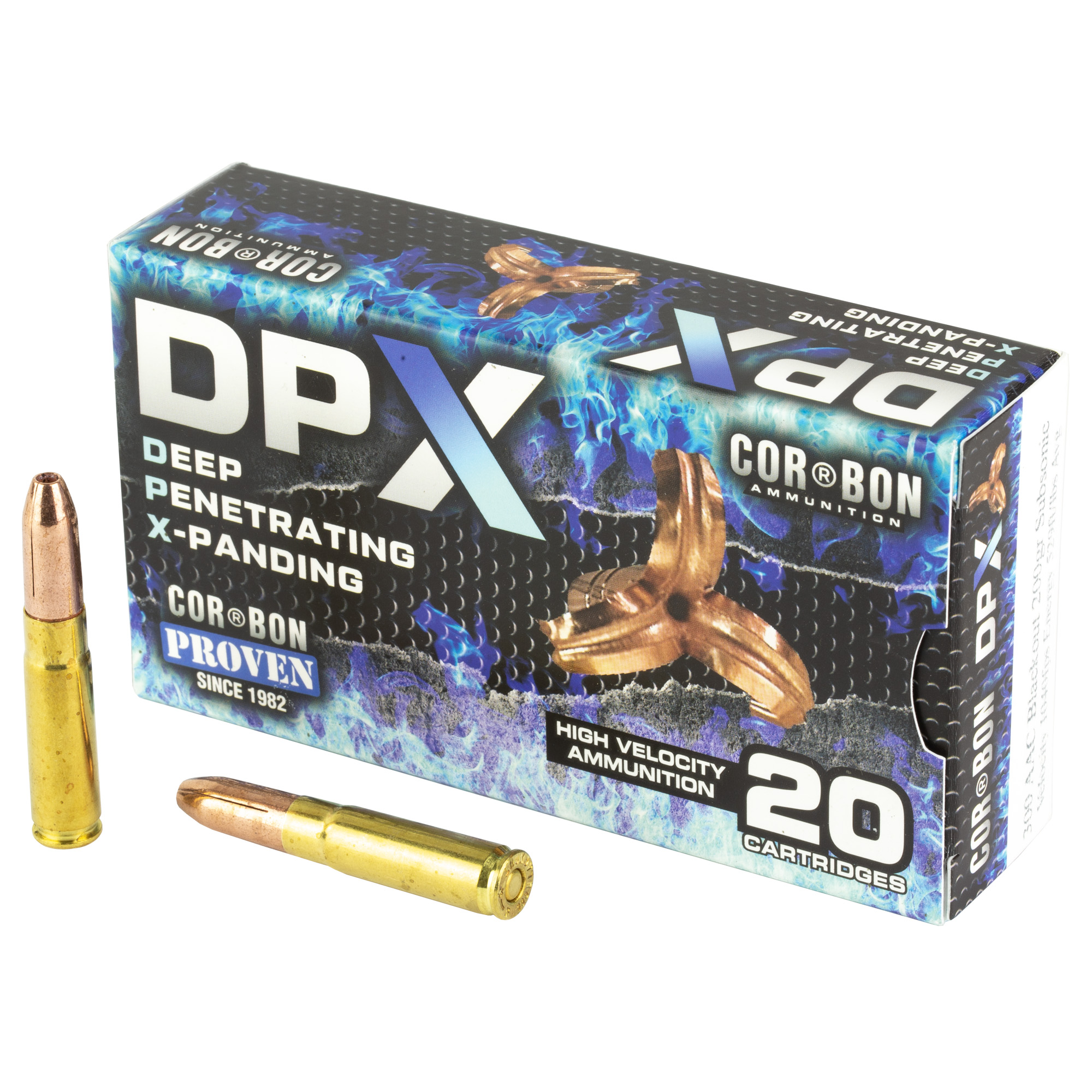
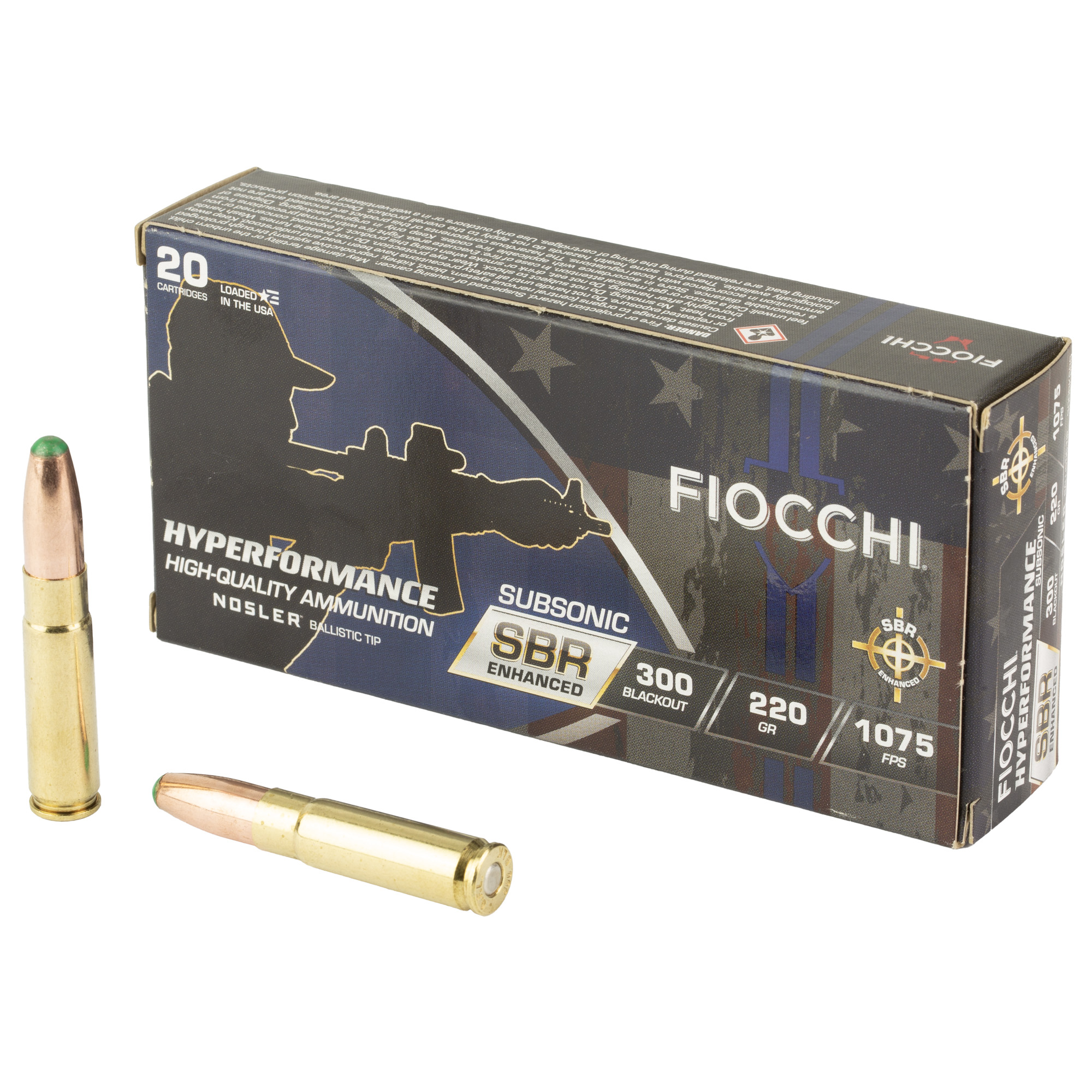
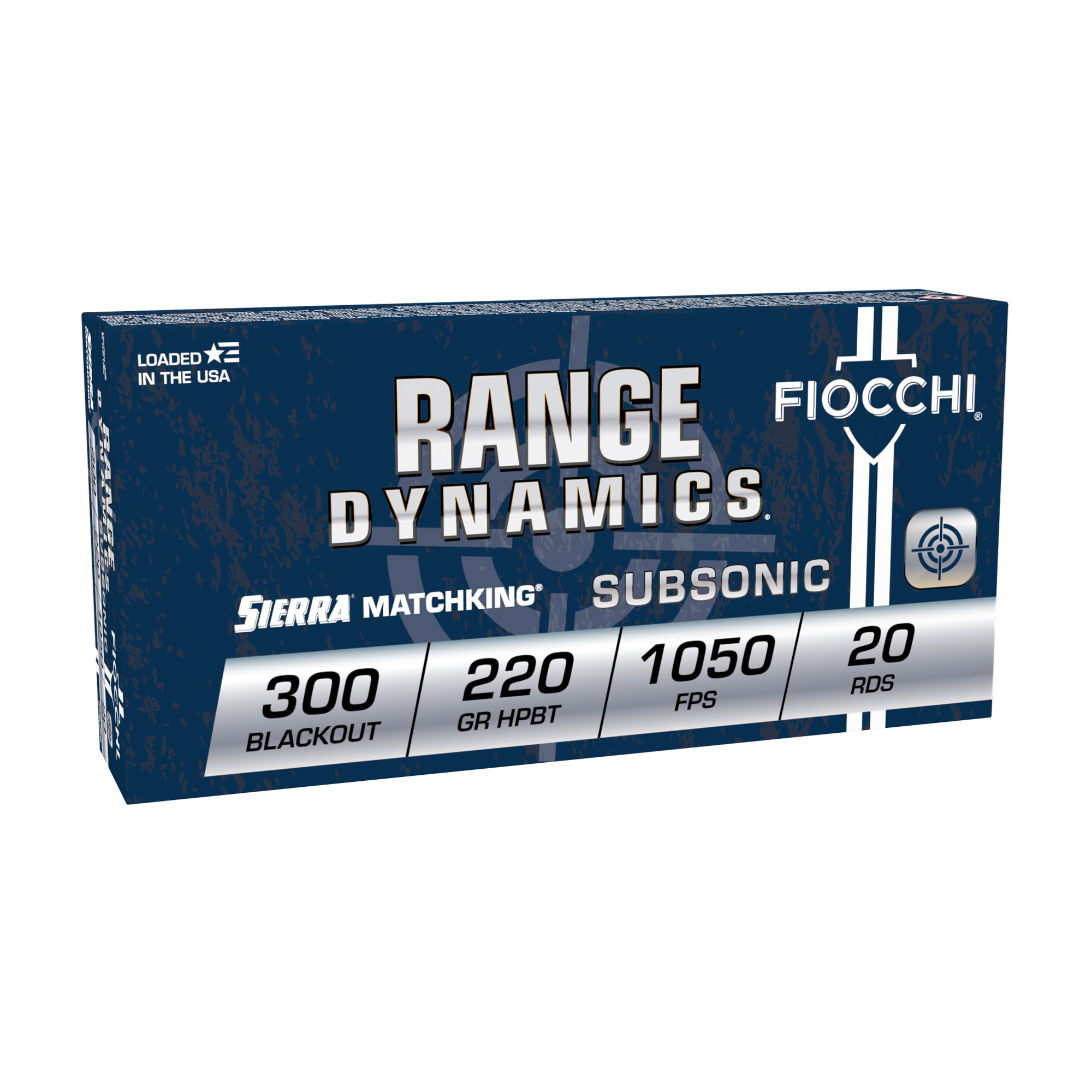
Heavier 300 Blackout listings may show 190 grain, 200 grain, 208 grain, 220 grain, or similar bullet weights depending on the product line. These are often where buyers see subsonic-labeled, OTM-style, hollow point boat tail, Sub-X-style, or specialty bullet wording. The buyer should compare bullet construction, casing, package count, and total rounds together.
Use Rifle Ammo When You Need The Parent Buying Path
If you are still comparing centerfire rifle cartridges, use the main rifle ammo path before narrowing into .300 Blackout Ammo. That keeps the order inside the rifle family and helps buyers compare cartridge fit, bullet weight, casing, case quantity, and total rounds without mixing in handgun, shotgun, or rimfire options.
Once the order is focused on .300 Blackout, stay with that exact cartridge. Do not treat .300 Win Mag, .300 WSM, .300 PRC, .308, 5.56, or another rifle cartridge as a substitute. The product title, chambering, bullet construction, package quantity, and shipping address review should all line up before checkout.
Read Bullet Construction Before Comparing Case Price
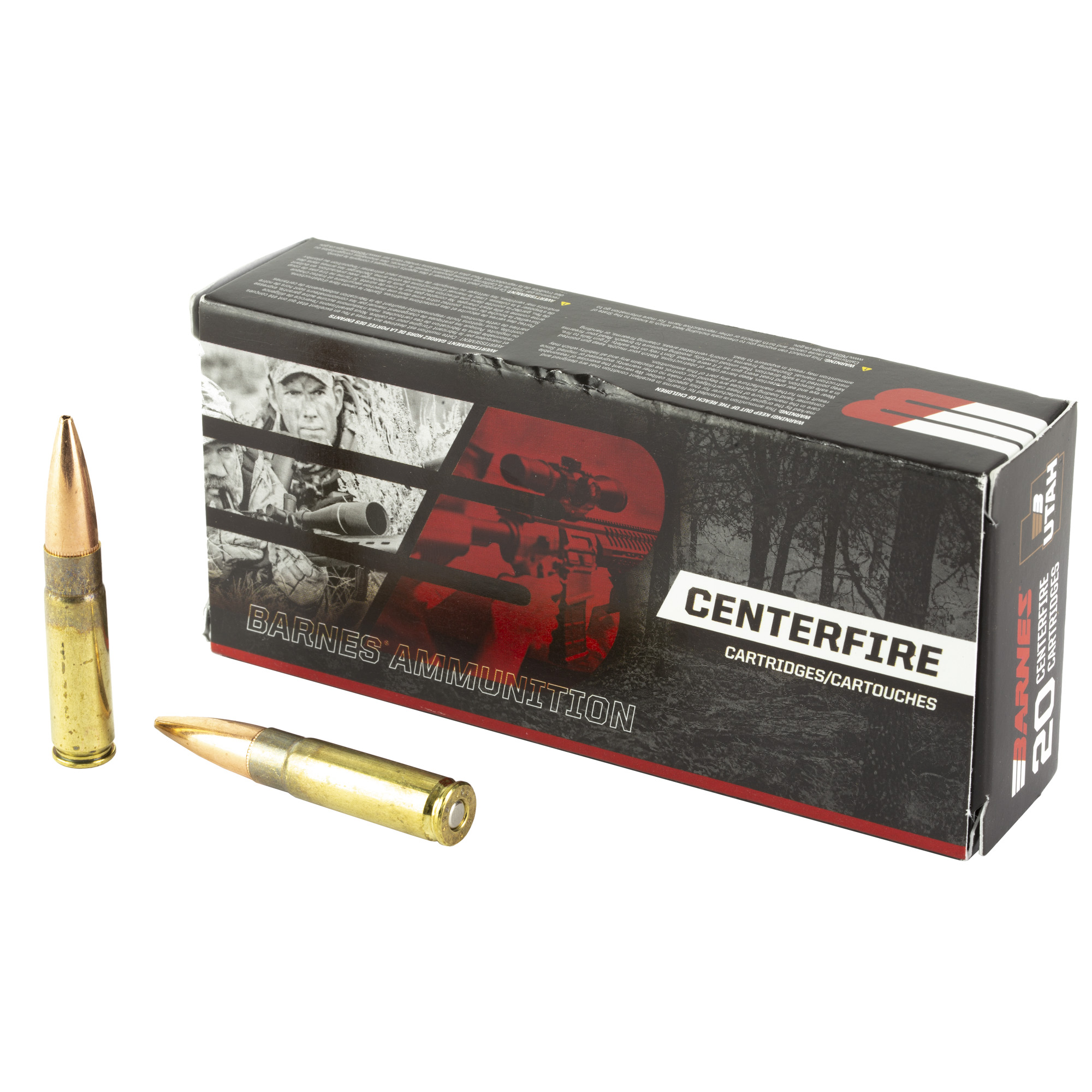
.300 Blackout Ammo listings may use FMJ, FMJBT, open tip, OTM, soft point, polymer tip, V-MAX-style, Sub-X-style, hollow point boat tail, bonded, monolithic, lead-free, or other bullet wording depending on the brand and load. Those descriptions are the buyer’s first clue about the product lane.
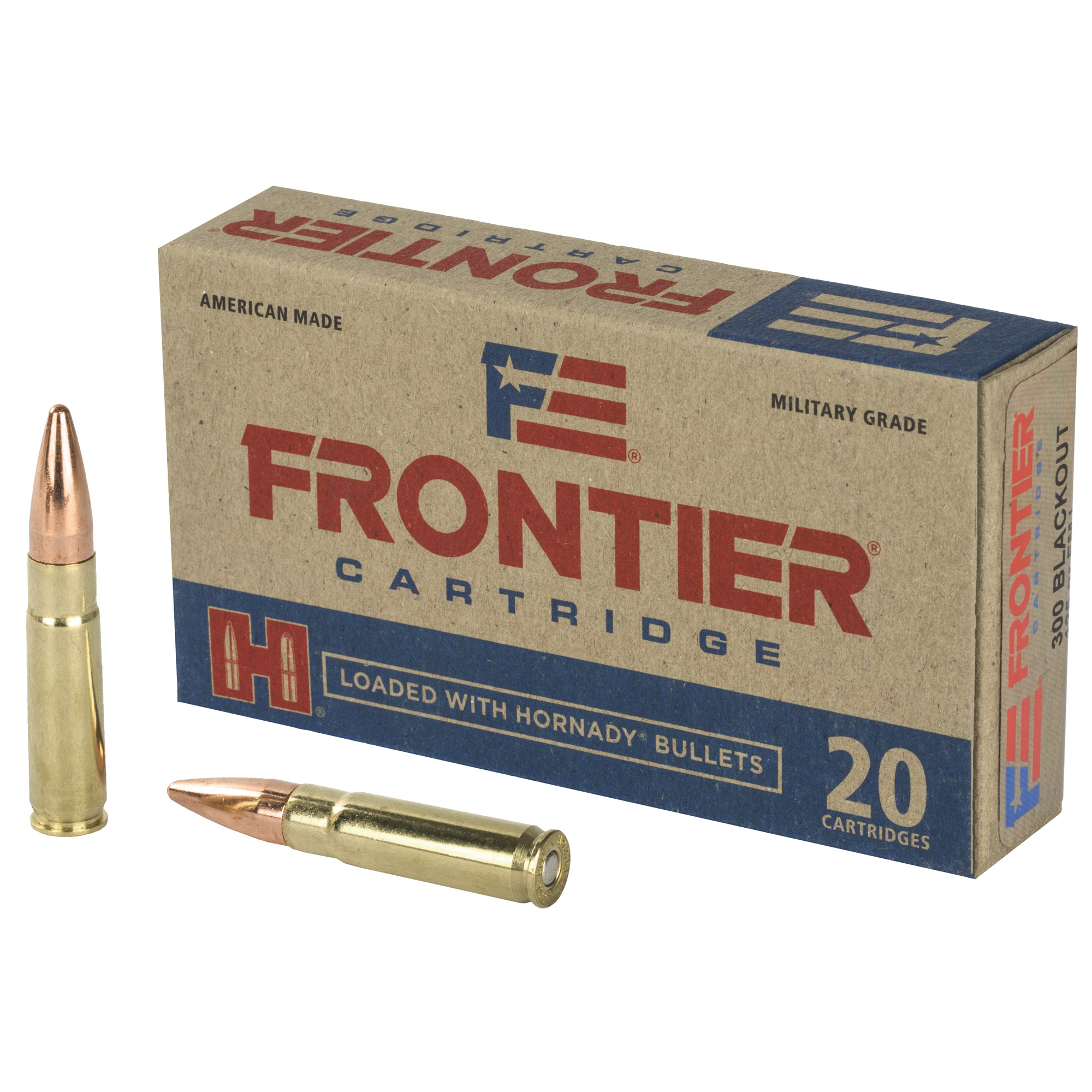
Range-style .300 Blackout listings often lean on FMJ, FMJBT, open-tip, or similar product wording. Hunting-focused listings may show soft point, polymer tip, bonded, lead-free, or specialty expanding-bullet language. Subsonic-labeled listings may use heavier bullet weights and different bullet construction than lighter range boxes.
Casing belongs in the same review. Brass case, steel case, boxer-primed, reloadable, or other casing descriptions may appear depending on the product. If casing type matters to the buyer, confirm it before comparing cost per round.
Compare .300 Blackout Brand Paths By Listing Details
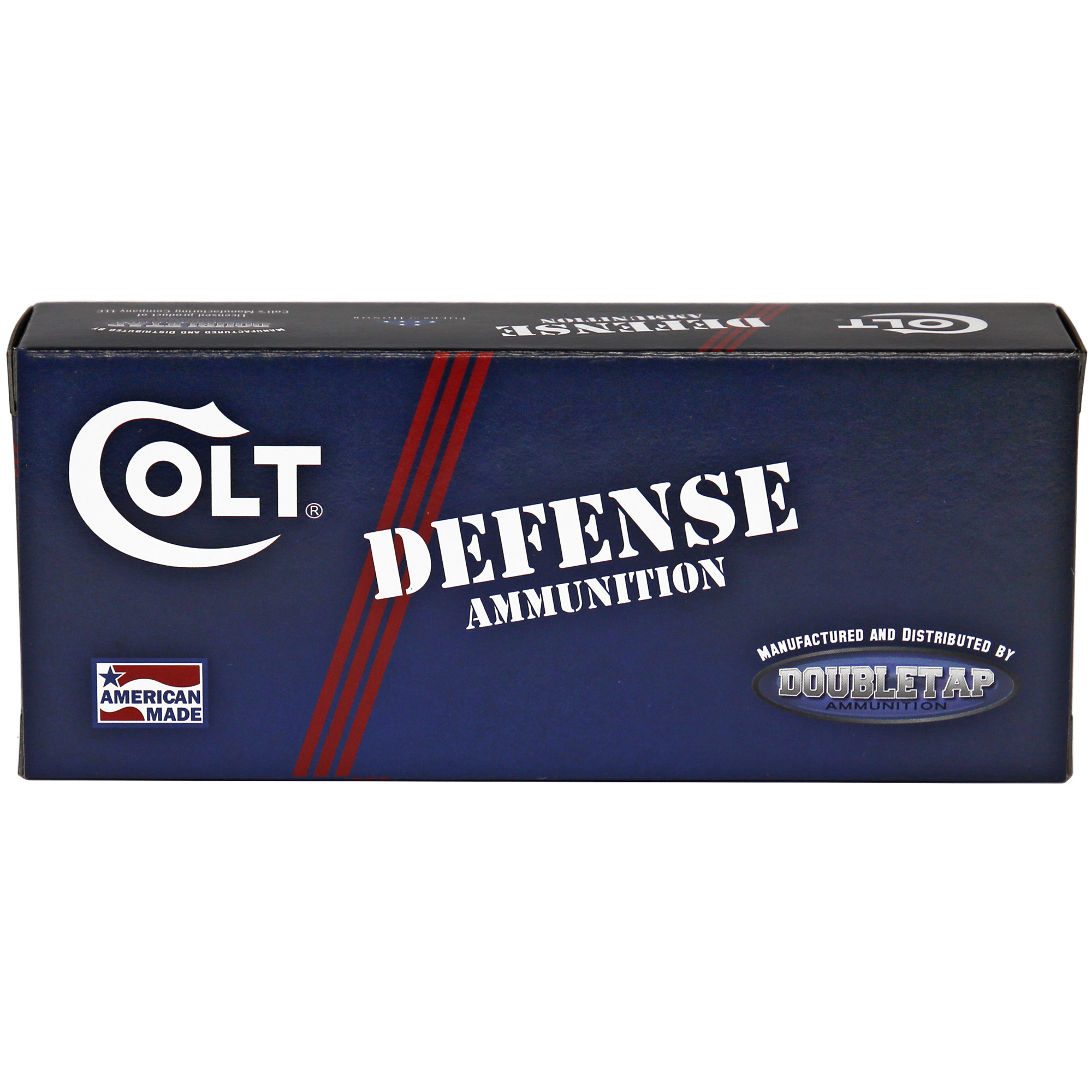
Brand paths can help buyers narrow .300 Blackout Ammo, but the product listing still decides the order. Buyers comparing Federal, Winchester, Hornady, Remington Ammunition, PMC, Fiocchi, Sellier & Bellot, Norma, Black Hills, and Gorilla should still check cartridge wording, bullet weight, bullet construction, casing, package count, and total rounds.
That brand check is most useful after the buyer knows whether the listing is a lighter range load, a heavier subsonic-labeled load, a soft point, a specialty rifle load, or a case quantity built for stocking up. The brand narrows the shelf, but the product title and specs control the cart.
Check Total Rounds Before Calling It Bulk 300 Blackout
Bulk .300 Blackout Ammo should be reviewed by total round count before price is compared. Rifle listings may show 20-round boxes, 200-round cases, 500-round cases, 1000-round cases, or other multi-box formats depending on the product.
A 20-round specialty box and a 500-round FMJ case should not be compared as if the only difference is price. The bullet type, casing, speed label, box count, and final round count can all change the order. Confirm what the buyer is actually receiving before judging cost per round.
If the listing groups multiple boxes into a larger case, check boxes per case and rounds per box. The cart should show the exact quantity the buyer expects before payment.
Checkout Review For .300 Blackout Ammo Orders
Before placing a .300 Blackout Ammo order, confirm the caliber, chambering, bullet weight, bullet construction, load style, casing, box count, case quantity, total round count, destination eligibility, and any checkout notice tied to the buyer’s shipping address. The cart should show the exact rifle cartridge and quantity the buyer intended to order.
Use the checkout screen as the final cleanup pass. Recheck the product title, 300 BLK or 300 AAC Blackout wording, bullet type, package quantity, shipping address, and any address-based notice before payment. That keeps the order focused on the correct .300 Blackout rifle ammunition path.
Is .300 Blackout Ammo The Same As 300 AAC Blackout?
.300 Blackout Ammo is commonly listed as 300 AAC Blackout, 300 Blackout, or 300 BLK. The buyer should still confirm the exact cartridge wording on the product listing and match it to the rifle chambering before checkout.
What Is The Difference Between Subsonic And Supersonic .300 Blackout Ammo?
Subsonic-labeled .300 Blackout Ammo generally appears with heavier bullet weights, while supersonic-labeled listings often use lighter bullets. The buyer should compare the product title, bullet weight, bullet construction, casing, box count, and total rounds instead of choosing by speed label alone.
What Bullet Weight Should I Compare For .300 Blackout Ammo?
.300 Blackout Ammo listings may include lighter weights such as 110, 125, 147, or 150 grains, along with heavier options such as 190, 208, or 220 grains depending on the product line. Compare grain weight with bullet construction, casing, load style, and package quantity.
What Should I Check Before Buying Bulk 300 Blackout Ammo?
Before buying bulk 300 Blackout ammo, check the cartridge name, bullet weight, bullet type, casing, box count, case quantity, total round count, and shipping eligibility. Bulk quantity works best when the buyer already knows the exact .300 Blackout load style they want.
Which Brands Should I Compare For .300 Blackout Ammo?
Compare .300 Blackout Ammo brands by cartridge wording, bullet weight, bullet construction, casing, package quantity, and total round count. Federal, Winchester, Hornady, Remington Ammunition, PMC, Fiocchi, Sellier & Bellot, Norma, Black Hills, and Gorilla are useful brand paths, but the listing details still need to match the order.