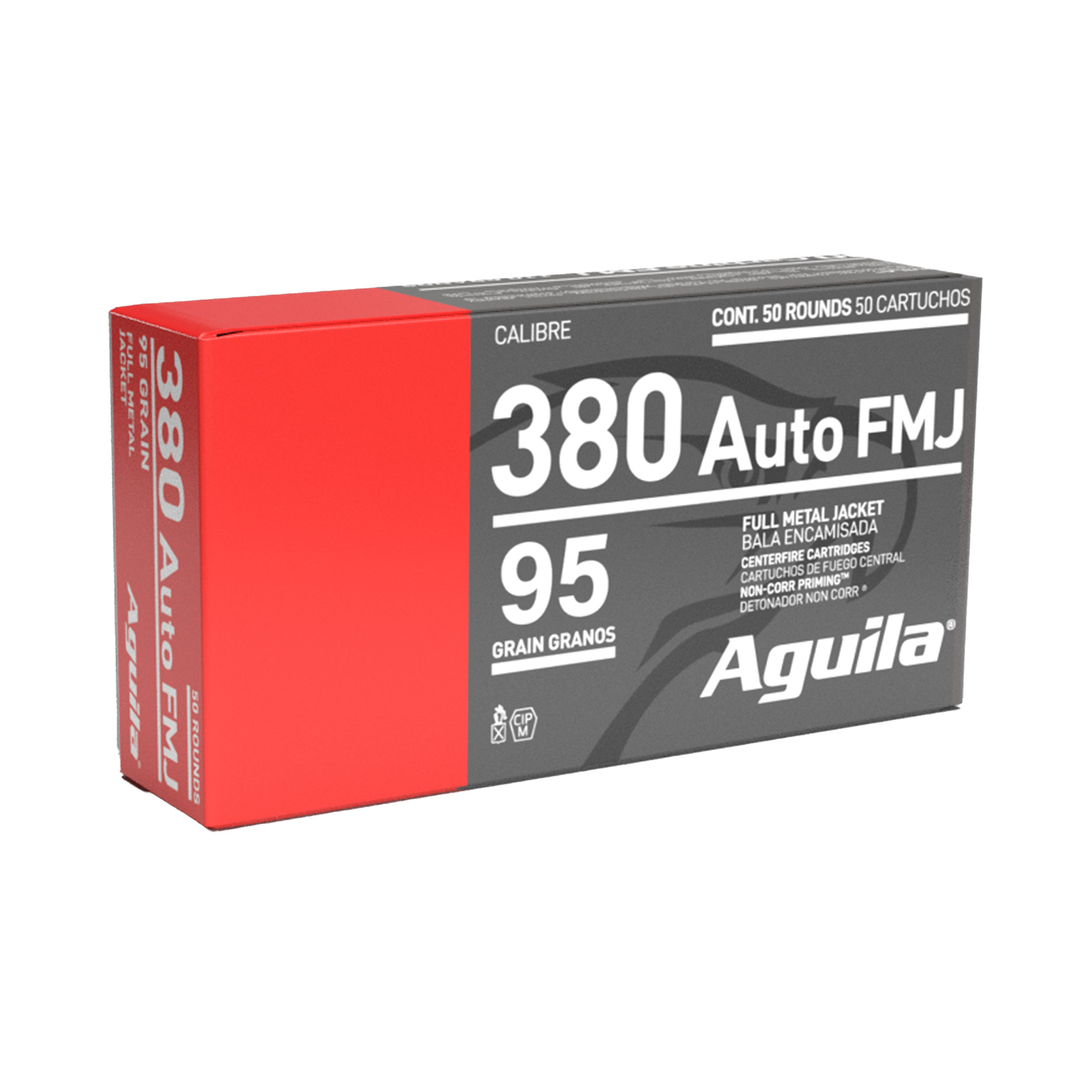
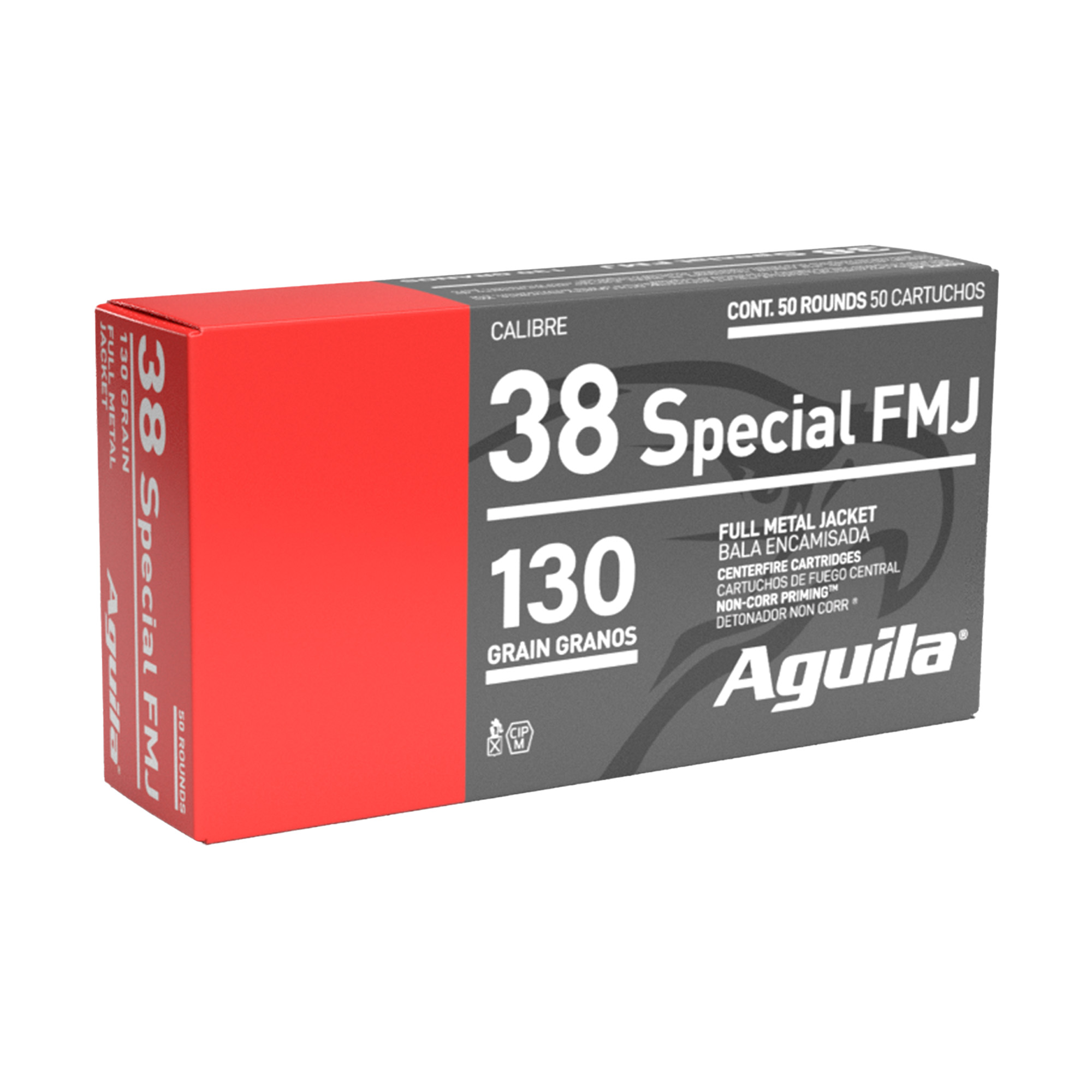
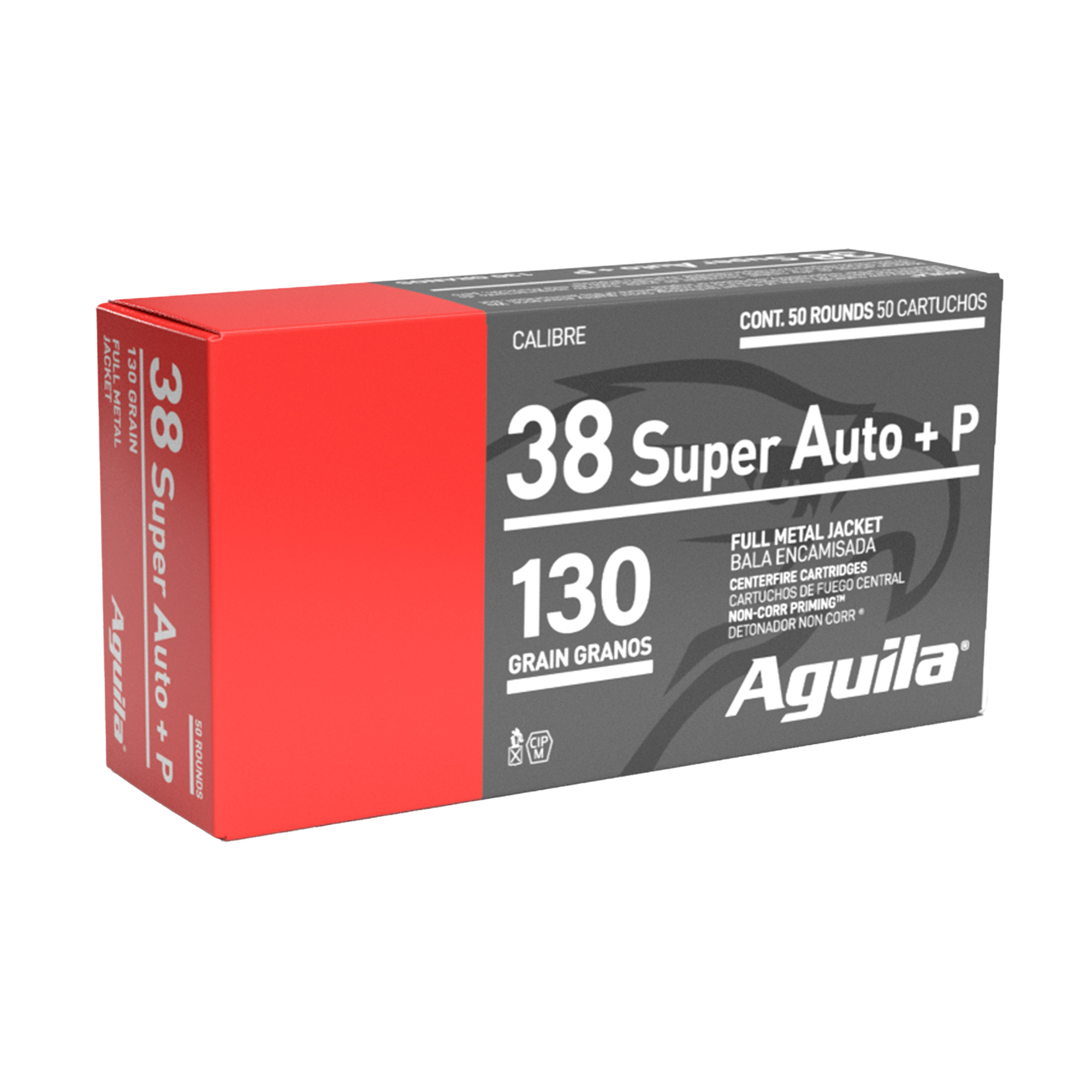
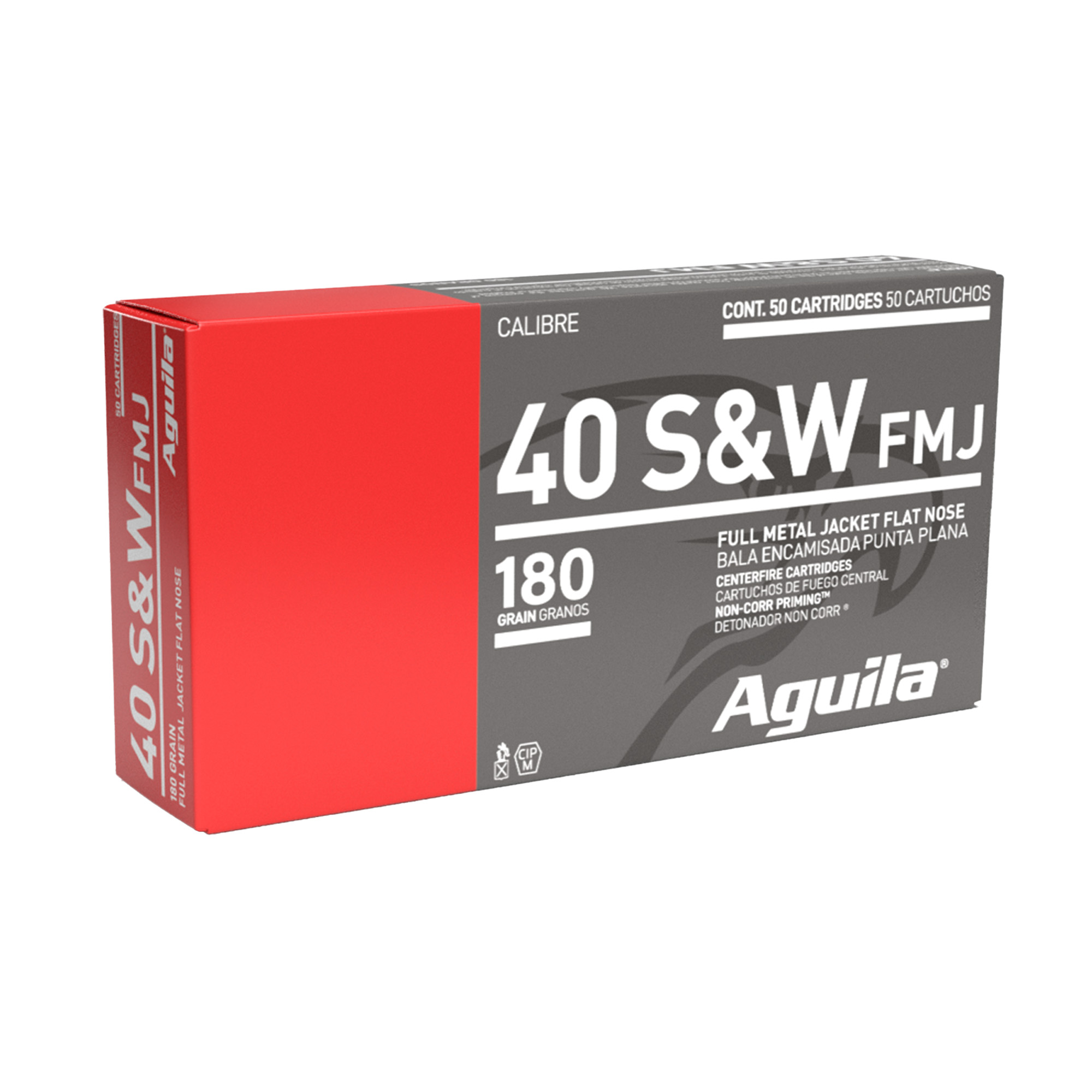
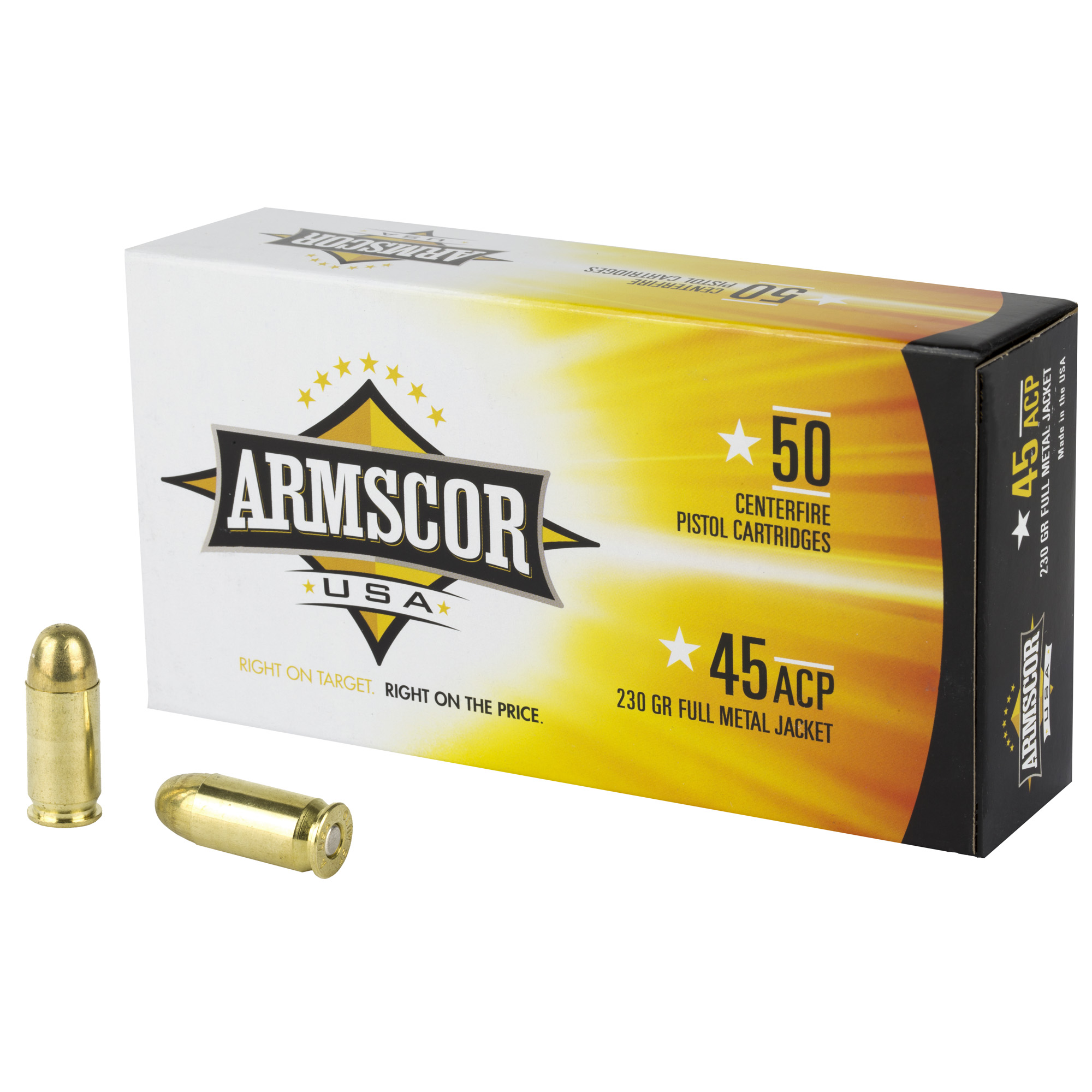
Start Handgun Ammo Orders By Cartridge Name
Handgun Ammo should be sorted by exact cartridge name first, then narrowed by bullet weight, bullet style, casing, box count, case quantity, total round count, and shipping eligibility. A clean pistol or revolver order starts with the caliber printed on the listing, not with the price per round alone.
Buyers comparing pistol ammo and revolver ammo will see a wide mix of cartridge names, package sizes, and load styles. Some orders are built around compact pistol cartridges. Others are built around full-size handgun rounds, revolver cartridges, magnum loads, or specialty handgun options. Keep the first pass simple: confirm the cartridge, then compare the load.
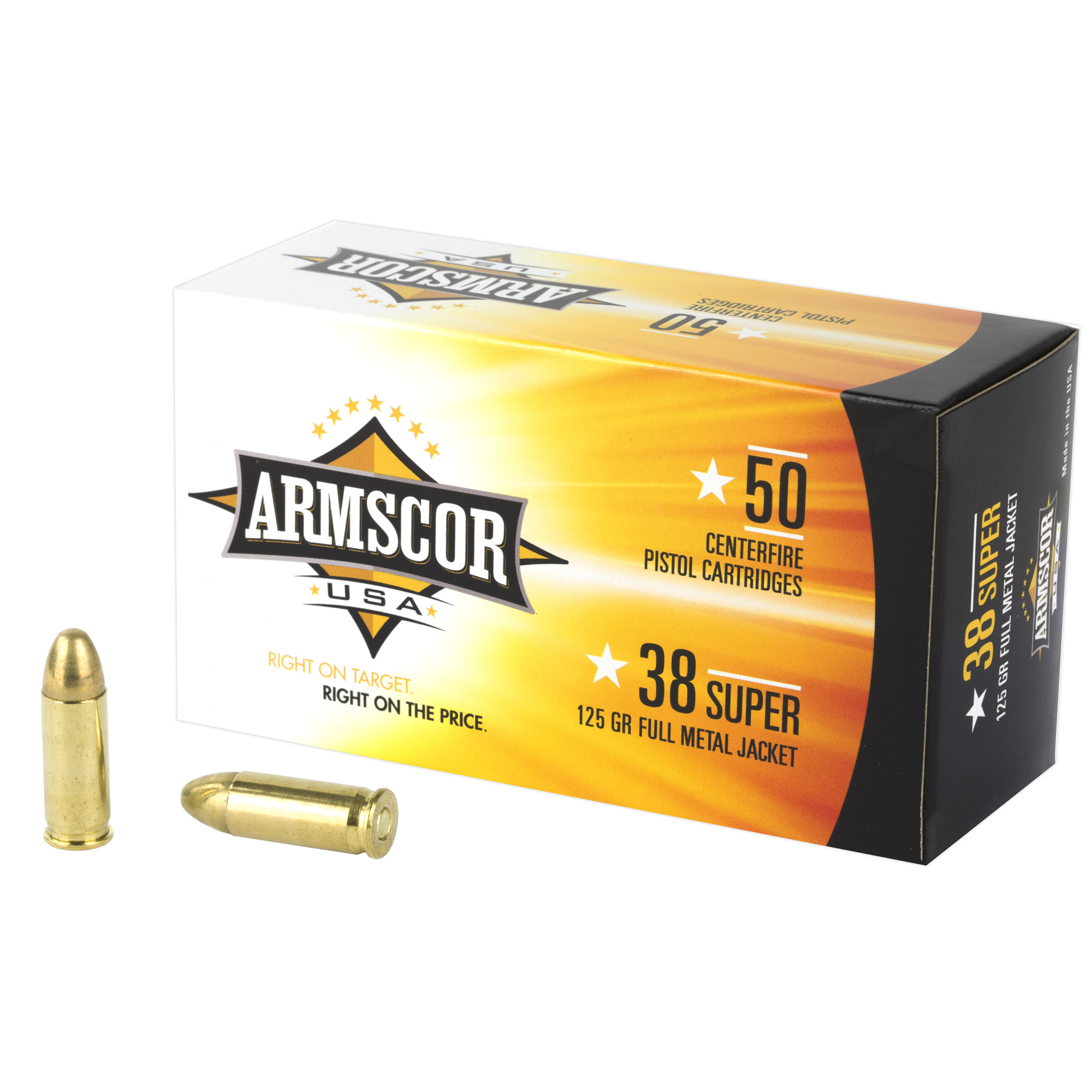
Bulk handgun ammo can be useful when the buyer already knows the correct caliber and load style. A 50-round box, 100-round range pack, 500-round case, and 1000-round case create different cart totals. The order should make sense by cartridge name, round count, and checkout requirements before payment.
Move From Common Pistol Calibers To Revolver Calibers
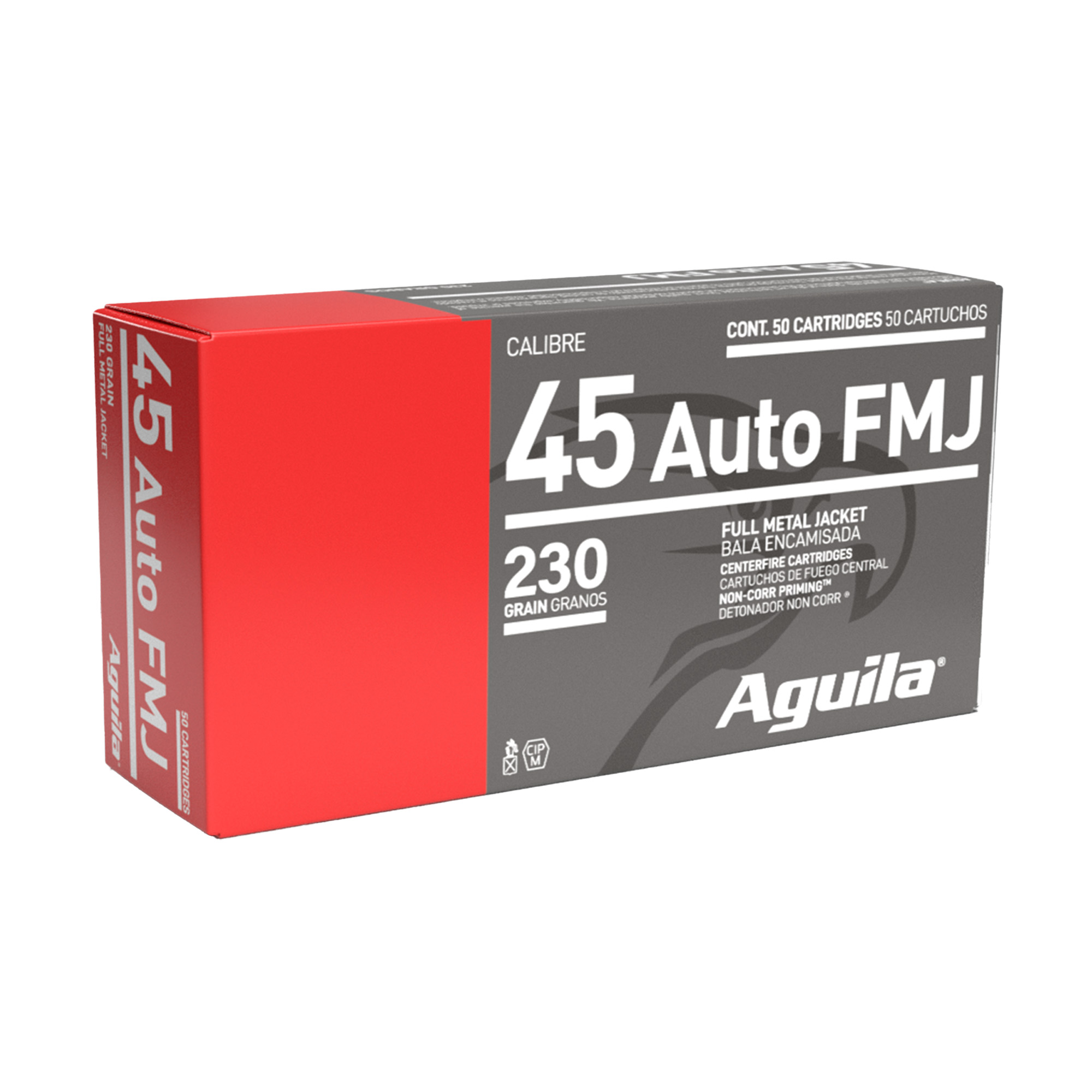
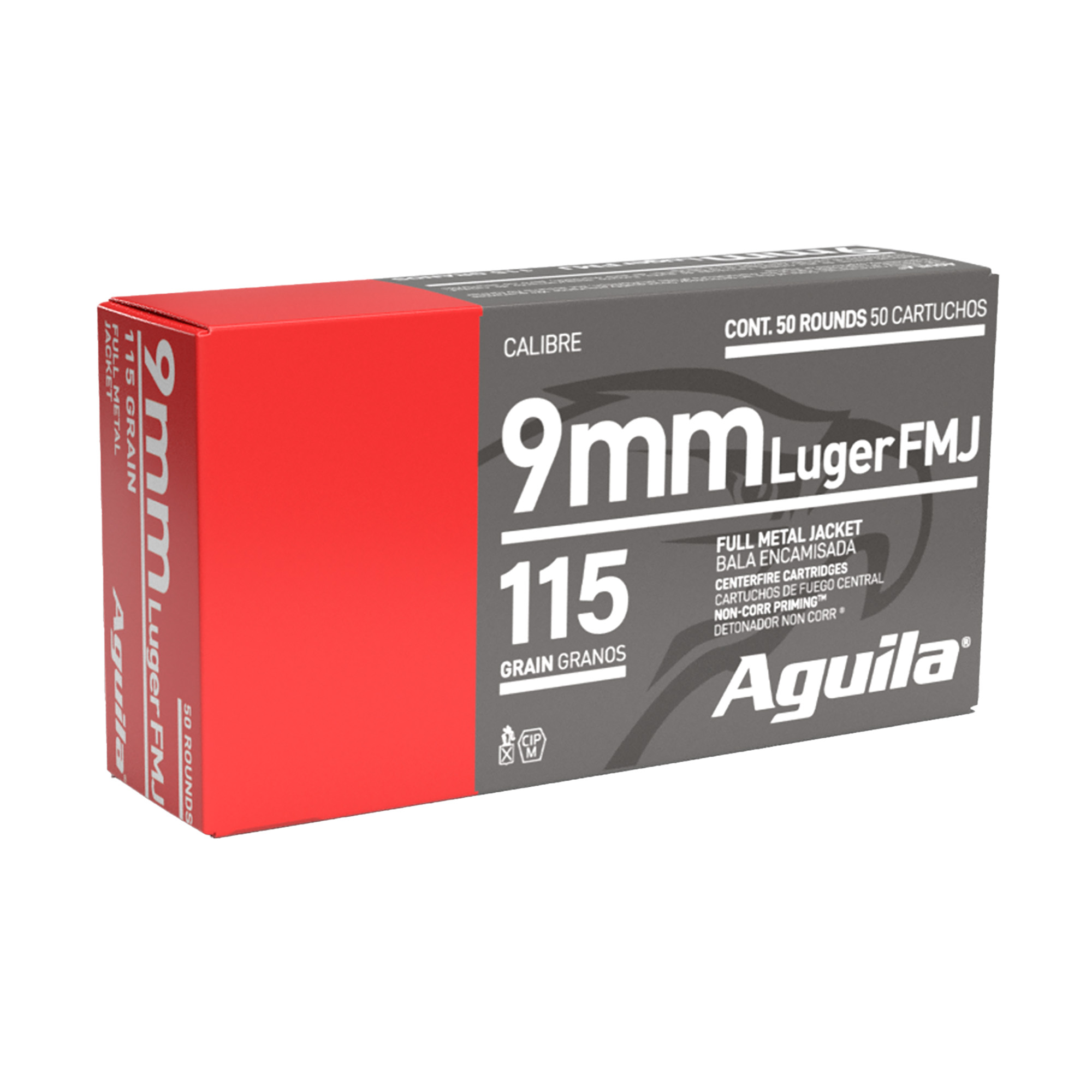
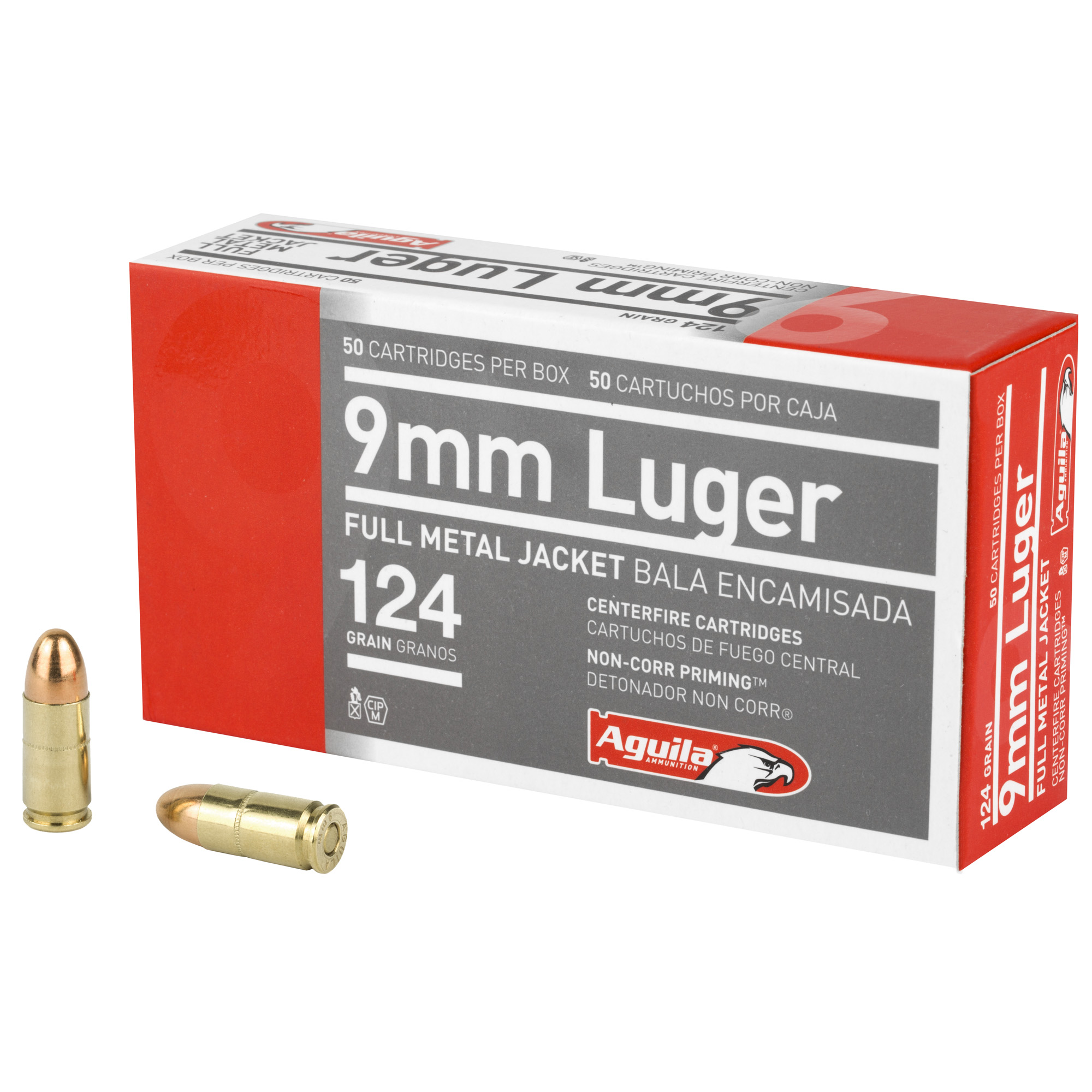
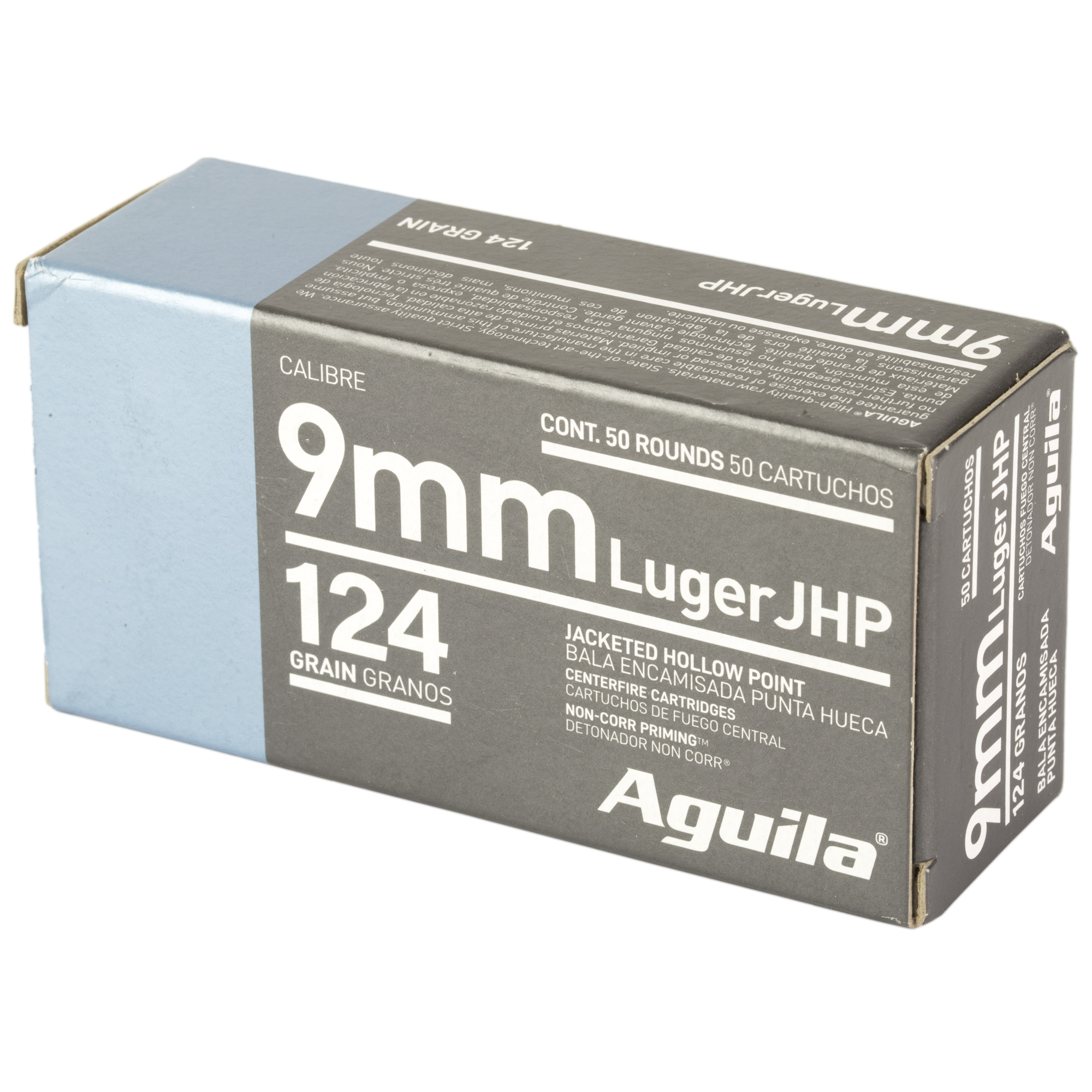
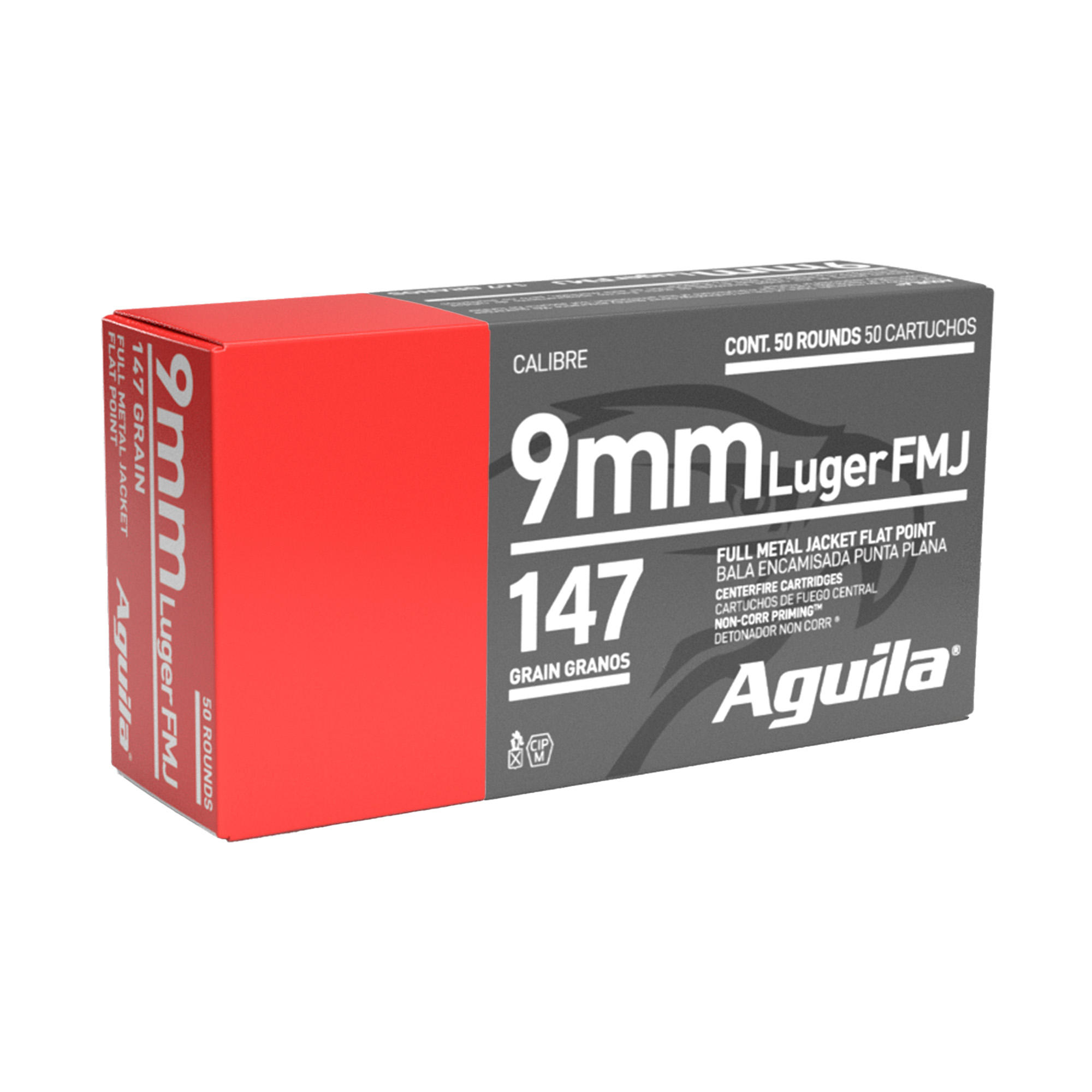
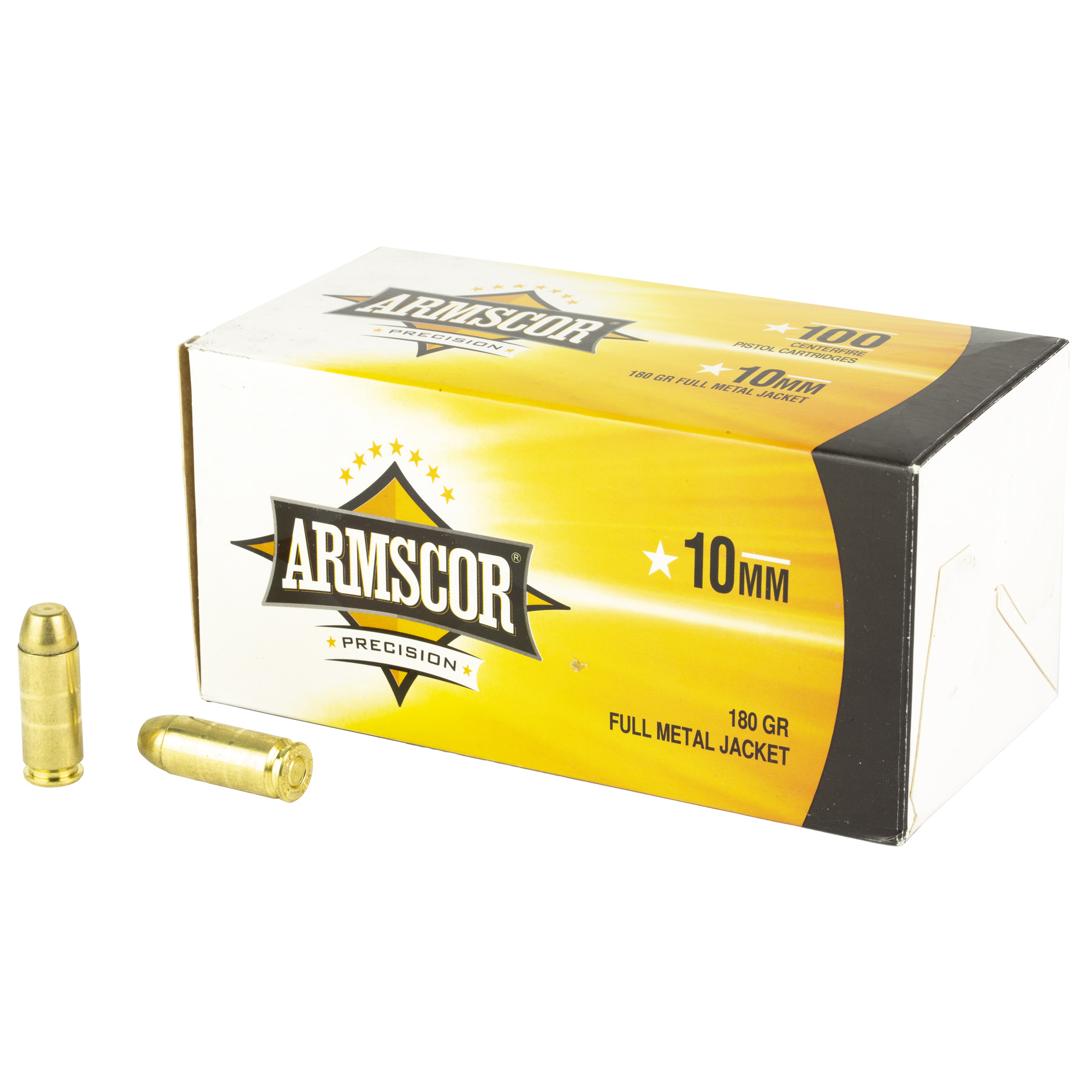
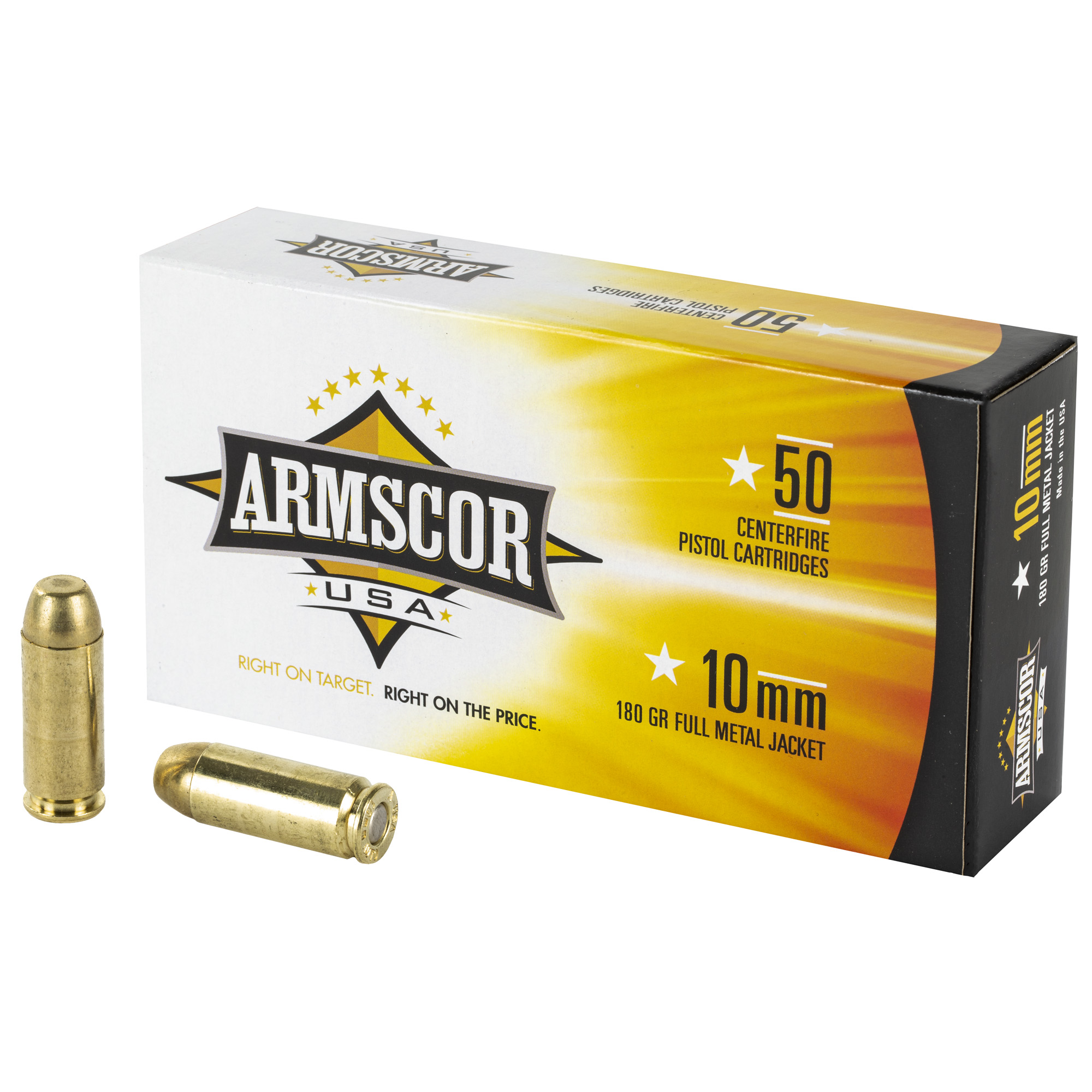
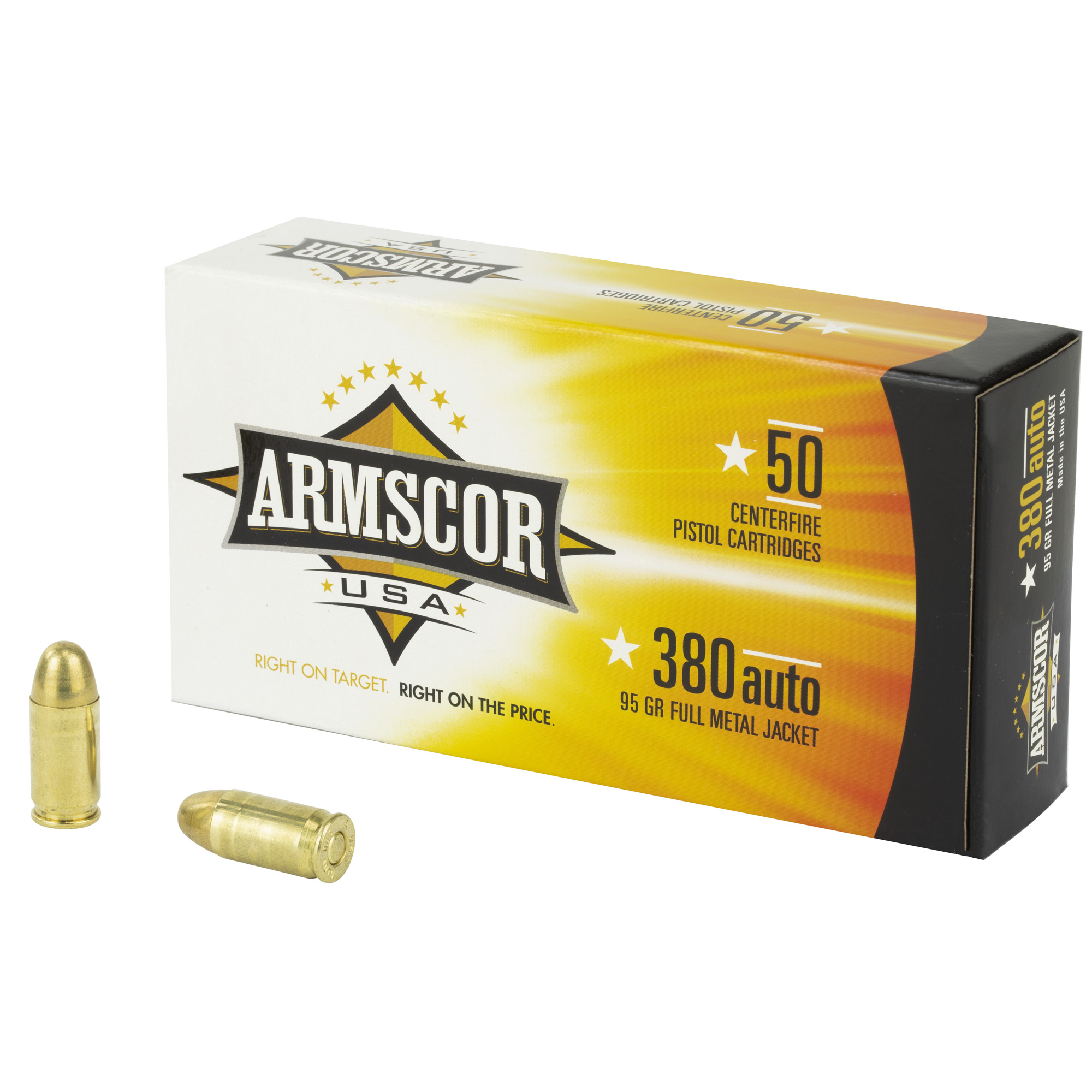
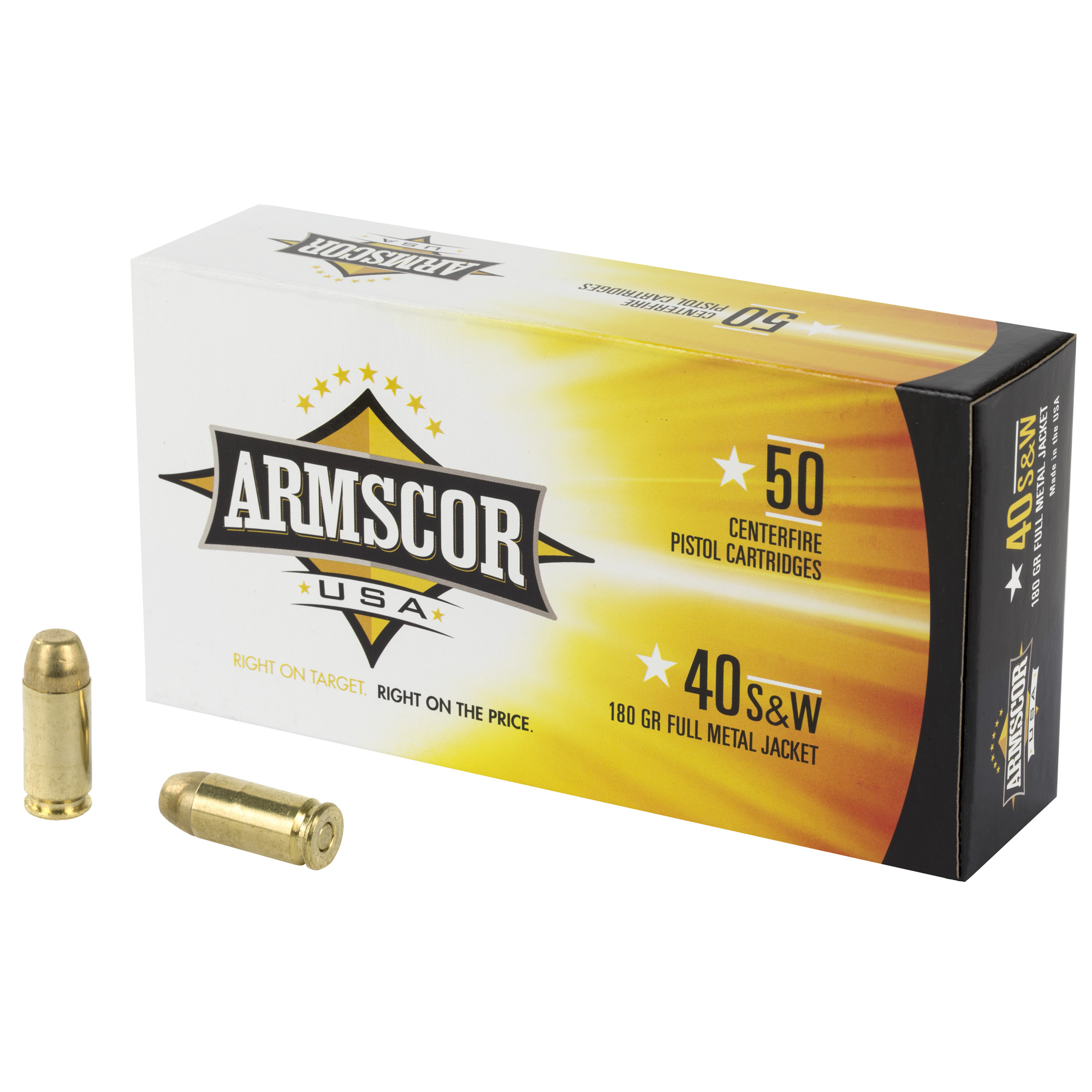
For high-volume semi-auto handgun buying, start with direct caliber paths such as 9mm ammo, .45 ACP ammo, .380 ACP ammo, .40 S&W ammo, and 10mm ammo. Those paths help buyers compare bullet weight, bullet type, box count, and case quantity without mixing unrelated handgun cartridges together.
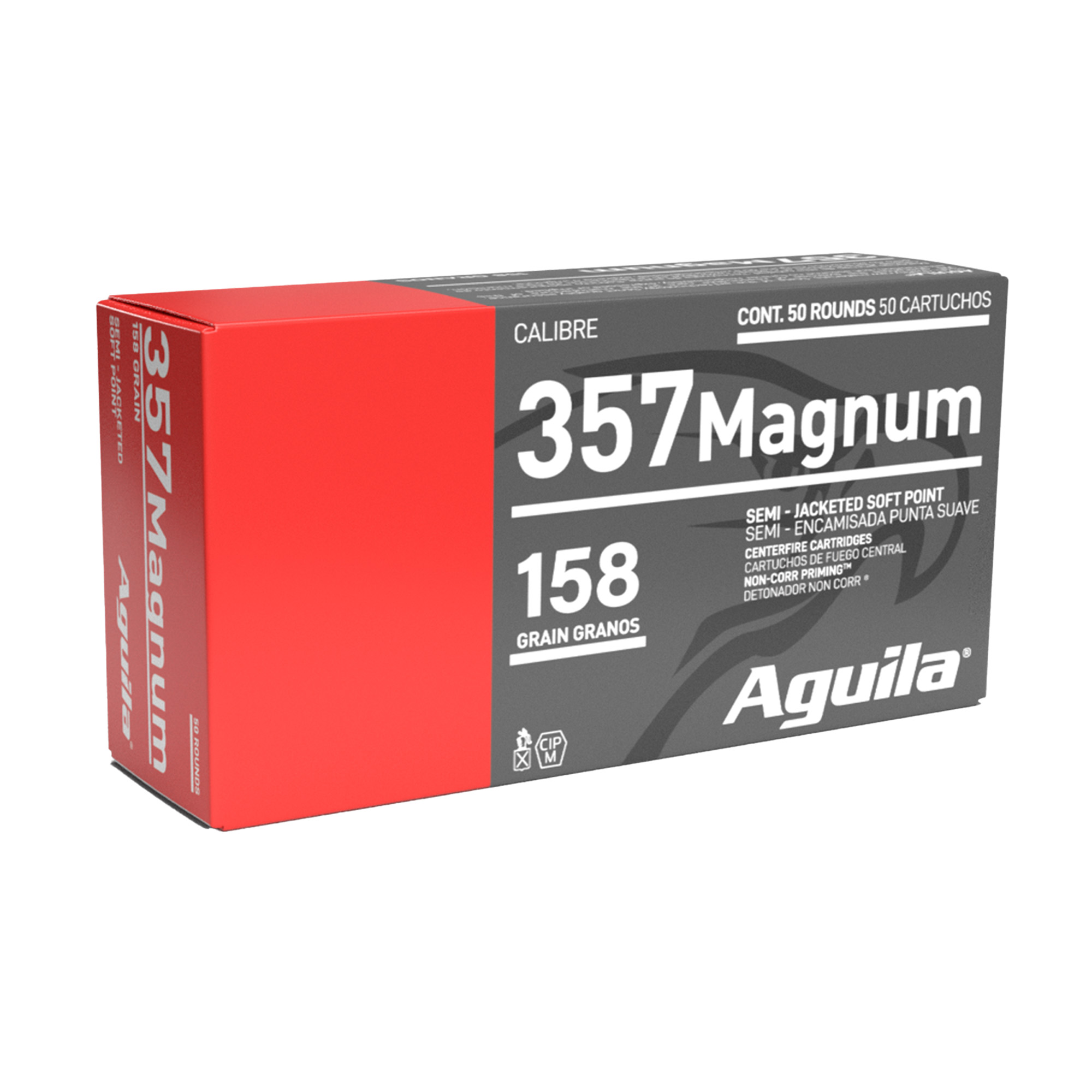
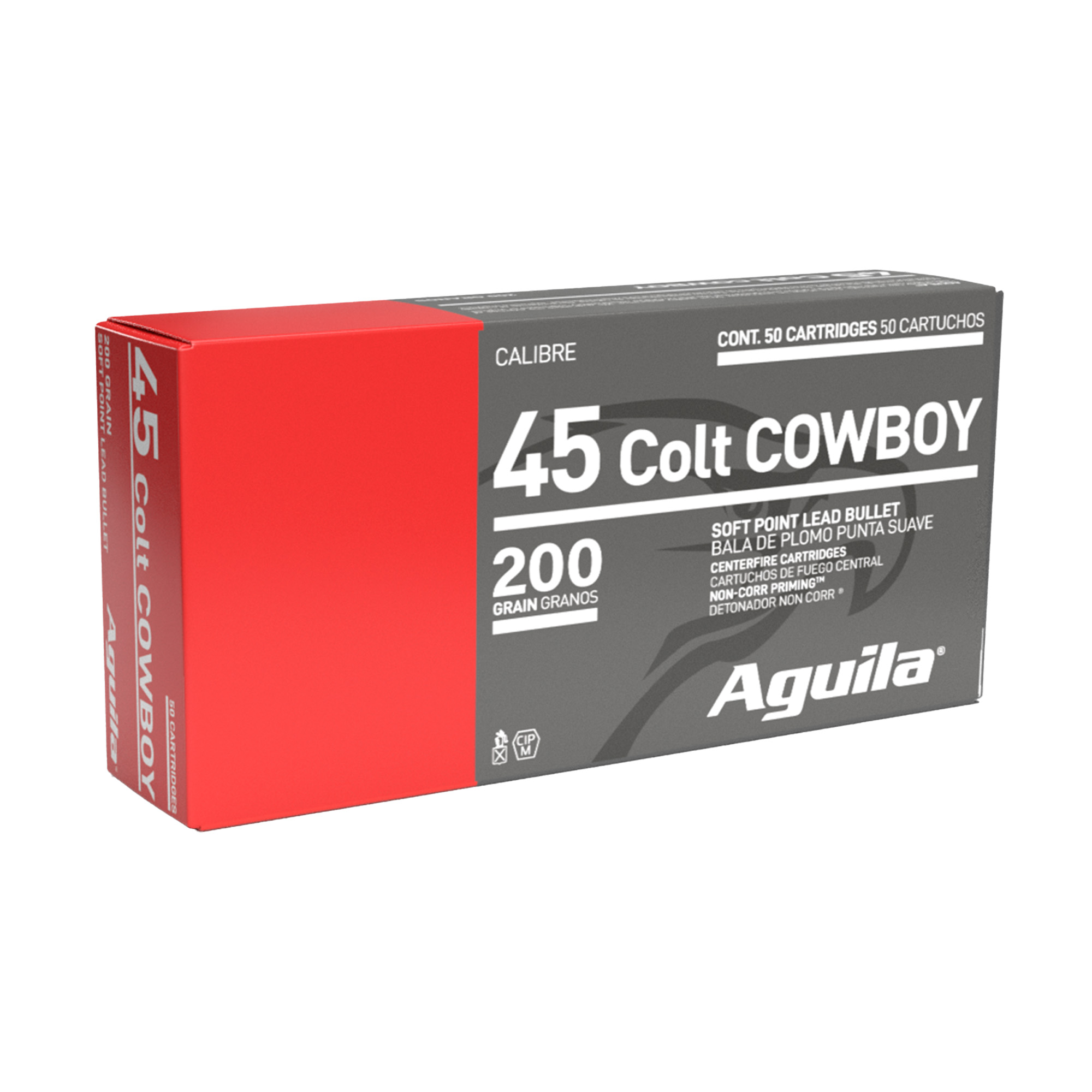
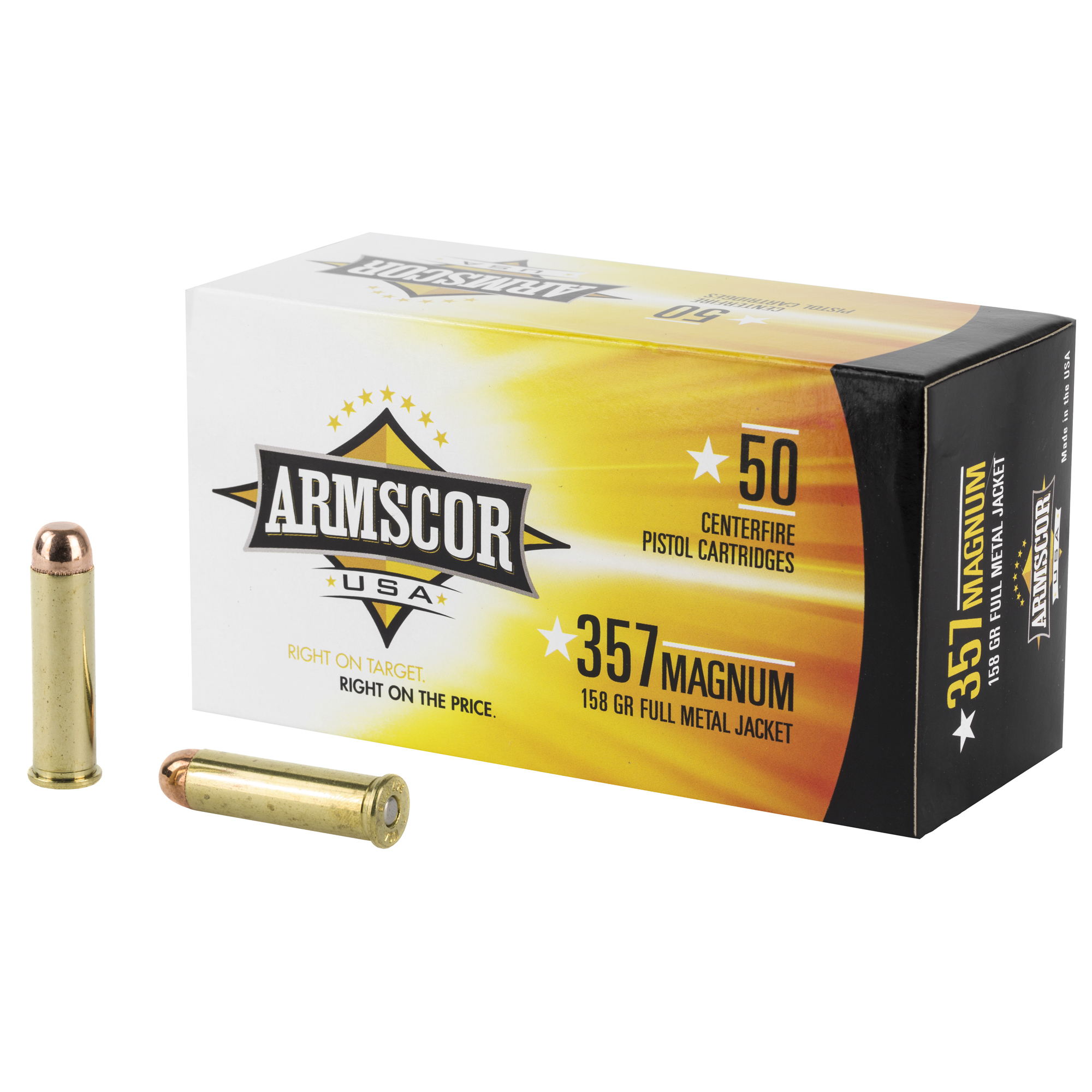
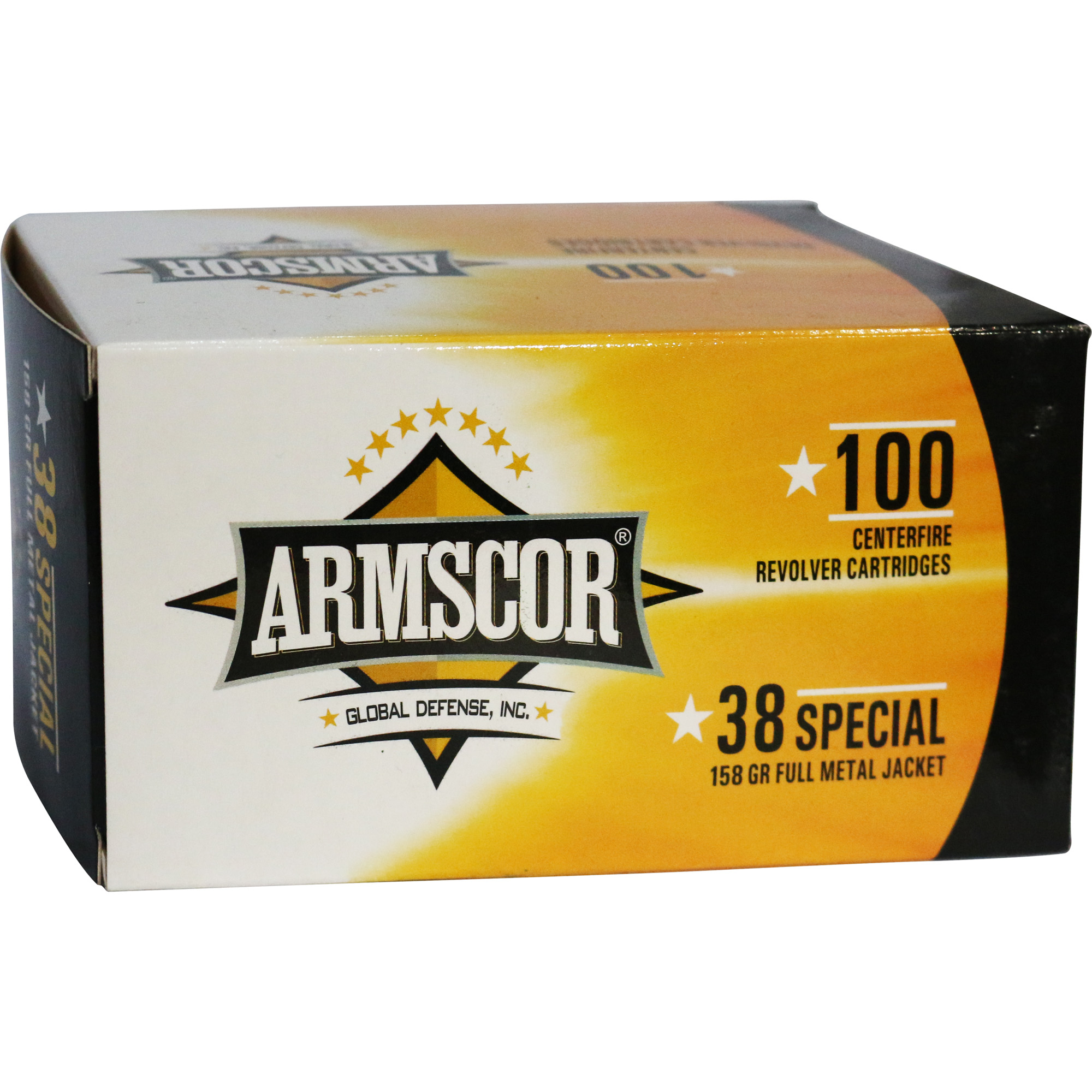
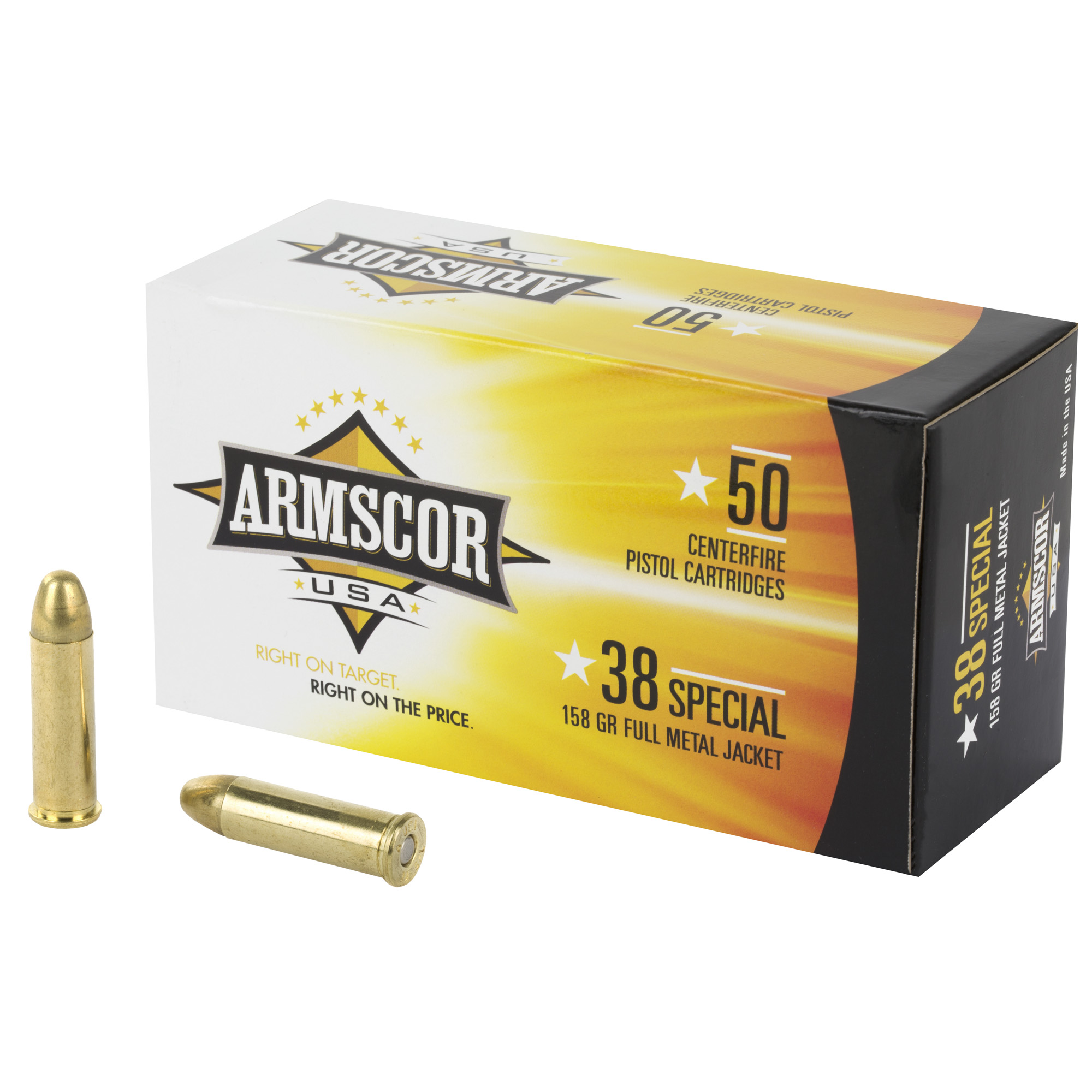
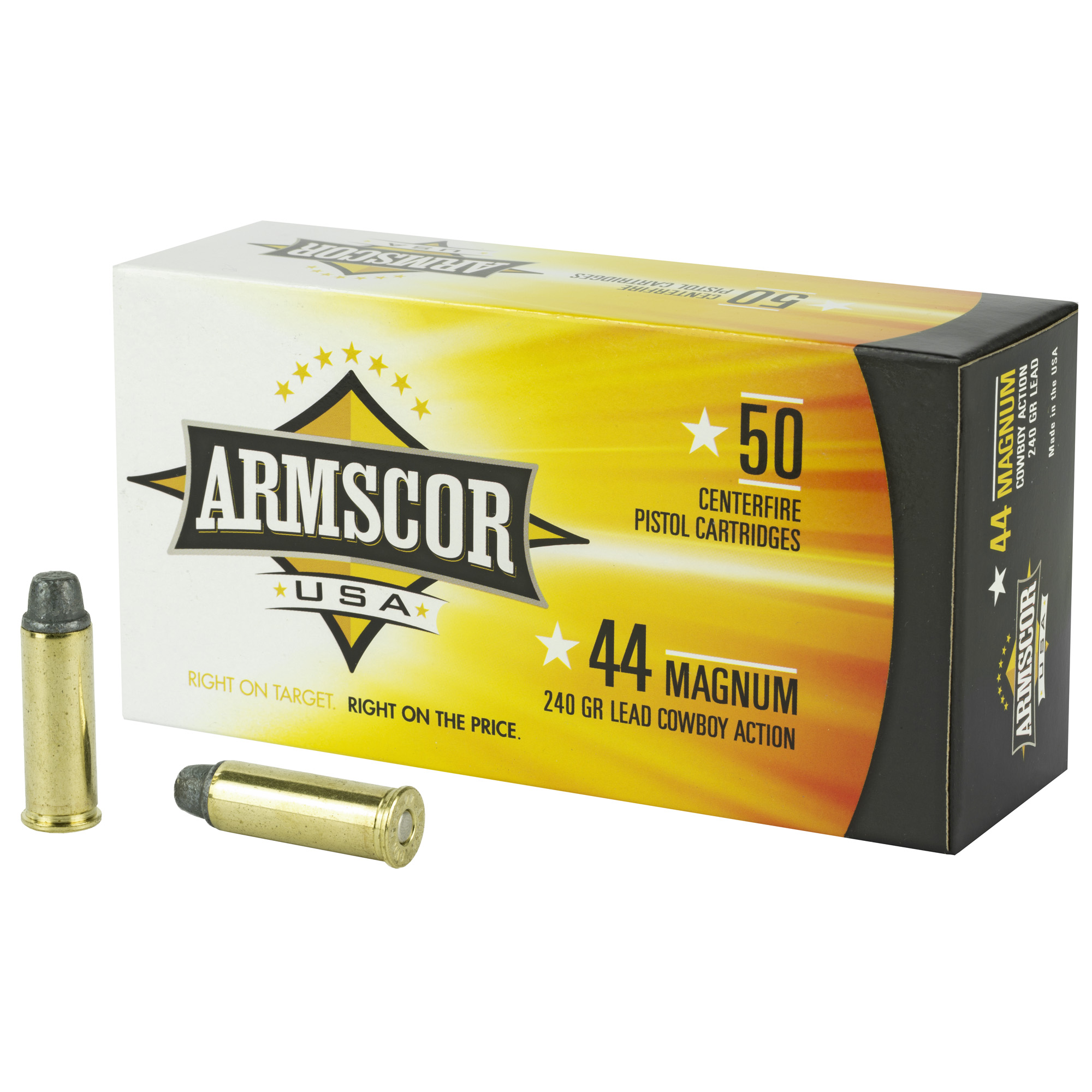
For revolver-style buying, compare direct paths such as .38 Special ammo, .357 Magnum ammo, .44 Special ammo, .44 Magnum ammo, and .45 Colt ammo. The cartridge name should match the firearm chambering and the product listing before the buyer compares quantity.
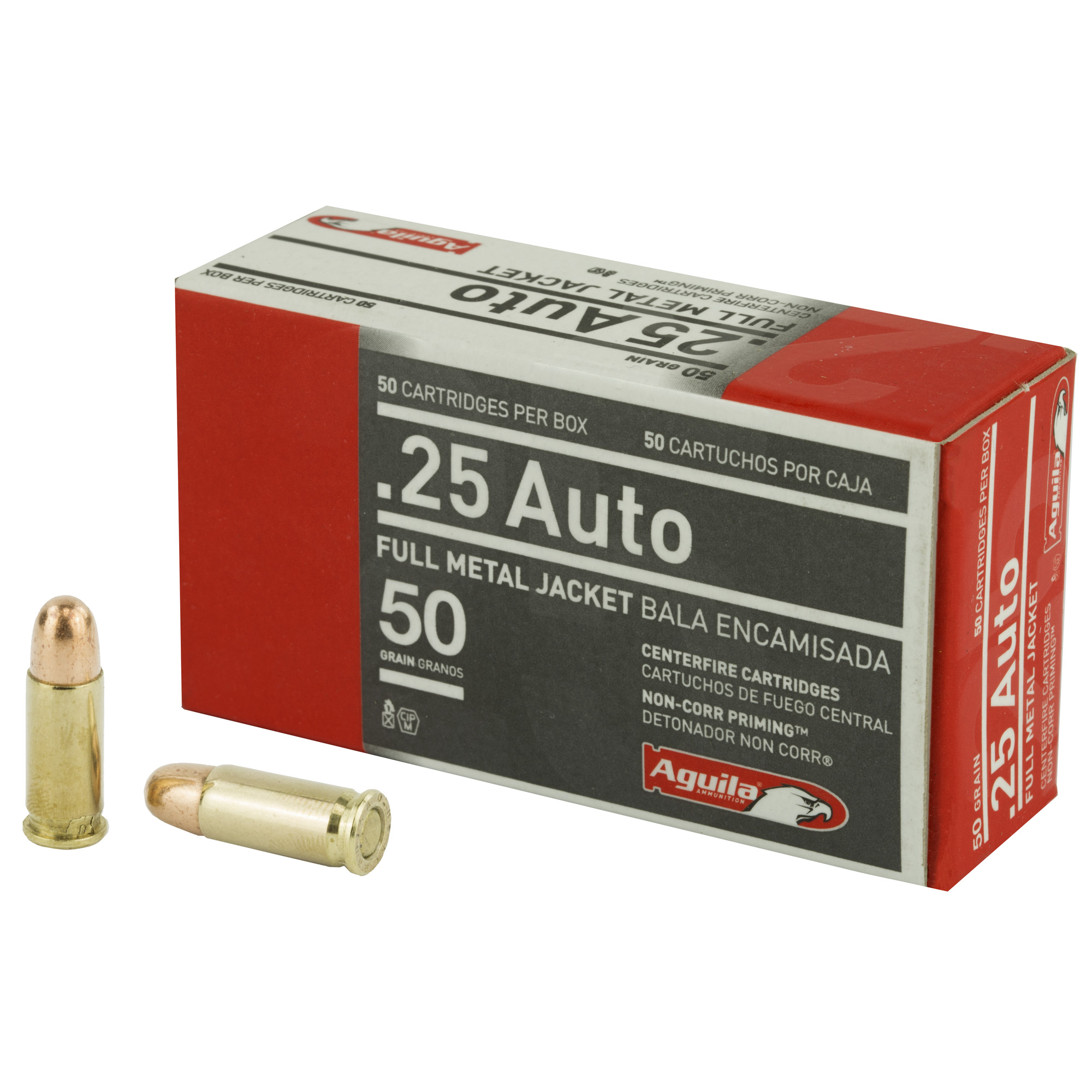
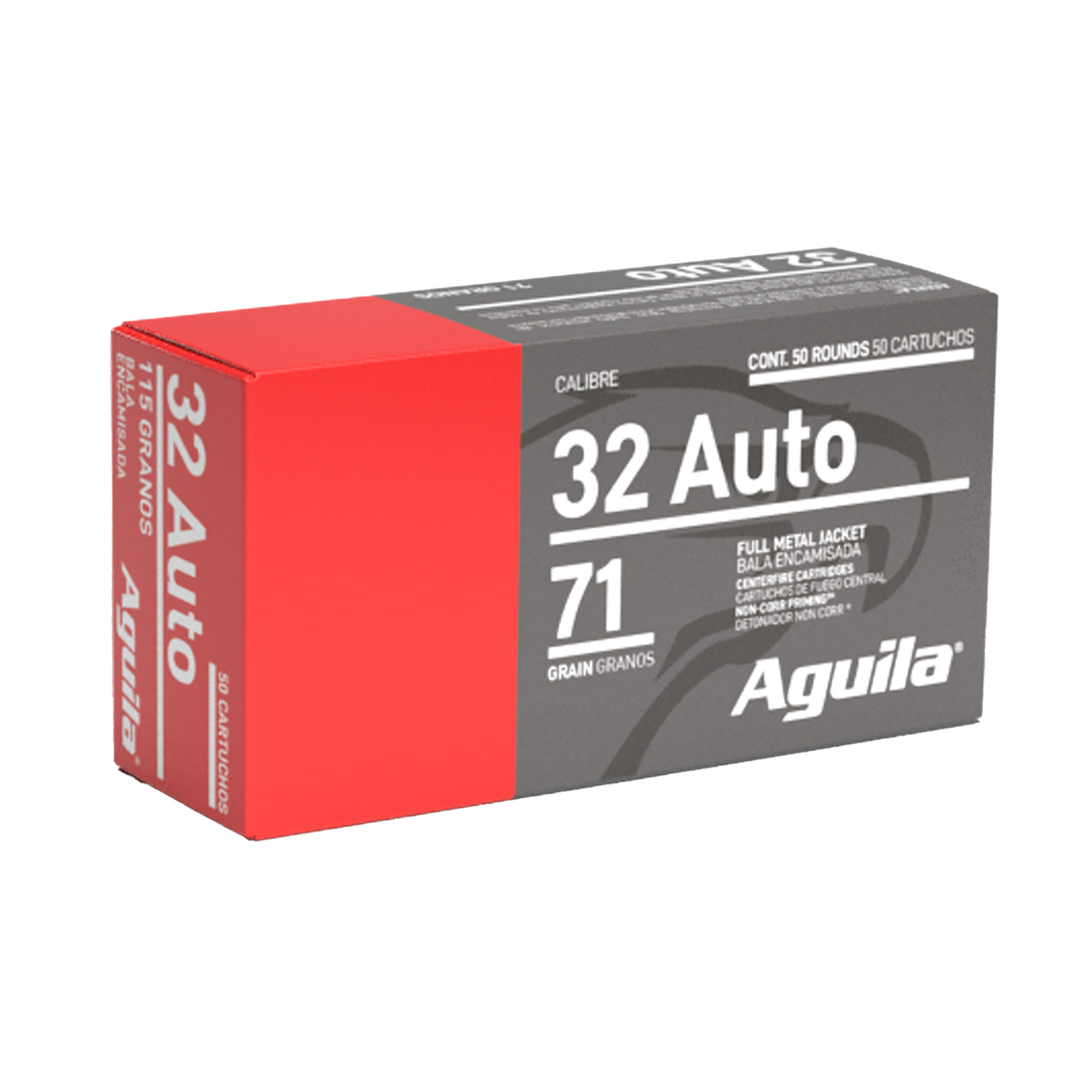
For smaller or less common handgun cartridges, use the exact child path when the listing matches the firearm. Options such as .25 ACP ammo, .32 ACP ammo, .357 SIG ammo, 5.7x28mm ammo, and 7.62×25 Tokarev ammo should be checked by exact cartridge wording before checkout.
Use Ammunition When You Need The Top-Level Path
If you are still deciding between handgun, rifle, shotgun, and rimfire buying paths, use the main ammunition section before narrowing into Handgun Ammo. That top-level path helps buyers choose the right ammo family first, then move into the correct cartridge lane.
Once the order is clearly a handgun order, stay inside the handgun path. Do not compare pistol and revolver cartridges against rifle rounds, rimfire bricks, or shotshell flats. Handgun buying should stay focused on cartridge fit, bullet weight, bullet construction, casing, package size, and total rounds.
Compare Bullet Type Before You Compare Bulk Price
Handgun Ammo can include FMJ, JHP, FTX-style, XTP-style, bonded, wadcutter, semi-wadcutter, flat nose, lead round nose, hard-cast-style, lead-free, and specialty bullet descriptions depending on the caliber and brand. Those terms matter because they separate range-style boxes, premium handgun loads, revolver loads, and specialty product lines.
FMJ is commonly compared for range-style handgun ammunition. Hollow point and polymer-tip-style listings are commonly compared in premium handgun loads. Wadcutter and semi-wadcutter descriptions may appear in certain revolver cartridges. Hard-cast-style wording may appear in heavier handgun loads. The buyer should read the listing instead of choosing by abbreviation alone.
Casing is part of the same check. Brass case, nickel-plated brass, aluminum case, and steel case wording may appear depending on the product. If casing type matters to the buyer, it should be confirmed before comparing price per round or case quantity.
Brand Paths That Help Narrow Handgun Ammo
Brand can help organize Handgun Ammo, but it should not replace the cartridge and quantity check. Buyers comparing Federal, American Eagle, Blazer, Winchester, Hornady, PMC, Fiocchi, Magtech, Underwood, and DoubleTap should still check the caliber, bullet style, casing, package count, and total rounds.
That brand check works best after the buyer knows the caliber. A brand path may include 9mm, .45 ACP, .380 ACP, .40 S&W, 10mm, .38 Special, .357 Magnum, or other handgun cartridges. The right order is the one where the brand, cartridge, load style, quantity, and shipping details all line up.
Bulk Handgun Ammo Needs A Cart Quantity Check
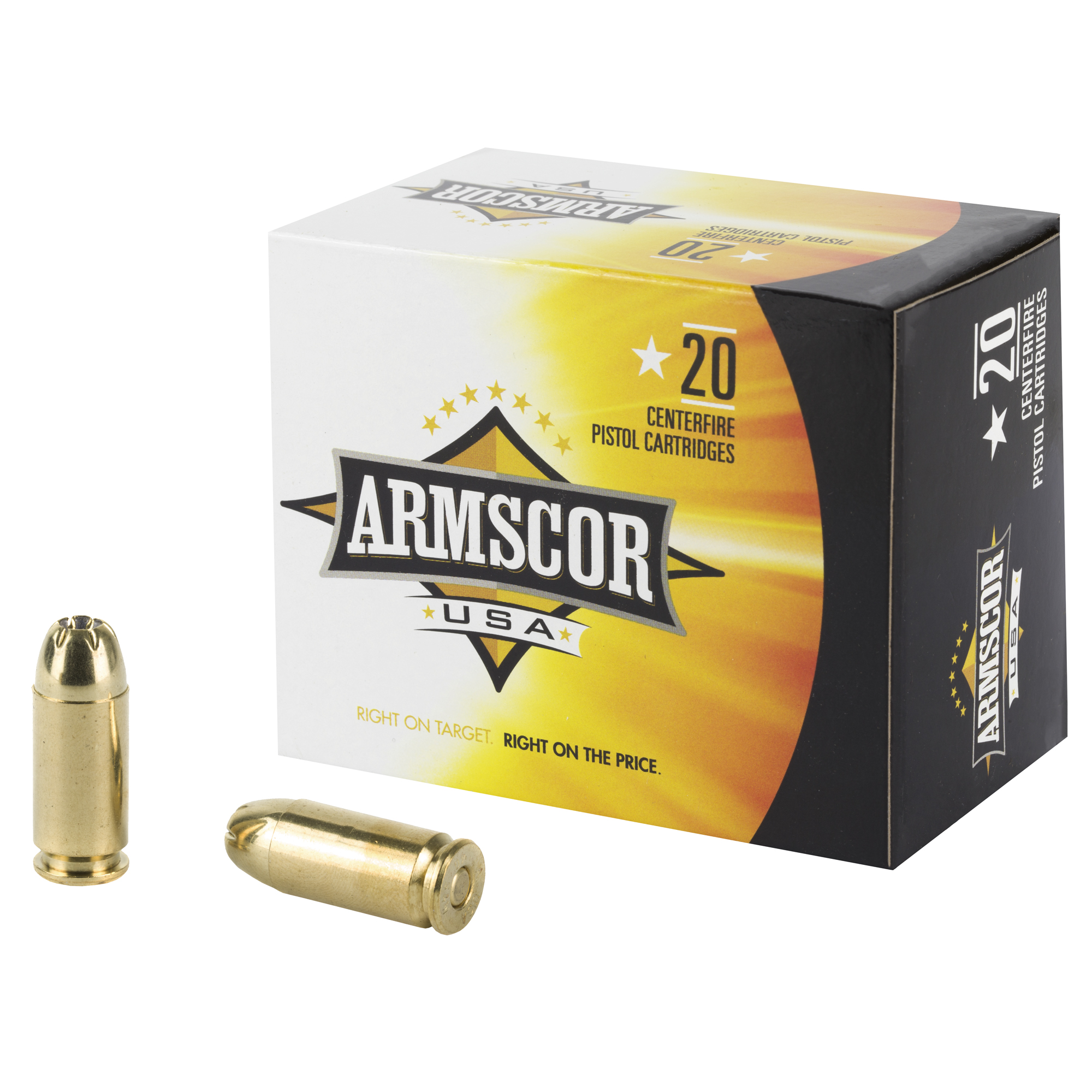
Bulk Handgun Ammo should be reviewed by total round count. A listing may show a 20-round premium box, a 50-round range box, a 100-round pack, a 250-round pack, a 500-round case, or a 1000-round case. Those formats should not be compared as if they are the same quantity.
Buyers should also check whether the listing is priced by box, by pack, or by case. A lower displayed price may represent a smaller quantity, a different bullet type, or a different casing. Confirm the cartridge and load style before judging the value.
For larger handgun orders, case quantity matters because it affects the actual cart total. Recheck the number of boxes, the rounds per box, and the final round count before checkout.
Checkout Review For Handgun Ammo Orders
Before placing a Handgun Ammo order, confirm the caliber, chambering, load style, casing, box count, case quantity, total round count, destination eligibility, and any checkout notice tied to the buyer’s shipping address. The cart should match the exact pistol or revolver cartridge the buyer intended to order.
Use the checkout screen as the final cleanup pass. Recheck the product title, cartridge name, bullet weight, bullet type, package quantity, shipping address, and any address-based notice before payment. That keeps the order focused on the correct handgun ammunition path.
What Is The Best Way To Shop Handgun Ammo?
The best way to shop Handgun Ammo is to start with the exact pistol or revolver cartridge, then compare bullet weight, bullet type, casing, box count, case quantity, total rounds, and shipping eligibility. Caliber fit should come before brand or price.
What Should I Check Before Buying Bulk Handgun Ammo?
Before buying bulk handgun ammo, check the cartridge name, bullet weight, bullet style, casing, box count, case quantity, total round count, and destination eligibility. Bulk buying works best when the buyer already knows the correct handgun caliber and load type.
How Do I Choose Between Pistol Ammo And Revolver Ammo?
Choose between pistol ammo and revolver ammo by matching the cartridge name on the firearm and the product listing. Semi-auto pistol cartridges and revolver cartridges can sit under Handgun Ammo, but the exact chambering still controls the order.
Should I Compare Handgun Ammo By Brand First?
Brand can help narrow Handgun Ammo, but the buyer should confirm the caliber, bullet style, casing, package quantity, and shipping eligibility first. The brand path is most useful after the cartridge and load details are already clear.
Which Handgun Calibers Are Useful Starting Points?
Useful Handgun Ammo starting points include 9mm, .45 ACP, .380 ACP, .40 S&W, 10mm, .38 Special, .357 Magnum, .25 ACP, .32 ACP, 5.7x28mm, and other direct handgun caliber paths. The buyer should choose the path that matches the firearm chambering and product listing.