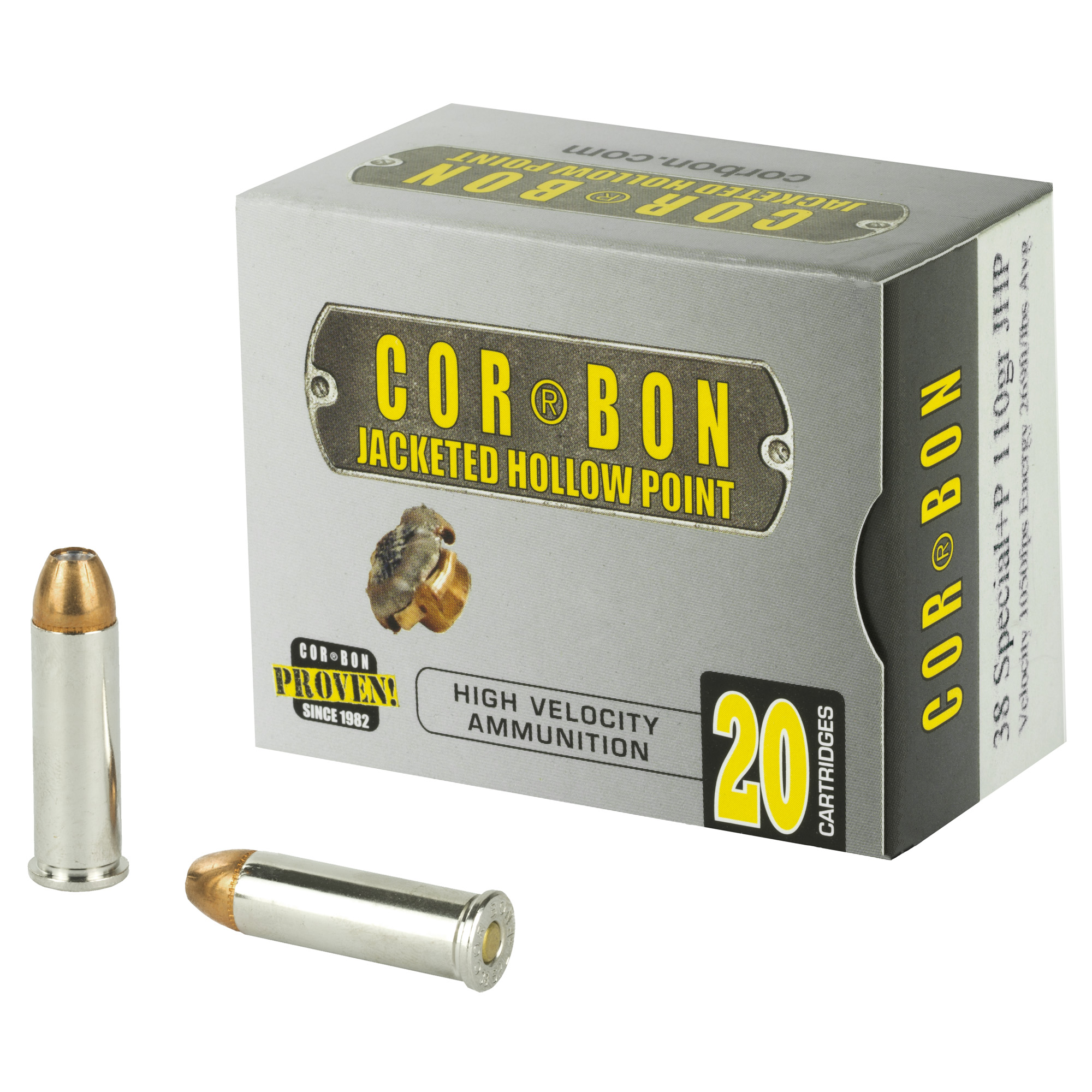
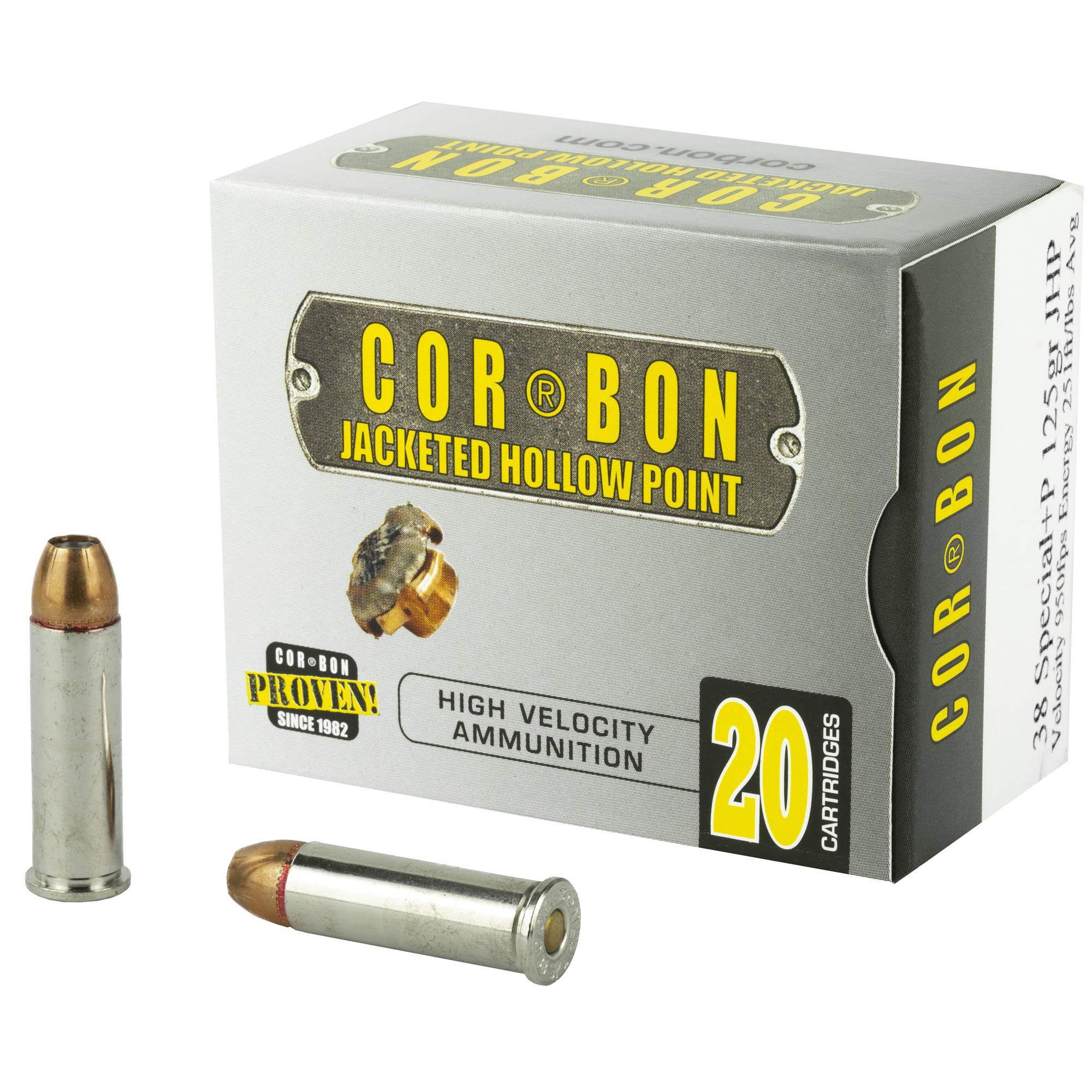
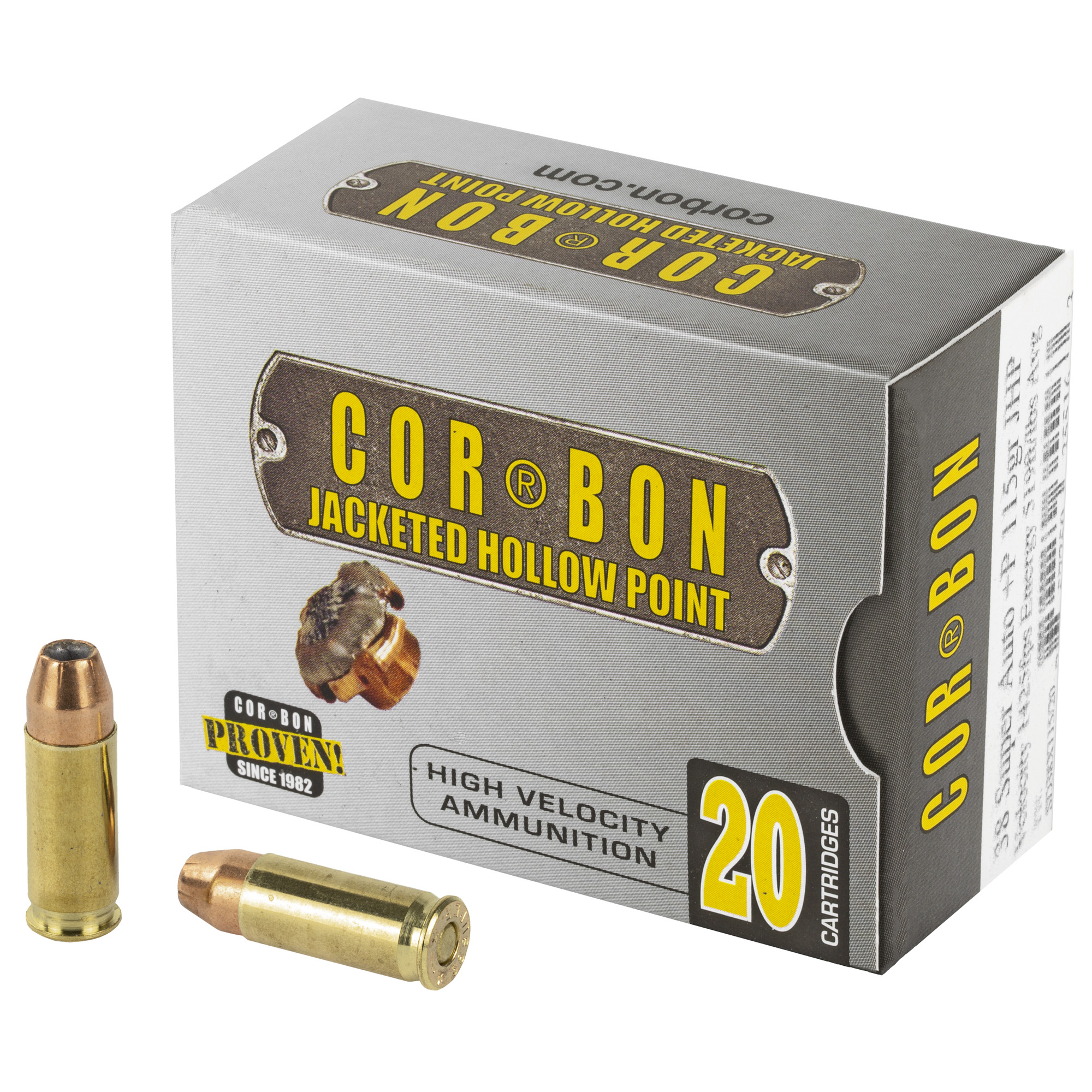
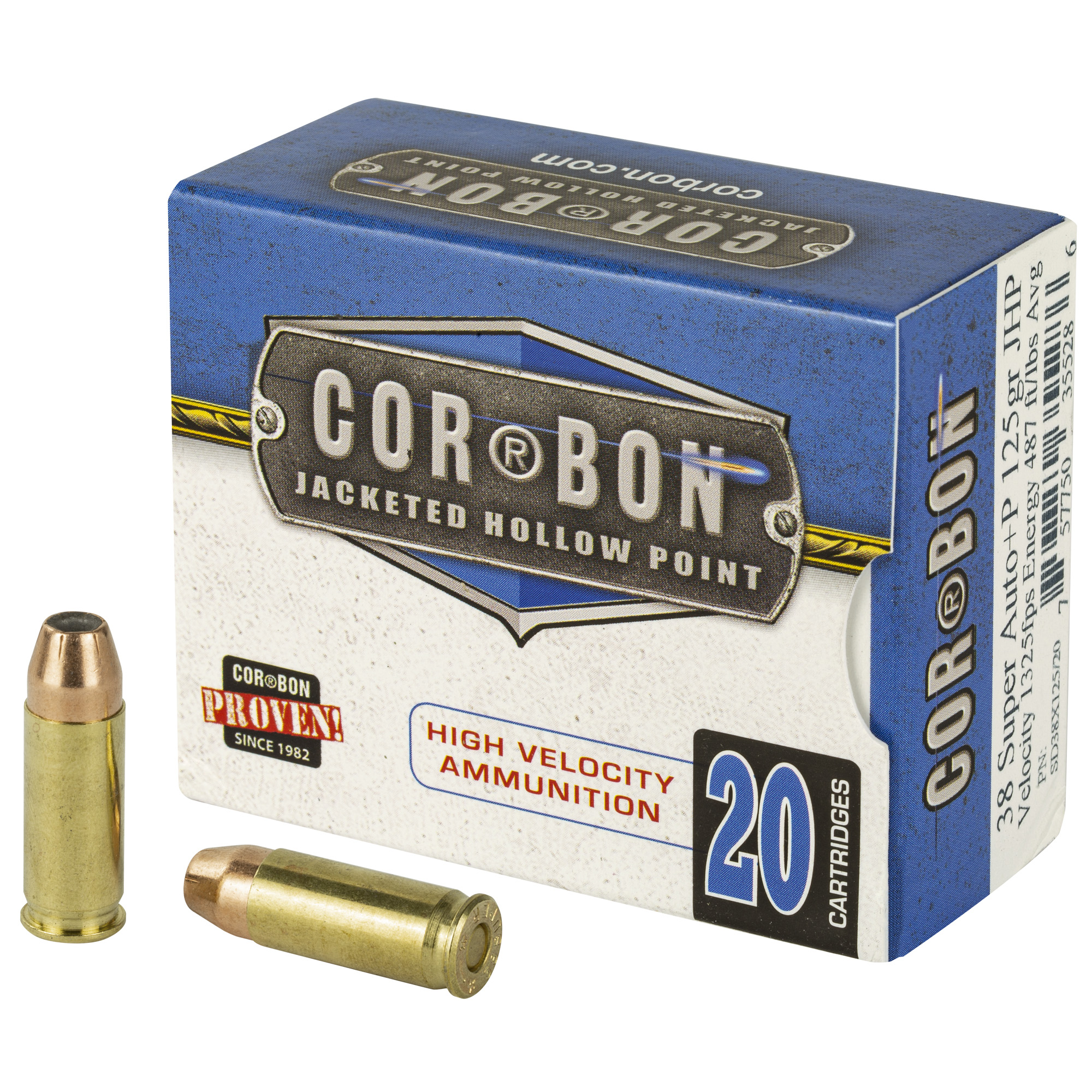
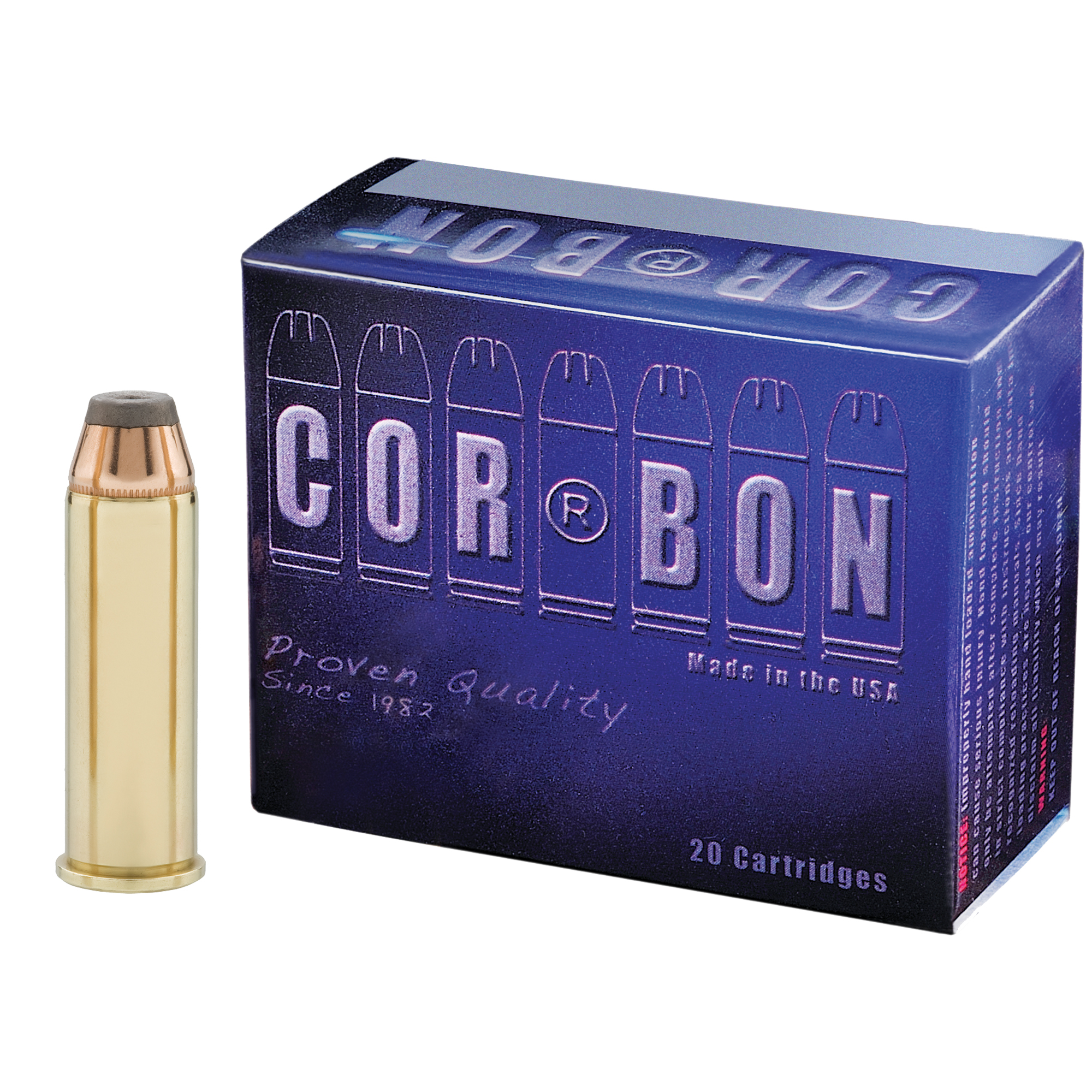
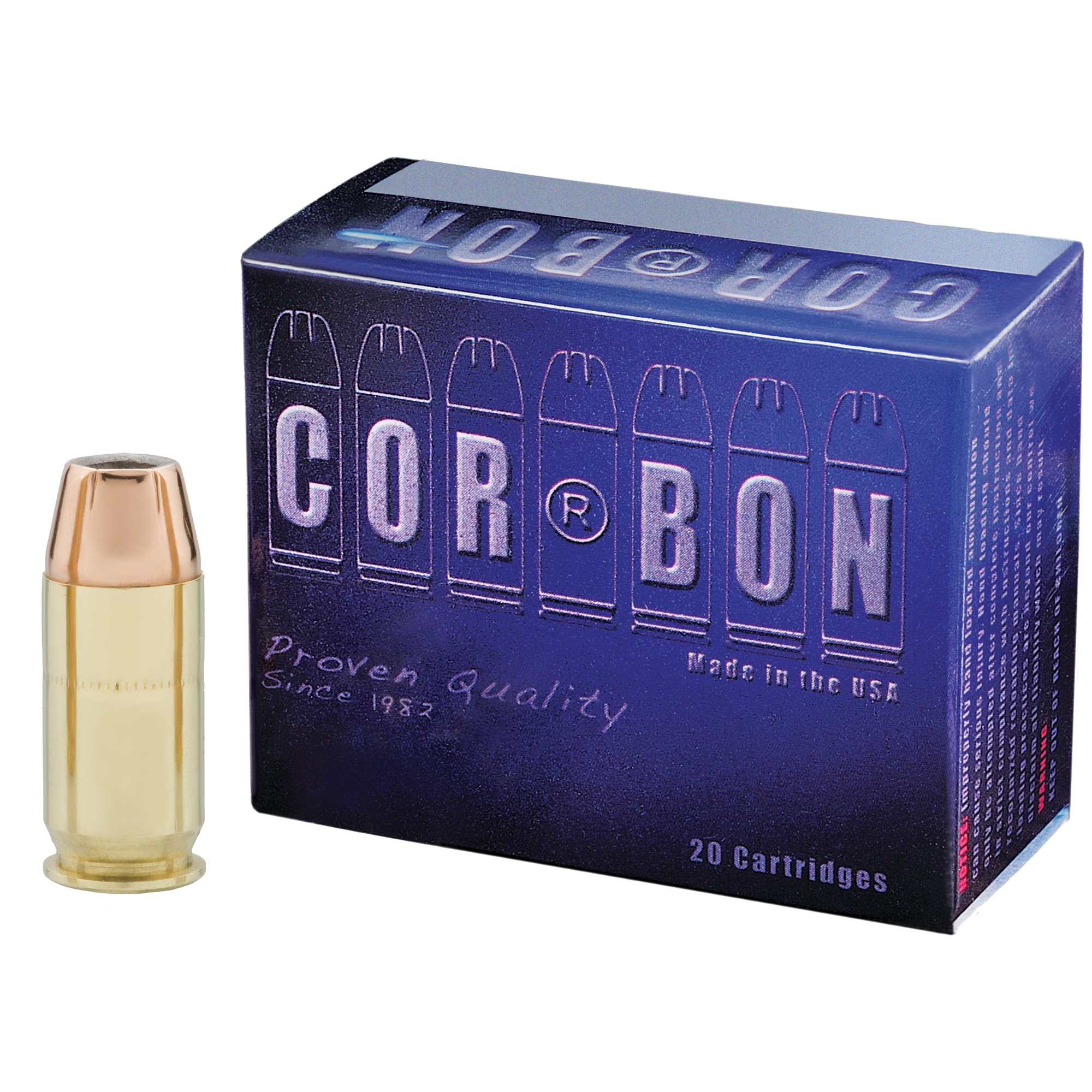
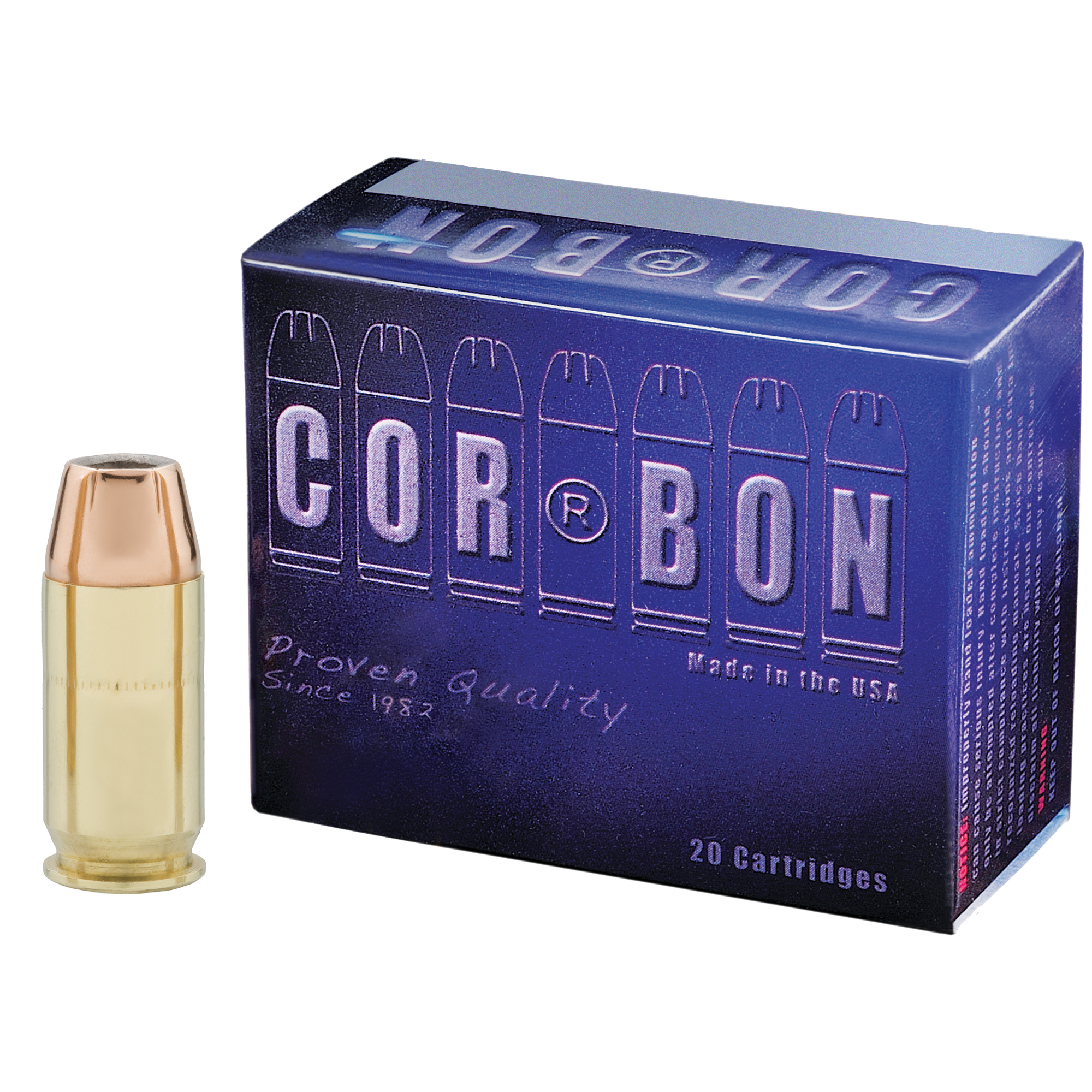
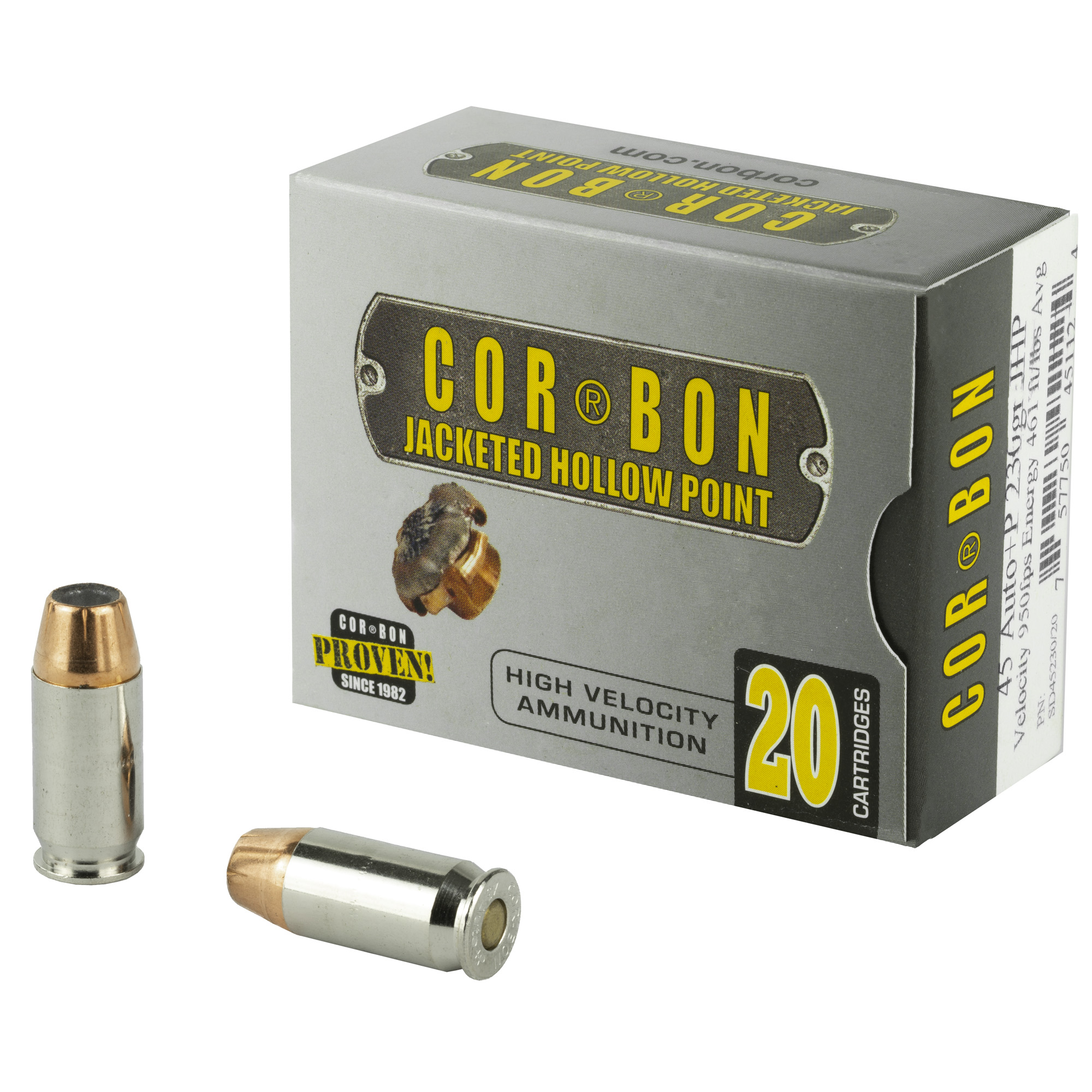
Self Defense Ammo gives buyers a careful way to narrow ammunition listings when the product details support personal-protection or defensive-ammunition wording. The tag should stay tied to the individual product listing because a handgun caliber can include range loads, FMJ loads, hollow point loads, specialty loads, and bulk practice options.
How To Review Self Defense Ammo Without Guessing
The cleanest review starts with the product title. Look for the exact caliber, projectile type, bullet weight, box count, case quantity, and total round count. If the listing uses self-defense, personal-protection, hollow point, JHP, or a verified defensive product-line name, the Self Defense Ammo tag may fit. If the listing only shows the caliber and brand, hold the tag until the product details confirm it.
For most buyers, the first product-check area is handgun ammo. That parent section helps shoppers sort pistol and revolver cartridges, but the tag should not be applied to every handgun product automatically. Product-level wording matters more than the caliber name by itself.
Handgun Calibers Buyers Commonly Check First
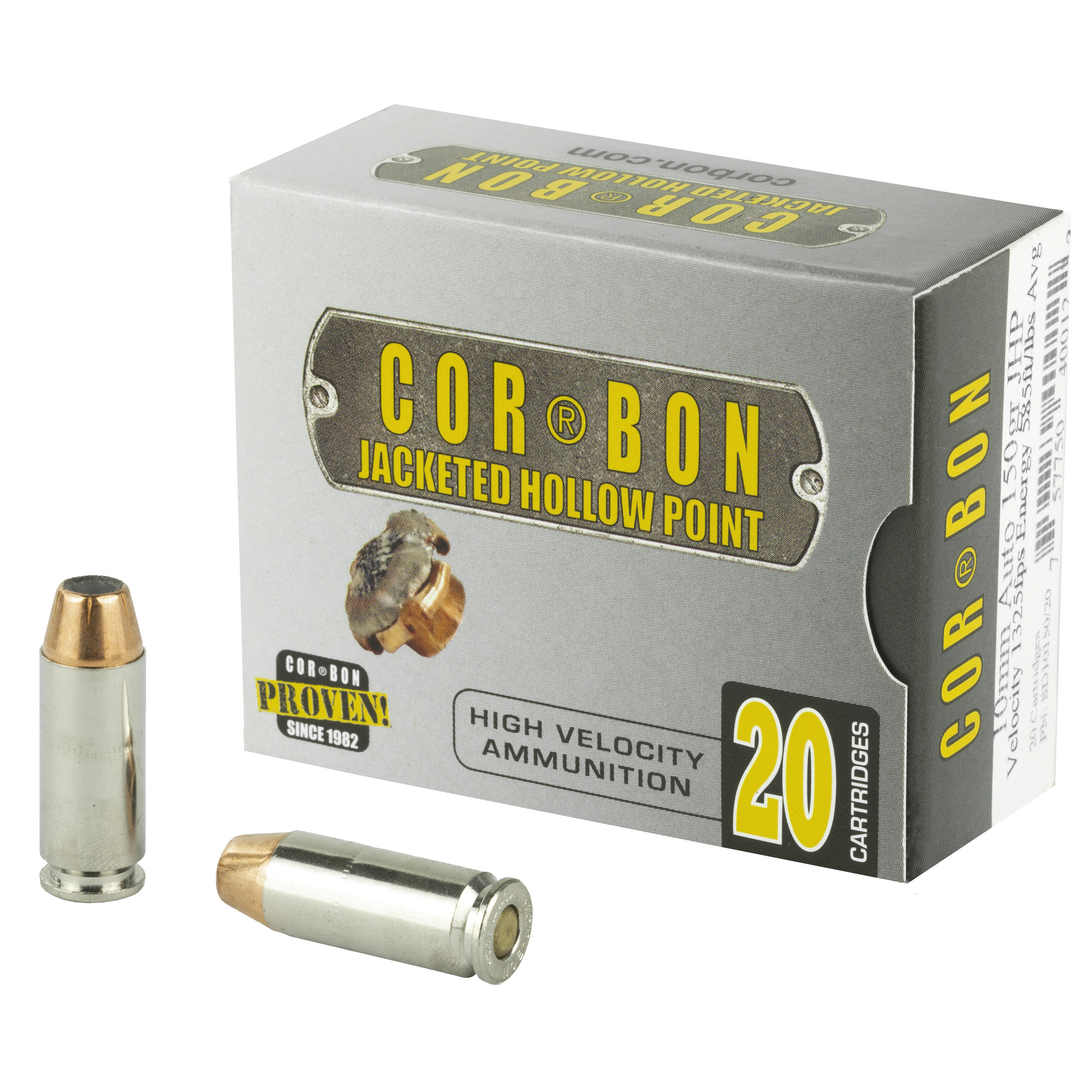
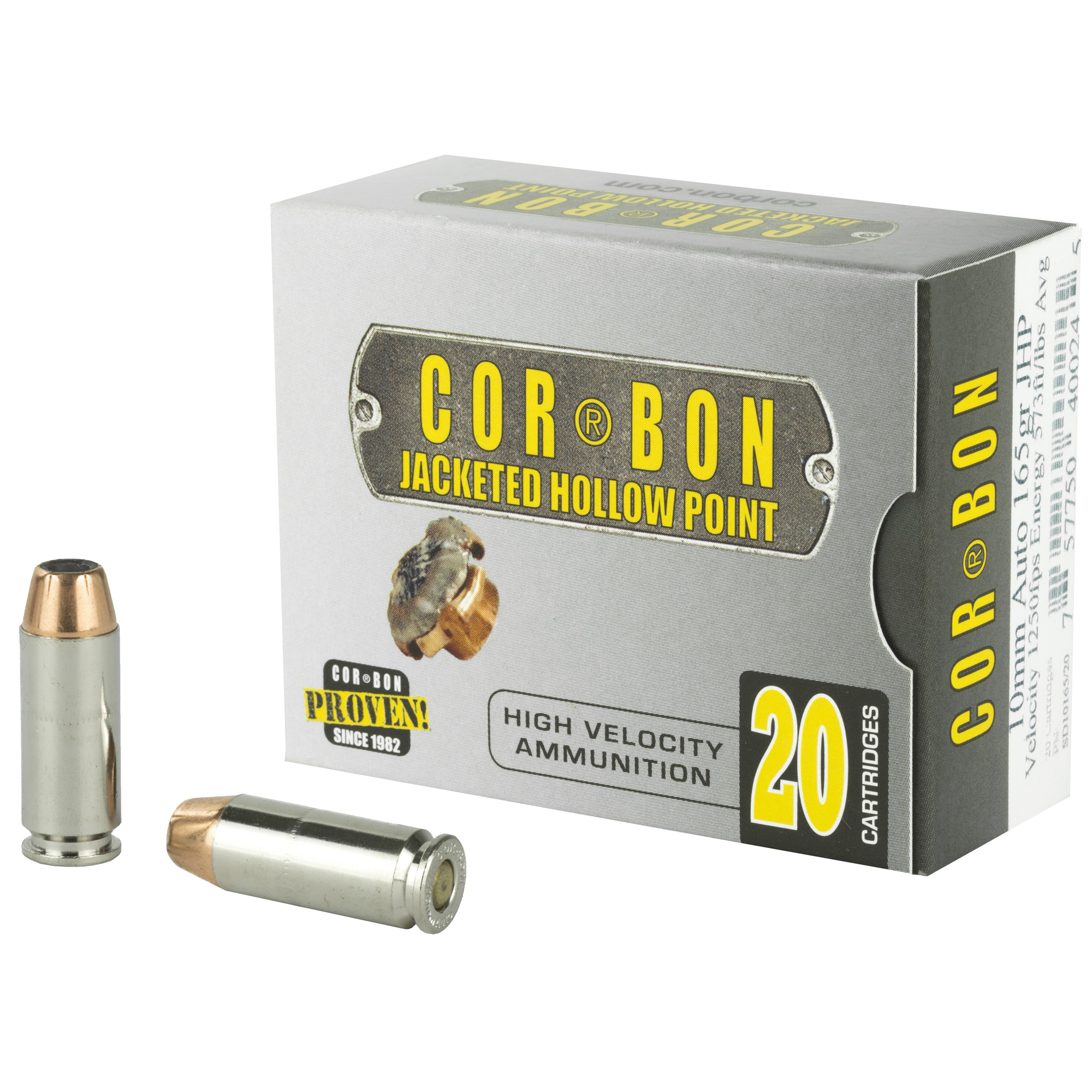
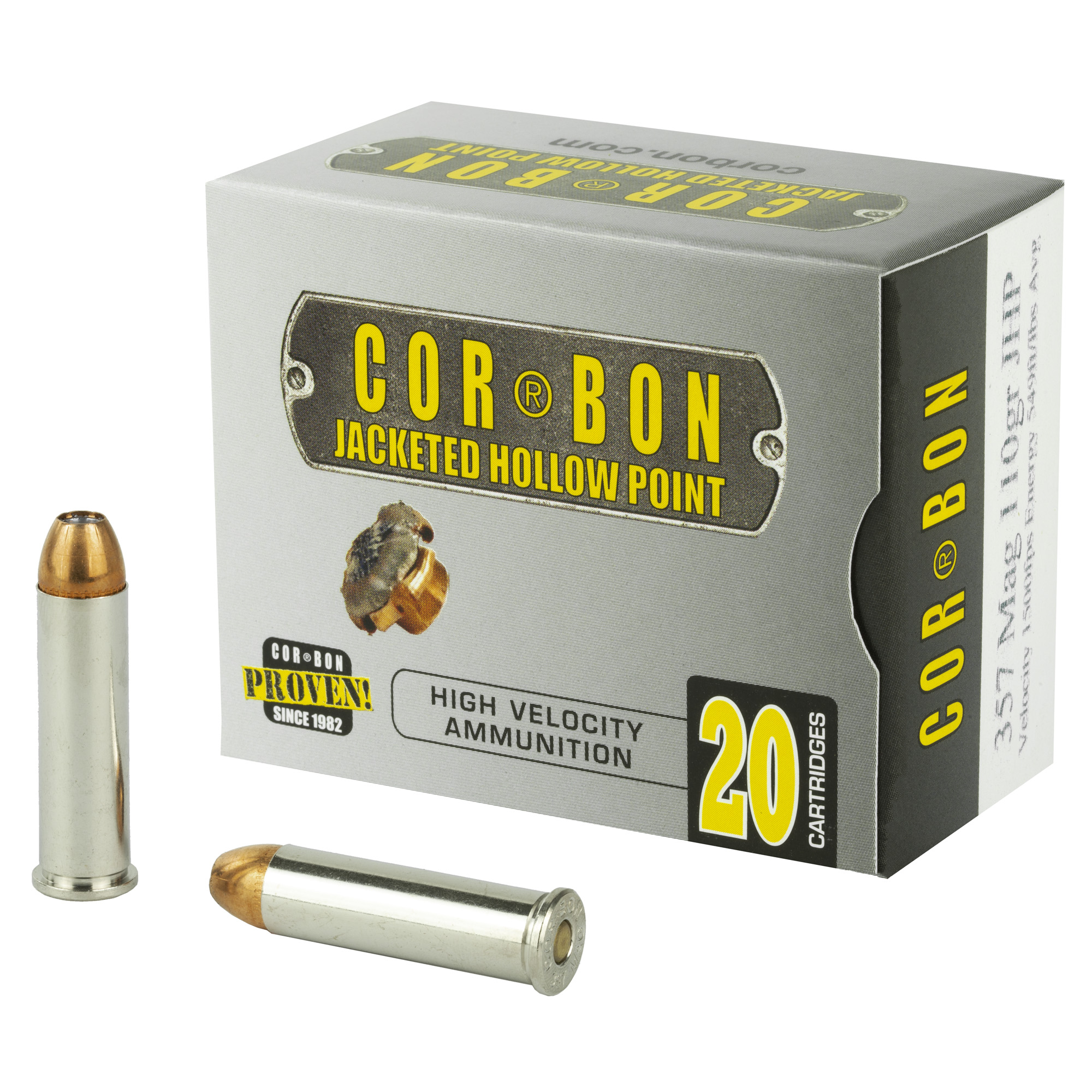
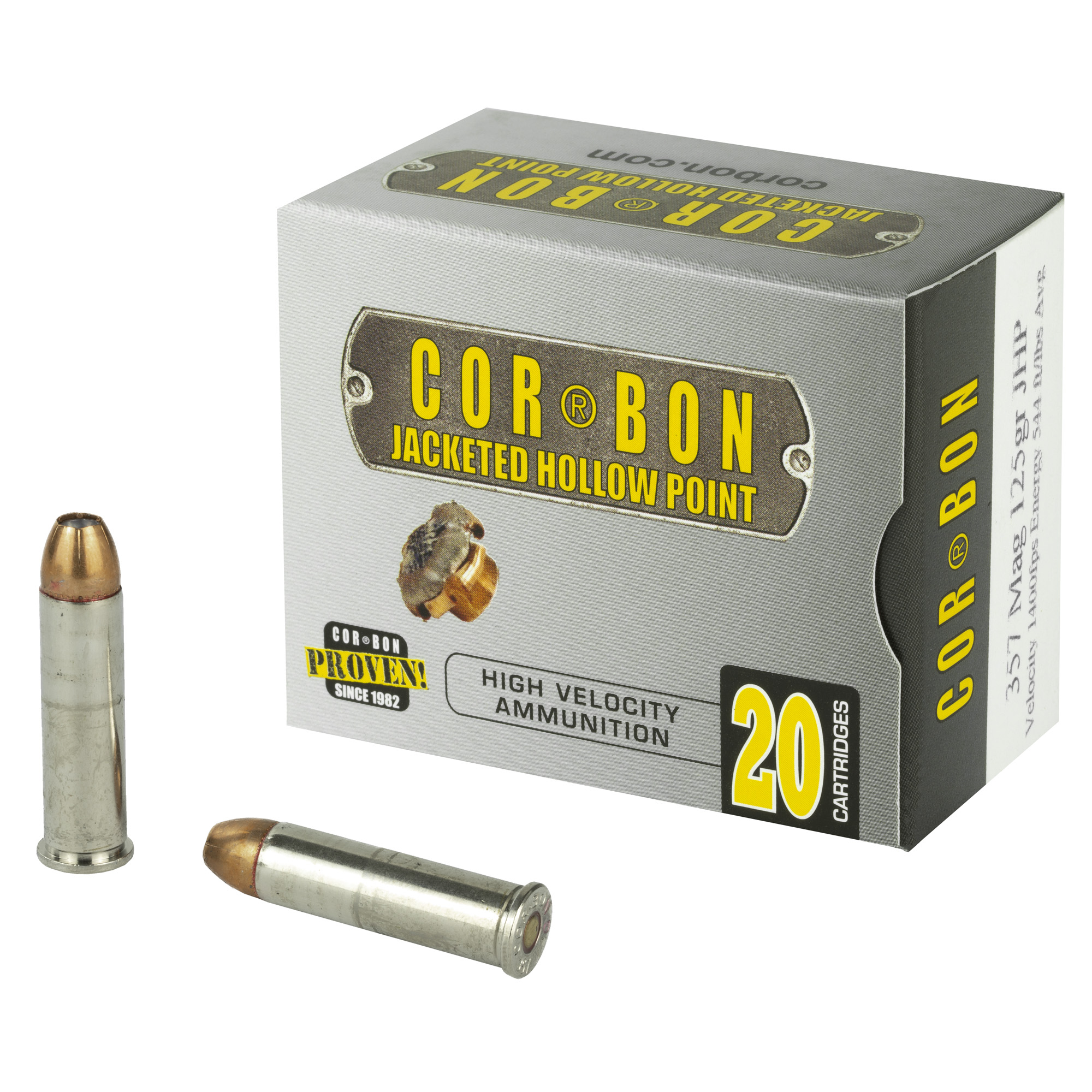
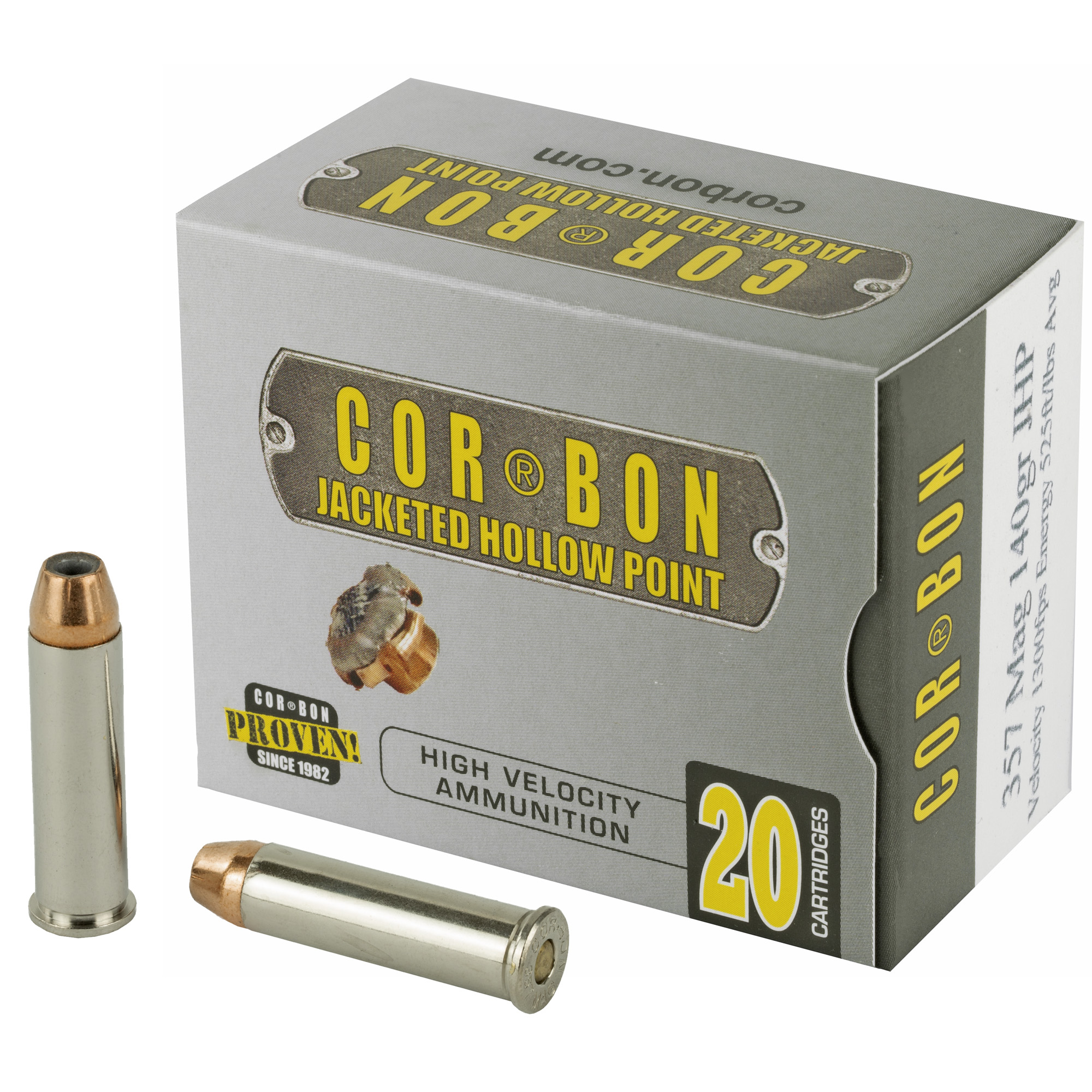
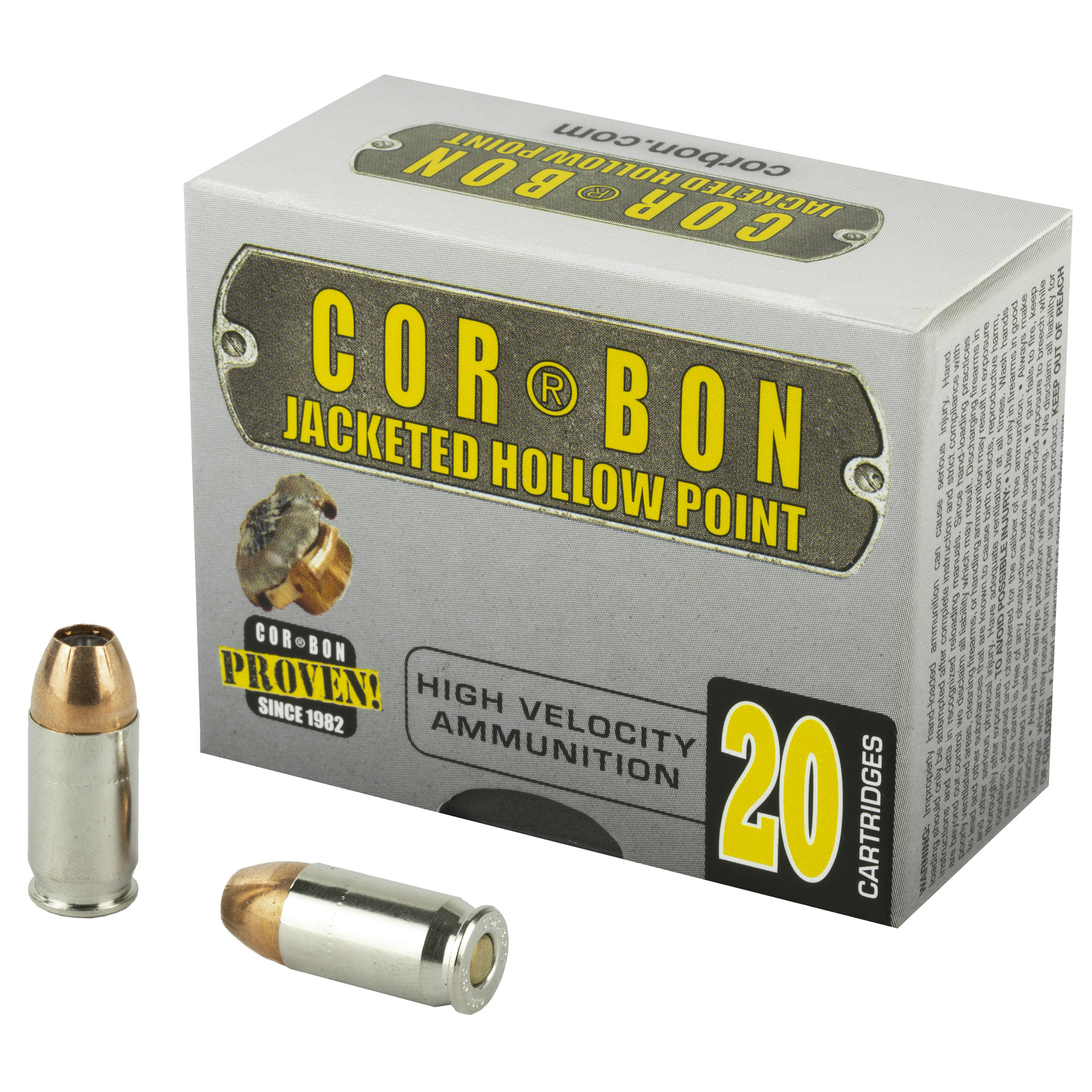
Several handgun caliber pages are useful starting points when reviewing Self Defense Ammo candidates. Buyers may compare 9mm ammo, .45 ACP ammo, .380 ACP ammo, .38 Special ammo, .357 Magnum ammo, .40 S&W ammo, and 10mm ammo when the product listing supports the use-case.
Those caliber pages should be treated as product-check paths, not automatic tag assignments. A 9mm product might be FMJ range ammo, hollow point ammo, frangible ammo, lead-free ammo, or another load style. The same is true for .45 ACP, .380 ACP, .40 S&W, and 10mm. The listing has to tell the buyer what the product actually is.
Projectile Type Matters More Than A Broad Caliber Label
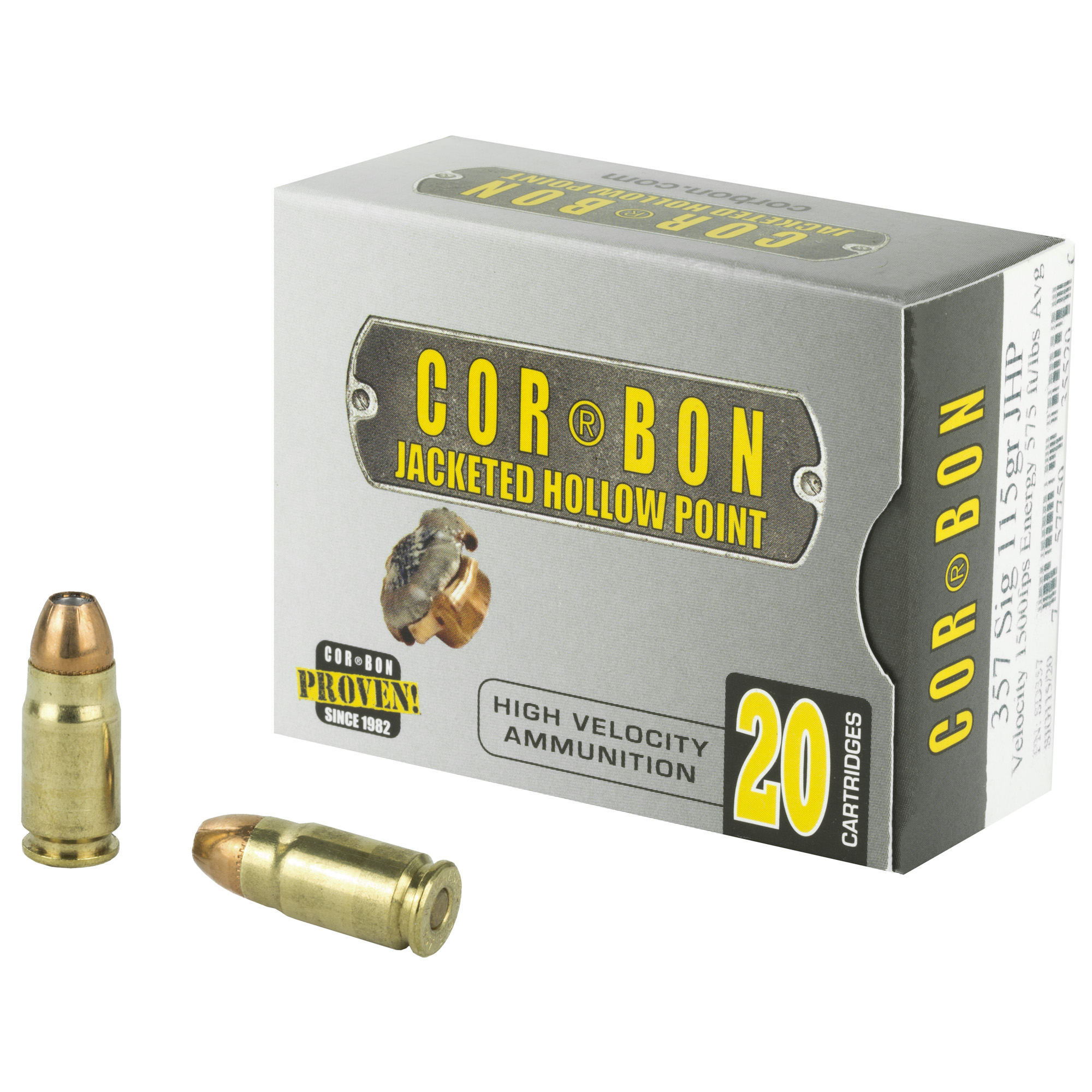
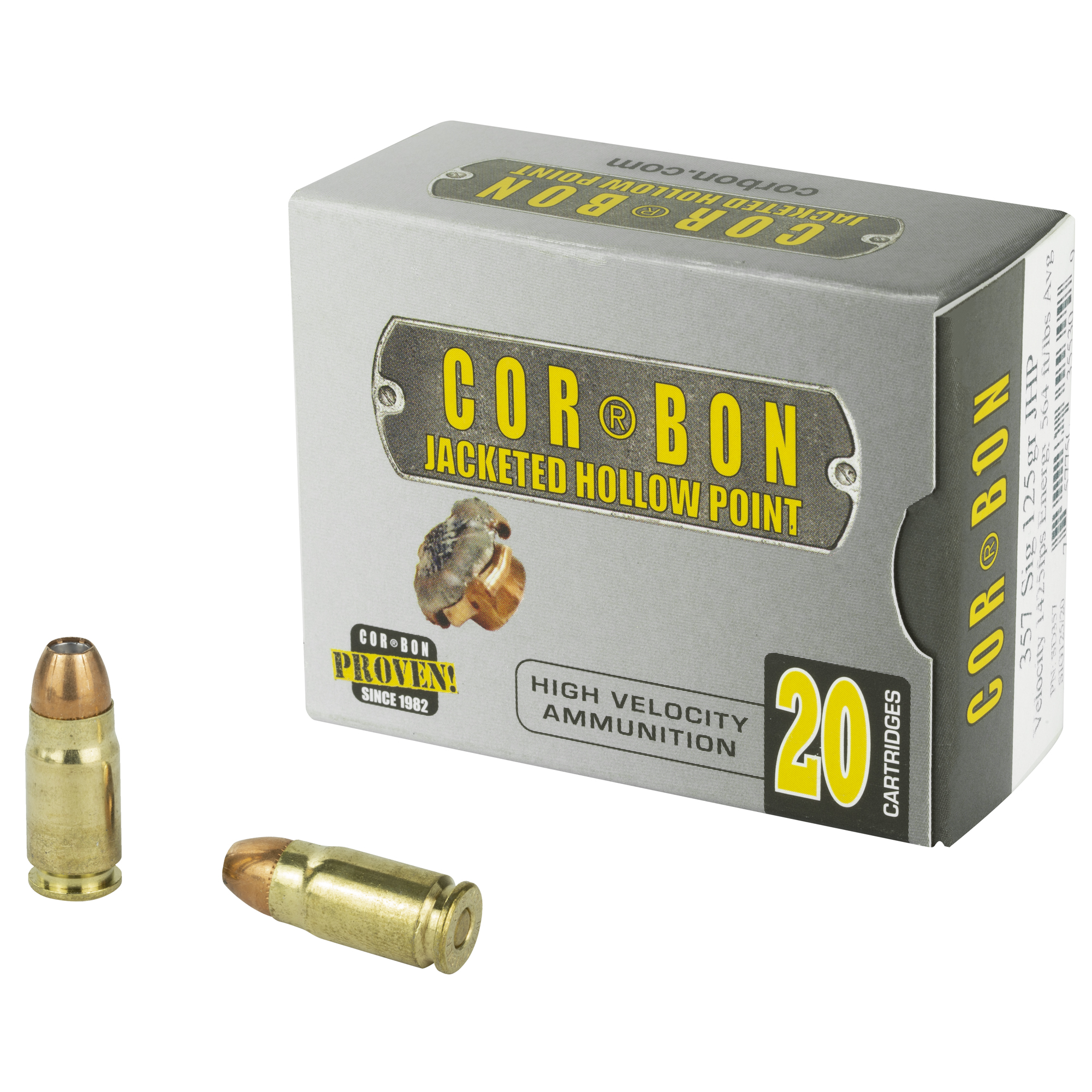
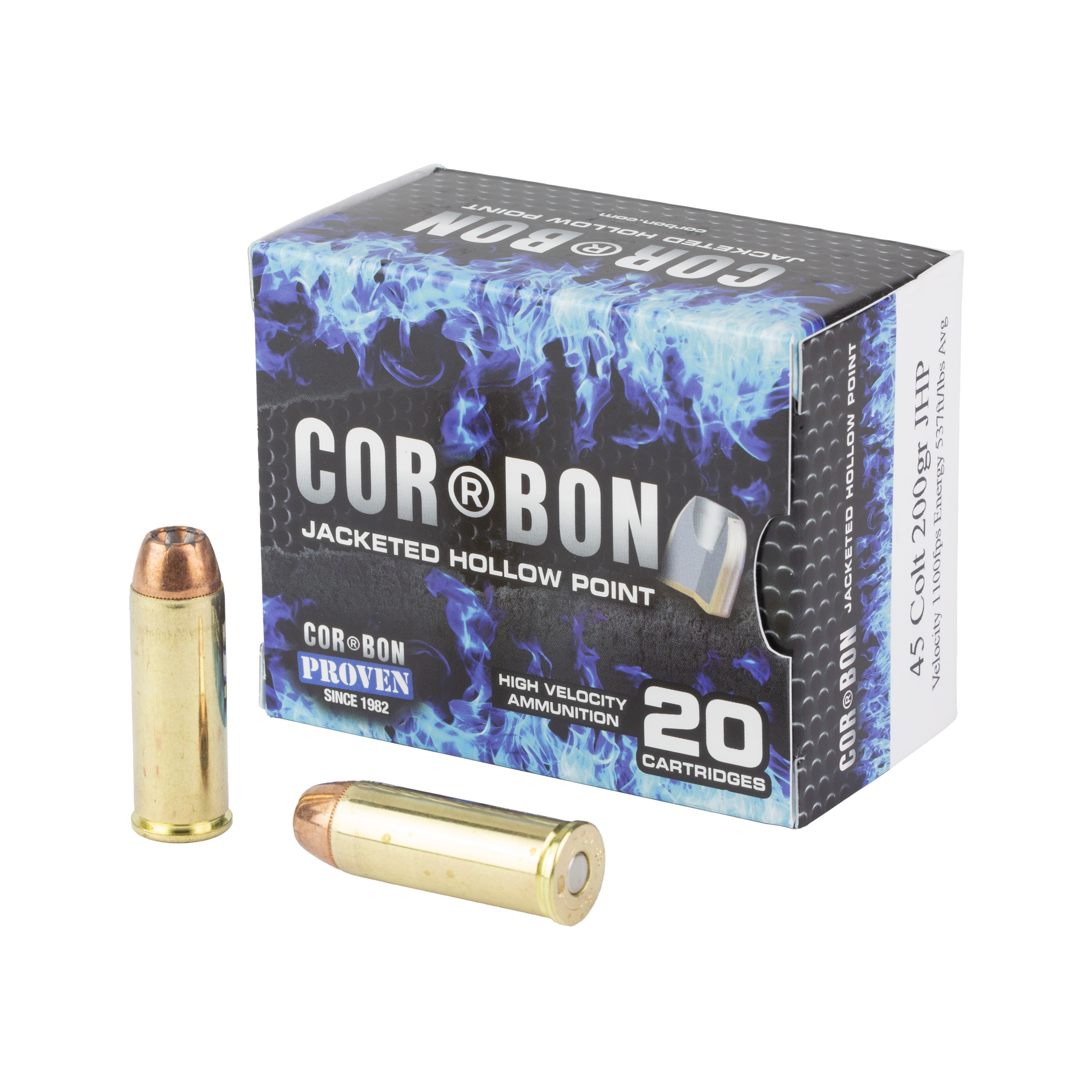
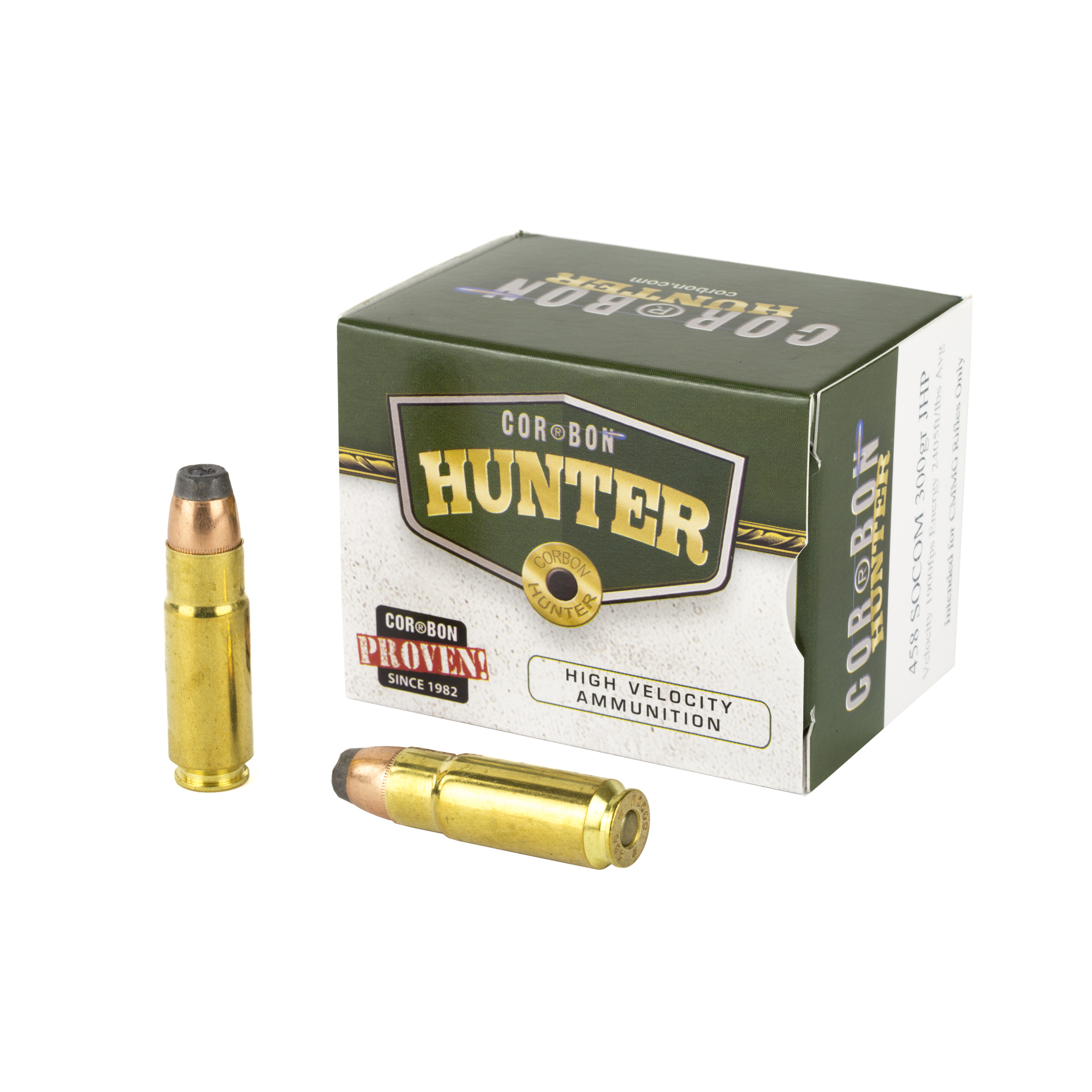
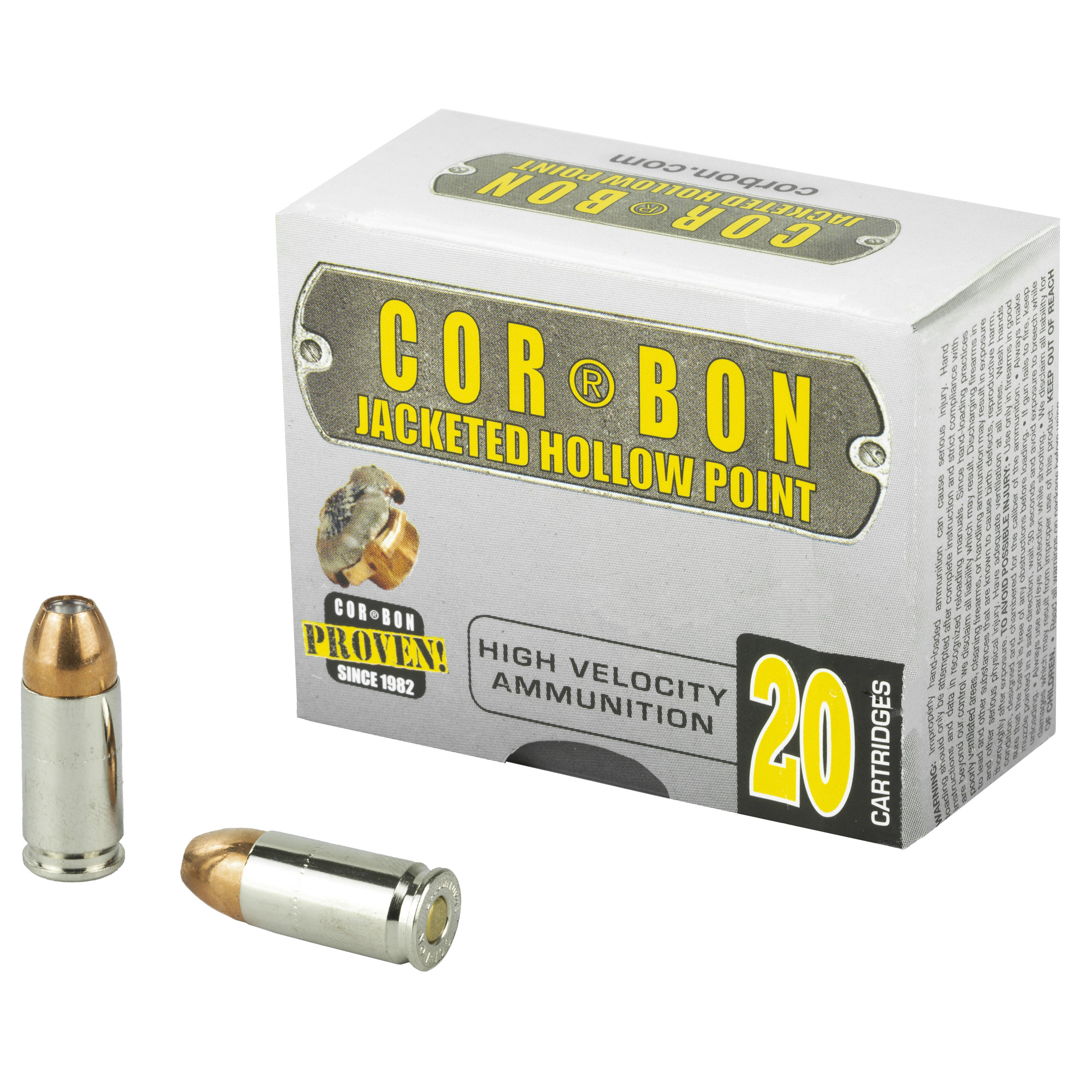
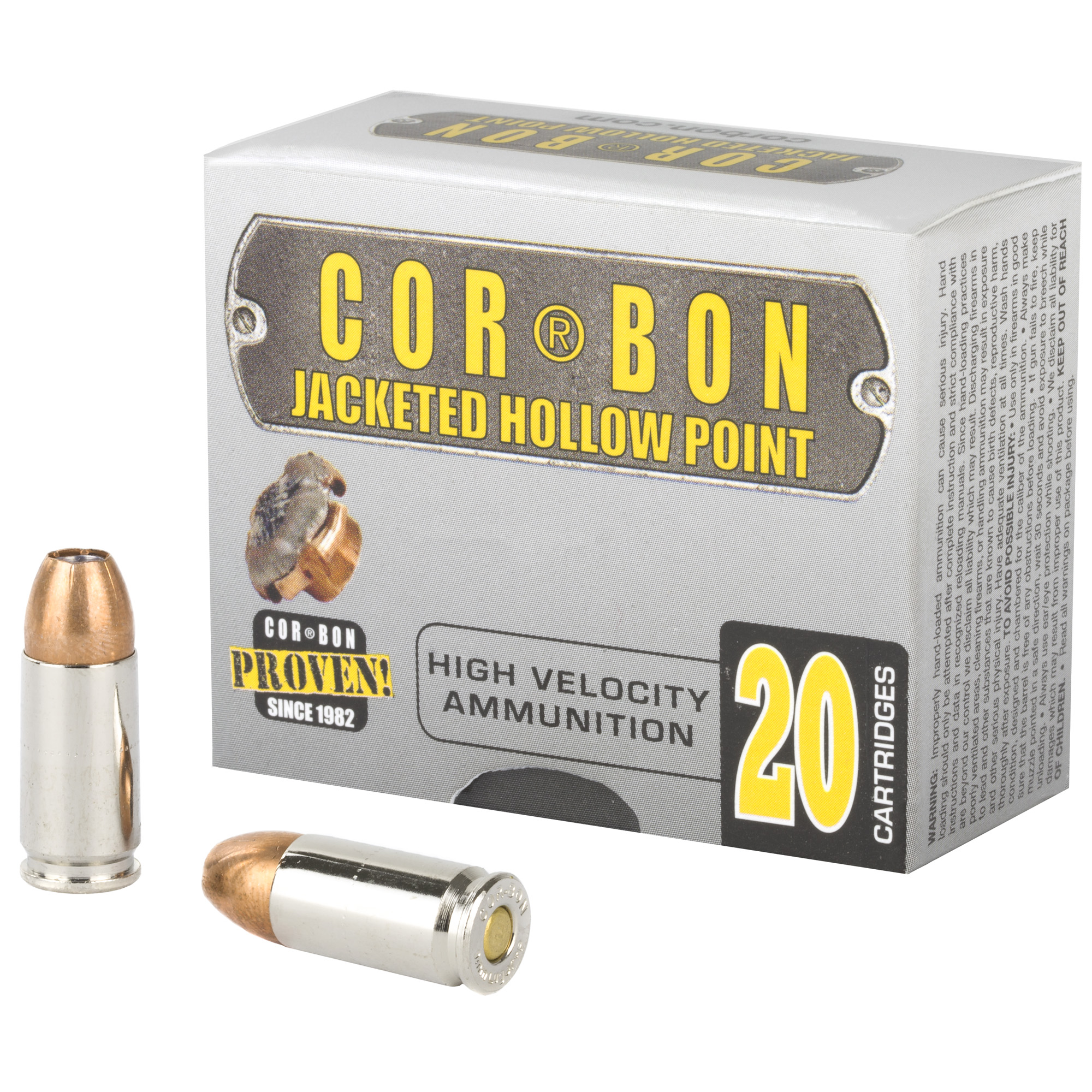
For this tag, projectile wording is one of the most important details. Hollow point, JHP, bonded hollow point, solid copper, or other listed projectile language may help identify the product’s intended shopping path, but the tag should still follow the actual listing. Do not assume that every product from a related caliber belongs here.
Buyers should compare the projectile type alongside the cartridge wording, grain weight, casing type, box count, and total round count. A product with clear self-defense or personal-protection language should still be reviewed like any other ammunition order: exact caliber first, product title second, quantity and checkout details before completion.
Brand And Product-Line Paths To Review Carefully
Brand names can help narrow the shelf, especially when a product line is commonly reviewed for personal-protection ammunition. Gold Dot is the strongest product-line path for this tag because it connects to core handgun calibers including 9mm, .380 ACP, .38 Special, .357 Magnum, .40 S&W, 10mm, and .45 ACP. Buyers may also review Speer when comparing that broader brand family.
Other brand paths, including Lehigh Defense, Federal, Hornady, Winchester, SIG Sauer, Underwood, DoubleTap, and Buffalo Bore, can be useful when the product listing supports the Self Defense Ammo tag. The brand name should help organize the shelf, not replace the product-level check.
What Product Details Matter Most For Self Defense Ammo?
The most important details are the caliber, cartridge wording, projectile type, bullet weight, casing type, box count, case quantity, and total round count. The product title or attributes should clearly support self-defense, personal-protection, hollow point, JHP, or a verified defensive product-line relationship before the tag is used.
Should Every 9mm Product Be Tagged As Self Defense Ammo?
No. 9mm ammo can include several different load styles. Use the Self Defense Ammo tag only when the individual 9mm product title, attributes, or description clearly supports the tag. A 9mm FMJ range load, for example, should not be tagged as Self Defense Ammo unless the listing separately supports that use-case.
Which Calibers Should Buyers Check First For Self Defense Ammo?
Buyers usually check product listings in 9mm, .45 ACP, .380 ACP, .38 Special, .357 Magnum, .357 SIG, .40 S&W, 10mm, .44 Special, .44 Magnum, and 5.7x28mm. These are product-check paths, not automatic assignments. The product title and attributes decide whether the tag belongs.
How Should Buyers Compare Self Defense Ammo In Bulk Quantities?
Compare the box count, case quantity, total round count, caliber, projectile type, and product-title wording. A larger quantity should still match the buyer’s exact cartridge needs and checkout details before the order is completed.
What Should Lawful Adult Buyers Confirm Before Ordering Self Defense Ammo?
Lawful adult buyers should confirm the product title, cartridge wording, firearm marking, projectile type, bullet weight, casing type, box count, case quantity, total round count, destination eligibility, shipping eligibility, and checkout notices before placing an order.
How Should Buyers Review Shipping Eligibility For Self Defense Ammo?
Shipping review should stay tied to the product and destination entered at checkout. Read the product details, destination notices, shipping eligibility information, and order requirements before completing the order. Do not treat the Self Defense Ammo tag as a shipping guarantee.