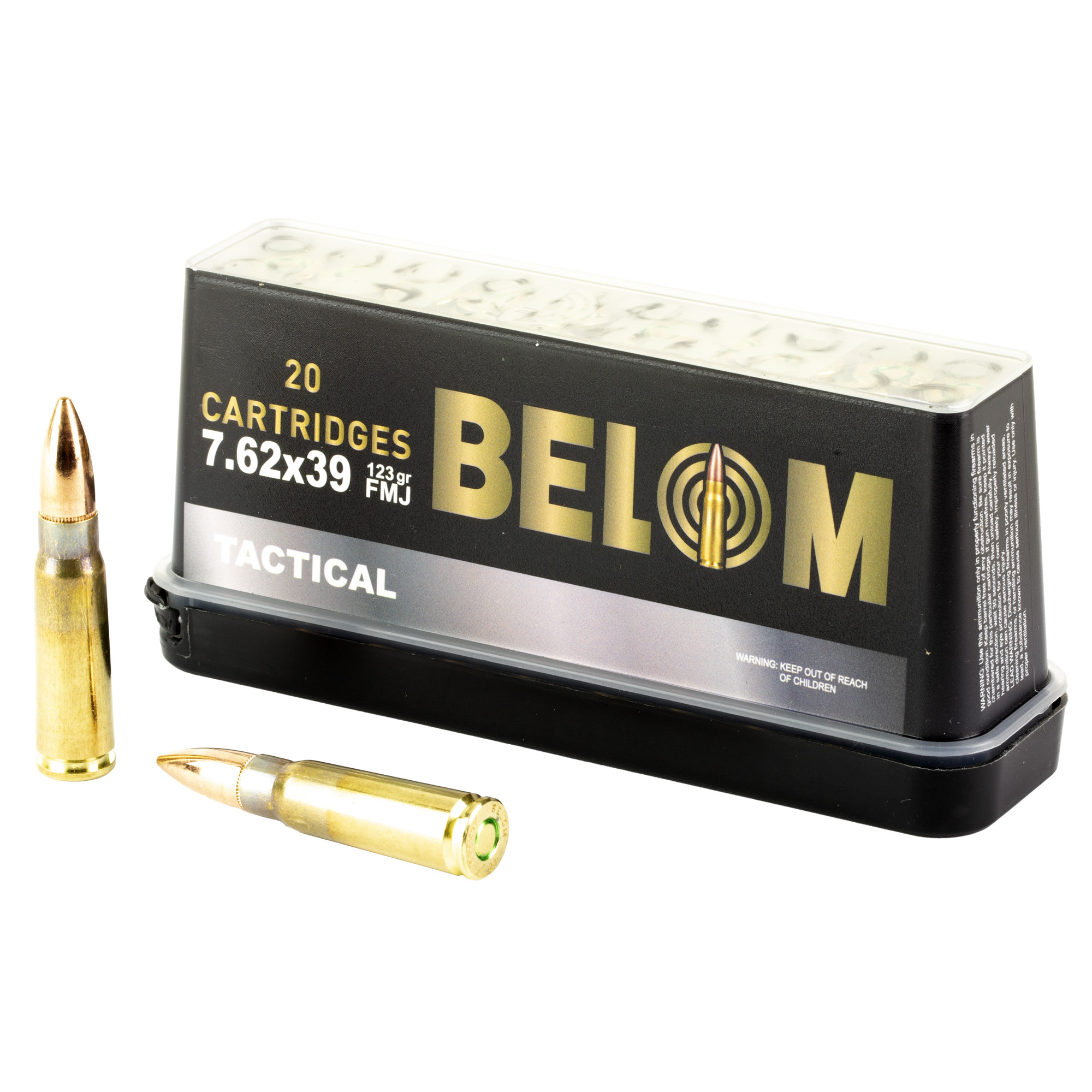
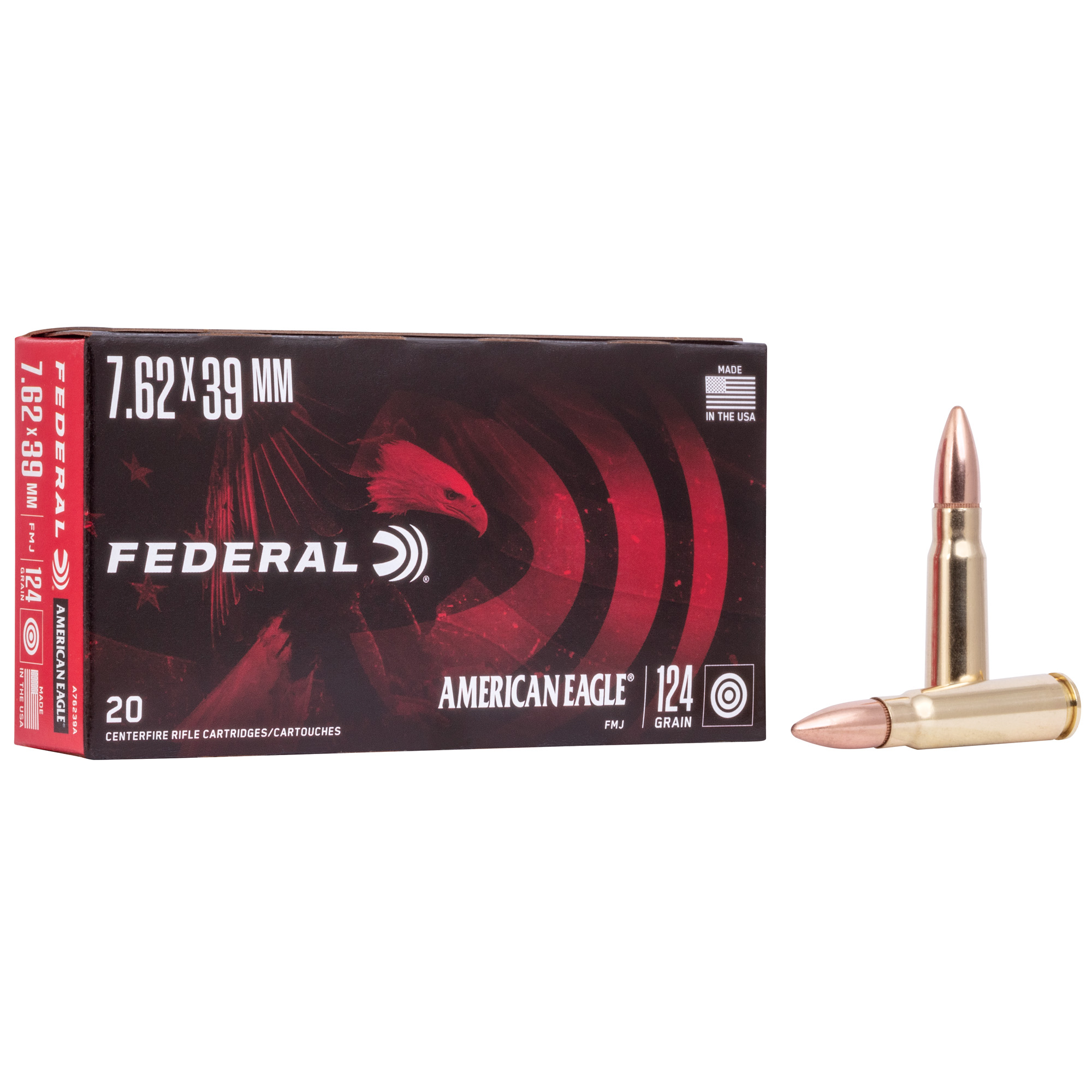
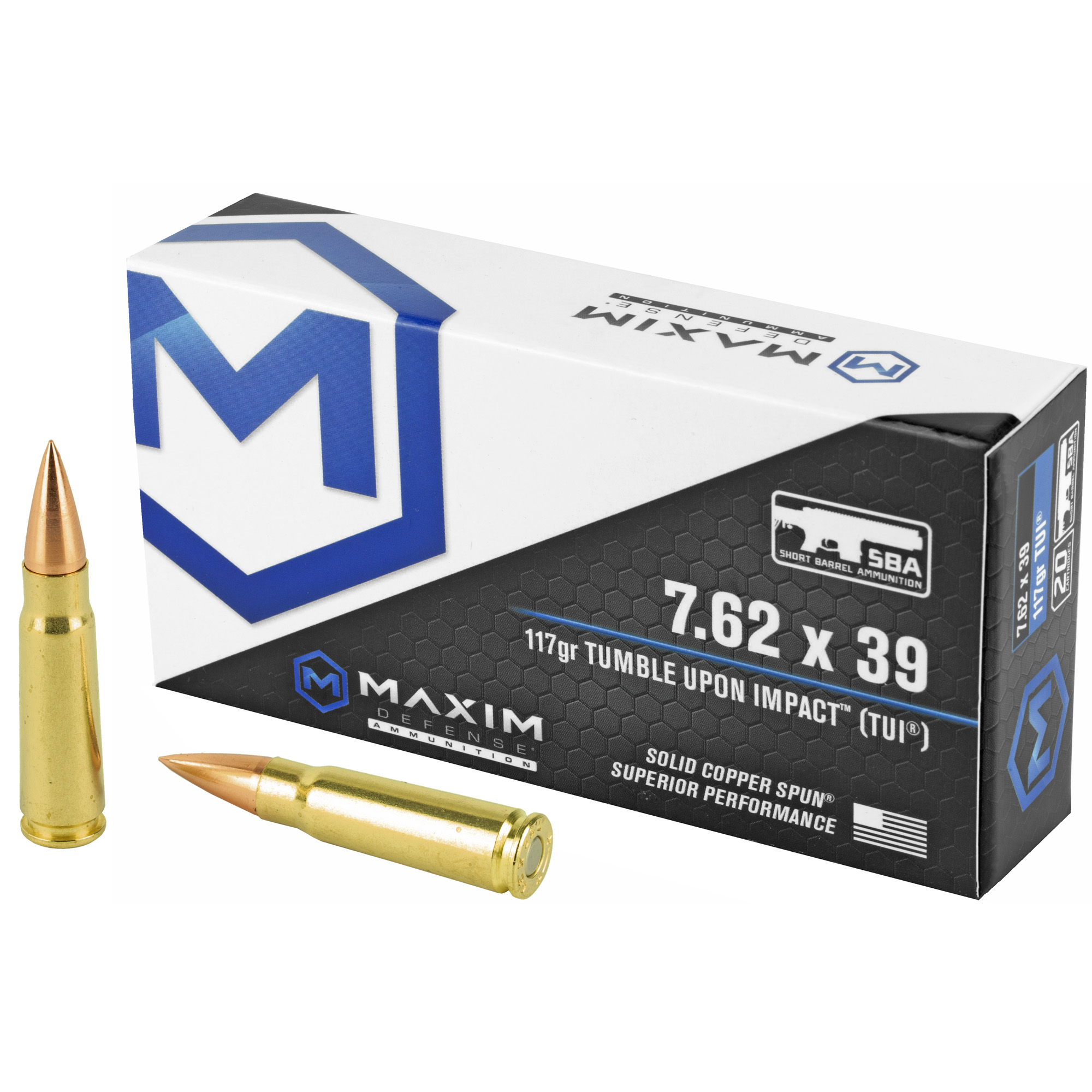
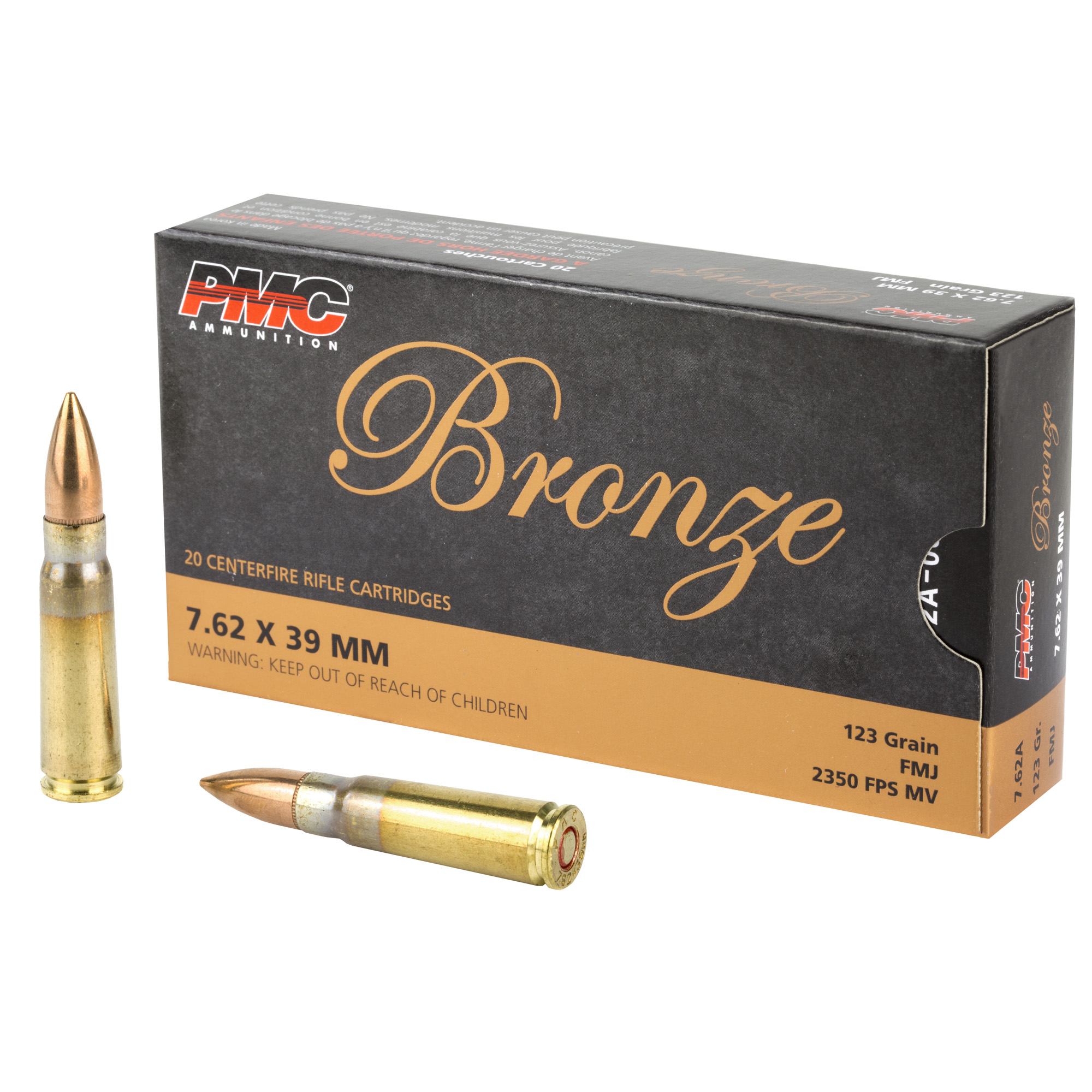
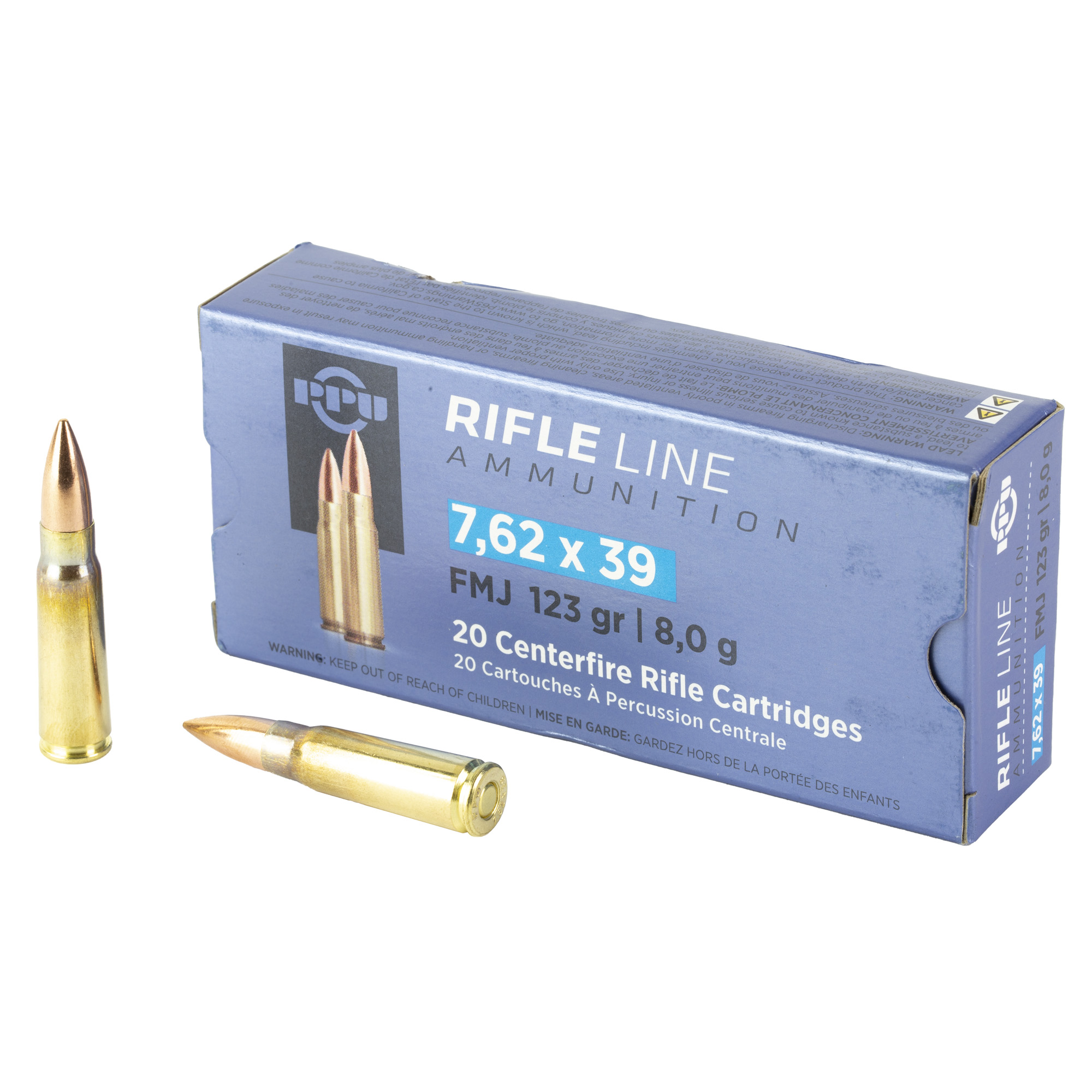
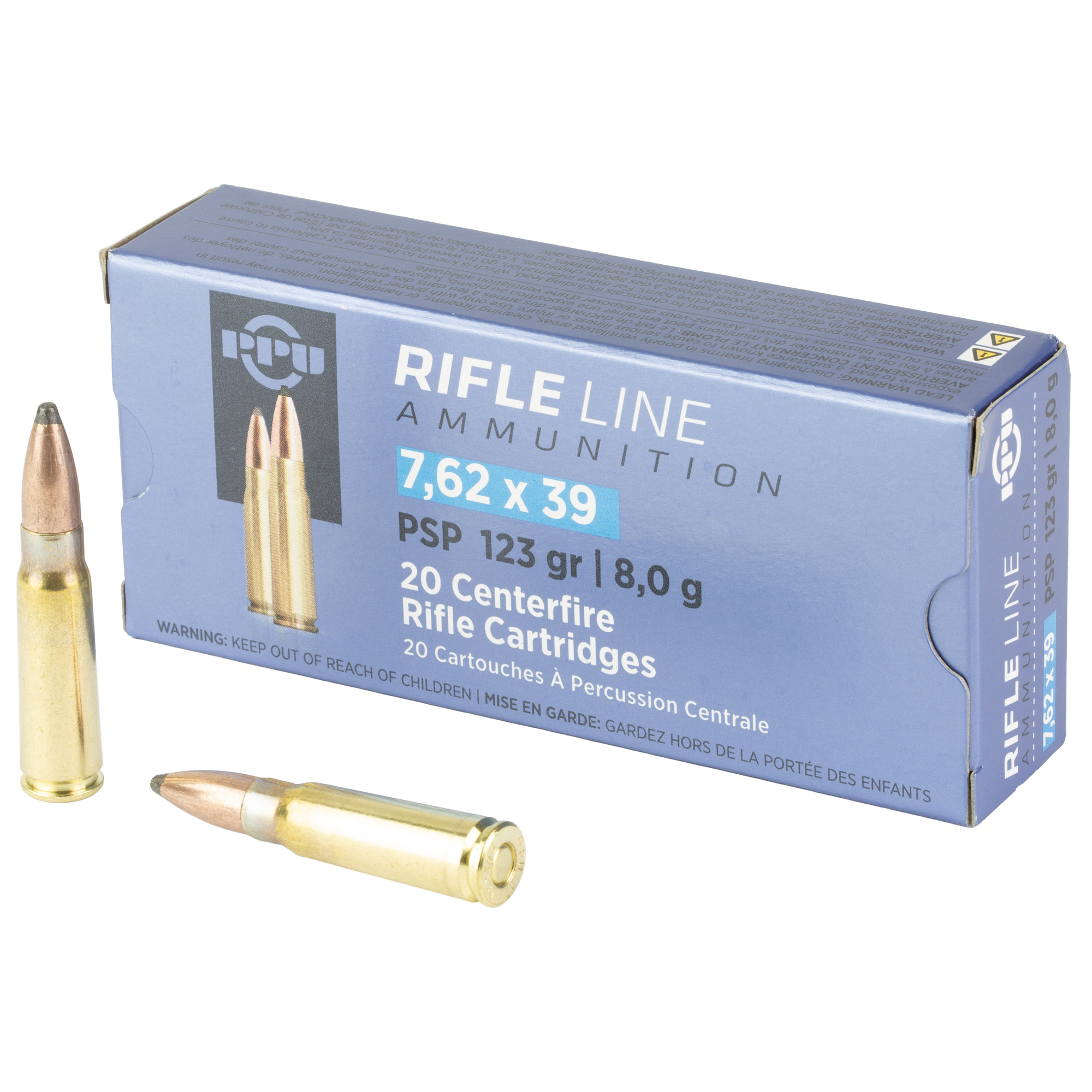
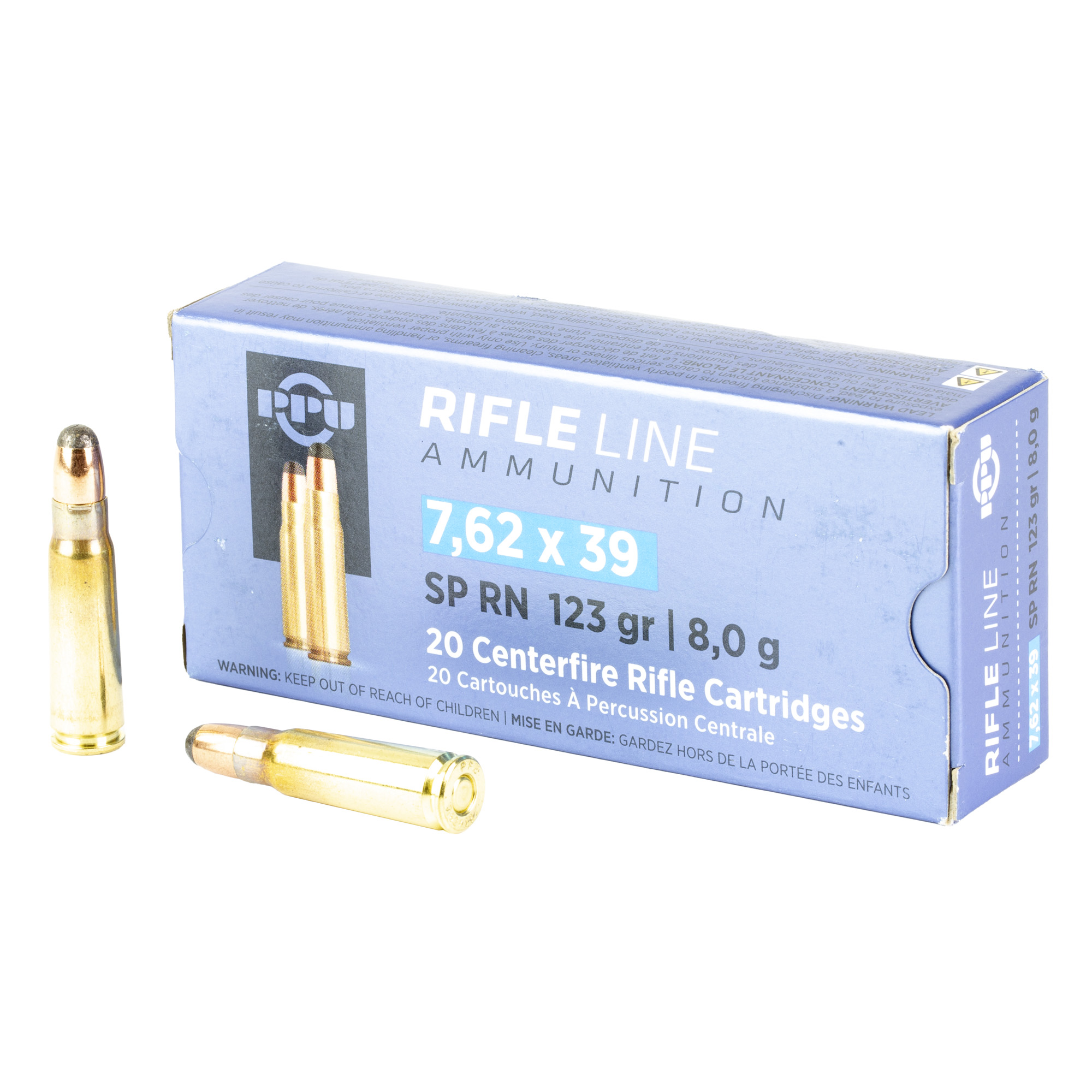
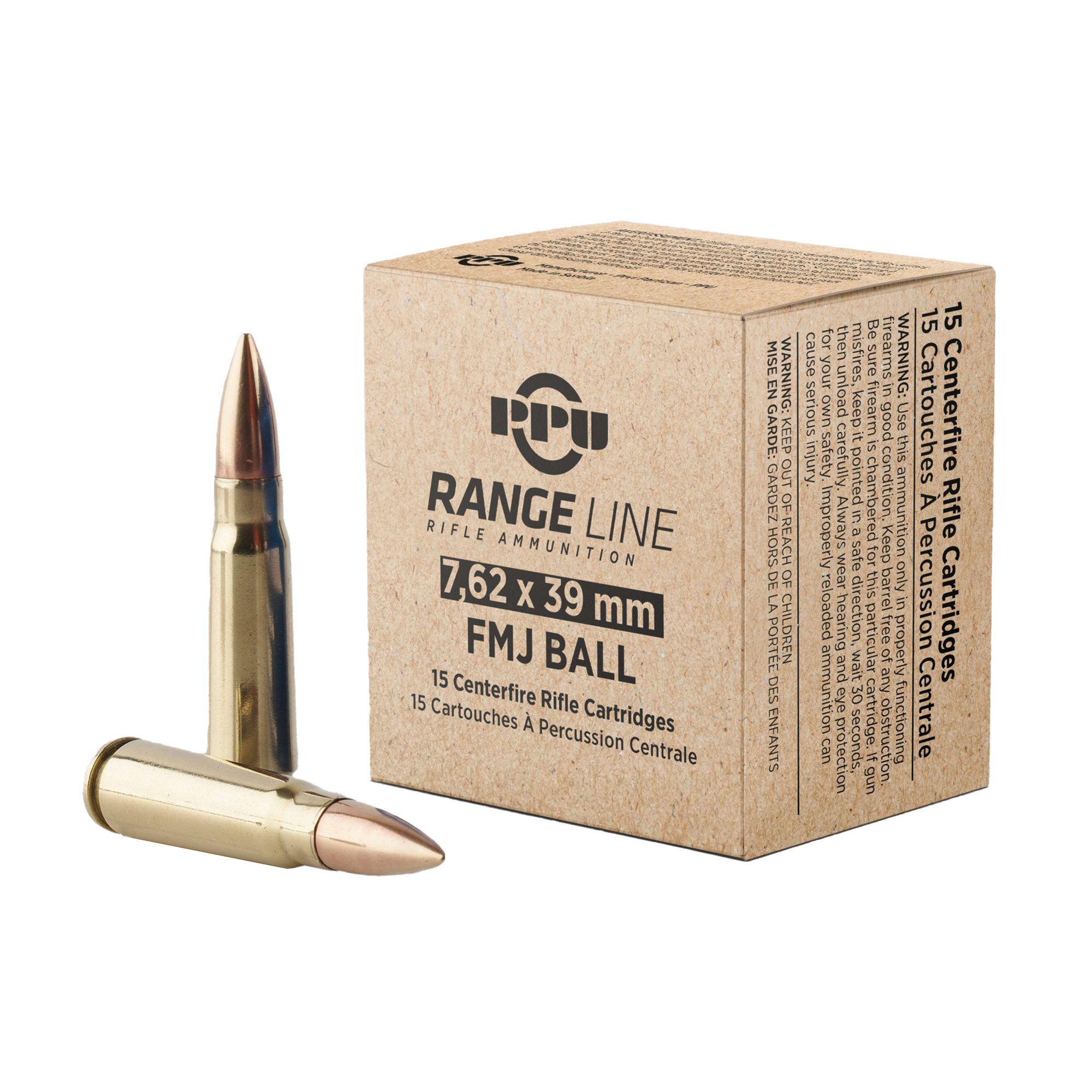
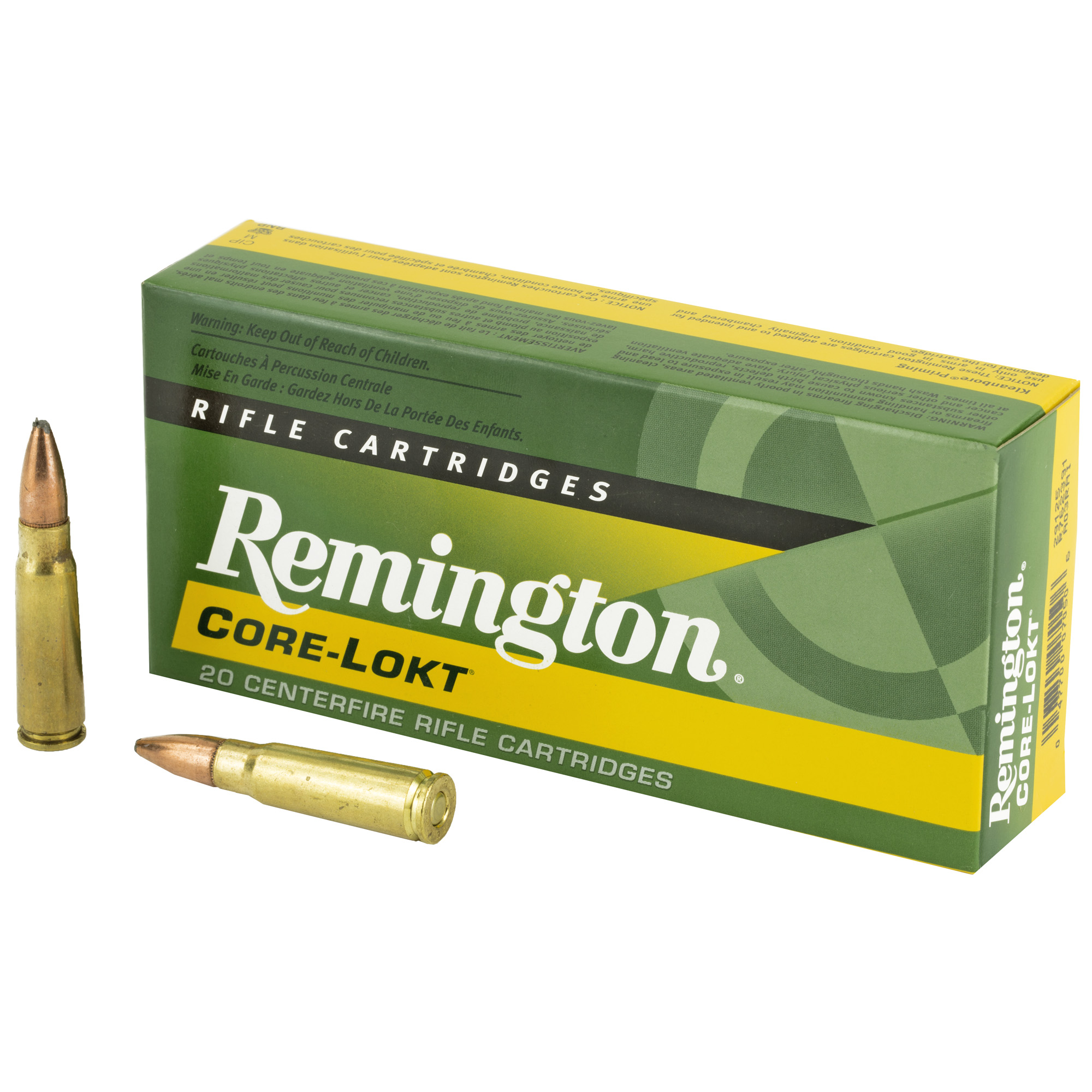
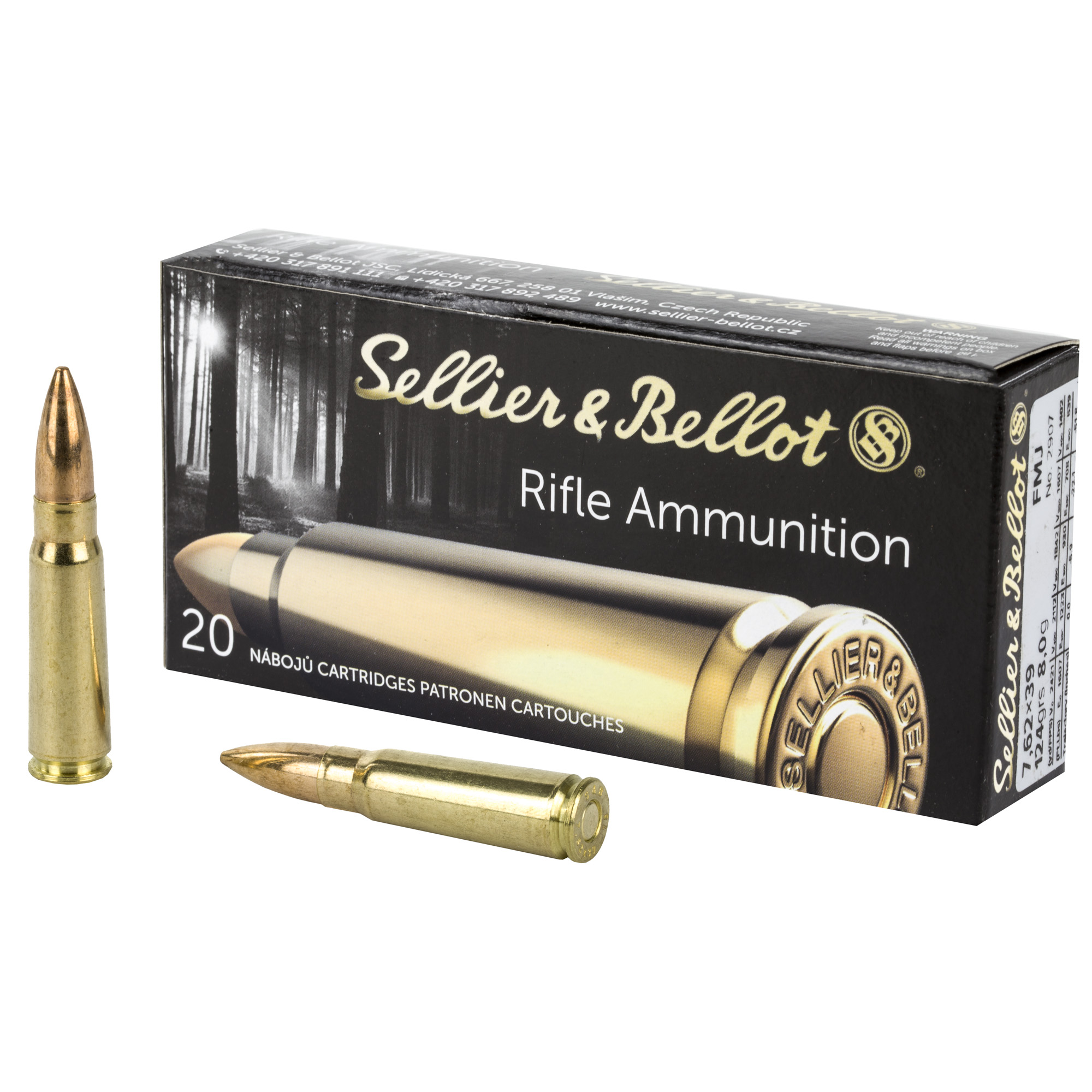
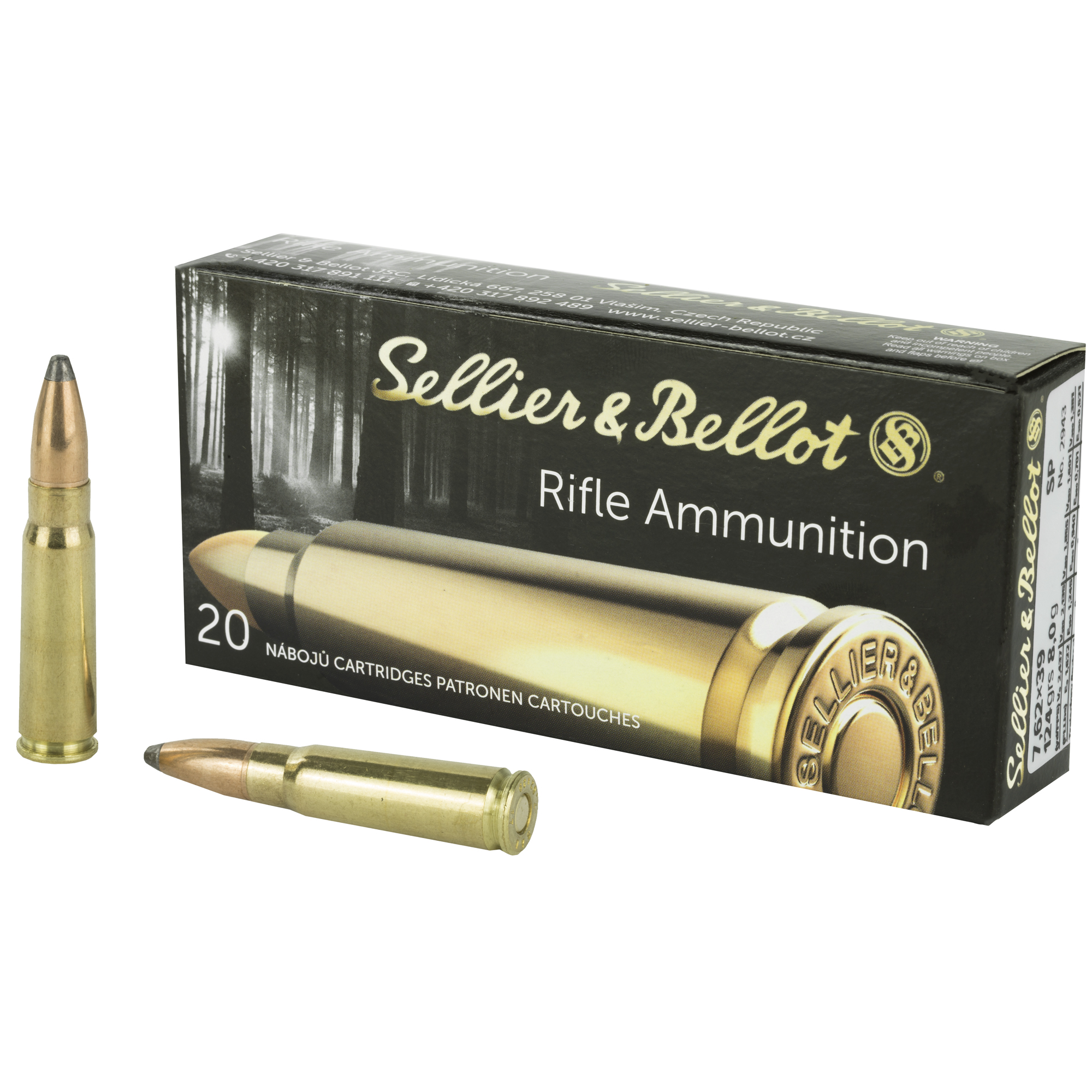
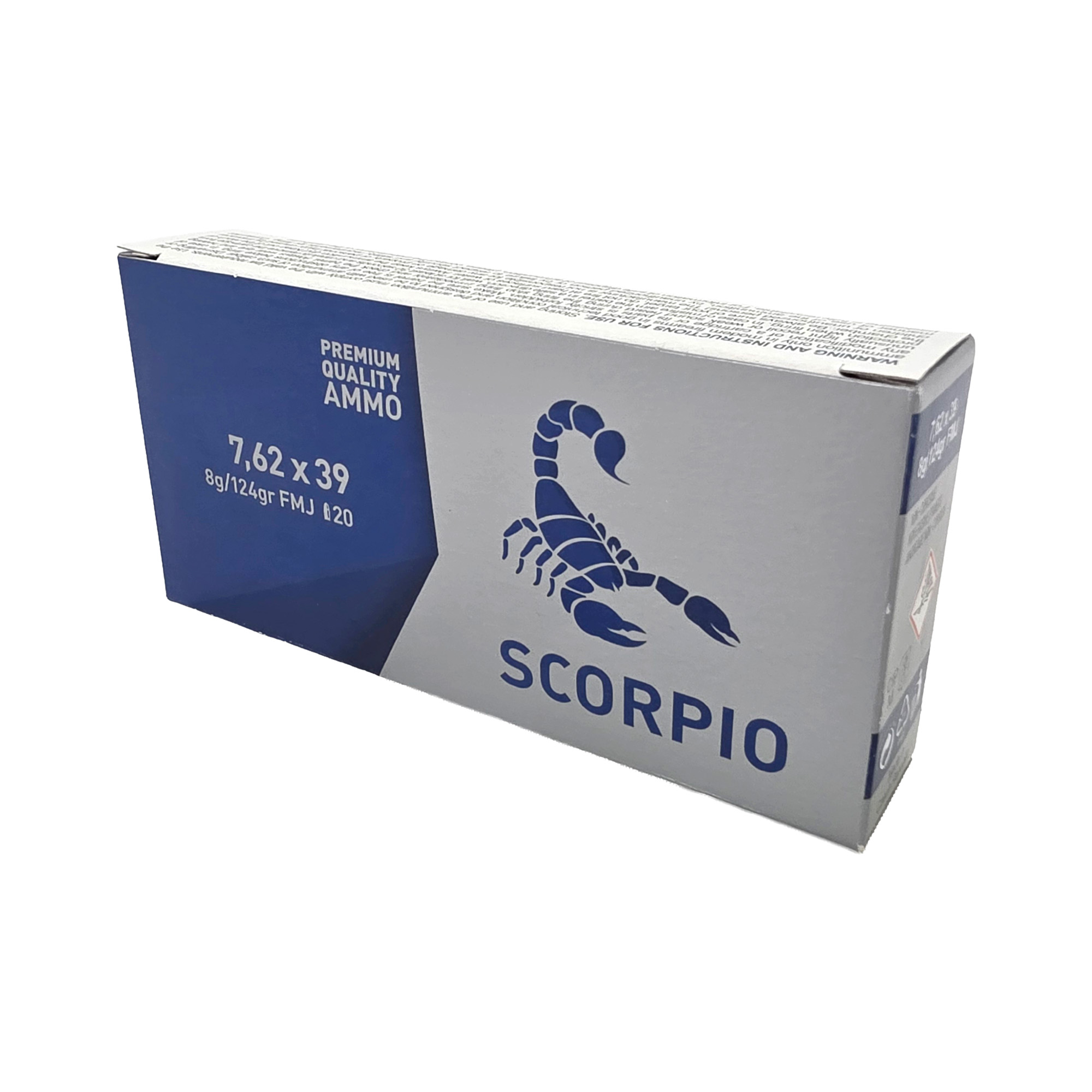
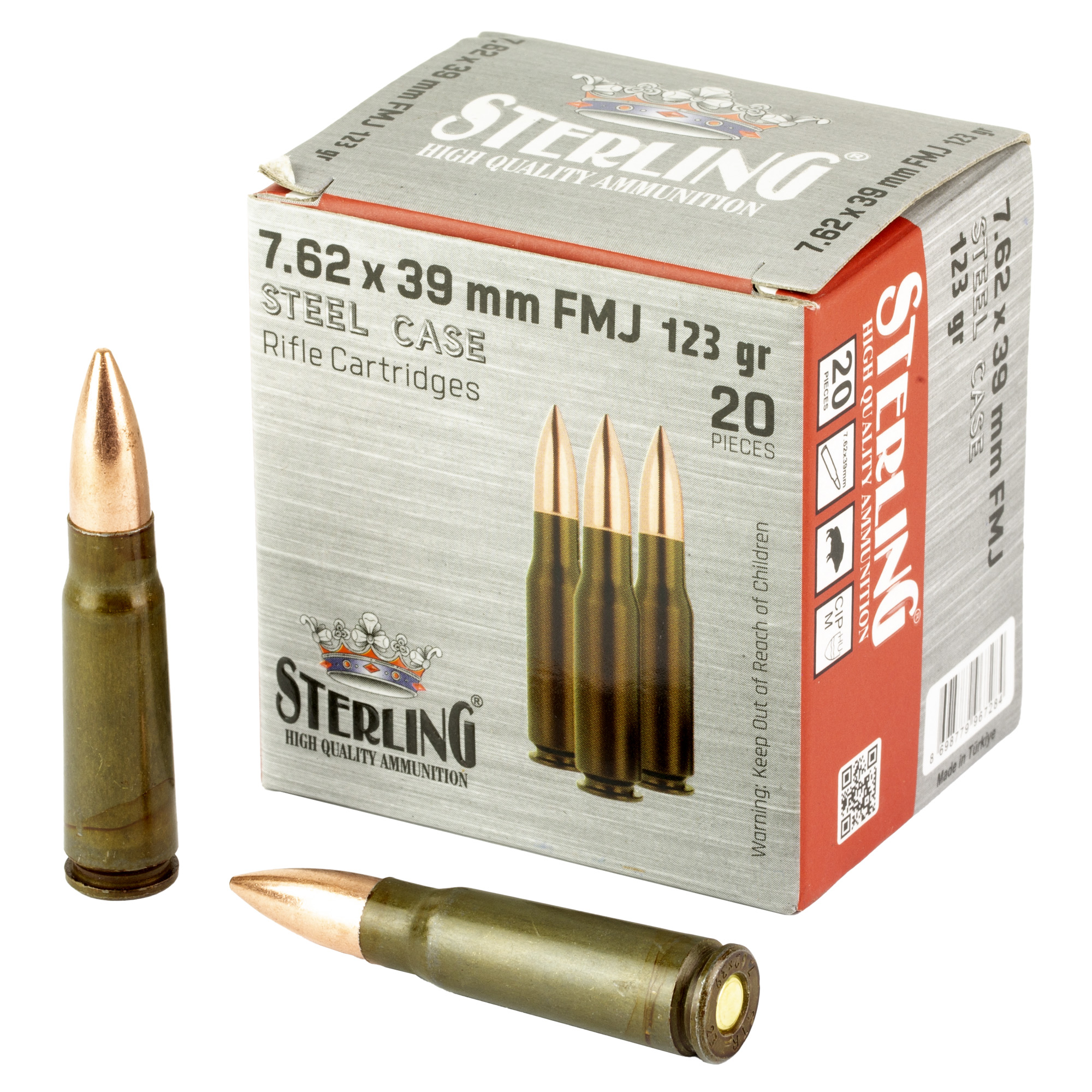
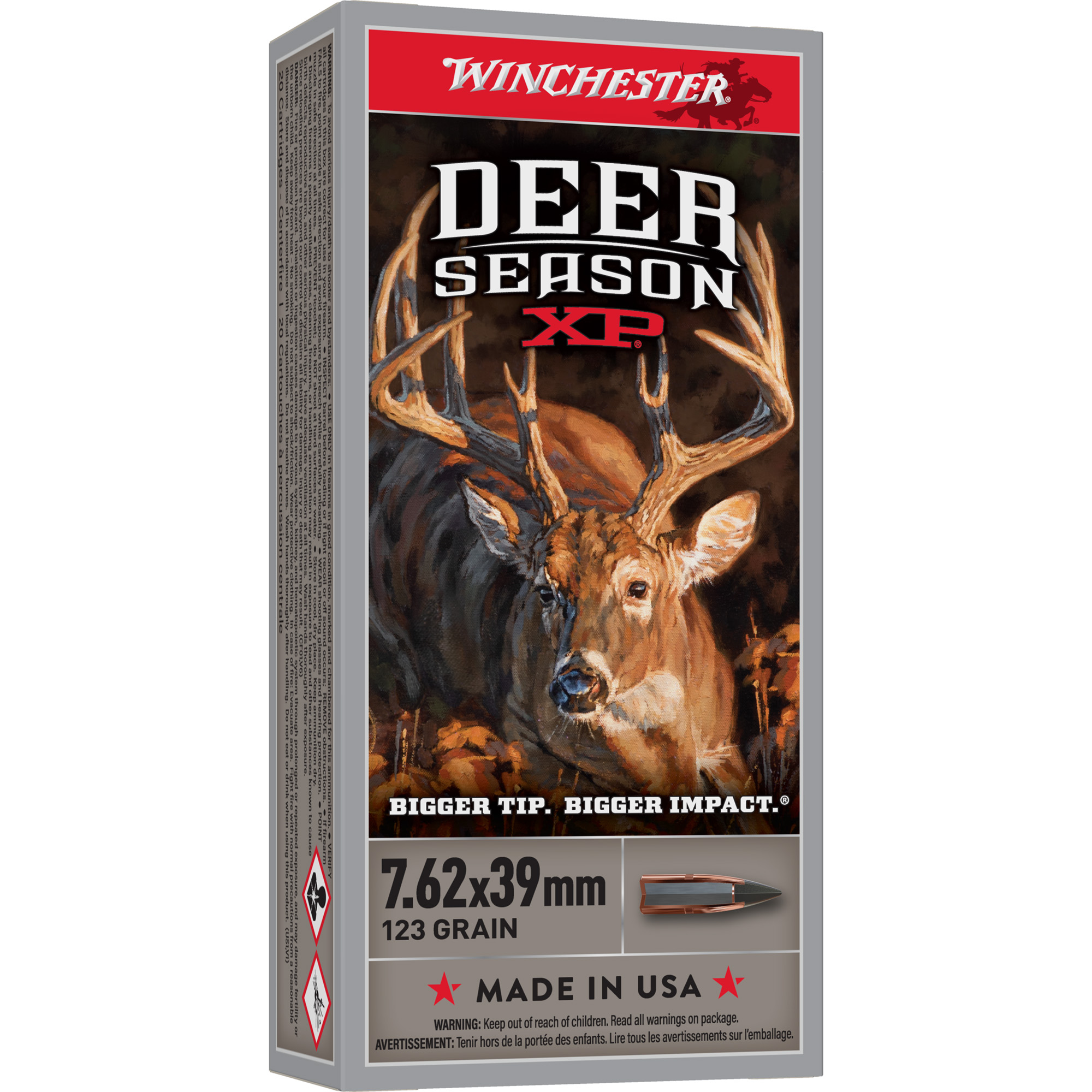
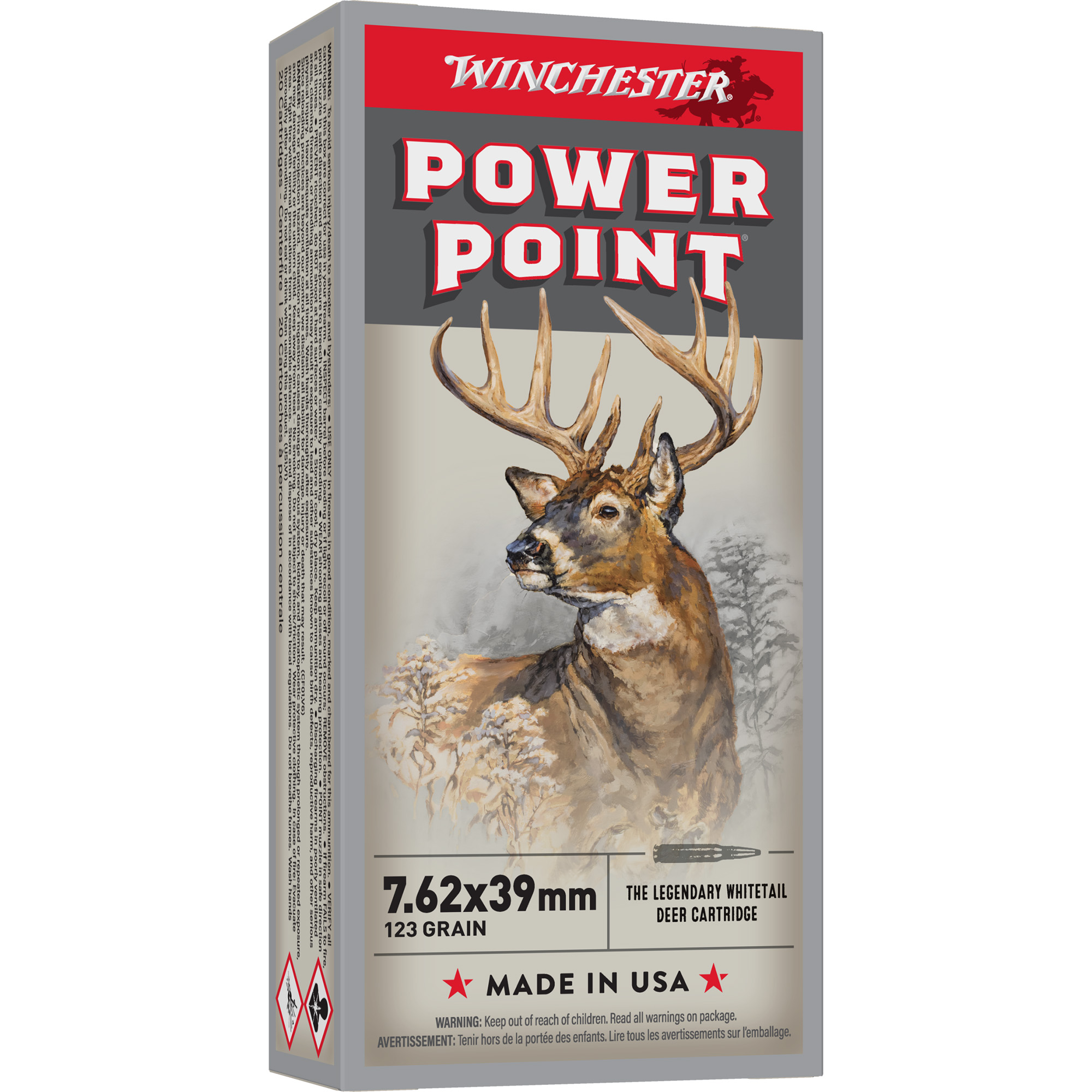
7.62×39 Ammo is where rifle buyers narrow 7.62×39 listings by firearm fit, bullet type, grain weight, casing, box count, case quantity, brand, and shipping eligibility before checkout. This section is built for shoppers comparing bulk 7.62×39 ammo, AK ammo, SKS ammo, range loads, hunting loads, and 7.62×39 ammo for sale without sorting through unrelated rifle calibers. Start with the exact firearm marking, then compare the product details that match your rifle and order requirements.
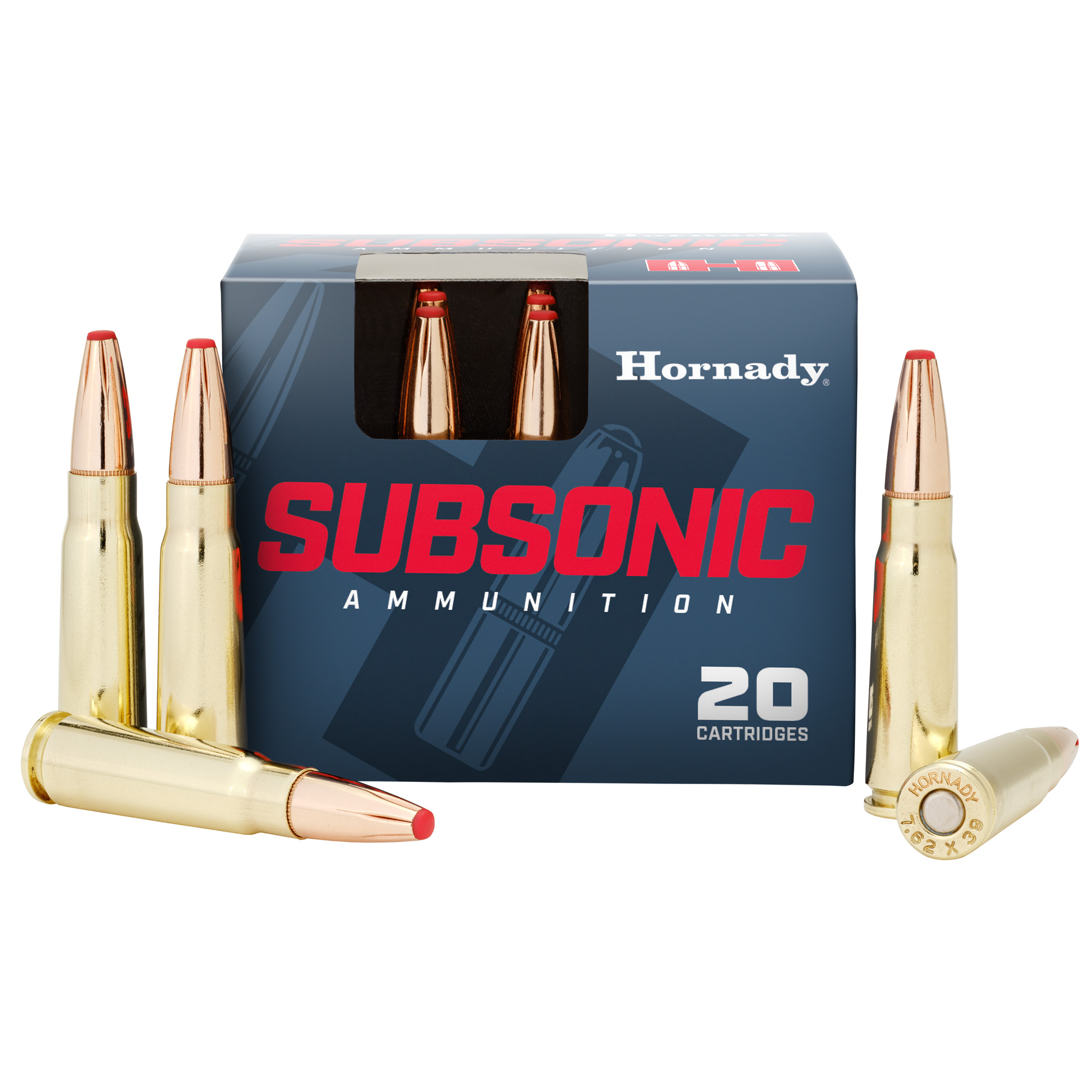
7.62×39 ammunition has its own buying rhythm because shoppers often compare steel-case value loads, brass-case range loads, soft point hunting options, and specialty subsonic listings in the same caliber family. A strong 7.62×39 Ammo page should make bullet style, casing type, grain weight, total round count, and shipping eligibility easy to scan before a buyer opens every product page.
Shop 7.62×39 Ammo By Load Type, Bullet Weight, And Case Quantity
7.62×39 Ammo shopping starts with the exact cartridge name. Product listings may use 7.62×39, 7.62×39, 7.62x39mm, or 7.62 Soviet language depending on the manufacturer or supplier feed. The buyer should still match the listing to the rifle marking and owner’s manual before comparing price, brand, or case quantity.
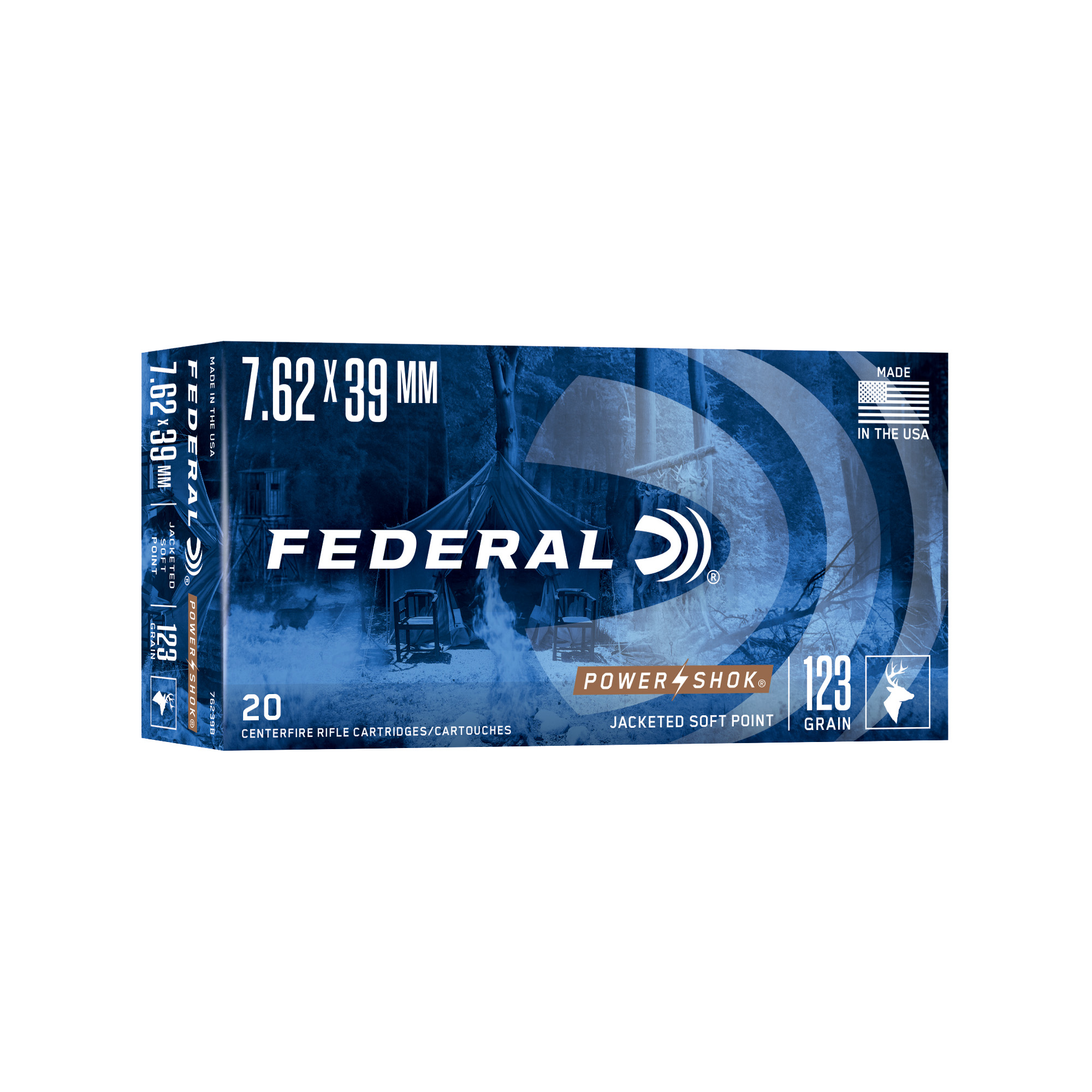
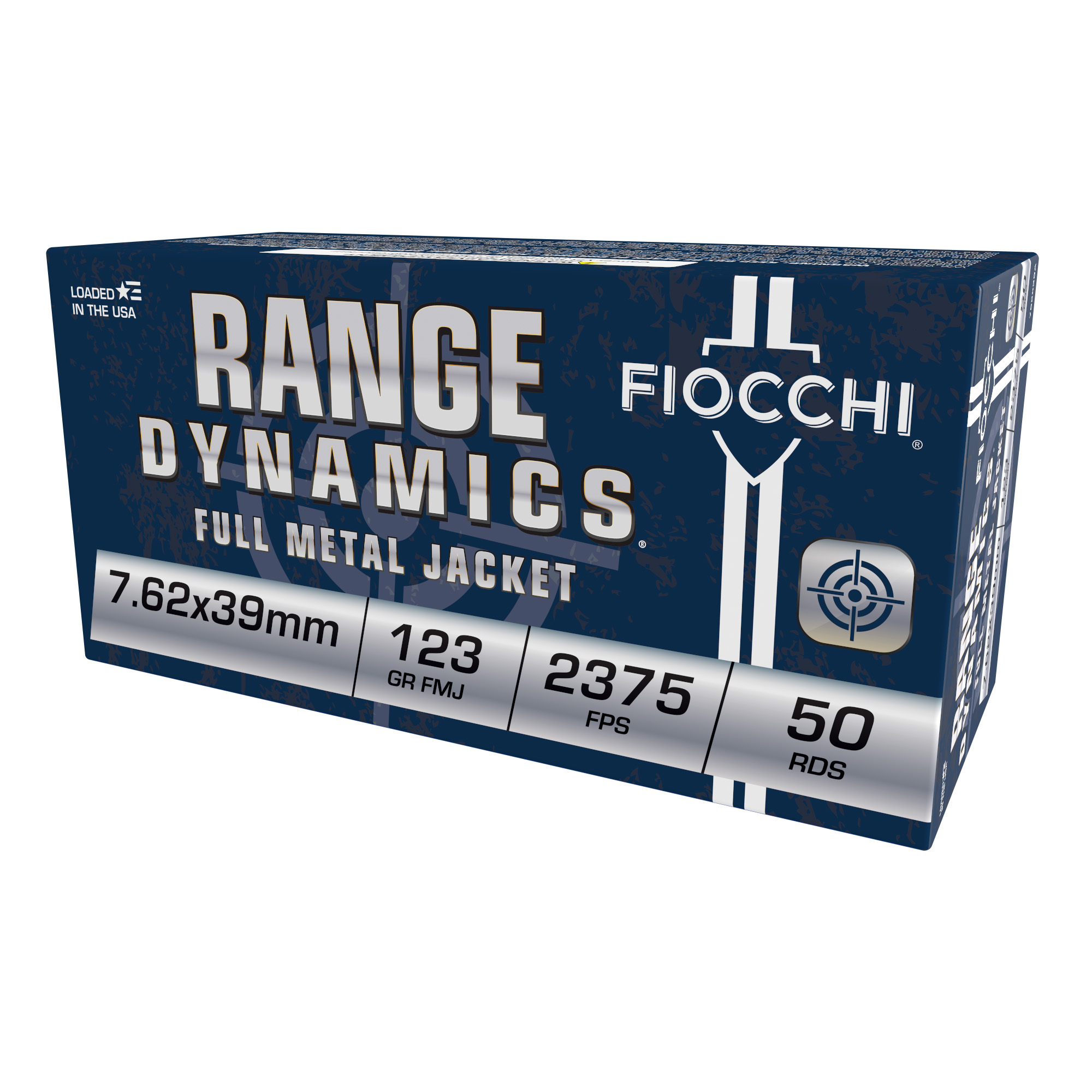
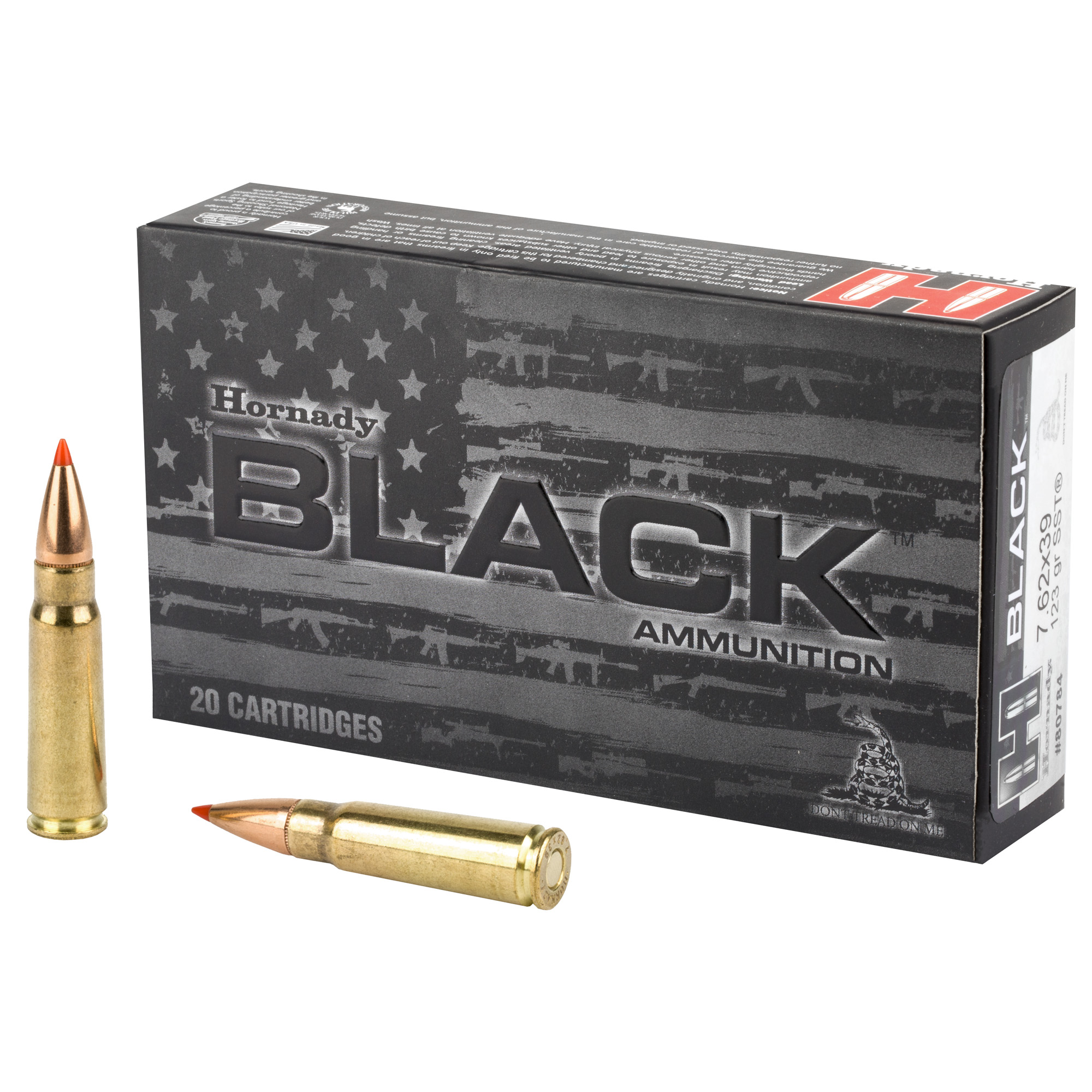
Once the cartridge is confirmed, shoppers usually compare bullet type, grain weight, casing, box count, and total round count. Range buyers often look at FMJ or similar training loads. Hunting buyers may compare soft point, polymer-tipped, hollow point, or other purpose-built 7.62×39 cartridges where those listings are available.
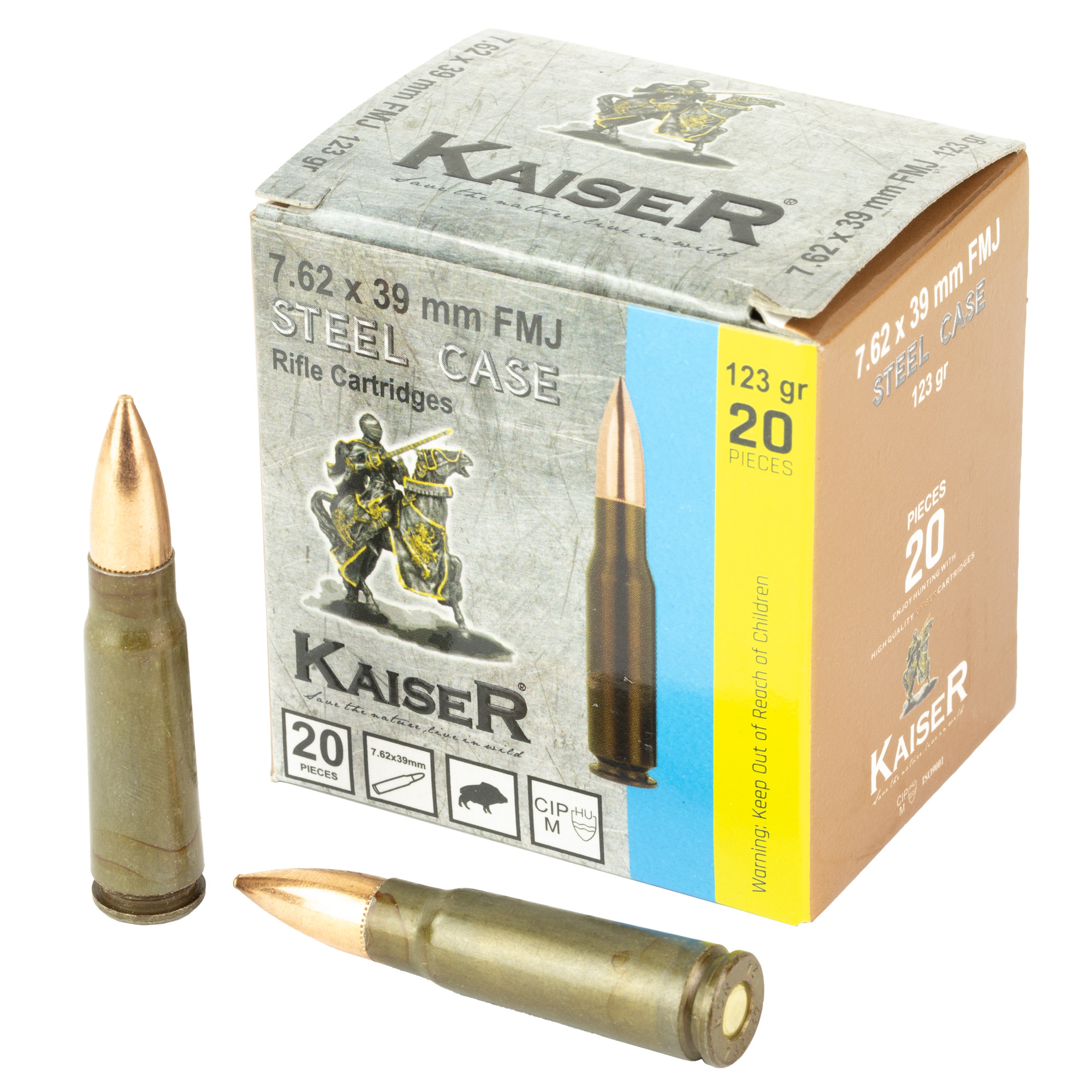
7.62×39 Ammo can also vary by case material more visibly than some rifle categories. Steel-case options may appear in value-focused product paths, while brass-case options may matter to shoppers comparing reloadable cases or different range rules. The product title and listing details should guide the decision.
The product grid should make those differences easy to scan. A shopper should be able to see whether a listing is 122 grain, 123 grain, 124 grain, FMJ, soft point, brass case, steel case, range-oriented, hunting-oriented, subsonic, or available in bulk case quantity before opening every product page.
AK Ammo, SKS Ammo, And Rifle Fit
Many shoppers reach this section by searching for AK ammo or SKS ammo. That search behavior makes sense, but the final order should still be based on the exact cartridge and firearm marking. A rifle platform name should not replace a cartridge check.
AK-pattern rifle buyers often compare 7.62×39 rounds by case material, bullet type, and cost per round. SKS buyers may look at similar product details while also paying attention to firearm condition, magazine style, and product fit. The category should help both paths stay organized without turning the page into a firearm guide.
7.62×39 Ammo should also be separated from other 7.62-caliber names. 7.62×39, 7.62×51 NATO, 7.62x54R, and 7.62×25 Tokarev are not the same cartridge paths. The product title, firearm marking, and owner’s manual should decide the cart.
That fit-first approach is especially useful with surplus-style and imported rifle ownership. Shoppers may know the platform first and the cartridge second. This page should help move them from platform language into the correct 7.62×39 product grid.
Bulk 7.62×39 Ammo, Box Count, And Cost Per Round
Bulk 7.62×39 ammo is often attractive to buyers who already know the rifle runs a selected load well. Larger quantities may help lower cost per round, but they also create a larger storage need. Smaller boxes can be better when testing a new brand, bullet weight, casing type, or subsonic listing.
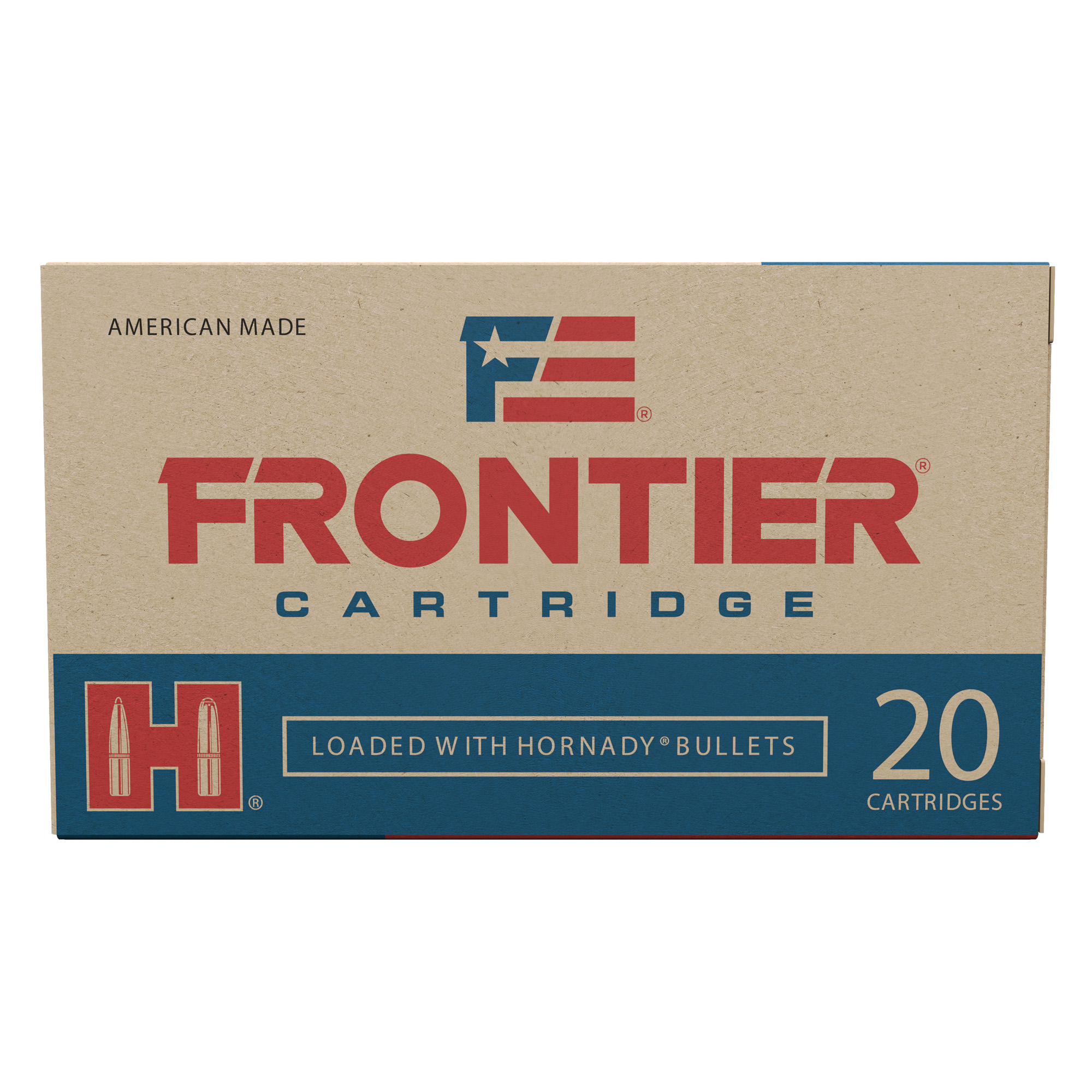
Case quantity matters because 7.62×39 ammunition is often bought for repeat range use and stock-up buying. A shopper may compare 20-round boxes, 500-round cases, 600-round cases, 1,000-round cases, or other supplier-fed formats when available. The product grid should show total round count clearly before checkout.
Cost per round helps shoppers compare 7.62×39 ammo for sale across different package sizes. A 20-round hunting box and a 1,000-round bulk case should not be judged by total price alone. The cleaner comparison is cartridge fit, bullet type, casing, box count, delivered value, and shipping eligibility.
Packaging details can also affect the buying decision. Some bulk 7.62×39 cases are packed as individual boxes inside a larger case. Other listings may use loose-pack, sealed-pack, or other formats depending on supplier data. Buyers should read the listing before assuming how the order will arrive.
How 7.62×39 Ammo Fits Under Rifle Ammo
This 7.62×39 Ammo section sits directly under Rifle Ammo because it serves a specific centerfire rifle cartridge path. The parent section keeps rifle ammunition organized by caliber, while this page keeps the buyer focused on 7.62×39 listings only.
That structure matters because rifle ammunition includes many similar-looking cartridge names. 7.62×39 buyers should not have to sort through .308, 7.62×51 NATO, 7.62x54R, or handgun-caliber listings to find compatible rifle ammunition. Clean category structure reduces wrong turns.
A clear parent-child layout also helps supplier-fed catalogs stay usable. When new 7.62×39 ammunition listings enter the store, this page should keep them in the correct cartridge path. Shoppers should not have to sort through every rifle caliber to find compatible 7.62×39 rounds.
7.62×39 Ammo Brands And Manufacturer Paths
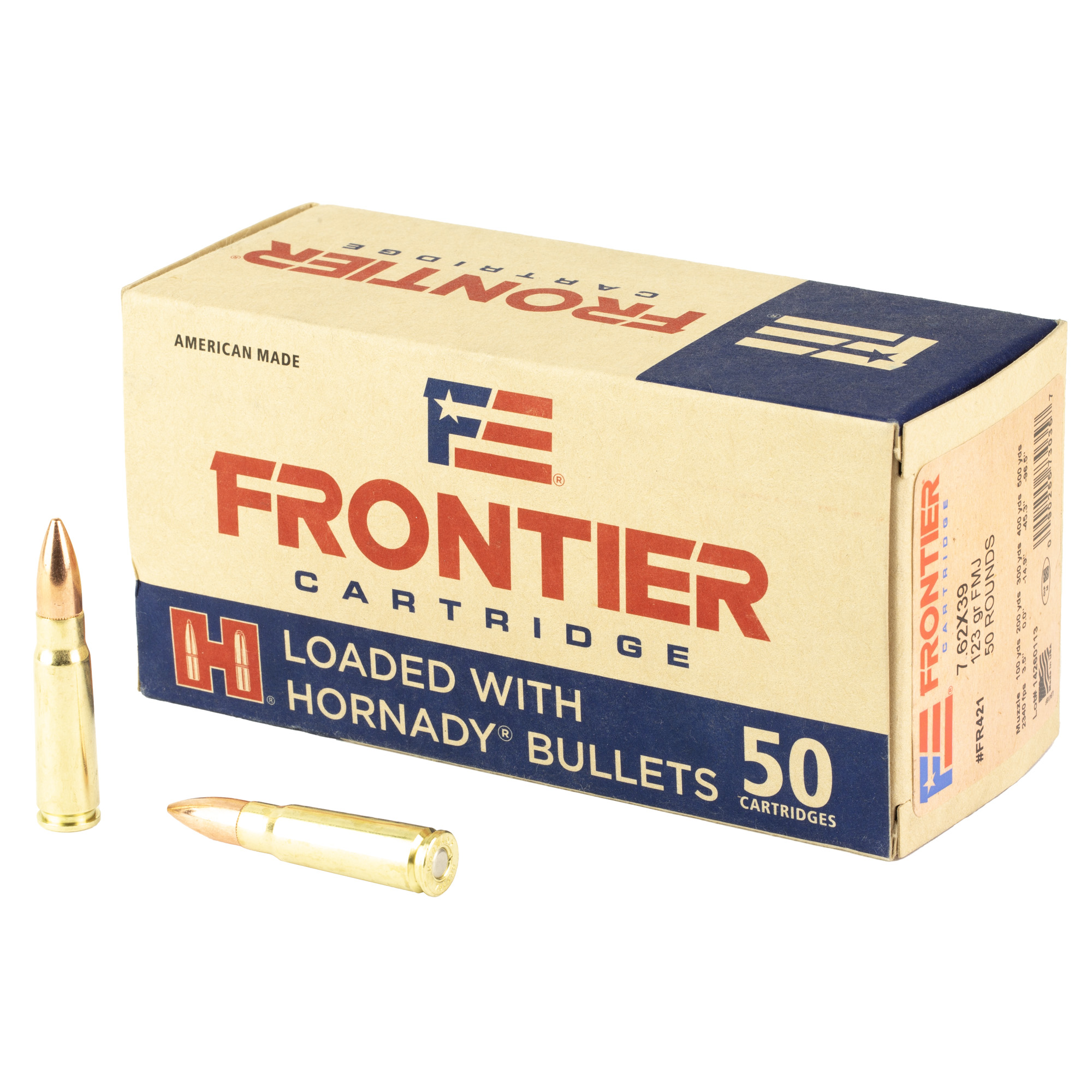
Brand can help shoppers compare 7.62×39 Ammo, but cartridge fit still comes first. Buyers may compare 7.62×39 rifle ammunition from Hornady, PMC, and Sellier & Bellot when compatible listings are available.
Shoppers may also review 7.62×39 rounds from PPU or Fiocchi where the listing fits the rifle and intended lawful use. These brand paths can help buyers compare FMJ range loads, soft point options, brass-case listings, and package quantities.
The dealer approach is simple. Use brand paths to support the product decision, not to replace the fit check. A familiar manufacturer does not make the wrong cartridge compatible with the wrong rifle.
What 7.62×39 Ammo Details Should Shoppers Compare?
The first detail is the cartridge name. 7.62×39 Ammo, 7.62×39 ammunition, and 7.62x39mm listings may appear with slightly different formatting, but the buyer still needs to match the product to the rifle marking. Do not substitute another 7.62 cartridge without confirmed compatibility.
The second detail is bullet type. FMJ, soft point, hollow point, polymer-tipped, monolithic, subsonic, and specialty bullets can serve different product paths. 7.62×39 Ammo shoppers should read the full product listing instead of buying from one label alone.
The third detail is grain weight. Many shoppers compare 122 grain, 123 grain, 124 grain, and heavier specialty 7.62×39 cartridges where available. Grain weight helps separate loads, but it should be read with bullet construction, casing, manufacturer line, quantity, and intended lawful use.
The fourth detail is casing. Steel case, brass case, lacquered case, polymer-coated case, Boxer priming, and Berdan priming may appear depending on the listing. Buyers should compare casing type, range rules, firearm guidance, and whether the product details support their intended use.
The fifth detail is quantity. A 20-round box, 200-round lot, 500-round case, 600-round case, or 1,000-round case changes the value picture. Bulk 7.62×39 ammo should make total round count and cost per round easy to compare before checkout.
Shipping, Storage, And Responsible Ordering
7.62×39 Ammo should be ordered with state-aware shipping expectations. Product availability does not mean every order can ship to every address. State, local, age, product, carrier, and delivery restrictions may apply.
Because this is rifle ammunition, shoppers should still review eligibility before checkout. This page does not provide legal advice. Customers are responsible for confirming current requirements before placing an order.
Storage should be planned before a bulk case arrives. Keep 7.62×39 ammunition dry, secure, and away from unauthorized access. Store boxes so cartridge name, grain weight, bullet type, casing, manufacturer, and lot information remain visible.
Delivery inspection is also part of responsible ordering. If a package arrives crushed, wet, open, or visibly damaged, document the issue and follow the seller’s support process. Do not use rounds that appear damaged, corroded, loose, or questionable.
7.62×39 Ammo Questions For Online Buyers
What Should I Check Before Buying 7.62×39 Ammo Online?
Check the exact cartridge name, firearm marking, owner’s manual, bullet type, grain weight, casing, box count, case quantity, and shipping eligibility. 7.62×39 ammunition should match the rifle before price or bulk quantity is considered.
Is Bulk 7.62×39 Ammo Good For Range Use?
Bulk 7.62×39 ammo can be useful for range use when the buyer already knows the rifle runs that specific load well. Smaller boxes may be better before stocking up on a new brand, bullet weight, casing type, or subsonic listing.
Is 7.62×39 The Same As 7.62×51 Or 7.62x54R?
No. 7.62×39, 7.62×51 NATO, and 7.62x54R are different rifle cartridge paths. Shoppers should follow the firearm marking, owner’s manual, and exact product listing before ordering.
What Bullet Types Are Common For 7.62×39 Ammo?
7.62×39 Ammo listings may include FMJ range loads, soft point hunting loads, hollow point options, polymer-tipped products, and subsonic specialty loads where available. Buyers should compare the full product listing before choosing.
Should I Compare Steel-Case Or Brass-Case 7.62×39 Ammo?
Yes. Casing can affect price, range rules, reloadability, and buyer preference. Shoppers should compare steel-case and brass-case listings by firearm guidance, product details, box count, and intended lawful use.
Can 7.62×39 Ammo Ship To My Address?
7.62×39 ammunition can ship only where legally permitted and where carrier rules allow. State, local, age, product, and delivery restrictions may apply. Buyers should confirm current requirements before checkout.
Which 7.62×39 Ammo Brands Should I Compare?
Compare brands after confirming the correct cartridge. 7.62×39 Ammo buyers may review range, value, hunting, subsonic, and specialty product paths by firearm fit, bullet style, case quantity, availability, and shipping eligibility.
7.62×39 Ammo is the right next step for shoppers who need a centerfire rifle cartridge organized by firearm fit, bullet type, grain weight, casing, case quantity, brand, and shipping eligibility. Start with the rifle marking, choose the compatible 7.62×39 listing, then compare 7.62×39 rounds by value, storage plan, and intended lawful use before checkout.
7.62×39 ammo buyers need the correct rifle cartridge path before comparing steel-case, brass-case, range, hunting, or bulk options. Start here to narrow 7.62×39 ammunition by firearm fit, bullet type, grain weight, casing, case quantity, and shipping eligibility, so the product grid points you toward compatible checkout-ready listings faster.