.30 Carbine Ammo Shopping Guide
Let The Full Cartridge Name Lead The Order
Shop .30 Carbine Ammo for sale when you want loaded rifle rounds sorted by exact cartridge name, 110-grain load style, box count, and real order quantity. Buyers looking for .30 Carbine ammo, bulk 30 Carbine ammo, or surplus 30 Carbine ammo should keep the cart tied to complete cartridges first, because “30 Carbine” searches can also surface .30-30, .30-06, .300 Blackout, brass, bullets, old-stock wording, and component listings that are not the same product.
.30 Carbine is its own rifle cartridge. It is not .30-30 Winchester, not .30-06 Springfield, not .300 Blackout, and not a generic “30 caliber” product. The short name is useful, but the product title still needs to say .30 Carbine, 30 Carbine, ammunition, cartridges, loaded rounds, or rifle ammo before it belongs in a loaded-ammo cart.
This page has a different buying rhythm than newer long-range rifle cartridges. A lot of shoppers are reading for 110-grain FMJ, round nose, soft point, jacketed hollow point, surplus-style wording, box count, and whether the listing is current commercial ammunition or older surplus-style inventory. That makes the wording after the cartridge name just as important as the cartridge name itself.
Is .30 Carbine Ammo The Same As .30-30 Or .300 Blackout?
No. .30 Carbine Ammo, .30-30 Winchester, and .300 Blackout are different rifle cartridges. The names can sit near each other because they share “30” wording, but the buyer should match the listing to the exact firearm marking and keep the order tied to .30 Carbine specifically.
Surplus Search Terms Need A Slower Product Read
Surplus 30 Carbine ammo is a high-intent search term, but it should not be treated like a guarantee that every listing is military surplus, old production, collectible packaging, or a particular condition. Some buyers use “surplus” because they are looking for M1 Carbine-style ammunition. Other buyers use it because they expect older packaging, bulk lots, or military-style FMJ wording. The listing itself has to settle what the product actually is.
If a product title says surplus, old stock, military-style, FMJ, case quantity, bulk pack, or similar wording, read the details before deciding what the order contains. Look for manufacturer, bullet type, grain weight, packaging condition, rounds per box, total round count, and whether the product is loaded ammunition. If the listing does not clearly say ammunition, cartridges, or loaded rounds, do not treat it like a box of ready-to-use .30 Carbine ammo.
For buyers shopping value, “bulk” and “surplus” should still be judged by the complete package. A 50-round box, a 250-round bundle, a 500-round case, and a 1,000-round case are different buying decisions. The best comparison is not just the first price shown. It is the cartridge, bullet style, brand, package condition, and total loaded-round count together.
What Does Surplus 30 Carbine Ammo Mean In A Product Listing?
Surplus 30 Carbine ammo can refer to older inventory, military-style packaging, bulk lots, or buyer search wording, depending on the listing. The product title and details should make the manufacturer, bullet type, condition, package quantity, and loaded-ammunition status clear before buying.
The 110-Grain Details Do Most Of The Sorting
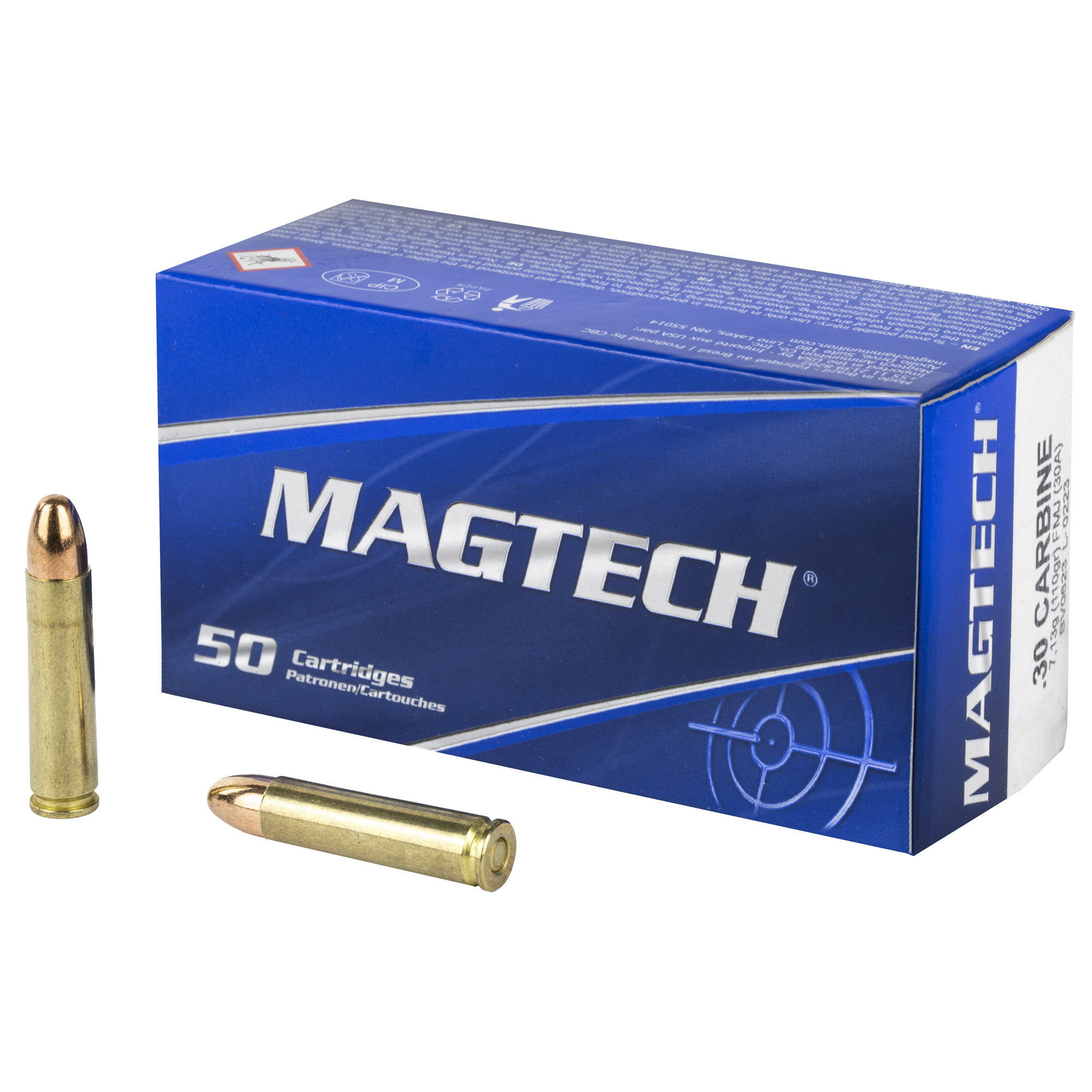
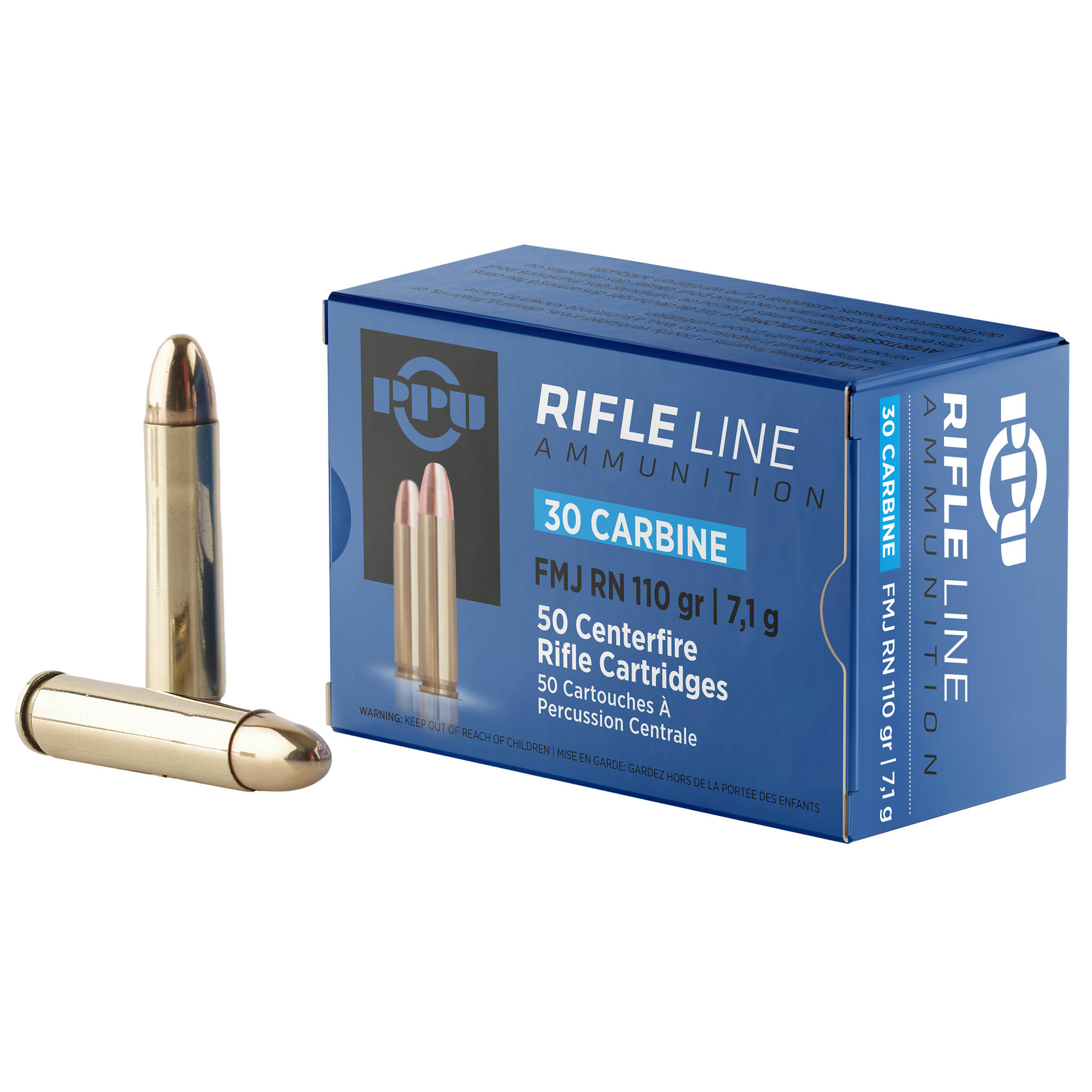
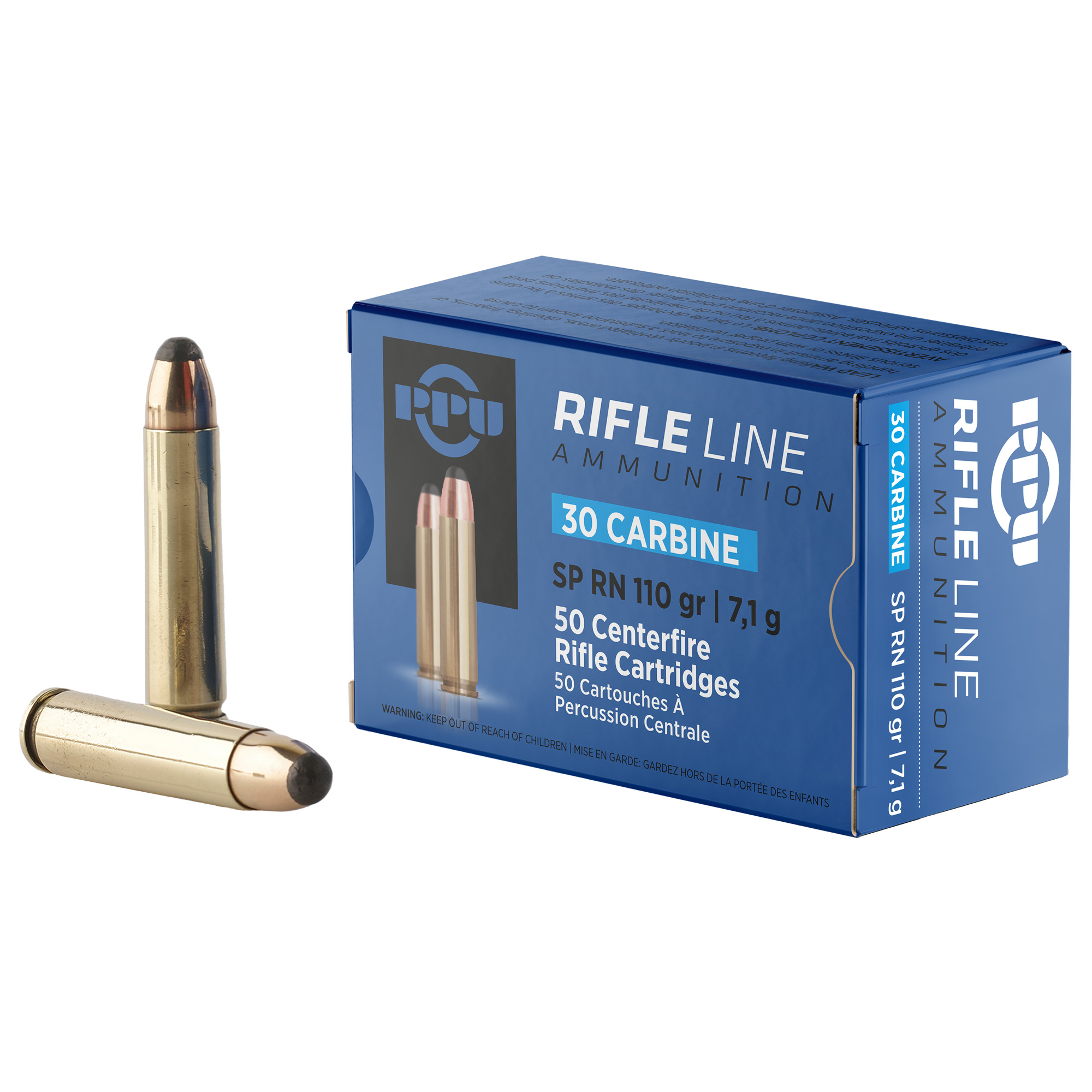
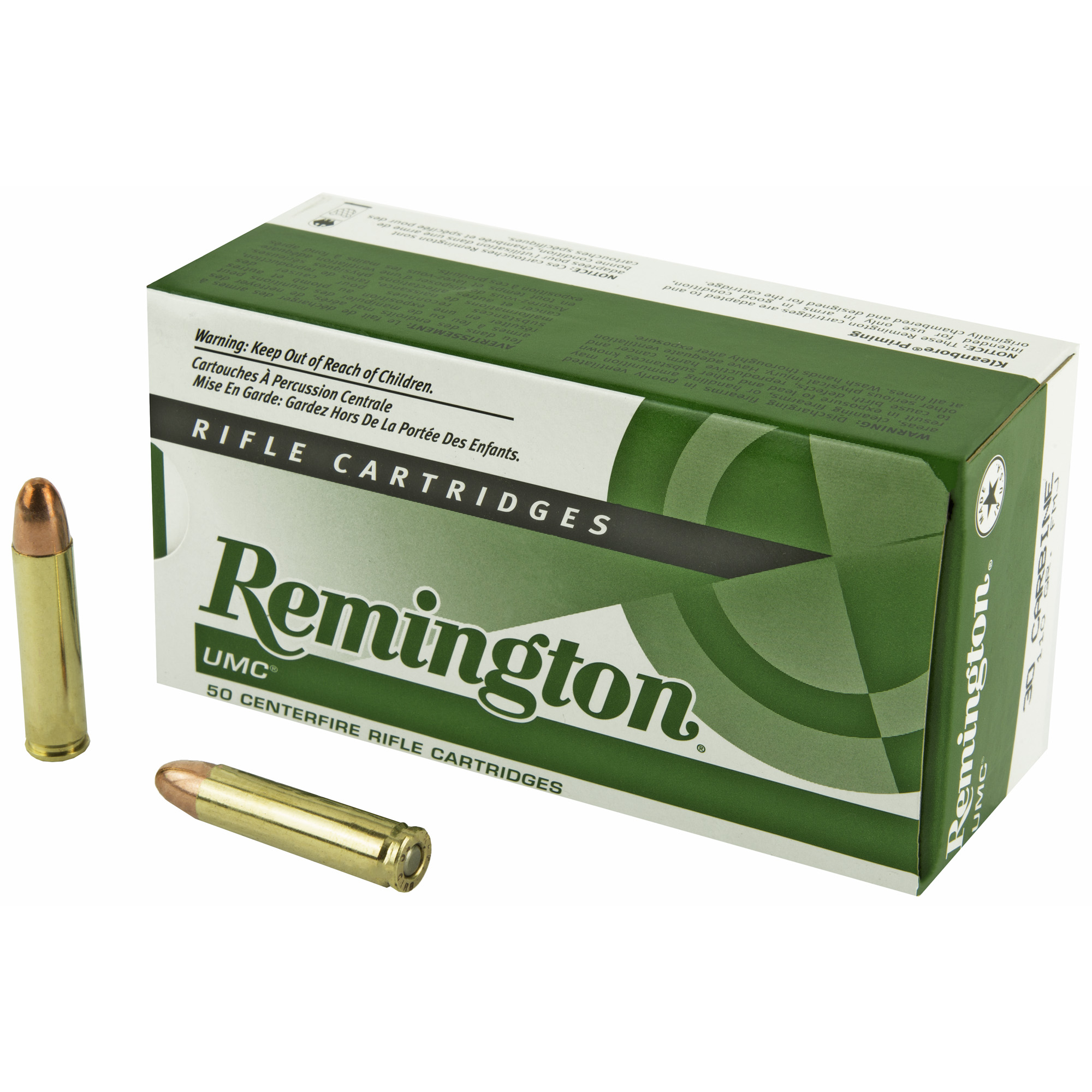
.30 Carbine ammunition commonly appears around 110-grain load descriptions. That does not make every box the same. A 110-grain FMJ listing, a 110-grain round nose listing, a 110-grain soft point listing, and a 110-grain jacketed hollow point listing can all point to different product choices.
Read the listing in the order a dealer would: cartridge first, grain weight second, bullet style third, then brand, casing, rounds per box, boxes per case, and total round count. That order keeps the cart from being driven by shortcut terms like “M1,” “surplus,” “bulk,” or “30 cal” without enough product clarity.
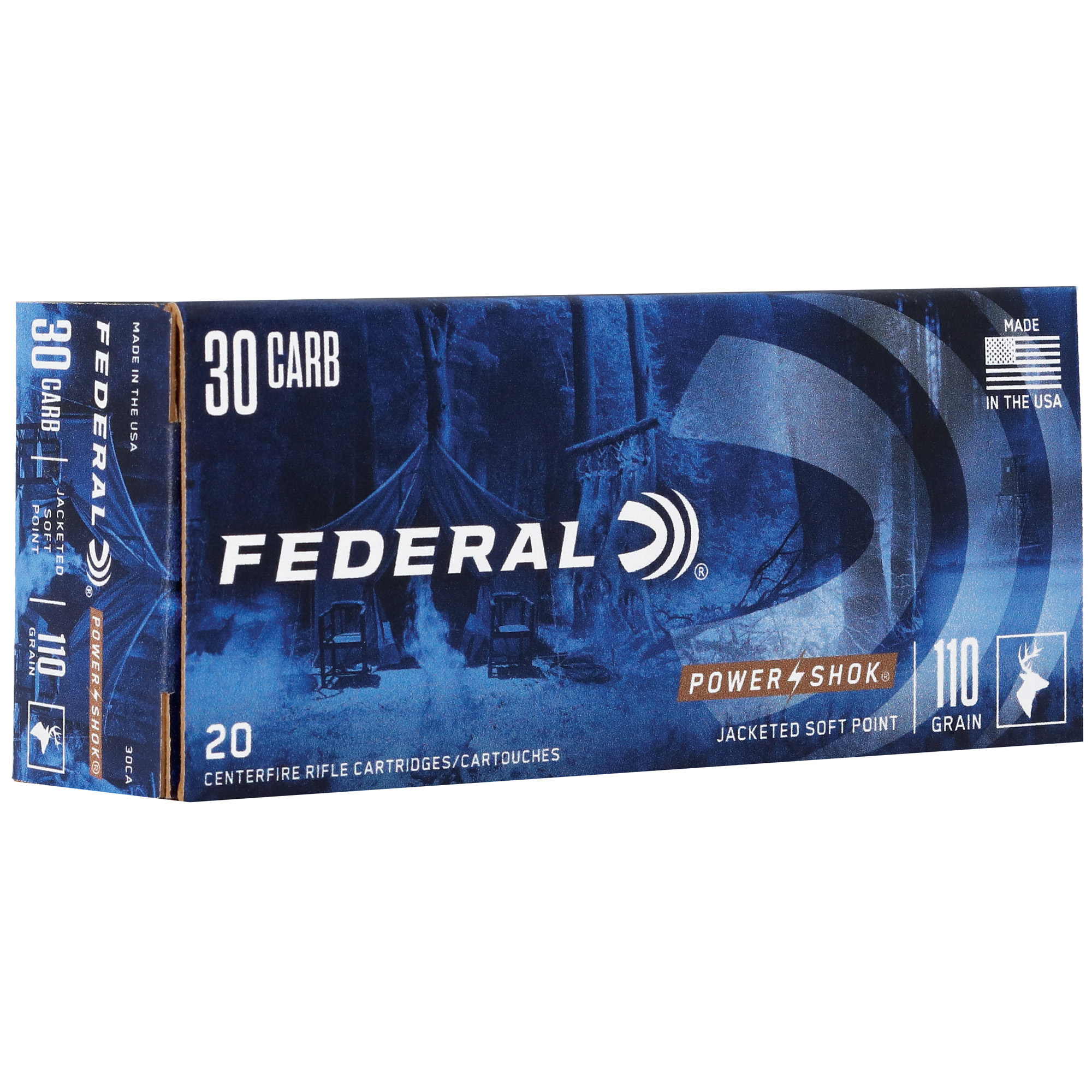
FMJ and round nose wording often shows up around range-style or military-style .30 Carbine shopping. Soft point and jacketed hollow point wording can also appear from certain brands. The useful buyer move is not to overthink the label; it is to make sure the product type, load style, and quantity match what the buyer meant to order.
What Bullet Styles Show Up Often With .30 Carbine Ammo?
.30 Carbine Ammo commonly appears around 110-grain FMJ, round nose, soft point, jacketed soft point, and jacketed hollow point-style listings. The exact product title should still be read for cartridge name, brand, box count, case quantity, and loaded-ammunition wording before buying.
Brand Names Worth Reading Closely For .30 Carbine
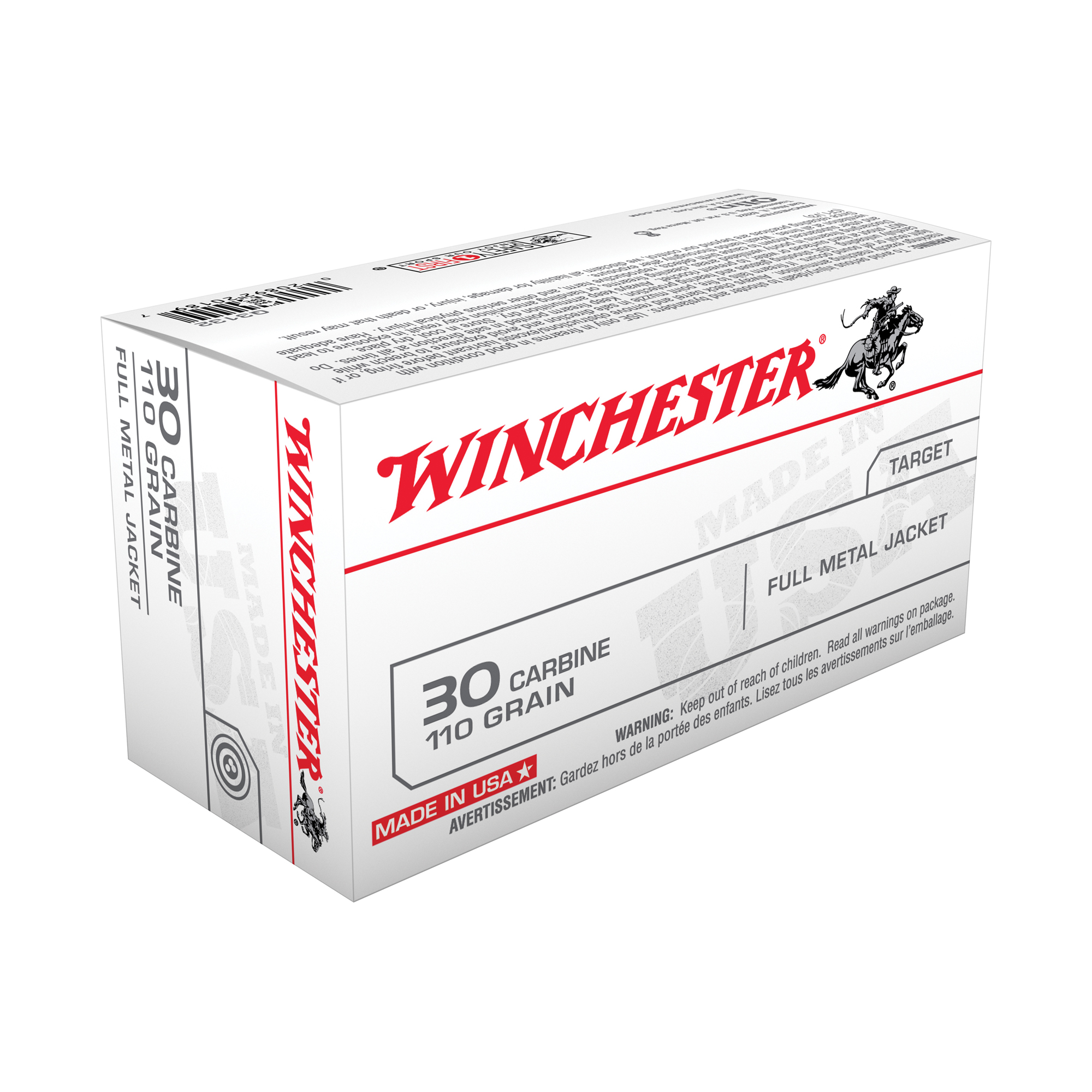
Winchester is a practical brand name to read closely for .30 Carbine because Winchester USA-style listings can appear with 110-grain FMJ wording. That makes it useful for buyers comparing current commercial FMJ boxes against surplus-style search results or older-looking product descriptions.
Remington Ammunition gives buyers another familiar commercial reference point through UMC-style 110-grain FMJ rifle-ammo wording. The Remington name can also appear near other rifle cartridges, so the cart should stay anchored to .30 Carbine rather than drifting into .30-06, .30-30, or general Remington rifle-ammo results.
PPU and Prvi Partizan are useful for value-minded .30 Carbine comparison because PPU lists both 110-grain FMJ round nose and 110-grain soft point round nose-style product wording. That gives buyers a clean reason to read bullet style before judging box count or case quantity.
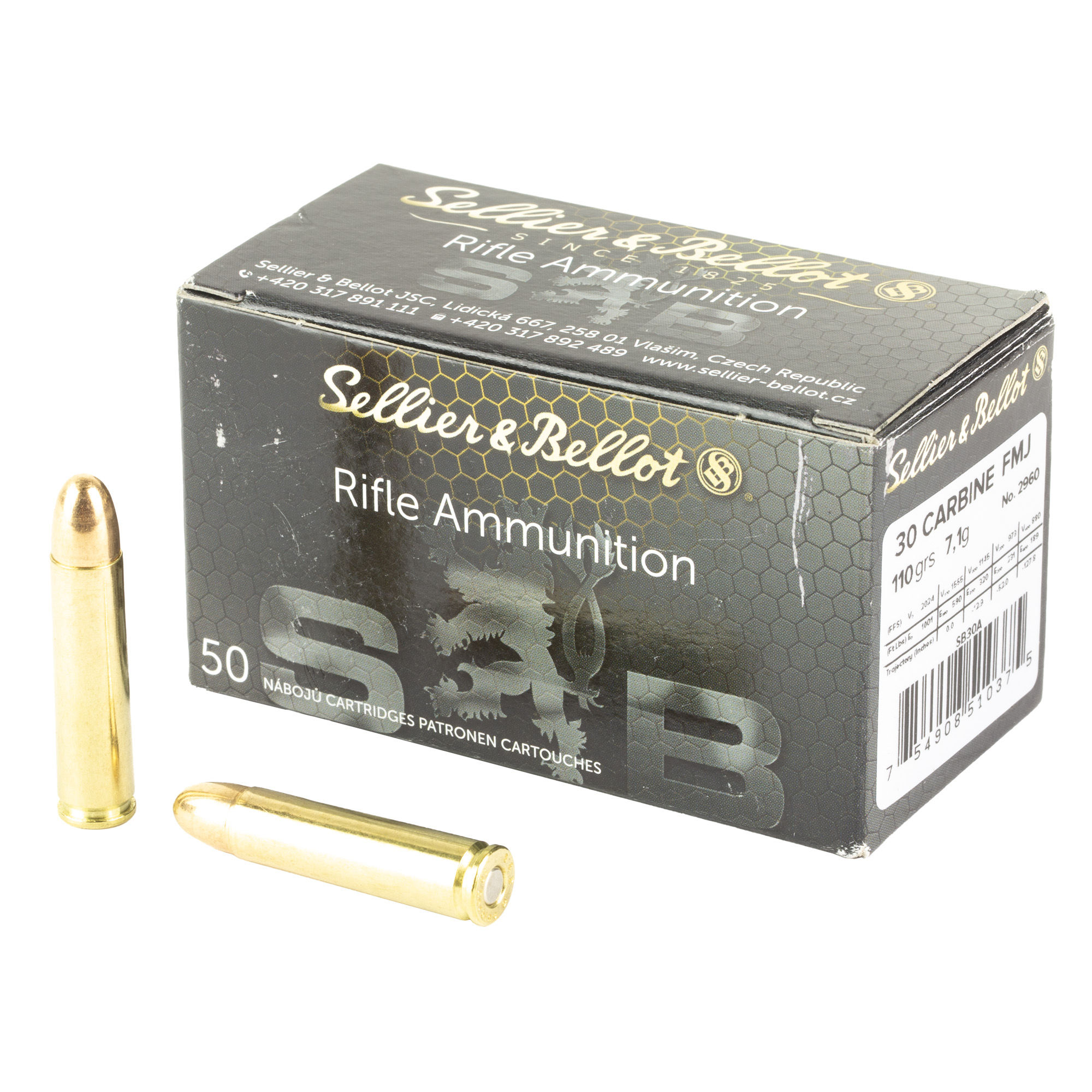
Sellier & Bellot belongs in the .30 Carbine comparison with 110-grain FMJ and soft point-style rifle-ammo wording. If a buyer is comparing Sellier & Bellot against Winchester, Remington, PPU, or Magtech, the useful details are still cartridge name, bullet style, package quantity, and whether the listing is loaded ammunition.
Magtech brings one of the clearest package-size comparisons because Magtech lists 110-grain FMJ, JSP, and JHP-style .30 Carbine products with 50-round inner-box and 1,000-round outer-box packaging. That is exactly where bulk 30 Carbine ammo shoppers should pay attention to inner box versus outer case quantity.
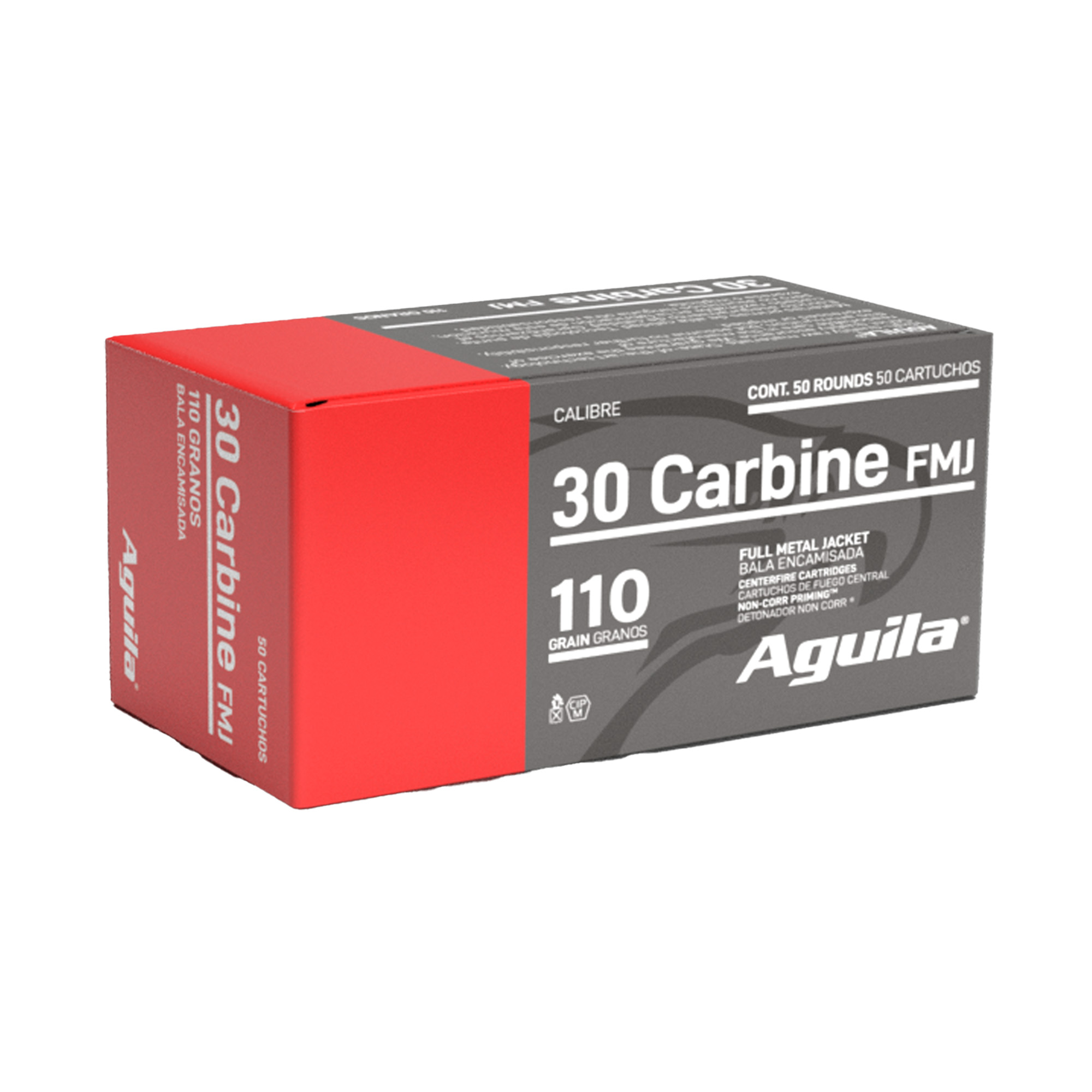
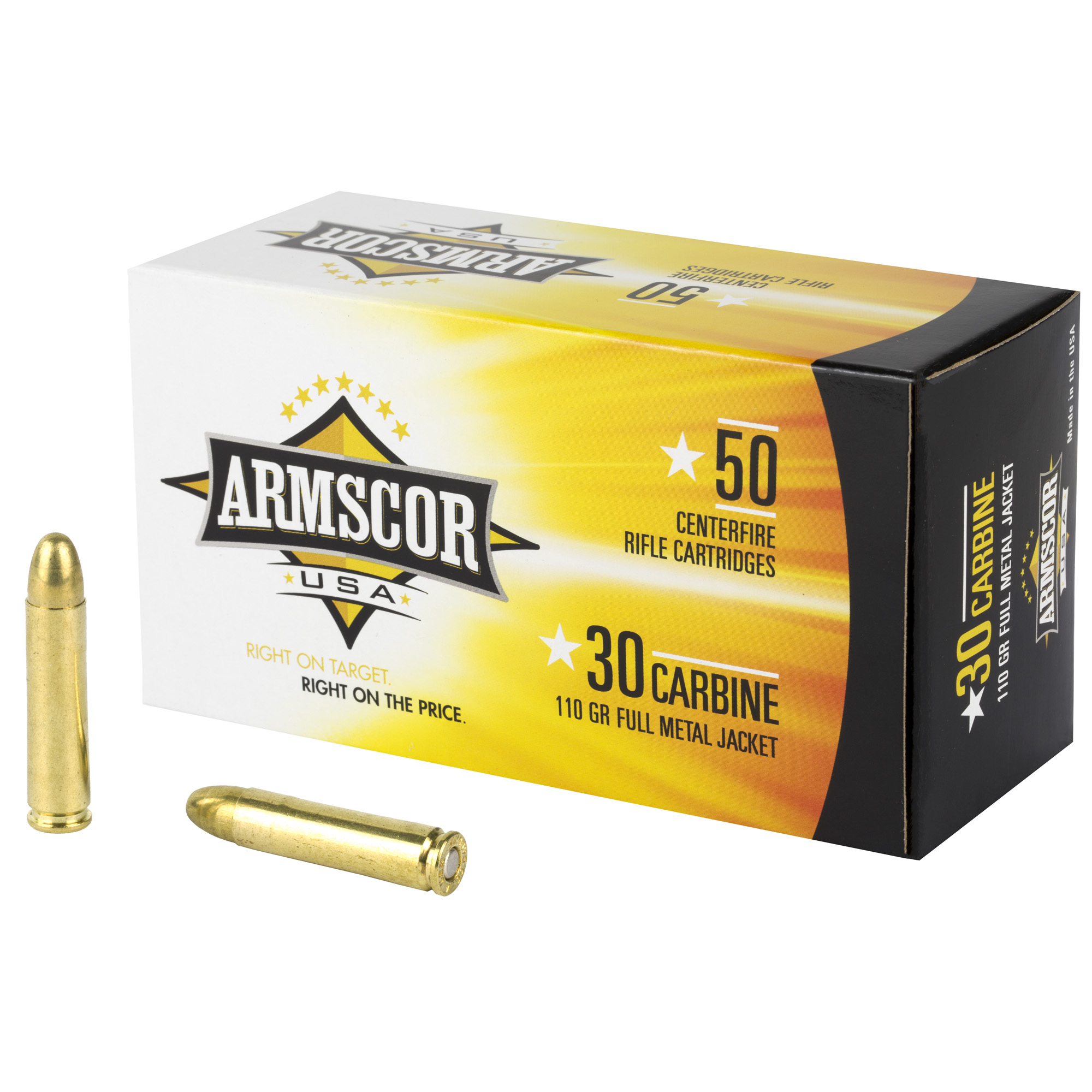
Aguila and Armscor are also worth reading when .30 Carbine appears in the product lane. Aguila lists 110-grain full metal jacket .30 Carbine ammunition, while Armscor catalog information has shown 30 M1 Carbine-style centerfire rifle ammunition. The buyer should still let the exact product title do the deciding.
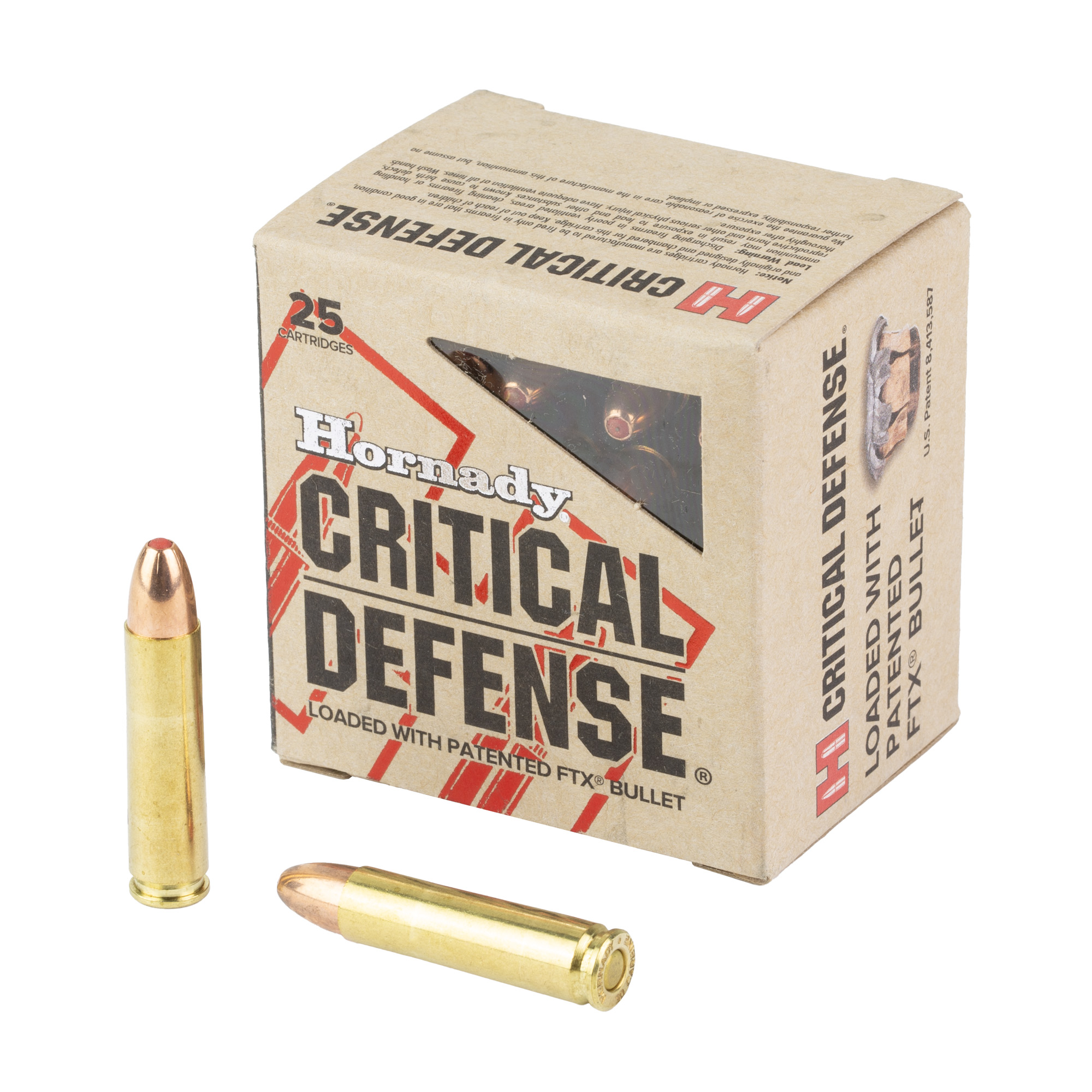
Hornady can matter around FTX-style .30 Carbine listings, but buyers should read that product title with care because Hornady also sells bullets, components, and many other rifle-ammo lines. Steinel is another specialty name that can appear around M1 Carbine-style loaded ammunition. In both cases, the product type and round count should be clear before the listing is treated like bulk ammunition.
Which Brands Are Worth Comparing For .30 Carbine Ammo?
Winchester, Remington Ammunition, PPU, Prvi Partizan, Sellier & Bellot, Magtech, Aguila, Armscor, Hornady, and Steinel are useful names to read closely for .30 Carbine Ammo when their listings appear. The stronger buying comparison comes from the full listing: 110-grain load style, product type, box count, case quantity, and total round count.
Brass, Bullets, And “M1” Wording Can Change The Product
The phrase “30 Carbine” can pull in more than loaded ammunition. It may appear beside brass cases, .308-diameter bullets, component bullets, dies, tools, older packaging, M1 Carbine accessories, or general firearm-related results. Some of those products may be useful in a separate shopping decision, but they are not the same as a box of loaded .30 Carbine rifle ammunition.
Brass is the easiest product-type split to miss. A bag of .30 Carbine brass is not a box of loaded rounds. A package of .30-caliber or .308 bullets is not loaded ammunition either. If the buyer wants complete cartridges, the product title should say ammunition, cartridges, rounds, loaded rifle ammo, or a similar loaded-ammunition term.
The “M1 Carbine” phrase also needs a careful read. It can help identify the intended cartridge lane, but it can also appear near accessories, magazines, parts, historical descriptions, or specialty pages. For the ammunition cart, the listing should still show .30 Carbine loaded rounds and a clear round count.
Why Do Brass Or .30-Caliber Bullets Show Up Near .30 Carbine Ammo?
Brass and .30-caliber bullet listings can appear near .30 Carbine Ammo because they share cartridge or bullet-diameter wording. If the buyer wants loaded ammunition, the product title should clearly say ammunition, cartridges, rounds, or loaded rifle ammo.
Where .30 Carbine Fits Inside Rifle Ammo
.30 Carbine belongs inside Rifle Ammo, and that broader rifle-ammo view is useful when buyers want to shop by cartridge, brand, or package quantity. The .30 Carbine page itself should stay focused on this exact cartridge instead of drifting into .30-30, .30-06, .300 Blackout, .308 Winchester, or component listings.
That parent category connection helps because .30 Carbine sits in a crowded naming area. It has military-surplus search interest, modern commercial listings, M1 Carbine wording, and many nearby “30” cartridge names. Some results may be current loaded ammunition. Some may be older-stock or surplus-style listings. Some may be brass, bullets, or accessories. The full product title keeps the order organized.
For bulk buying, keep .30 Carbine fixed first. Then look at whether the product is FMJ, round nose, soft point, JHP, or another clearly stated load style. After that, judge the round count. A larger order is only cleaner when the cartridge, product type, and quantity all match the buyer’s intent.
Is Bulk 30 Carbine Ammo Better Bought By Box Or Case?
Bulk 30 Carbine ammo is easier to judge after the buyer knows the exact load, brand, and total round count. A 50-round box can make sense for comparing product style, while a case quantity can be cleaner once the exact .30 Carbine listing is already clear.
A Cleaner .30 Carbine Order Before Checkout
Before placing an online ammunition order, make sure the cart reflects the product actually intended. For .30 Carbine, that means loaded rifle ammunition, the correct cartridge name, the preferred 110-grain load style, and a clear total round count.
Then read any checkout, destination, carrier, and shipping-eligibility notices shown during the order process. Ammunition orders can involve buyer, location, carrier, and order-detail review. Product information can help shoppers build a clearer cart, but it should not be treated as a guarantee that every item can ship to every destination.
A clean .30 Carbine order is especially about wording discipline. Keep the cartridge name exact, treat surplus wording as a detail to verify rather than an assumption, separate loaded rounds from brass and bullets, and judge bulk value by the full package instead of the shortest search phrase.
What Should Buyers Read Before A .30 Carbine Order Moves Forward?
Buyers should read the product title, cartridge name, bullet style, box count, case quantity, total round count, checkout notices, destination details, and shipping-eligibility instructions shown during checkout before placing a .30 Carbine ammunition order.