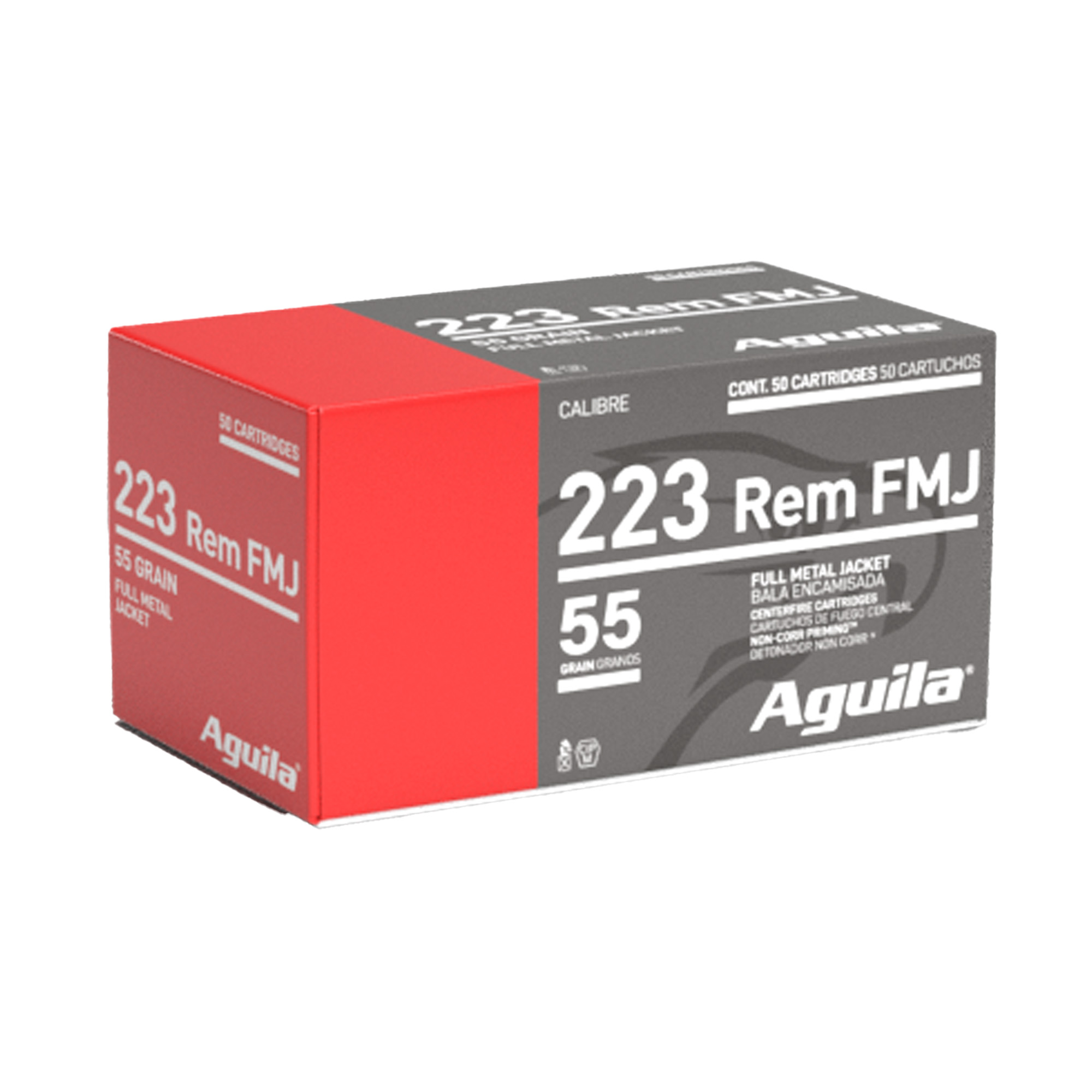
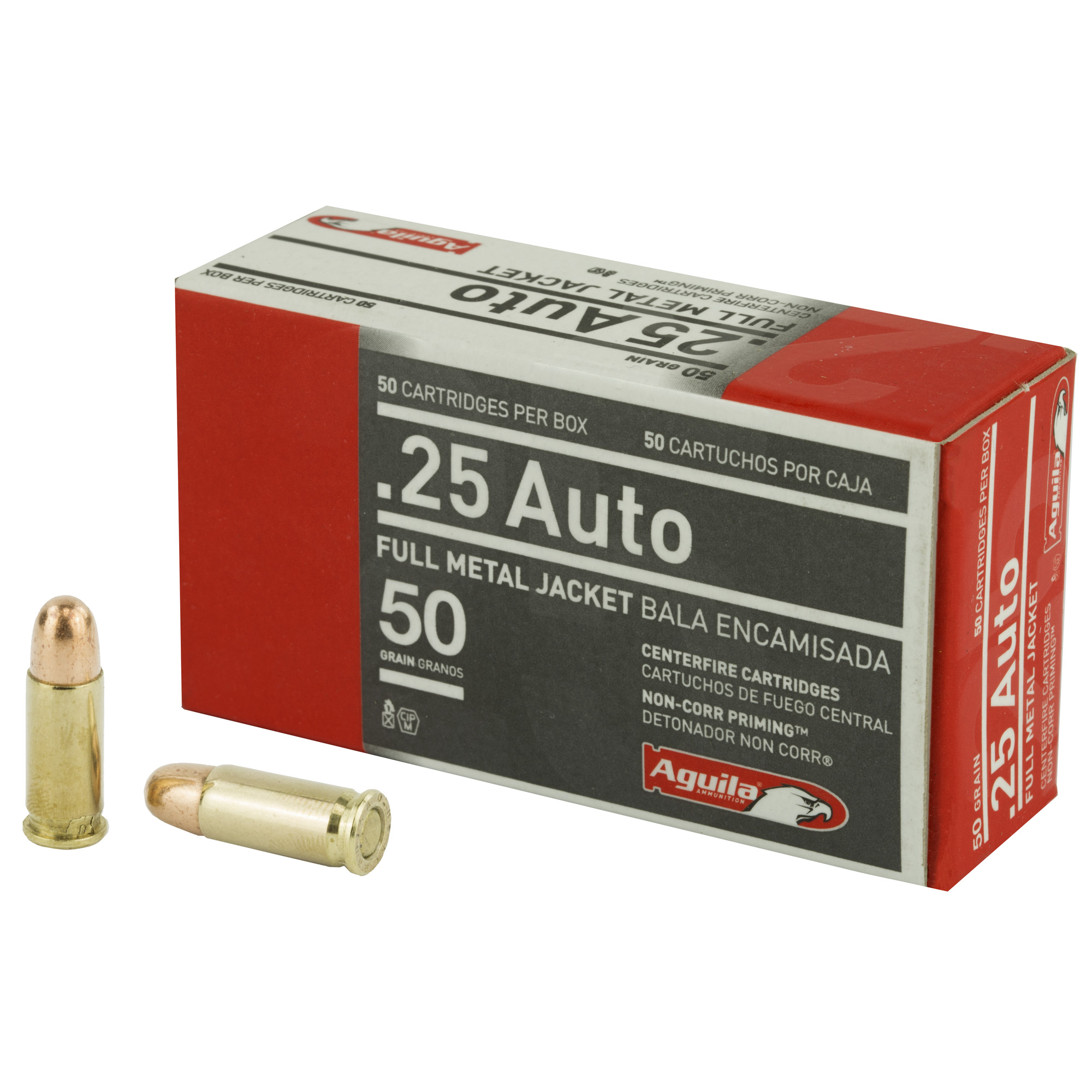
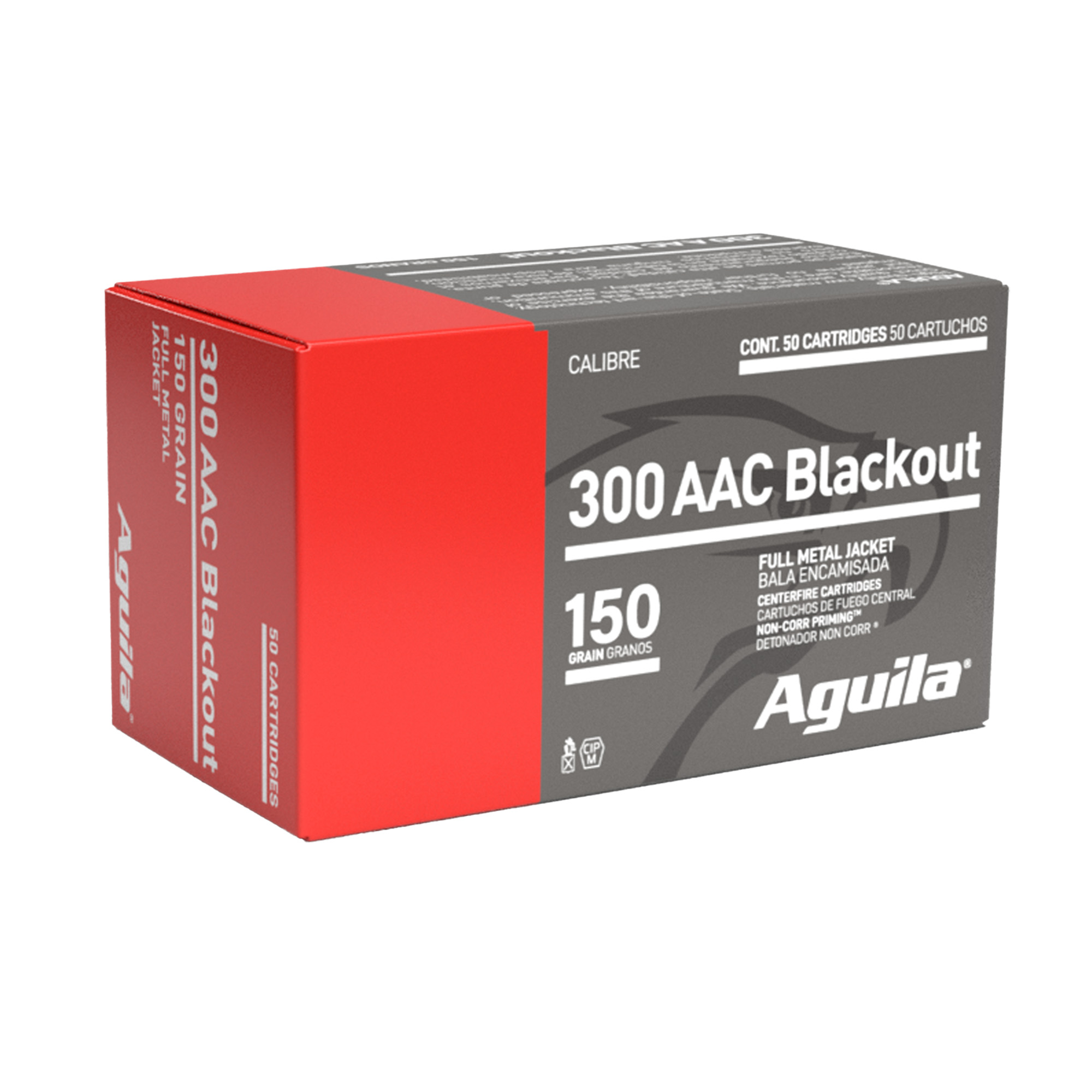
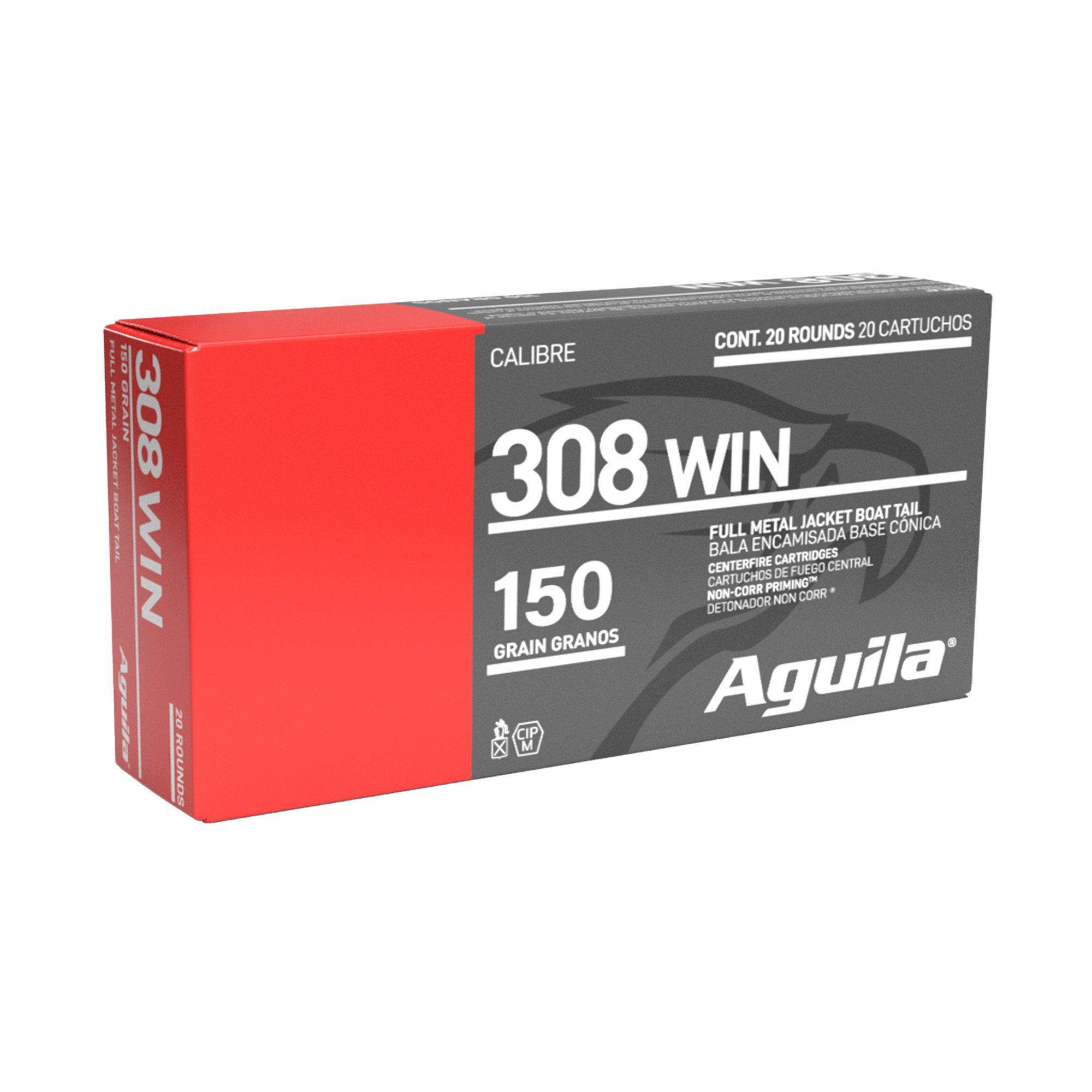
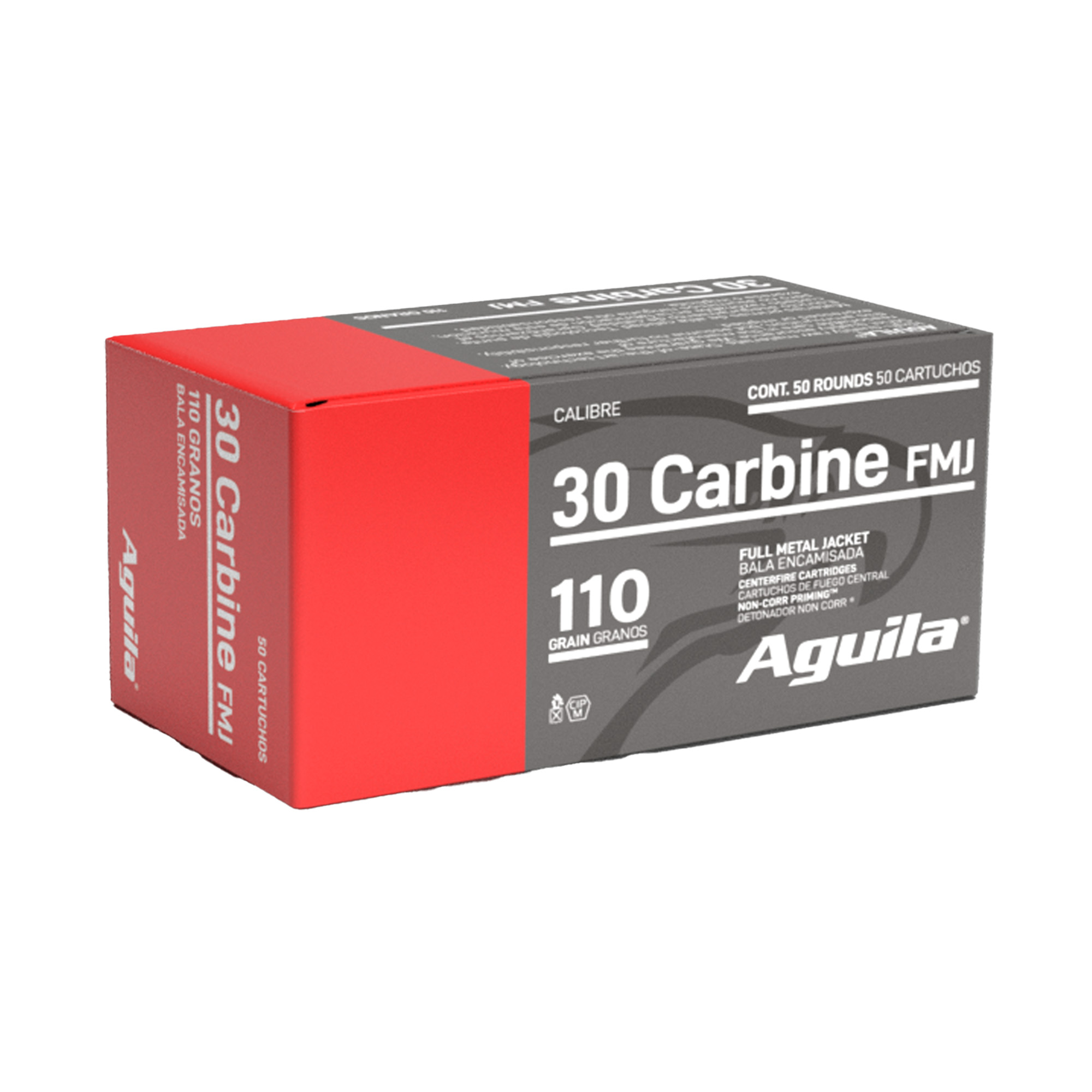
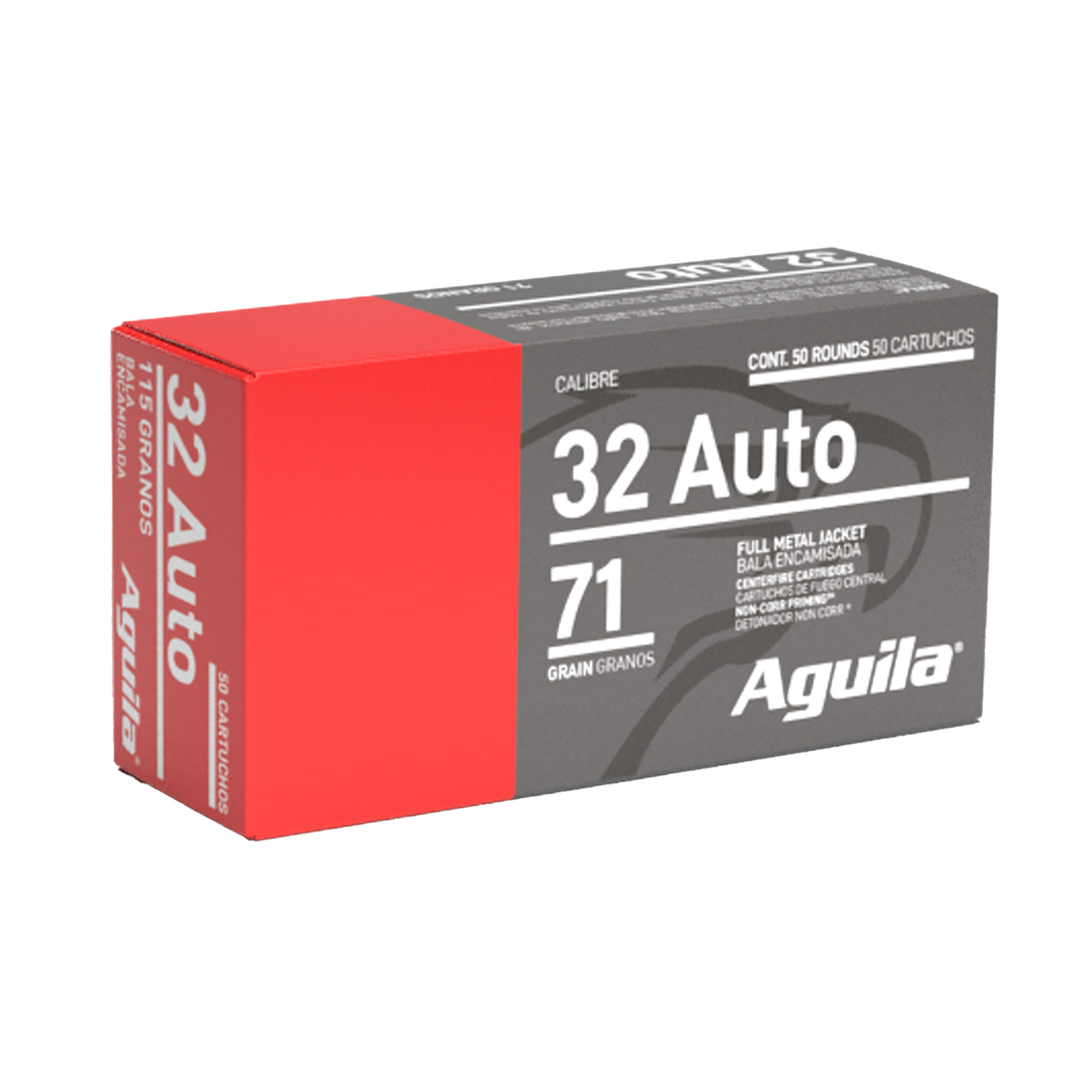
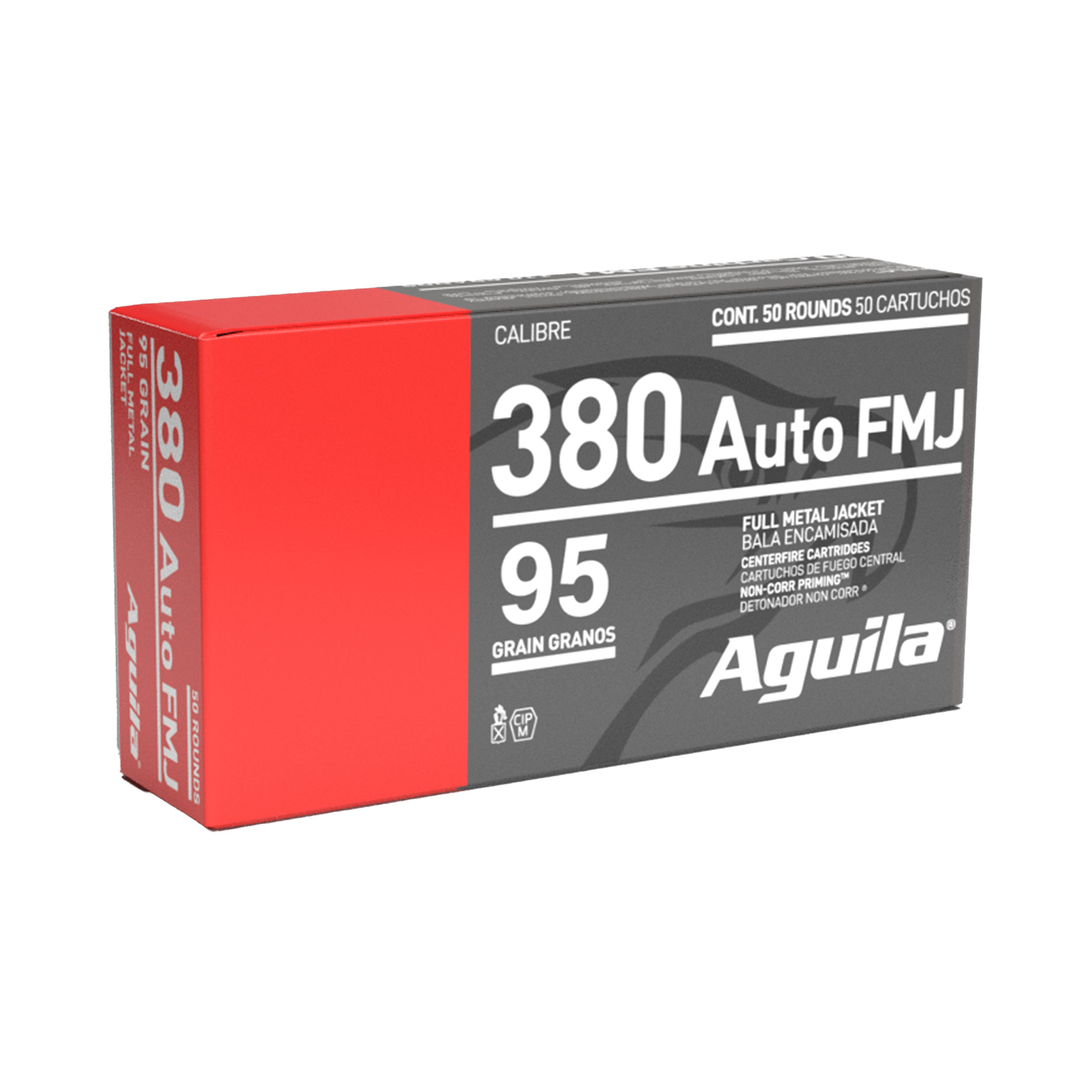
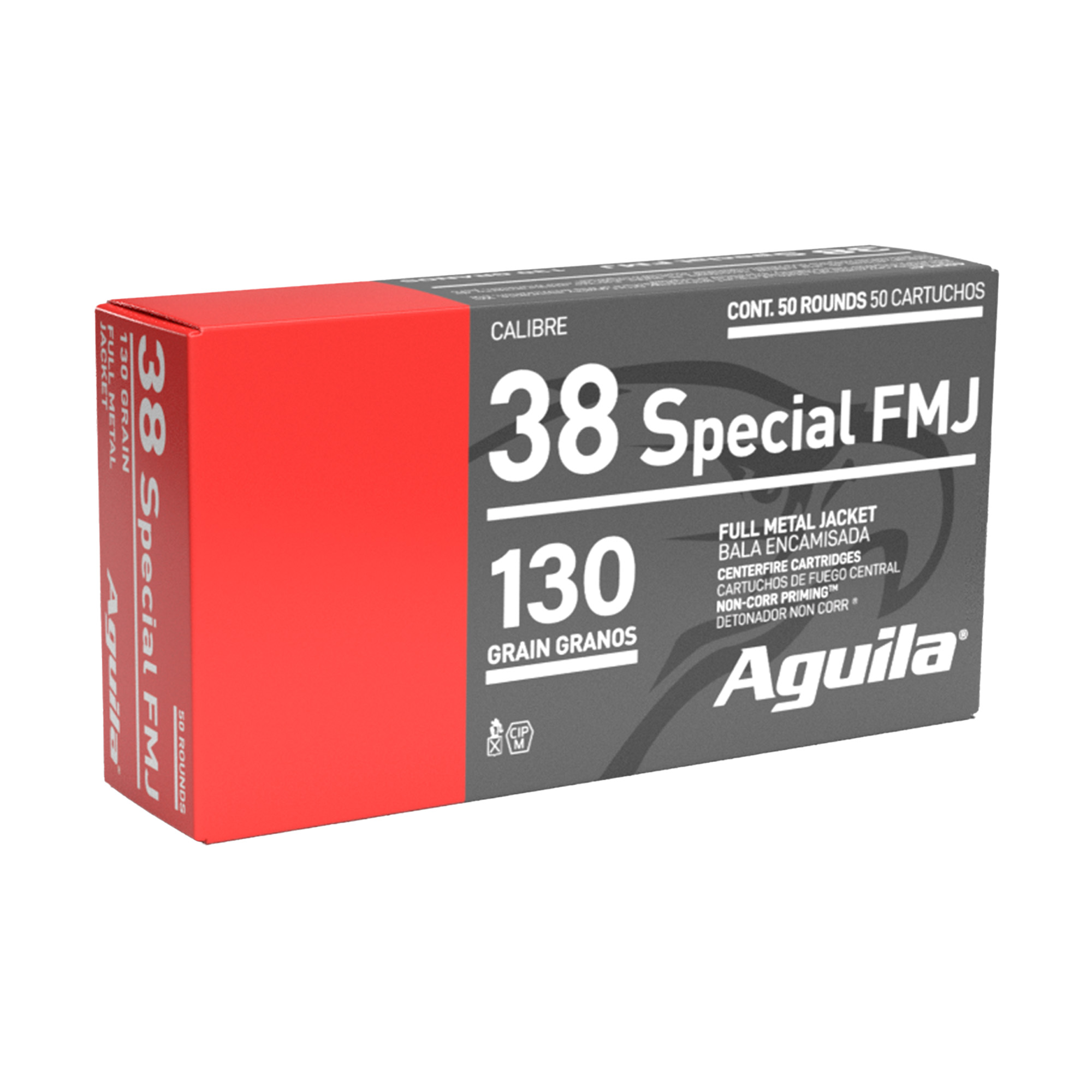
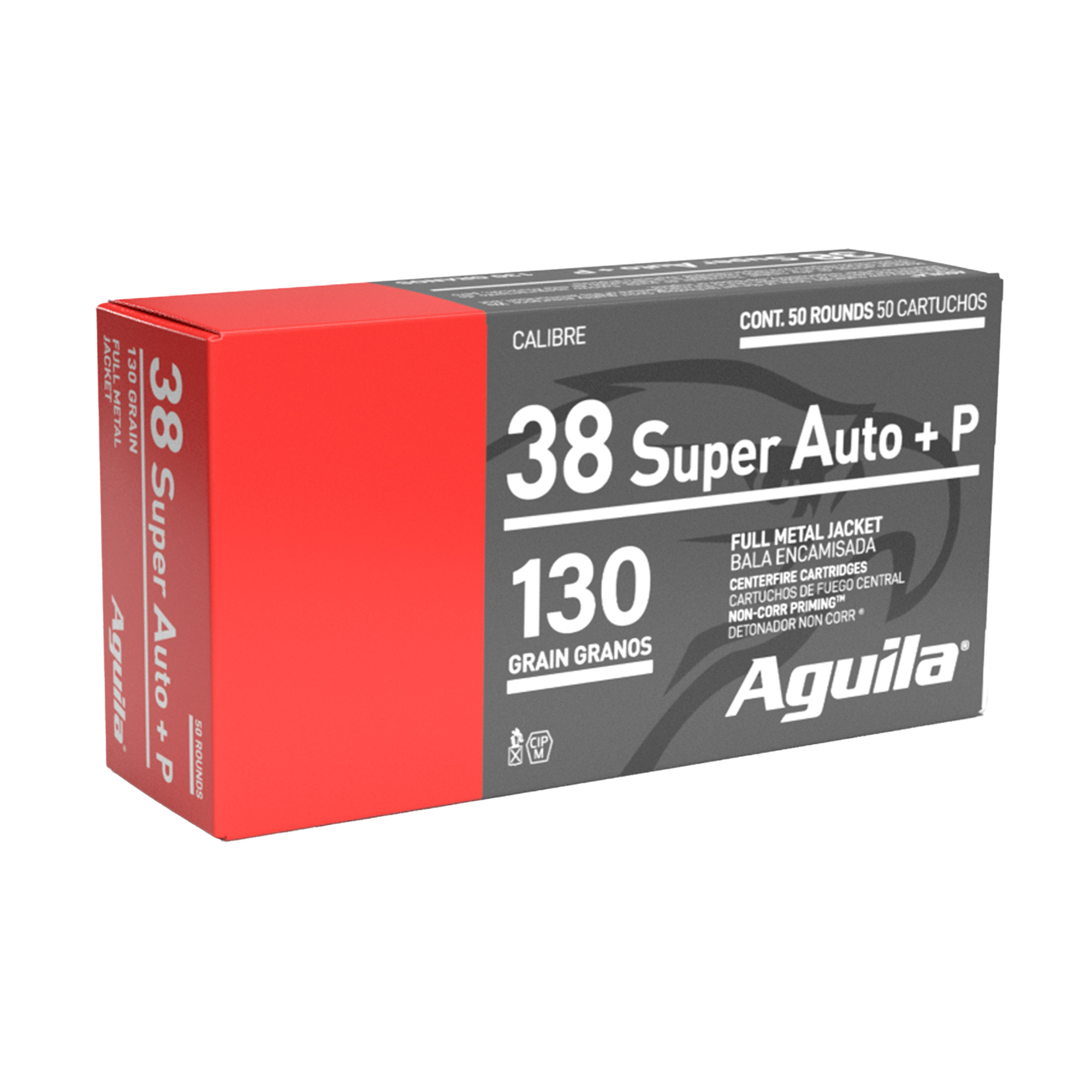
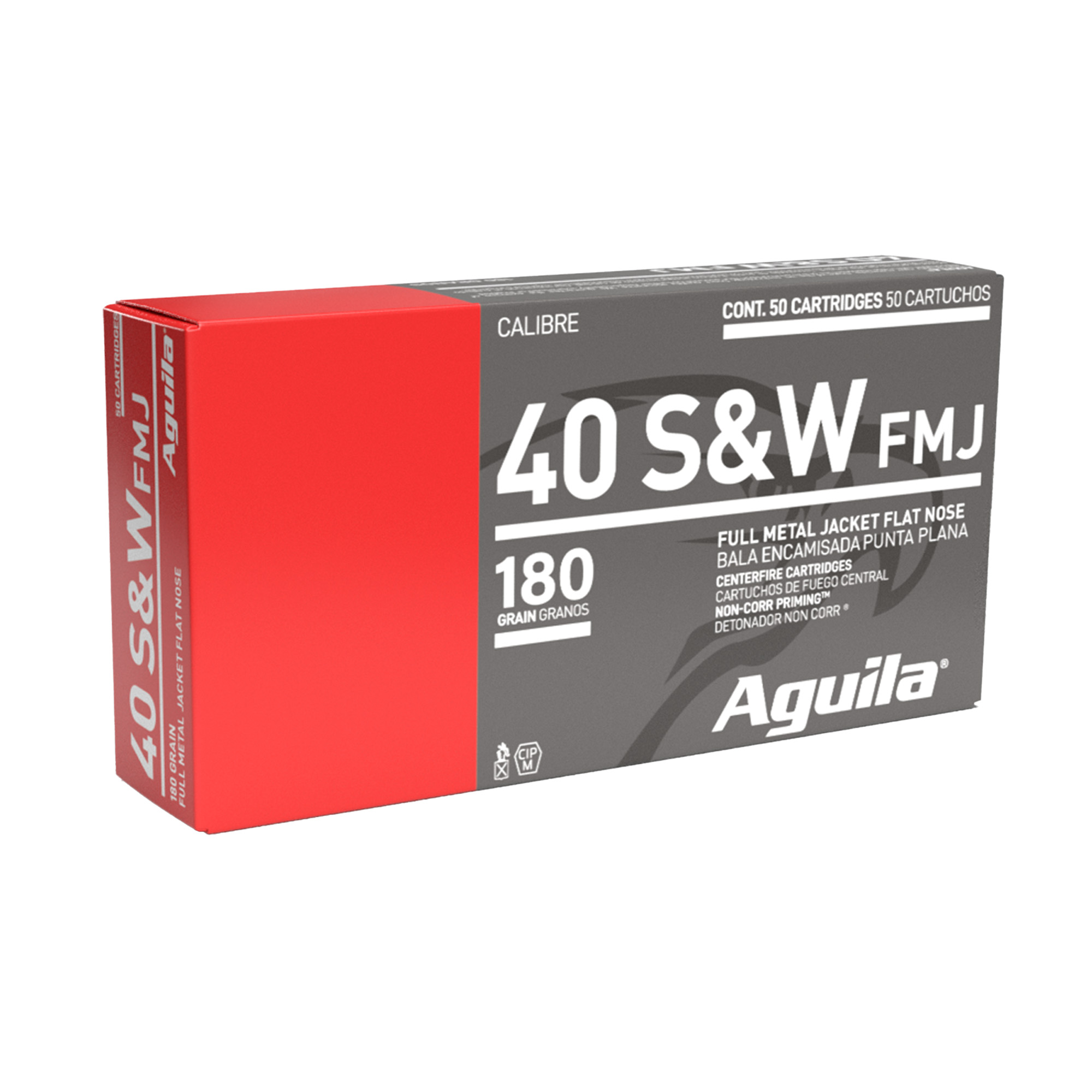
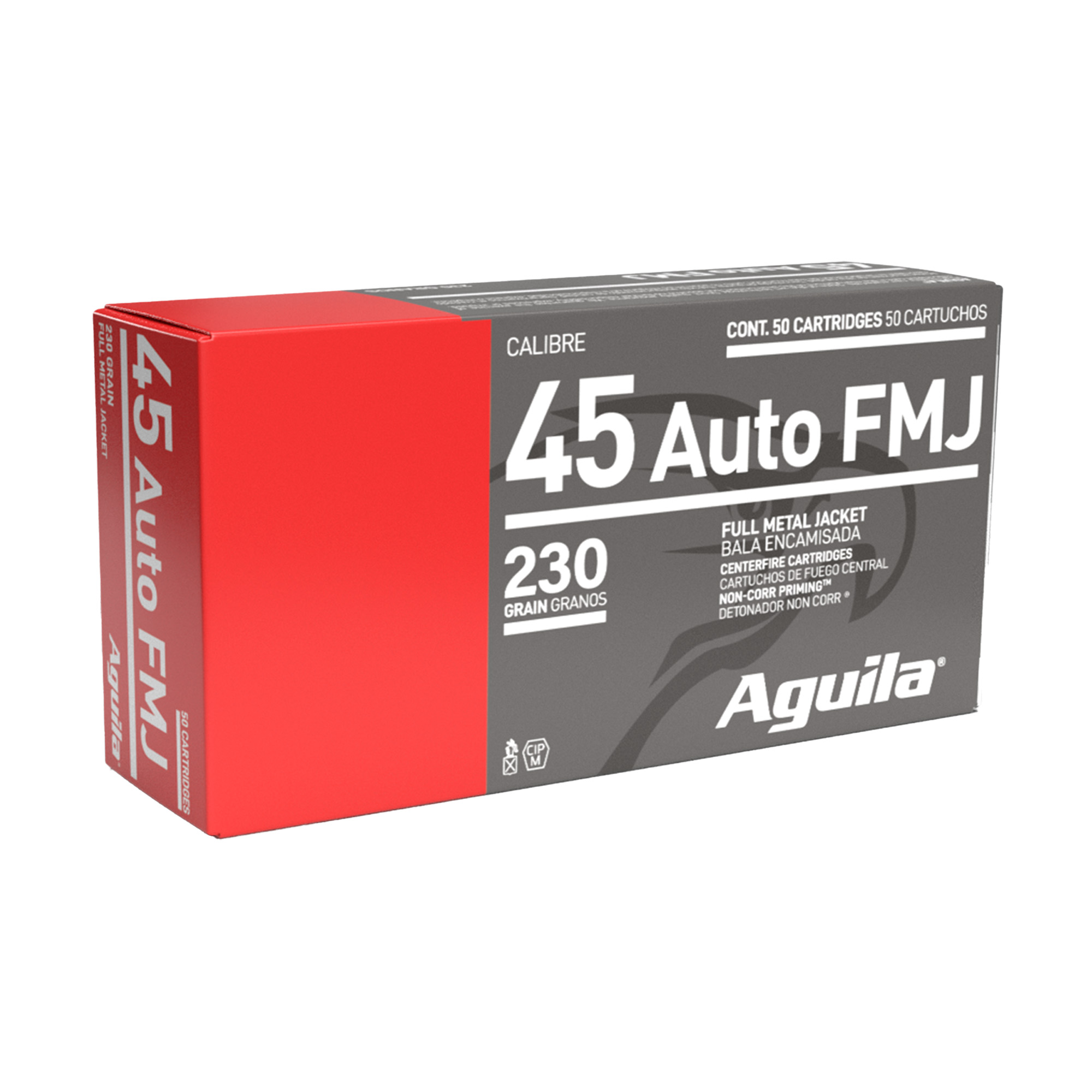
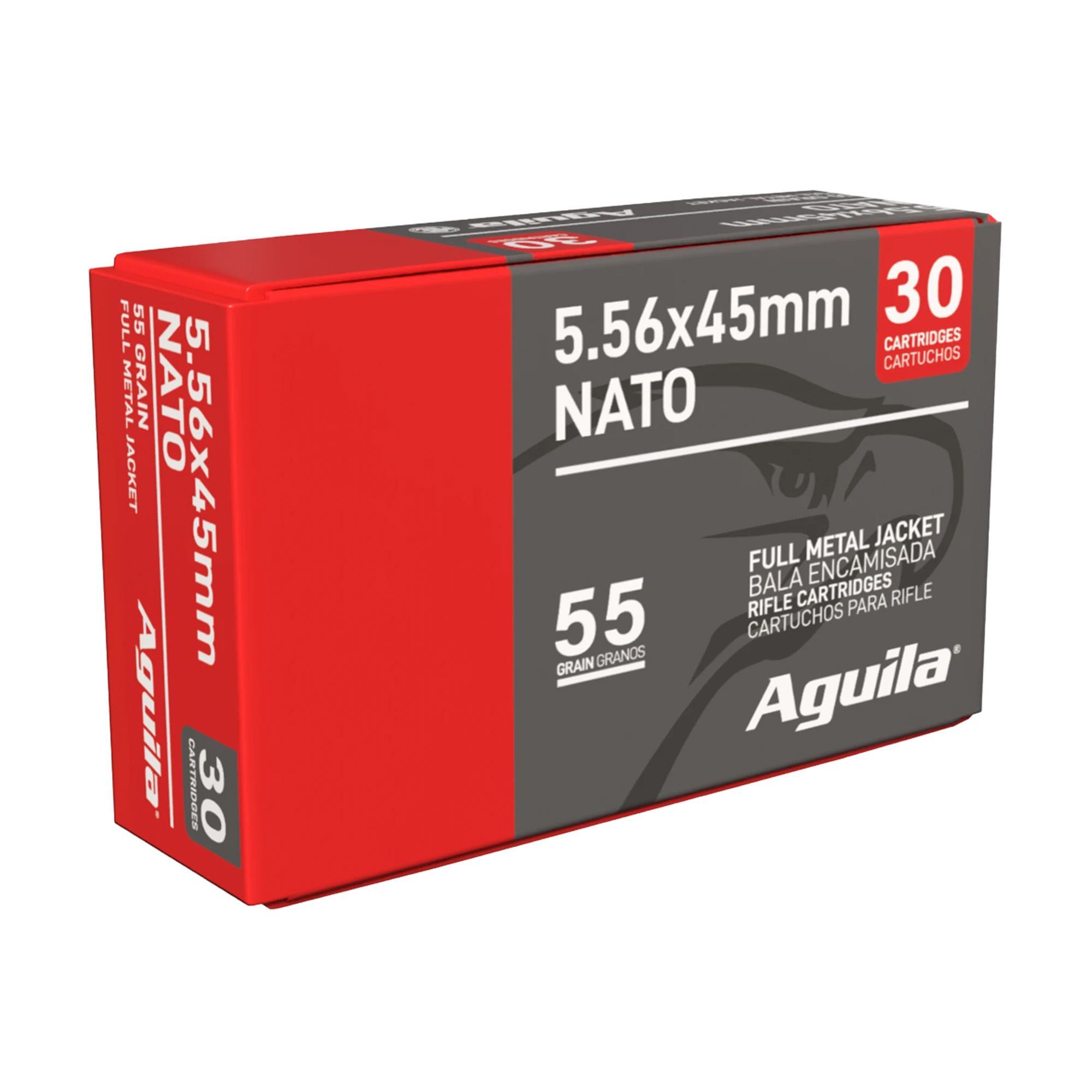
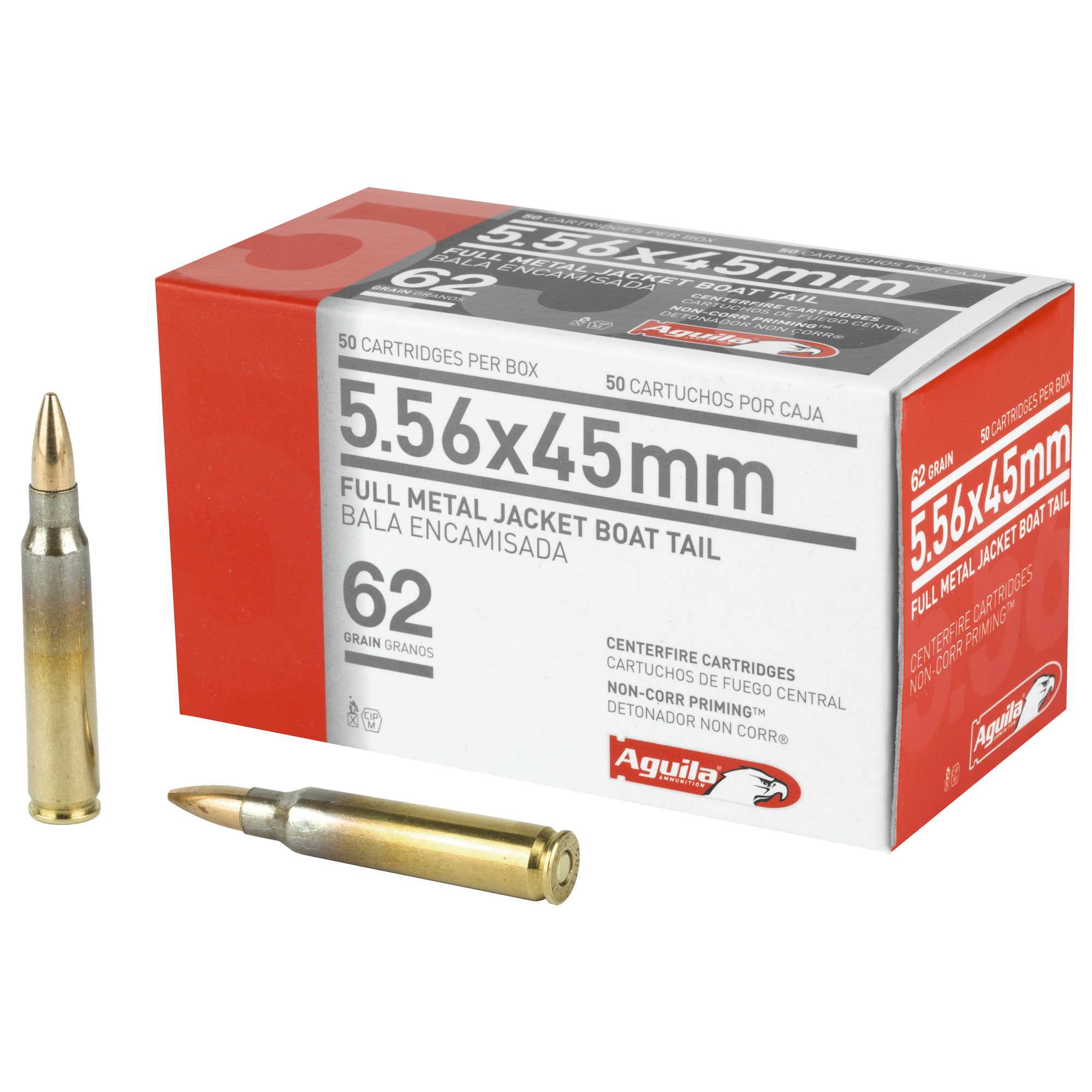
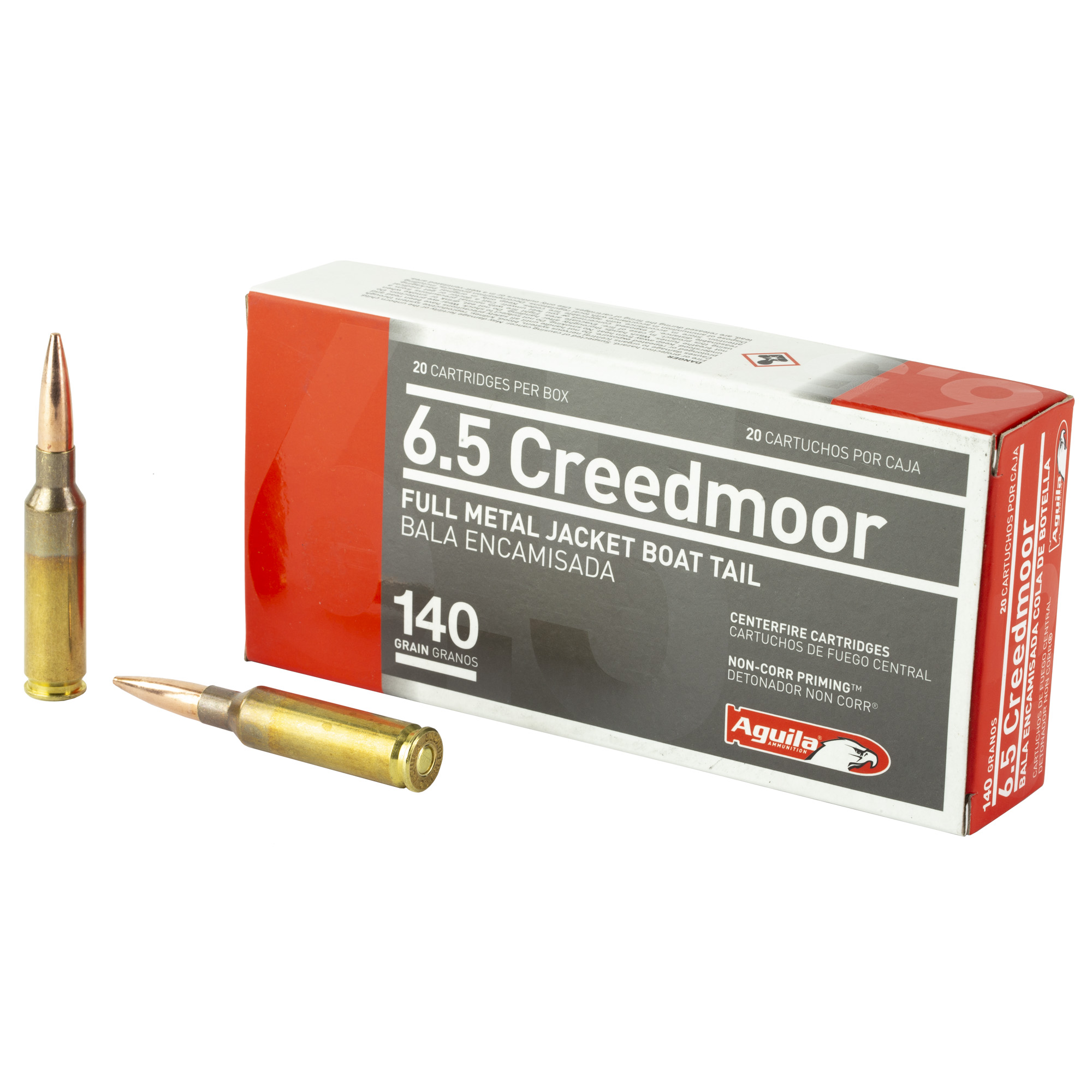
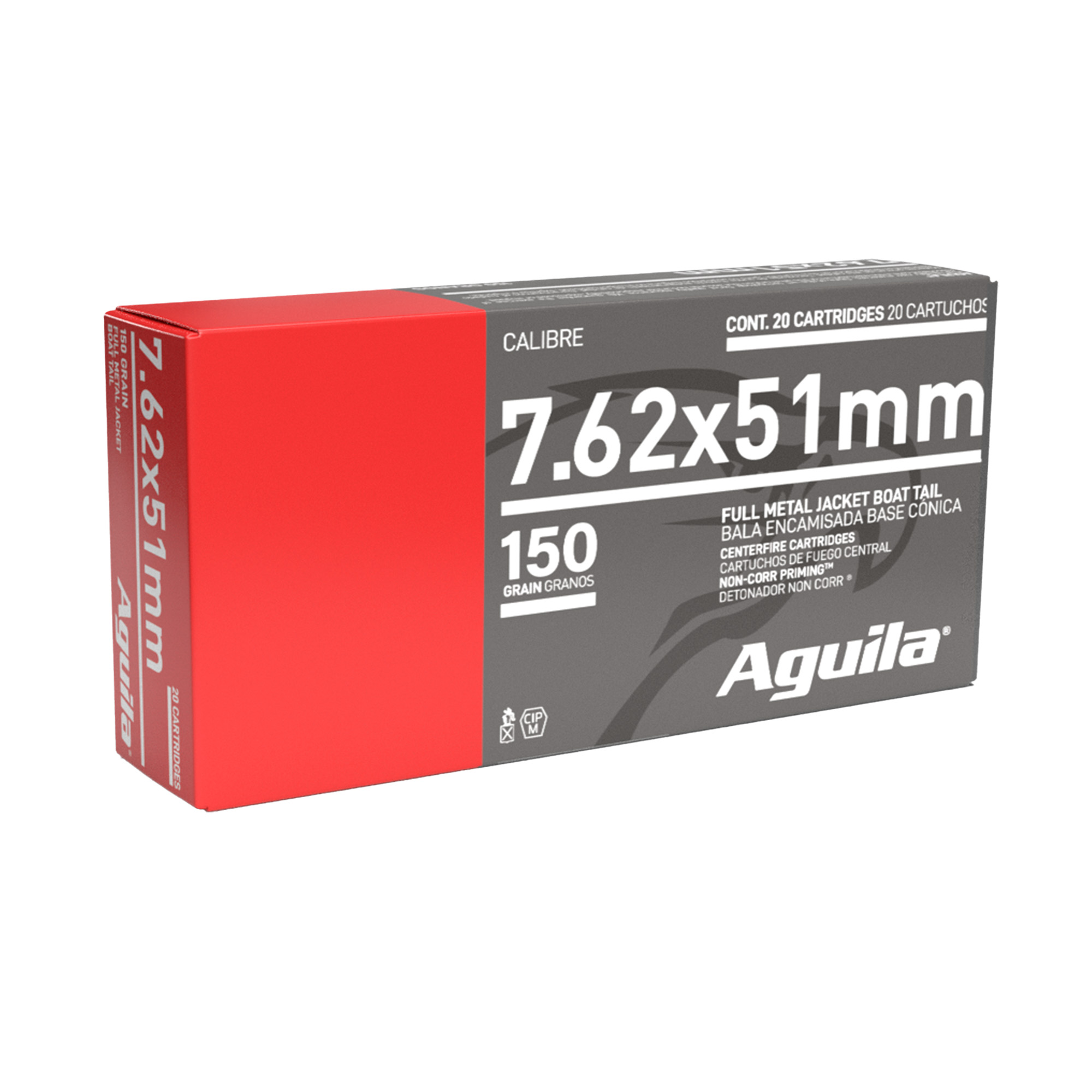
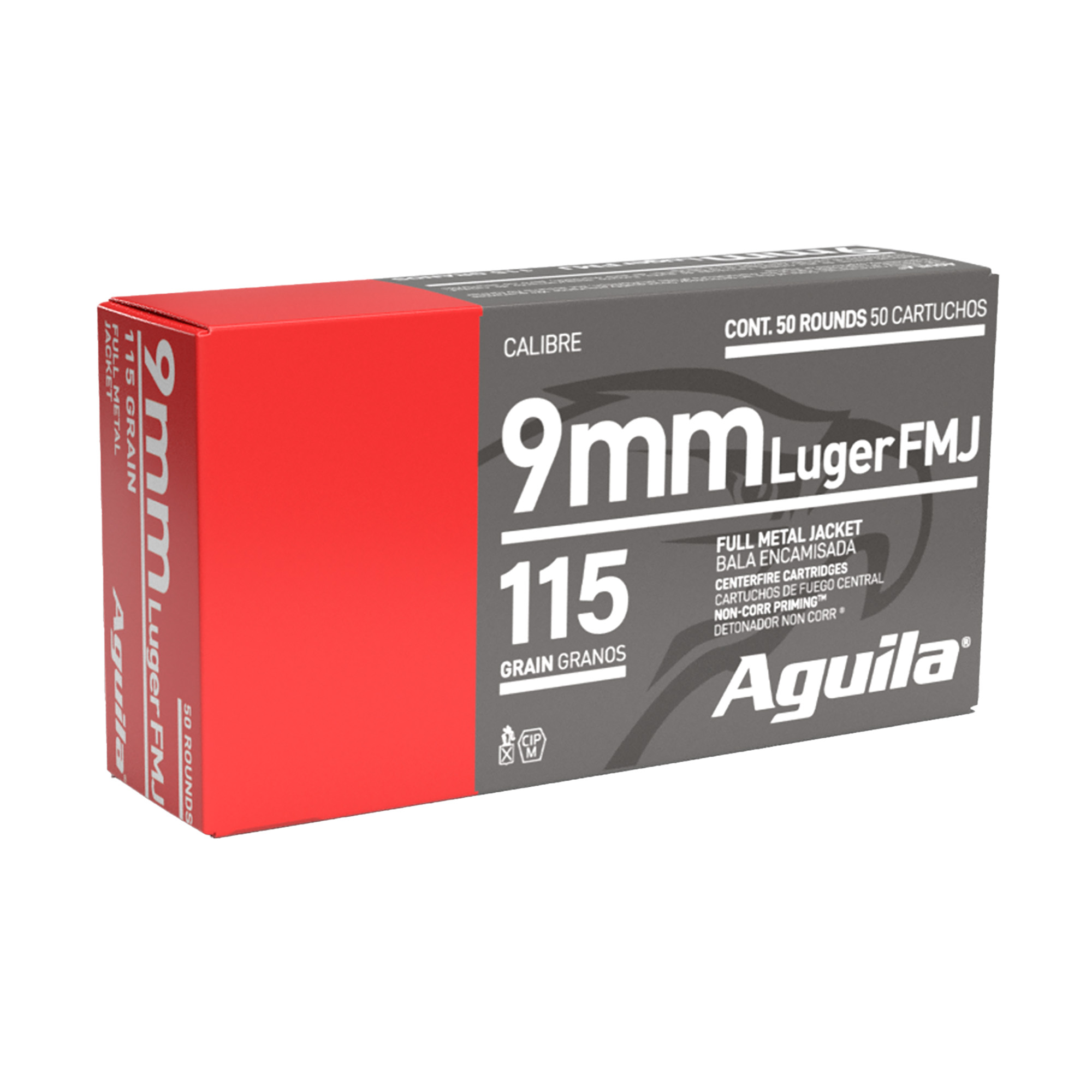
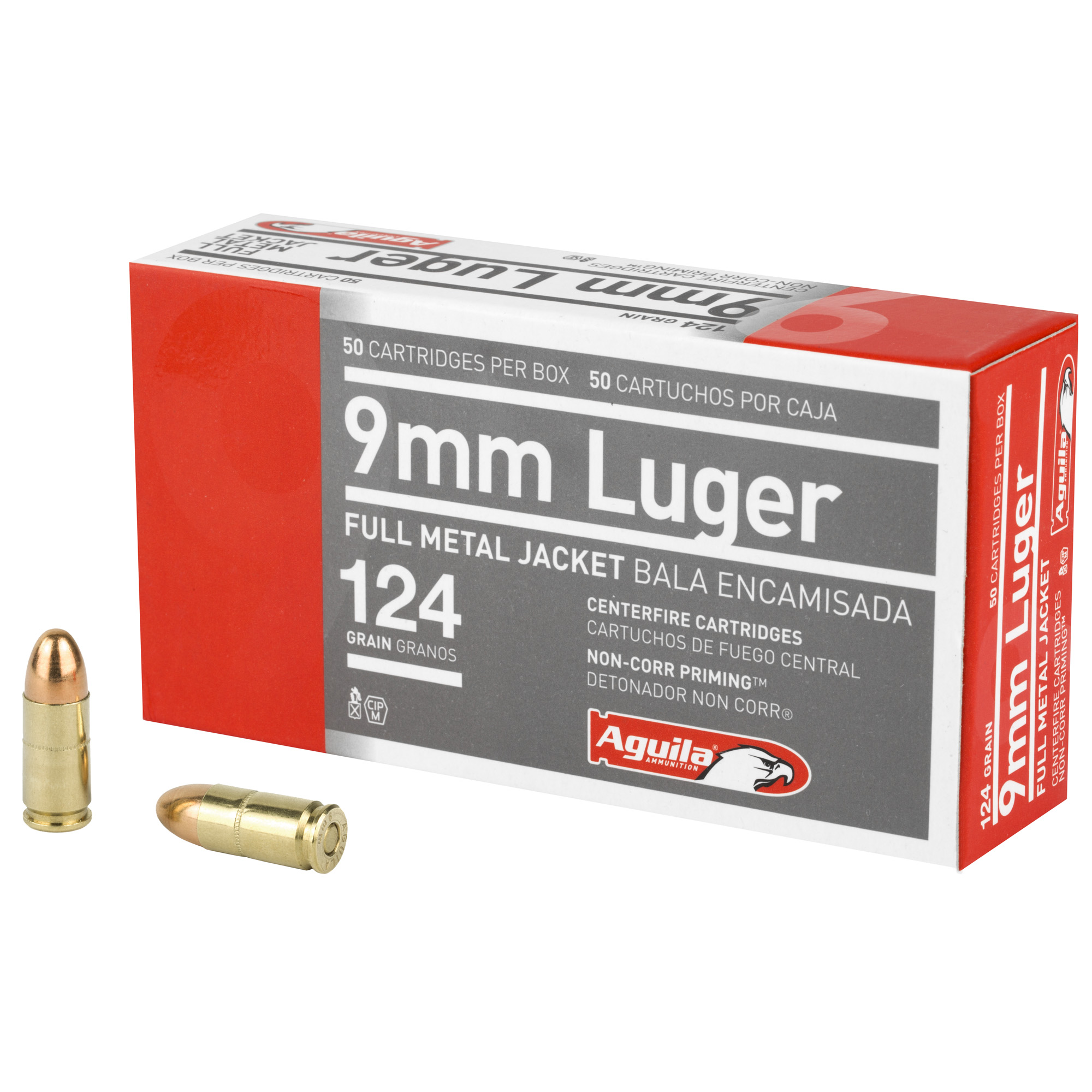
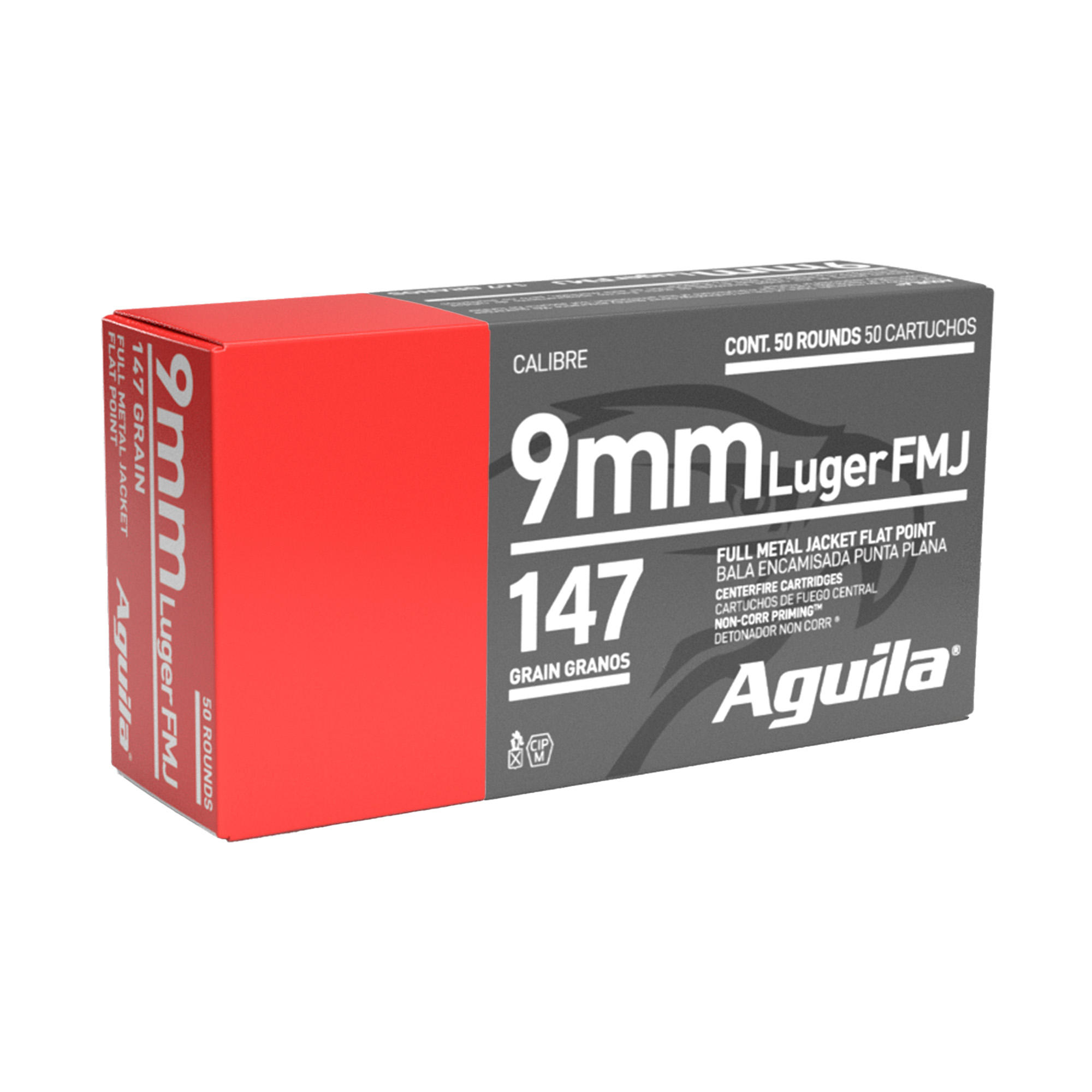
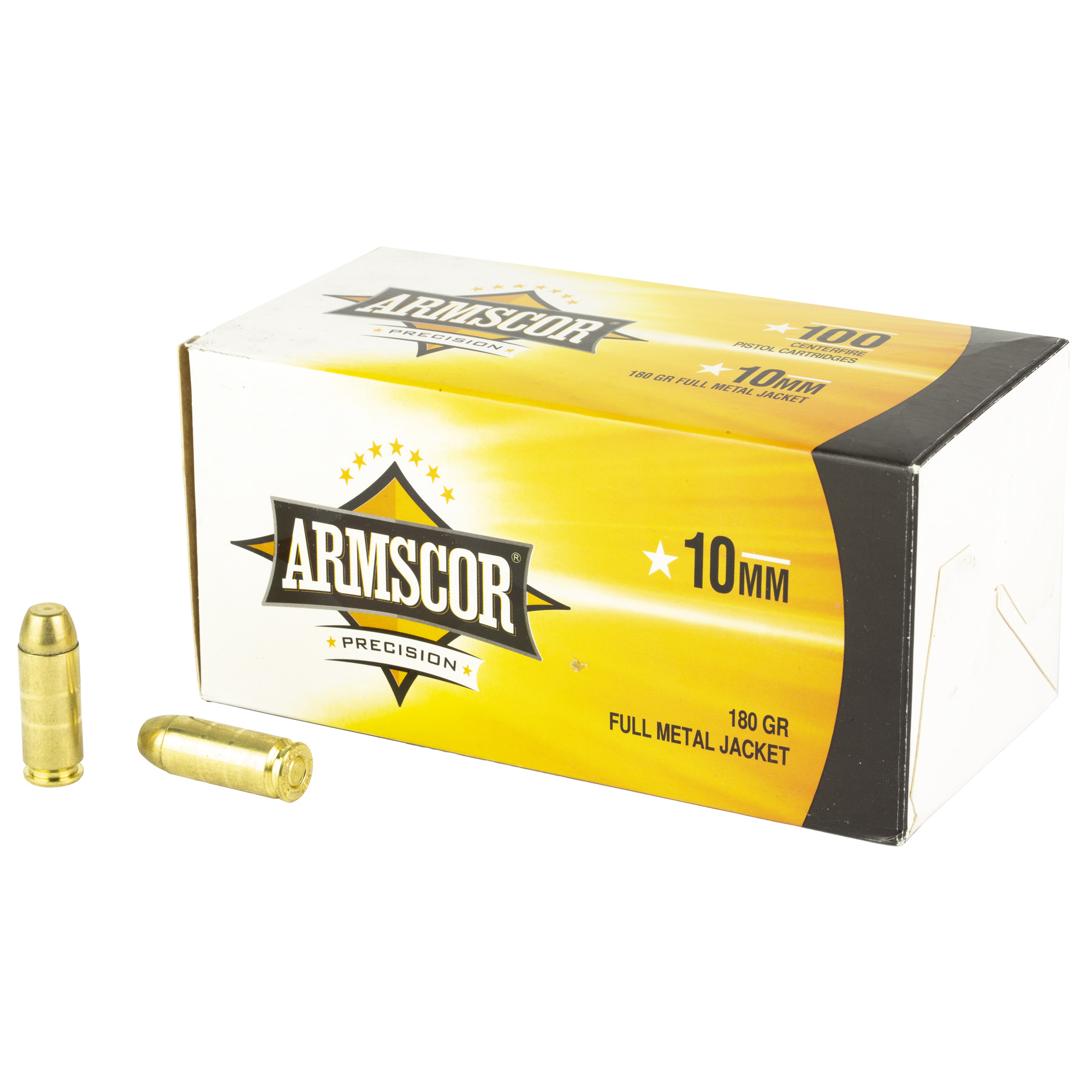
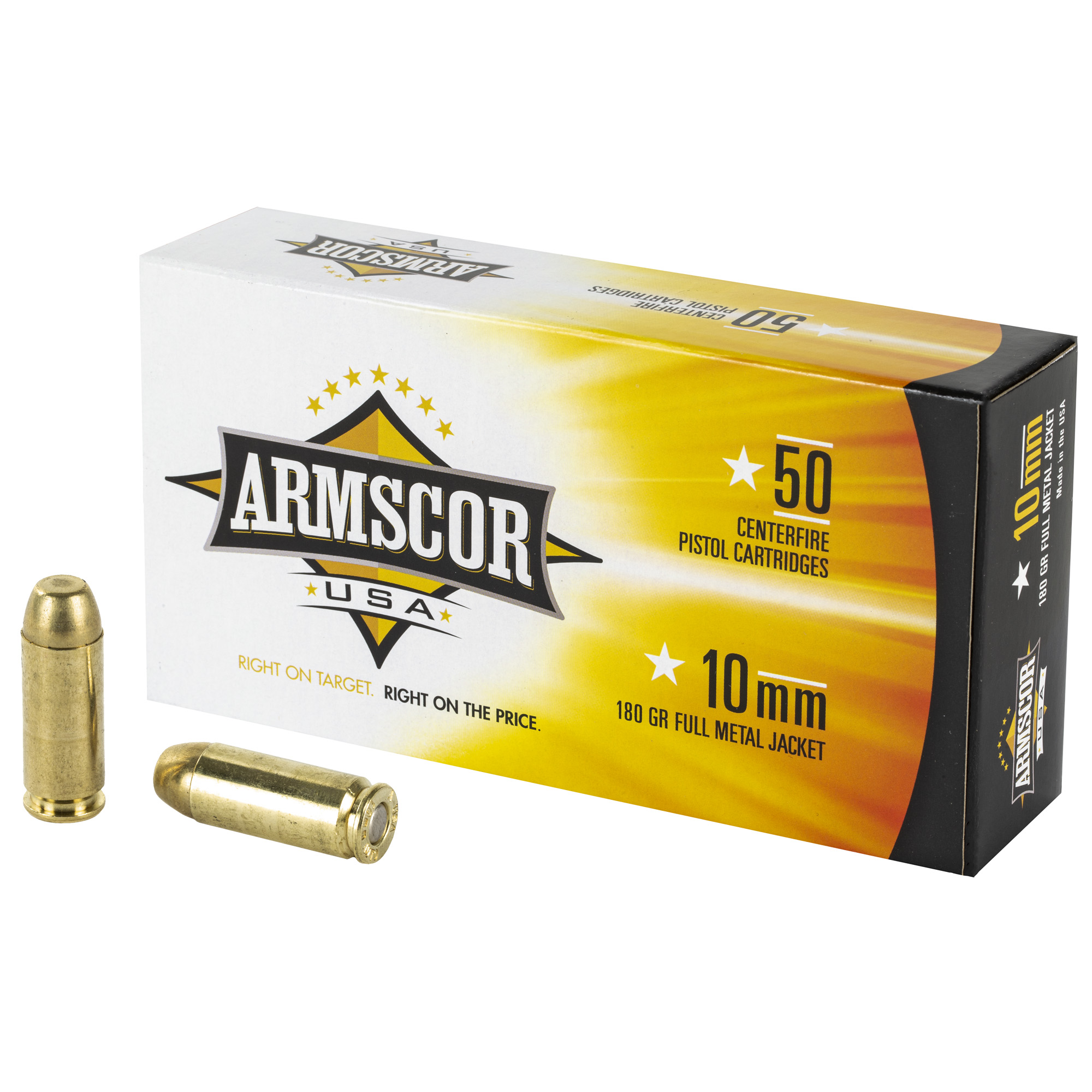
FMJ Ammo gives buyers a practical way to narrow ammunition listings when the product title or attributes clearly identify a full metal jacket bullet. The tag should stay tied to product-level wording, because a caliber page can include several bullet styles, casing types, box sizes, and case quantities.
How To Compare FMJ Ammo By Product Details
The cleanest way to review FMJ Ammo is to start with the product title. Look for “FMJ” or “full metal jacket” in the listed details, then confirm the caliber, casing type, box count, case quantity, and total round count. The bullet type matters, but it does not replace cartridge fit.
A buyer comparing FMJ listings should still match the cartridge wording to the firearm marking. For handgun buyers, that may mean sorting options such as 9mm ammo, .45 ACP ammo, .380 ACP ammo, or .40 S&W ammo. For rifle buyers, the product check may begin with pages such as .223 ammo, 5.56 ammo, .308 ammo, or 7.62×39 ammo.
Why FMJ Is A Product-Level Tag
FMJ is a bullet-style detail, not a guarantee for every product in a caliber. A 9mm shelf can include FMJ, hollow point, lead-free, frangible, specialty, or other load styles. A rifle caliber page can also include several projectile types and case quantities. That is why the FMJ Ammo tag should follow the individual listing instead of being applied to every product in a related caliber.
This keeps the shopping experience cleaner. Buyers who select the FMJ Ammo tag should see products where the listing clearly supports that bullet type. If the product title only shows the caliber and brand, the listing should be reviewed more closely before the tag is applied.
Handgun FMJ Ammo Sorting
Handgun buyers often compare FMJ listings by caliber, grain weight, casing, box count, and total rounds. The broader handgun ammo section is useful for narrowing pistol and revolver cartridges, but the FMJ tag should still depend on the actual product details.
For common centerfire handgun orders, buyers may review caliber paths such as 9mm, .45 ACP, .380 ACP, .40 S&W, and 10mm before selecting a specific product. The important step is confirming the product title. A caliber match gets the buyer to the right shelf; the FMJ wording confirms whether the product belongs under this tag.
Rifle FMJ Ammo Sorting
Rifle buyers should treat FMJ the same way: confirm the cartridge first, then the projectile type. The broader rifle ammo section includes many calibers, loads, and use cases, so FMJ should not be applied broadly across the full rifle shelf.
Common product-check paths include .223, 5.56, .308, 7.62×39, and 7.62×51 NATO. These pages can help buyers narrow the cartridge family, but the product listing still needs to show FMJ or full metal jacket before the FMJ Ammo tag is used. That distinction matters when similar cartridge names, bullet weights, and case quantities appear close together.
Brand Names Help Sort, But The Listing Still Decides
Brand pages can help buyers organize the shelf, especially when comparing bulk handgun and rifle options. Pages such as Federal, American Eagle, Winchester, PMC, Fiocchi, Sellier & Bellot, Magtech, and Blazer are useful starting points for centerfire caliber comparison.
The brand name should not be used as the only reason to assign the FMJ Ammo tag. Review the product title, bullet type, casing, box count, case quantity, and total rounds. If the listing does not clearly identify FMJ or full metal jacket, hold the tag until product-level details confirm it.
What Does FMJ Ammo Mean In Product Listings?
FMJ means full metal jacket. In a product listing, that wording usually identifies the bullet style. Buyers should still confirm the caliber, grain weight, casing type, box count, case quantity, and total round count before ordering.
Should Every 9mm Product Be Tagged As FMJ Ammo?
No. 9mm ammo can appear in several bullet styles. Use the FMJ Ammo tag only when the individual 9mm product title, attributes, or description clearly says FMJ or full metal jacket.
Which Calibers Should Buyers Check First For FMJ Ammo?
For product-level tagging, the first checks usually belong on common centerfire handgun and rifle pages such as 9mm, .45 ACP, .380 ACP, .40 S&W, 10mm, .223, 5.56, .308, 7.62×39, and 7.62×51 NATO. Those pages should be treated as product-check paths, not automatic FMJ assignments.
How Should Buyers Compare FMJ Ammo In Bulk Quantities?
Compare the box count, case quantity, total round count, casing type, and listed caliber. A smaller box may be useful for a limited order, while a larger case quantity may make more sense when the product details, cartridge fit, and checkout requirements match the buyer’s needs.
What Should Lawful Adult Buyers Confirm Before Ordering FMJ Ammo?
Lawful adult buyers should confirm the product title, cartridge wording, firearm marking, bullet type, grain weight, casing type, box count, case quantity, total round count, destination eligibility, shipping eligibility, and checkout notices before placing an order.
How Should Buyers Review Shipping Eligibility For FMJ Ammo?
Shipping review should stay tied to the product and the destination entered at checkout. Read the product details, destination notices, shipping eligibility information, and order requirements before completing the order. Do not treat the FMJ Ammo tag as a shipping guarantee.