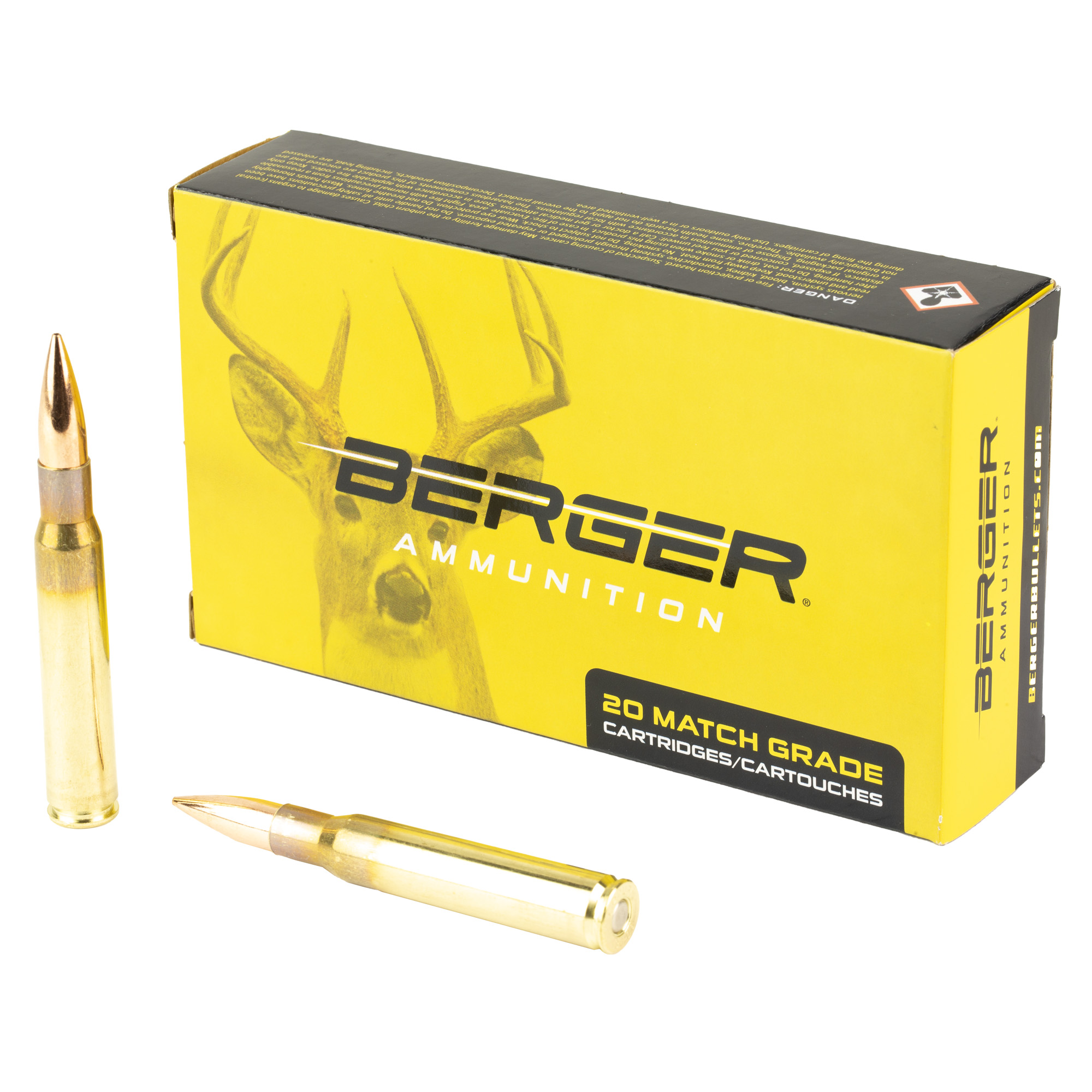
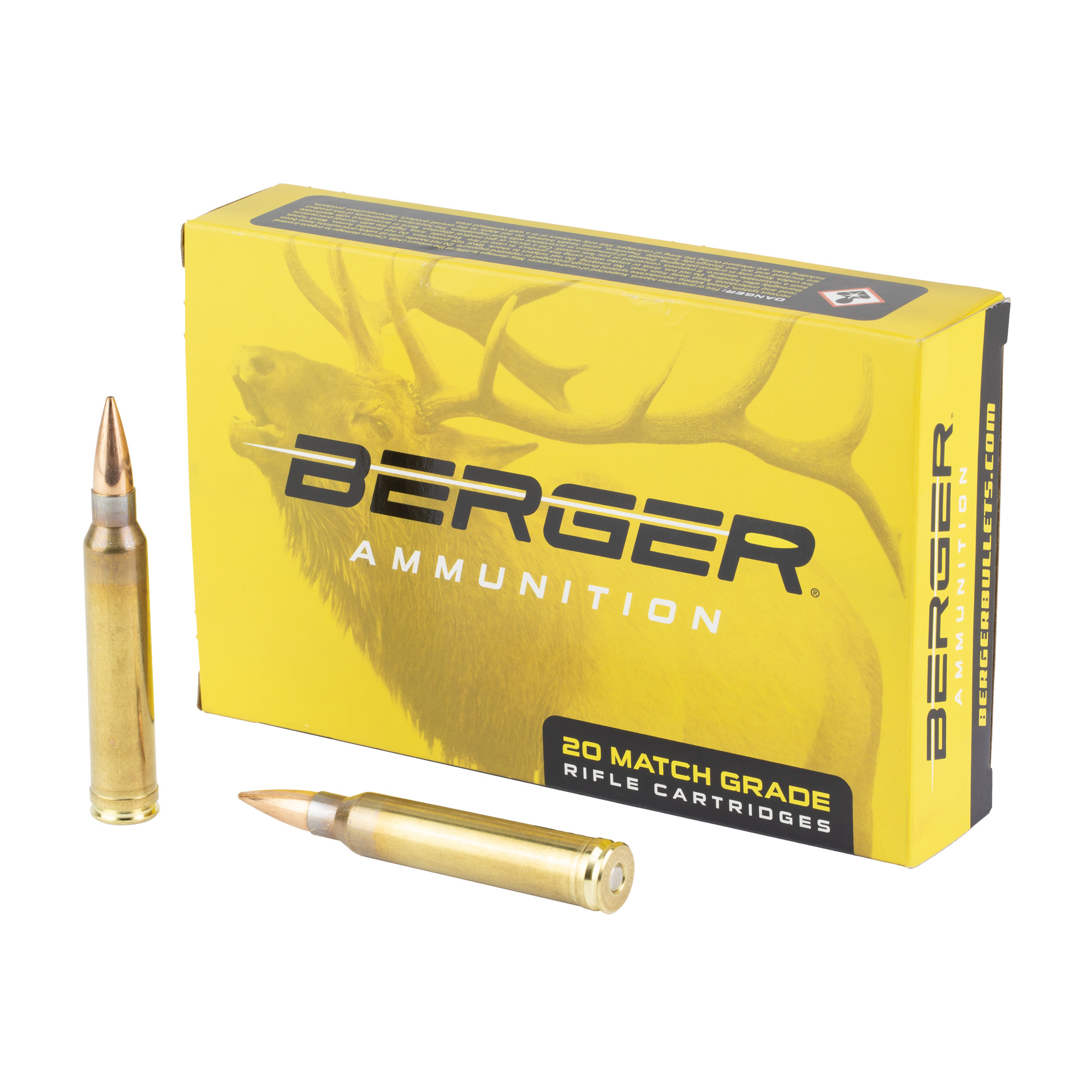
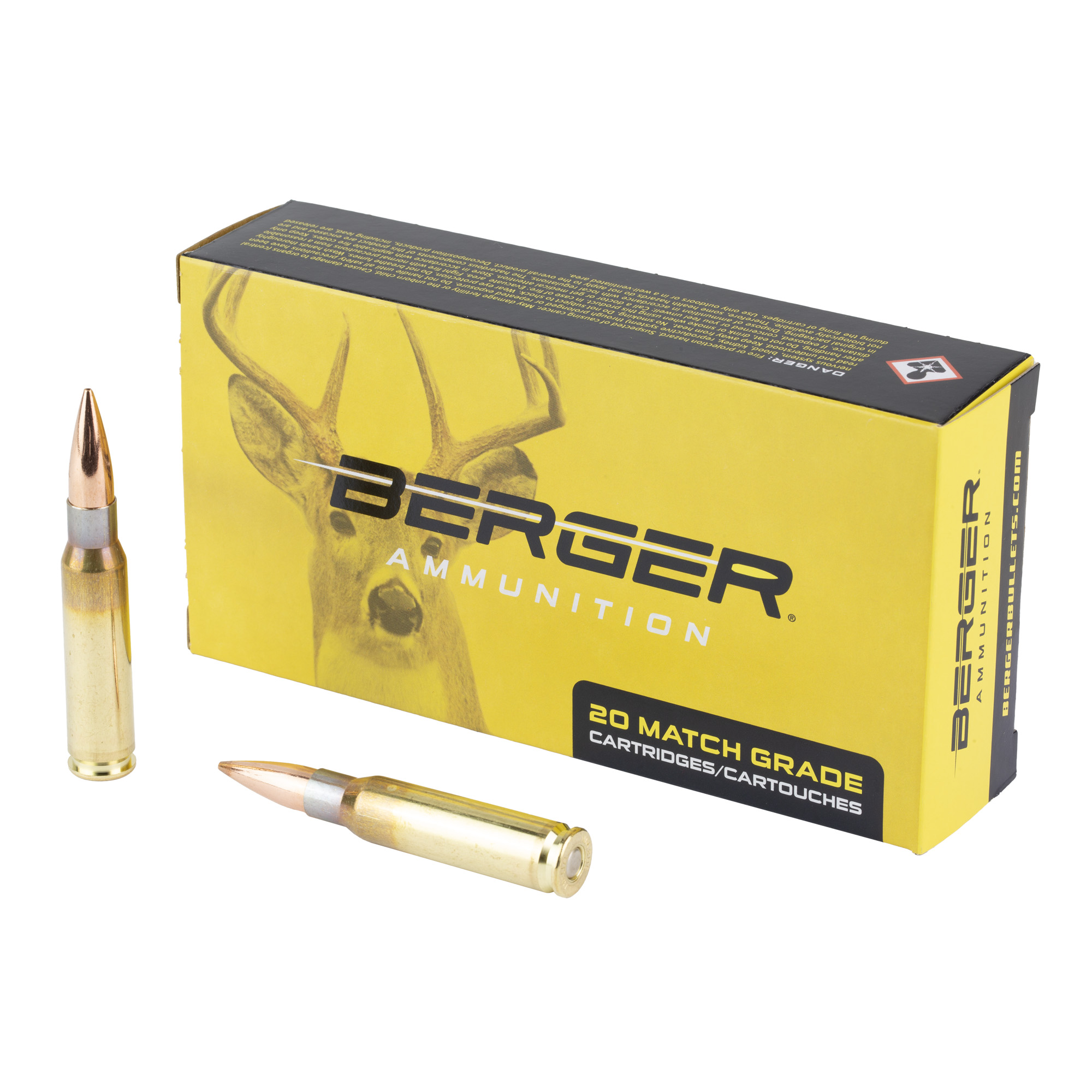
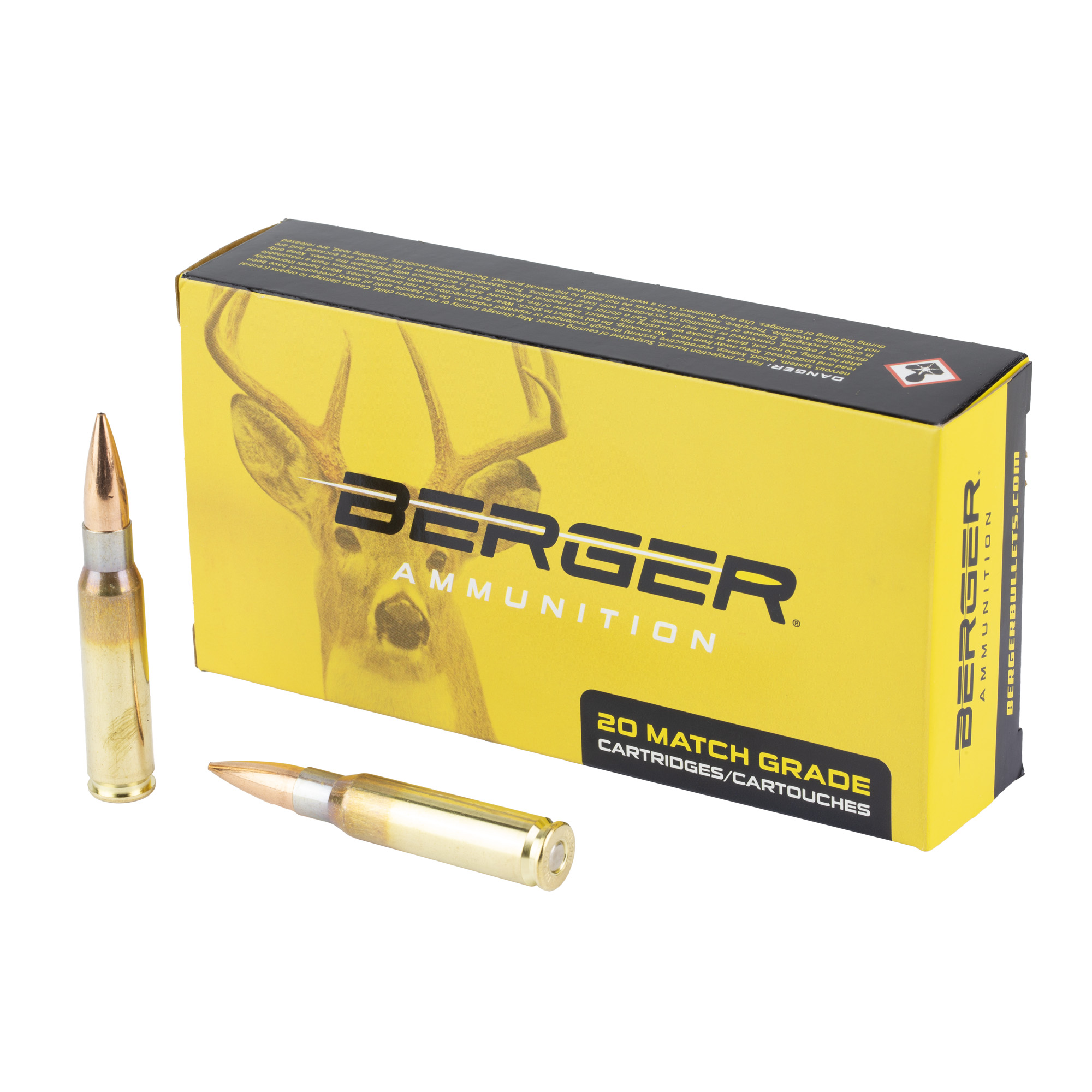
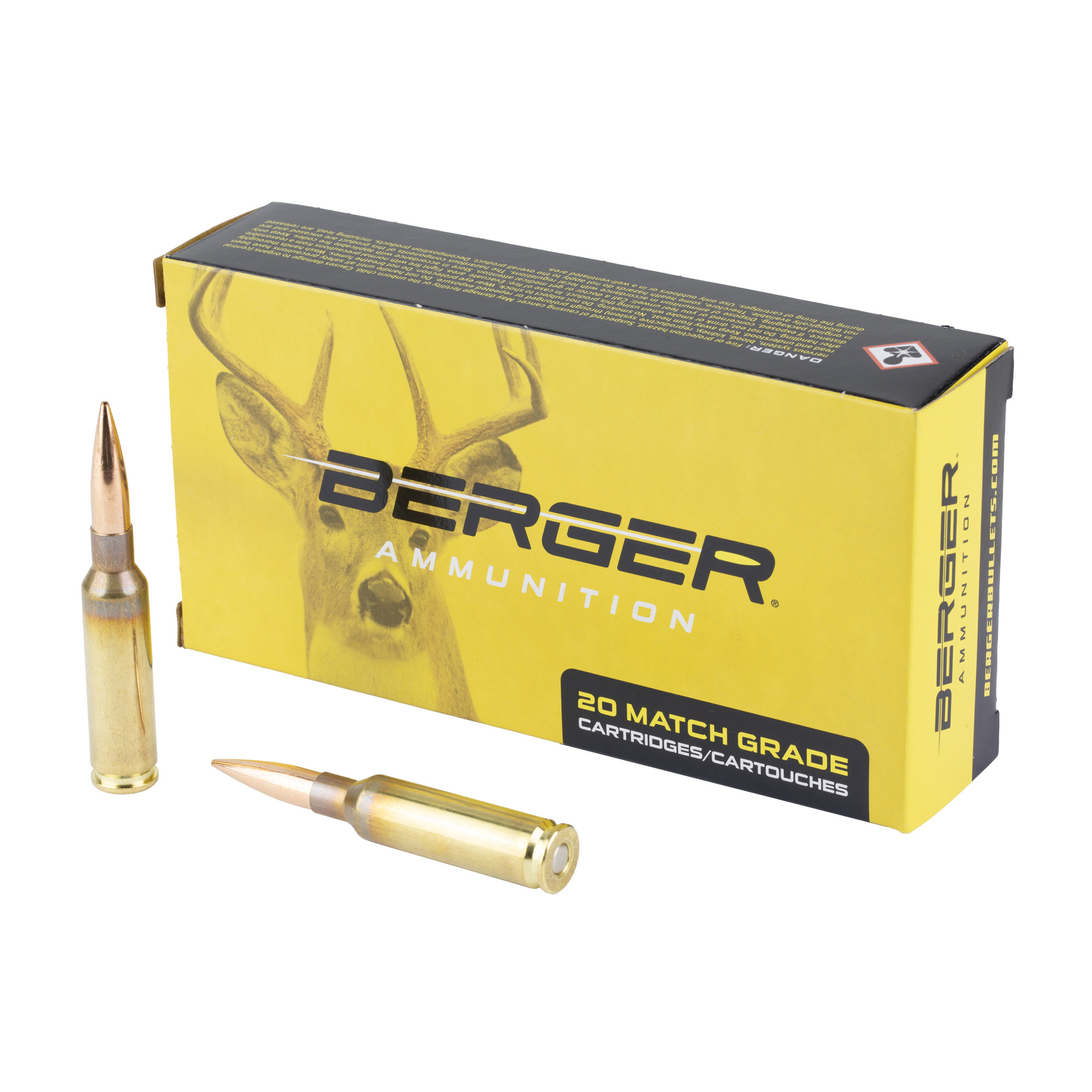
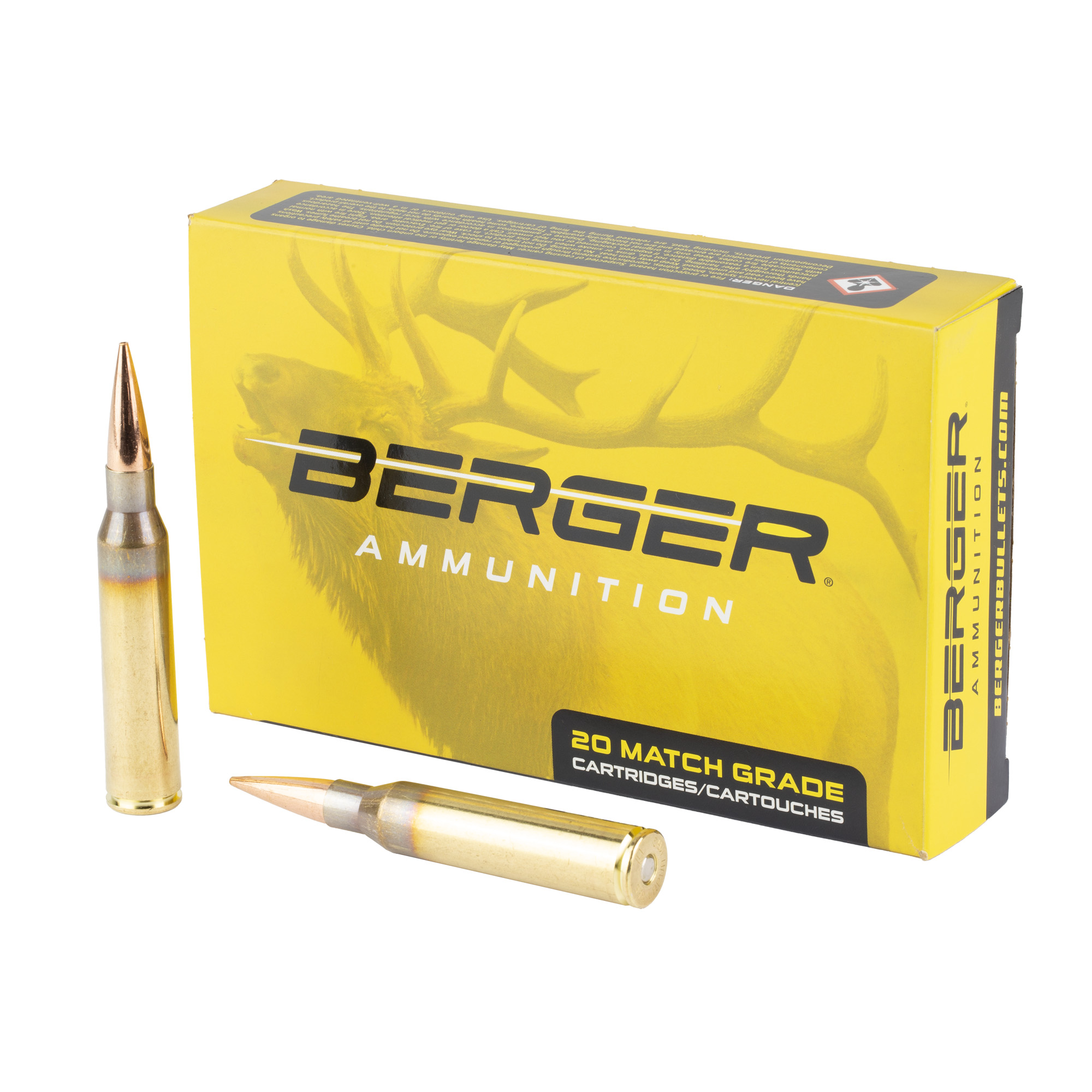
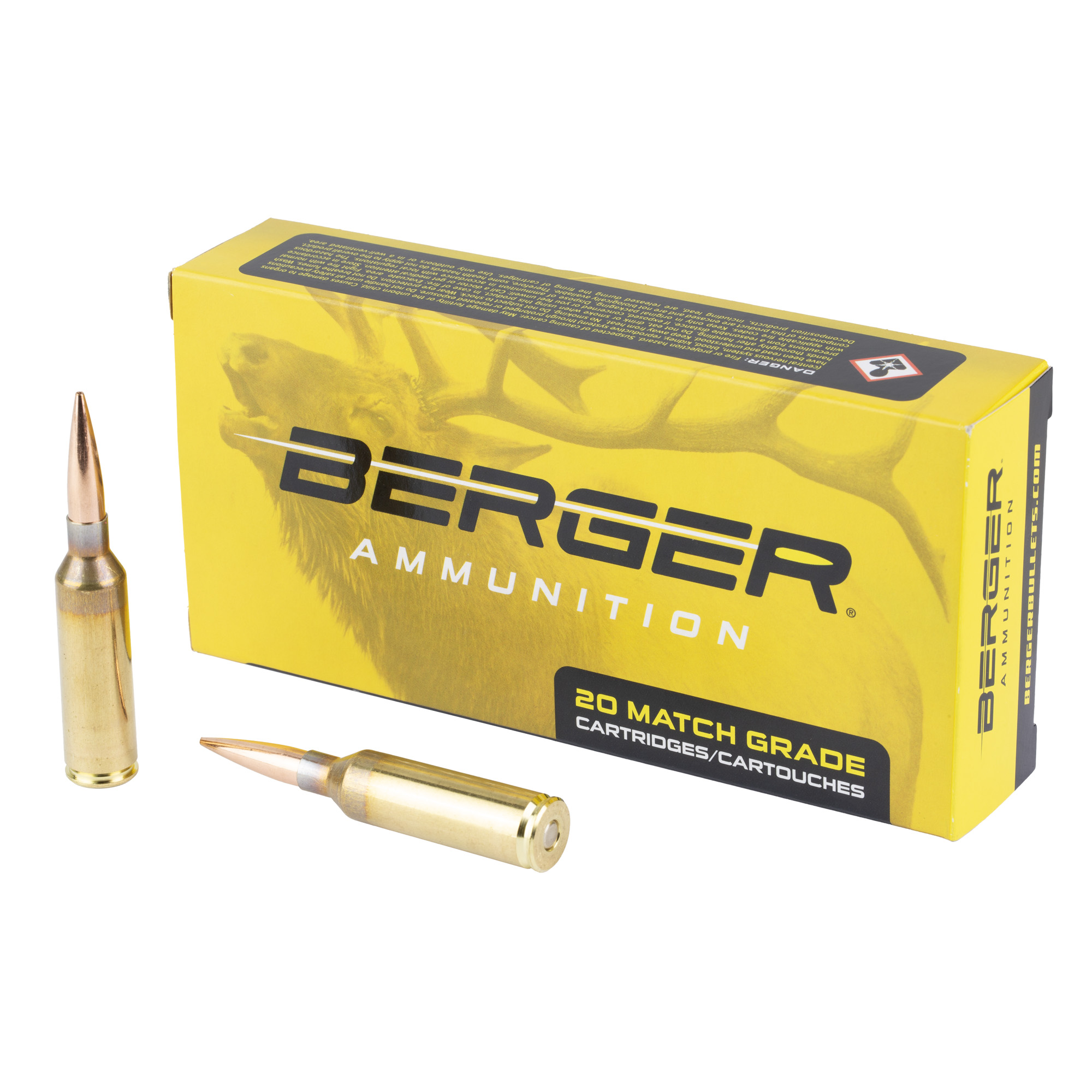
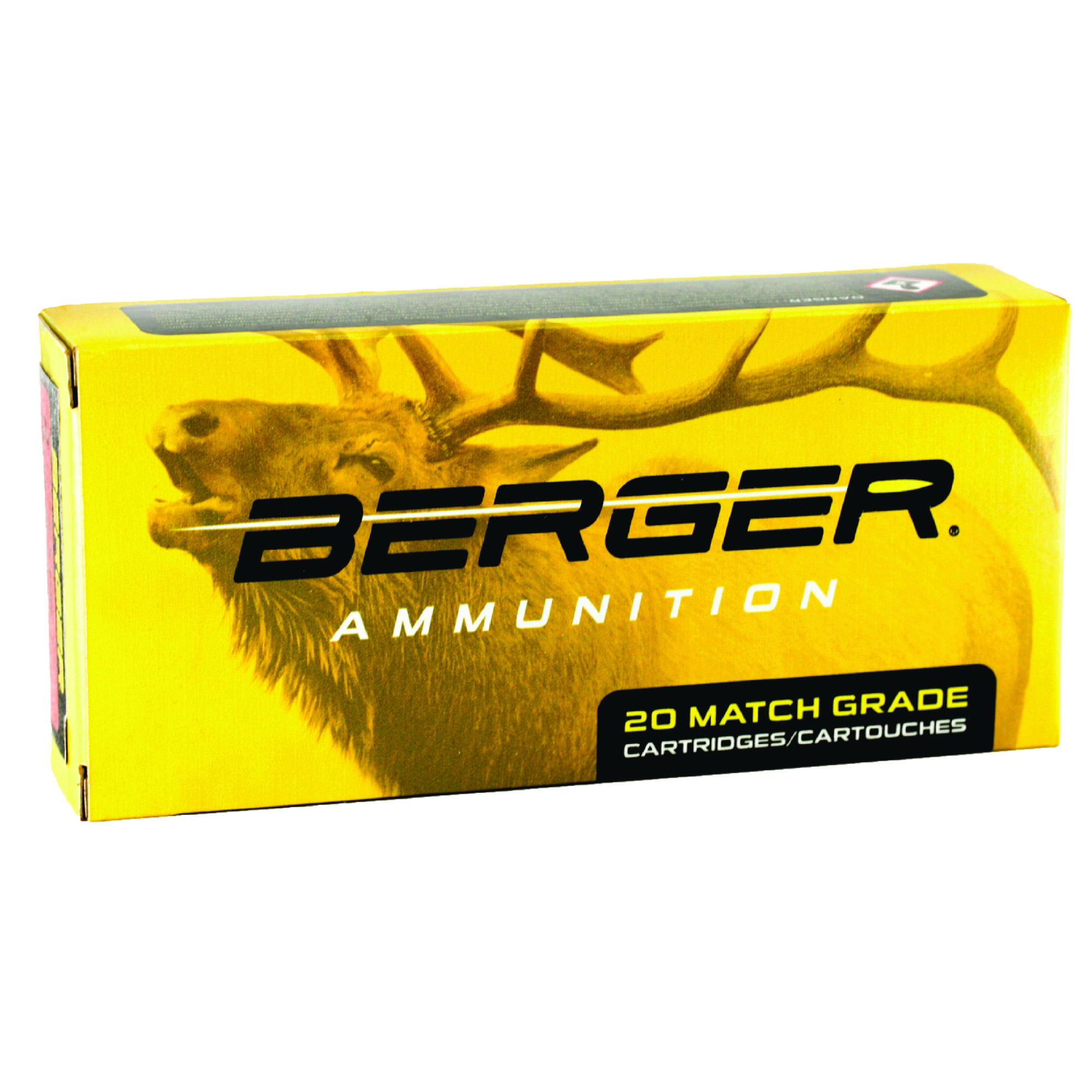
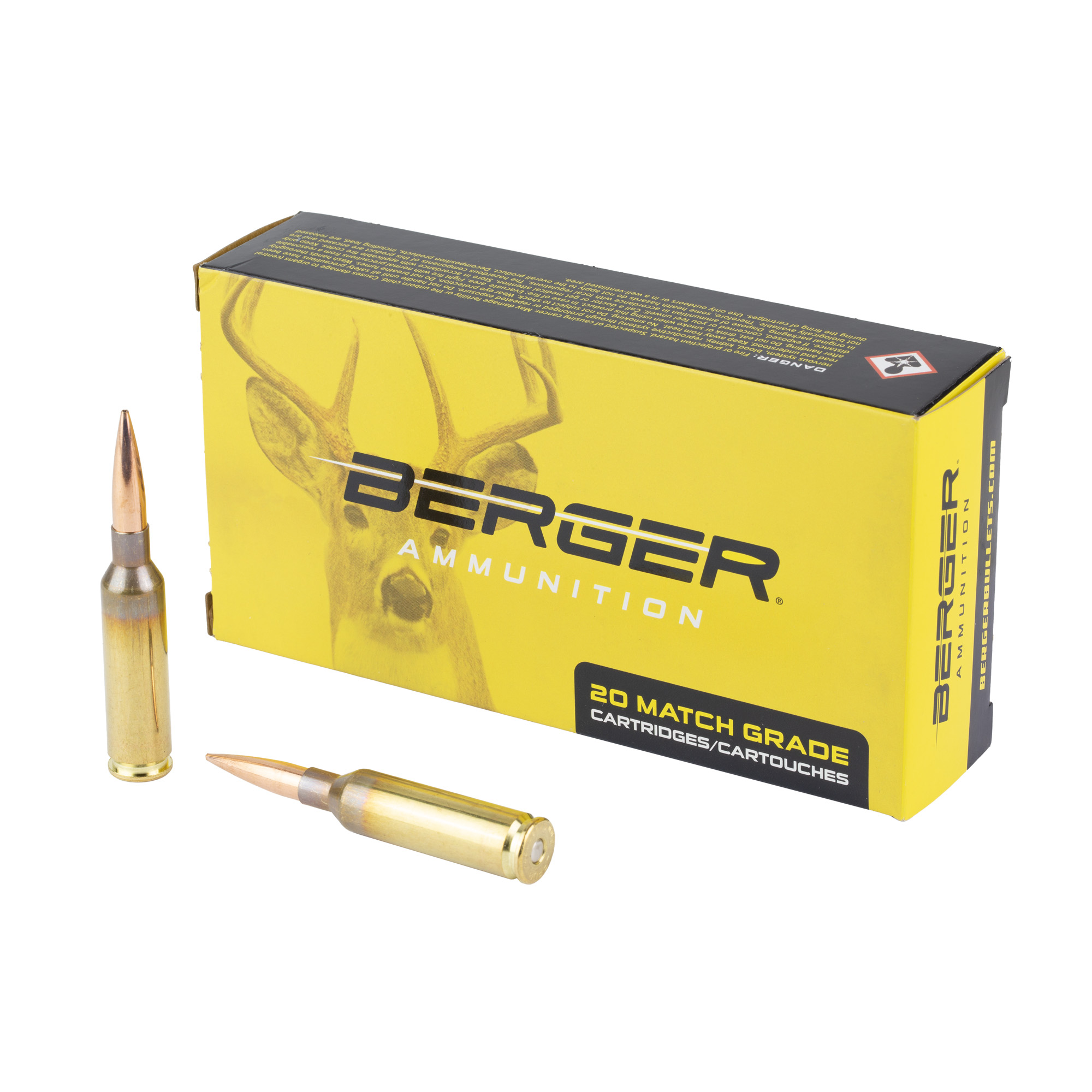
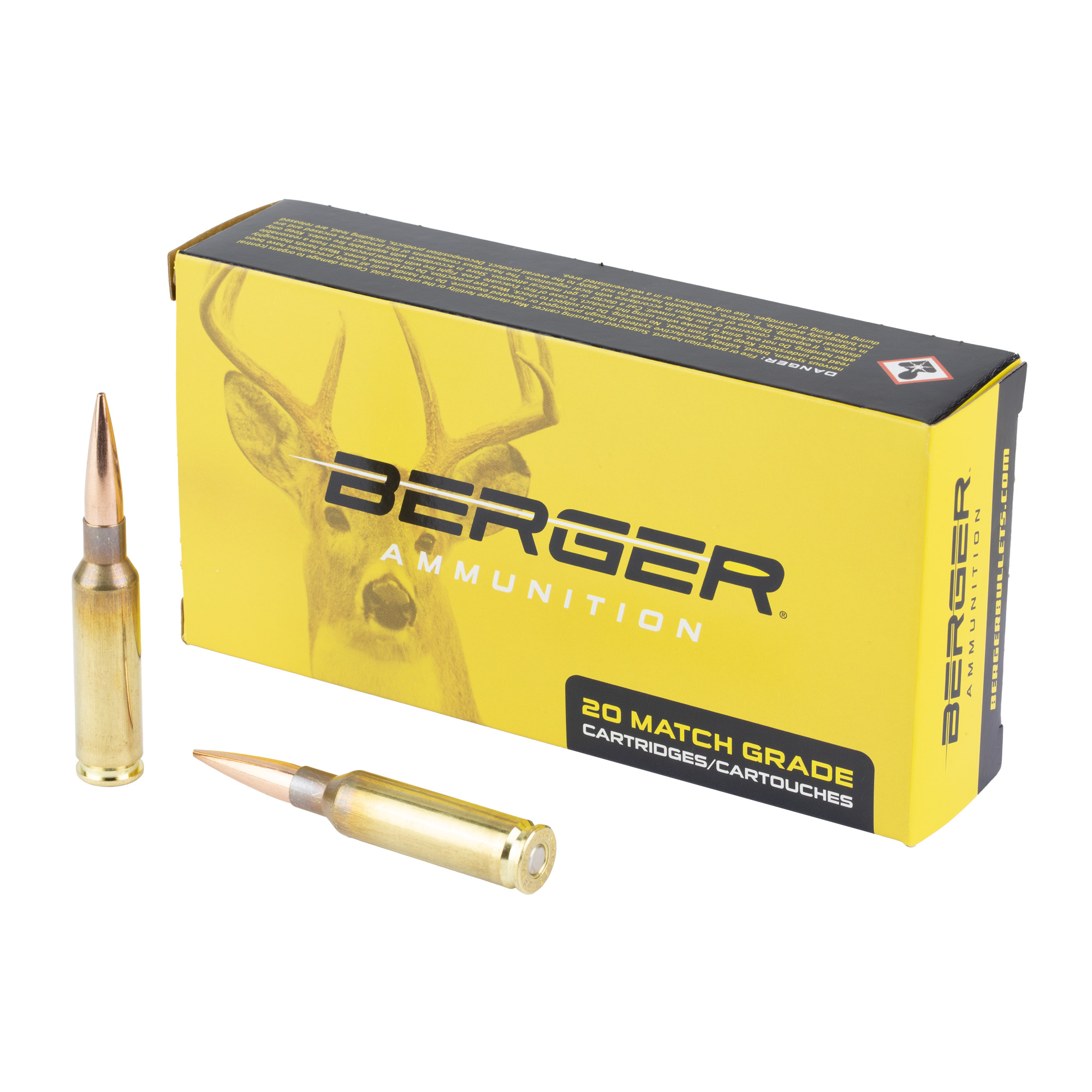
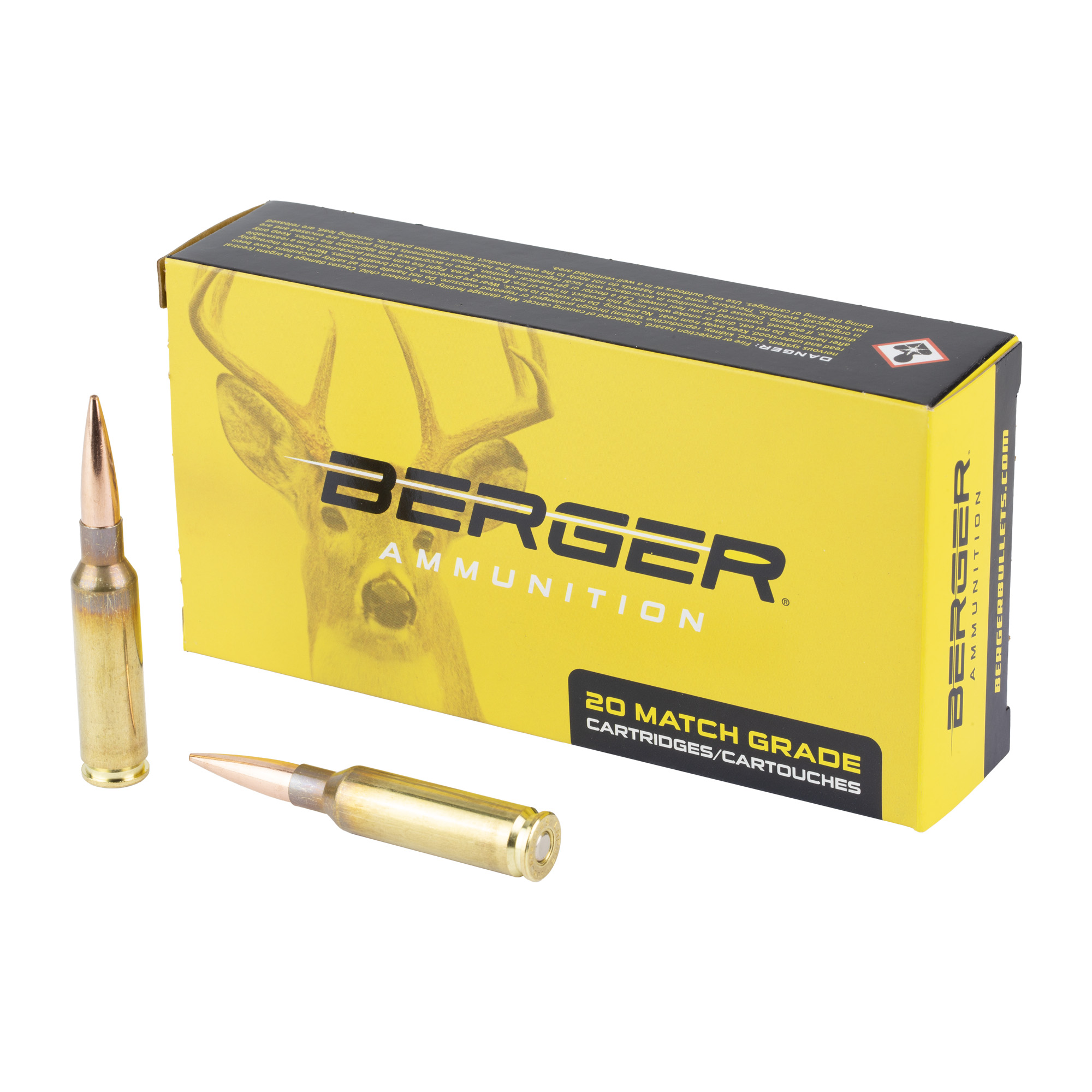
Hunting Ammo gives buyers a practical way to narrow ammunition listings when the product details support hunting, sporting use, game loads, shotgun hunting shells, rifle hunting cartridges, soft point loads, lead-free hunting loads, or hunting-specific product families. The tag should help shoppers sort by exact product details instead of assuming every rifle, shotgun, rimfire, or large handgun listing belongs here.
How To Sort Hunting Ammo By Caliber, Gauge, And Load Style
The first detail to confirm is the product title. Hunting Ammo should be reviewed by cartridge or gauge first, then by bullet type, shot size, shell length, slug or buckshot wording, box count, case quantity, and total rounds. A buyer comparing hunting loads should not rely on the caliber name alone, because the same caliber page can include target, match, FMJ, hollow point, soft point, lead-free, and specialty loads.
The broadest buyer paths are rifle ammo, shotgun ammo, and rimfire ammo. Those parent sections help shoppers narrow the shelf, but the product listing still decides whether the Hunting Ammo tag belongs on an individual item.
Rifle Hunting Ammo Paths Buyers Often Review
Rifle buyers often compare Hunting Ammo by cartridge family, bullet style, grain weight, and case quantity. Strong product-check paths include .243 Winchester ammo, 6.5 Creedmoor ammo, .270 Winchester ammo, 7mm-08 ammo, 7mm Rem Mag ammo, .308 ammo, .300 Win Mag ammo, .30-30 ammo, and .30-06 ammo.
Big-bore and straight-wall rifle paths may also be useful when the product listing supports hunting use. Buyers may review .350 Legend ammo, .450 Bushmaster ammo, and .45-70 ammo when the product title, bullet type, and load description match the order need. These caliber pages should be treated as hunting product-check paths, not automatic assignments for every product.
Shotgun Hunting Ammo Sorting
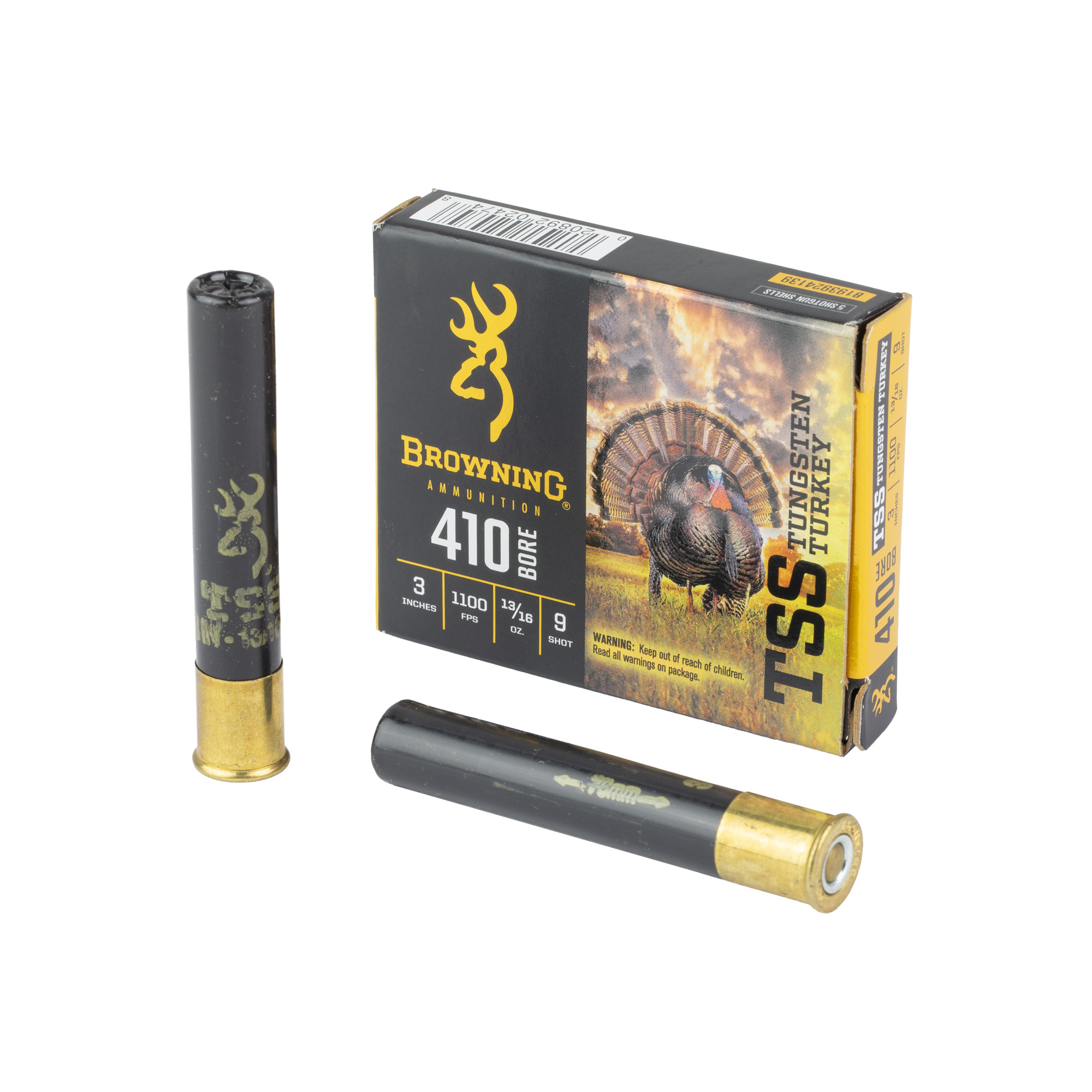
Shotgun buyers should compare Hunting Ammo by gauge, shell length, shot size, payload, slug or buckshot wording, box count, and case quantity. The strongest product-check pages include 12 gauge ammo, 20 gauge ammo, and .410 bore ammo. Depending on product data, 10 gauge, 16 gauge, and 28 gauge listings may also fit when the shell details support a hunting or sporting use.
Do not use the Hunting Ammo tag on every shotgun product. A shotgun shell may be built for target shooting, clay sports, field loads, buckshot, slugs, turkey, waterfowl, upland, or other product-specific purposes. The tag should follow the shell description, not the gauge alone.
Rimfire And Specialty Handgun Hunting Checks
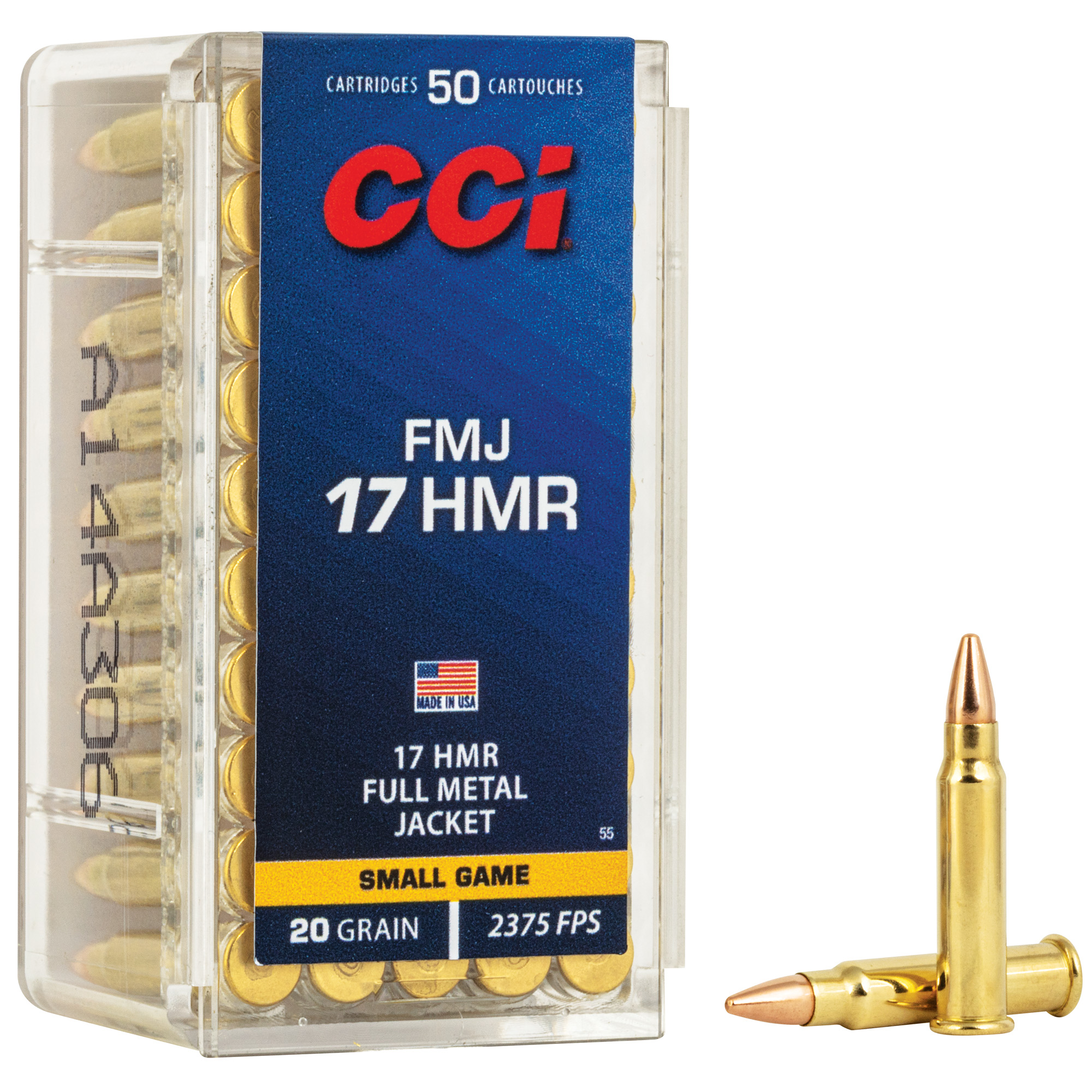
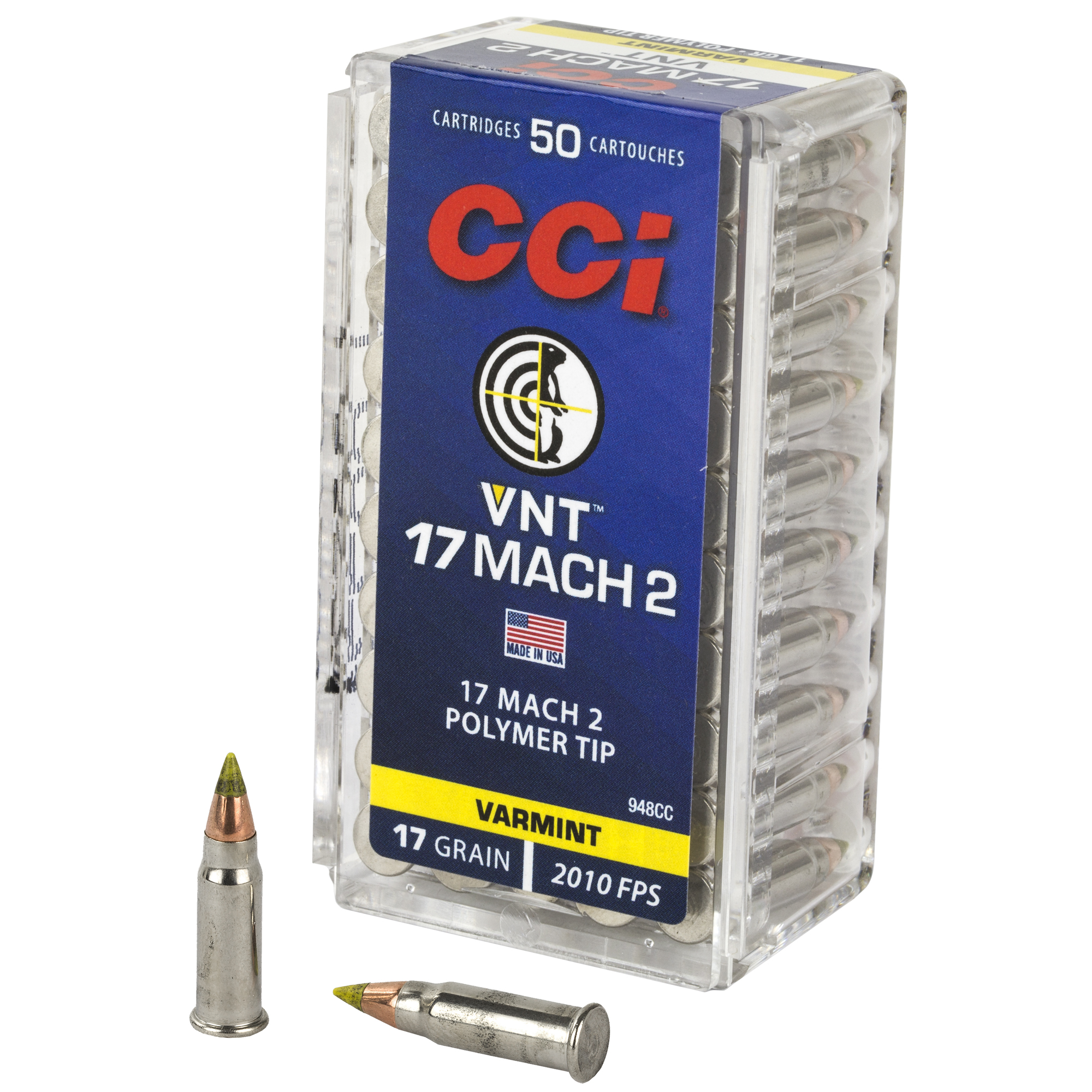
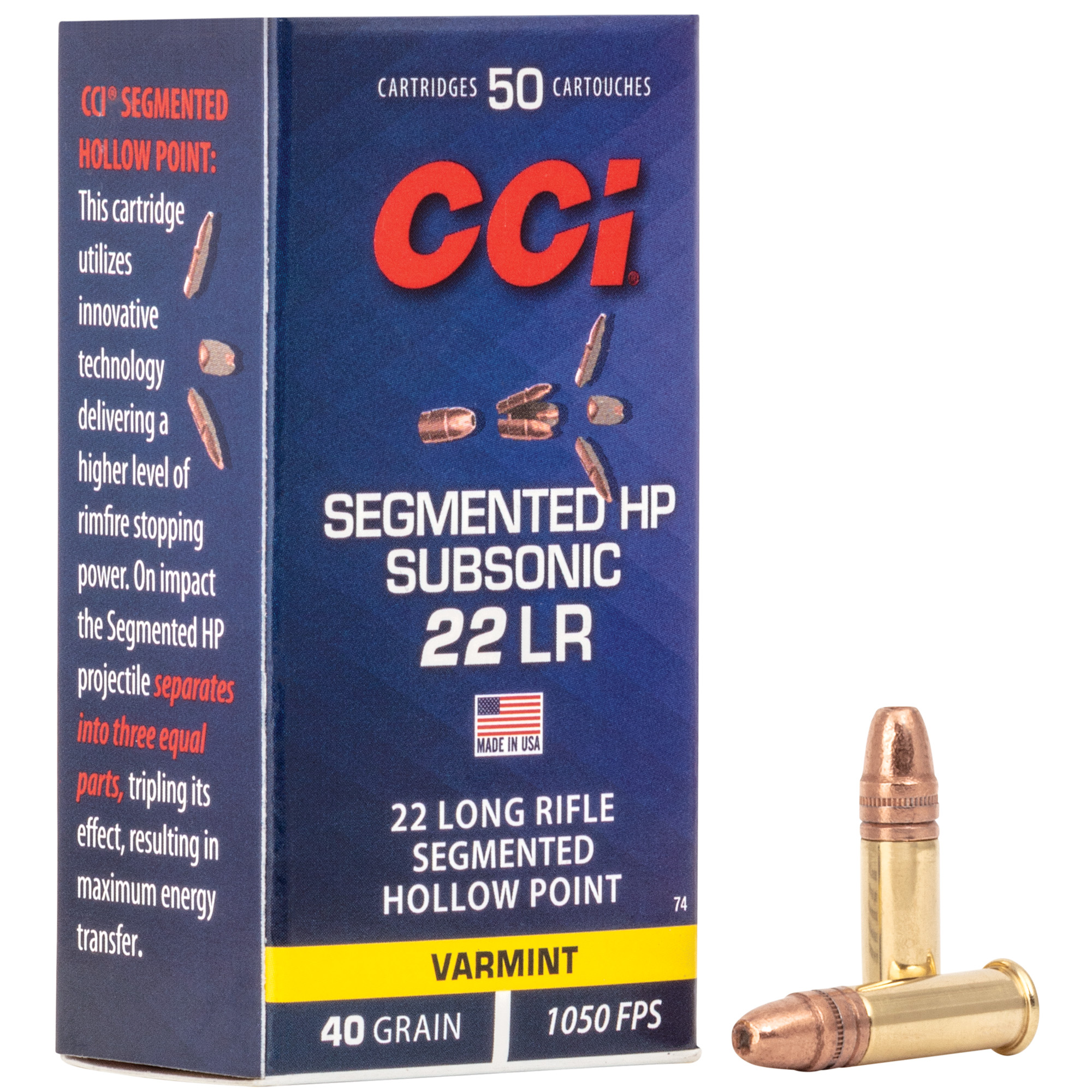
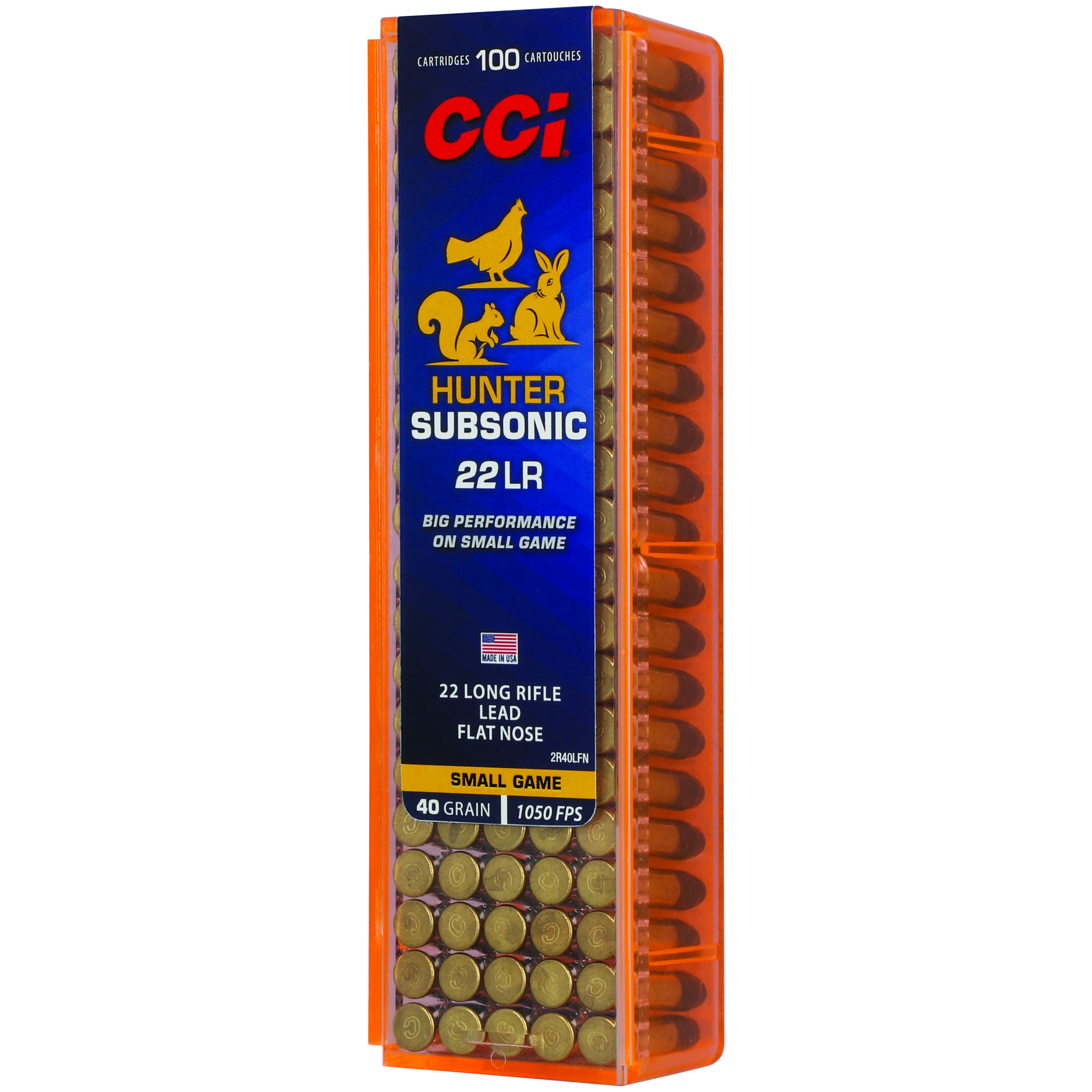
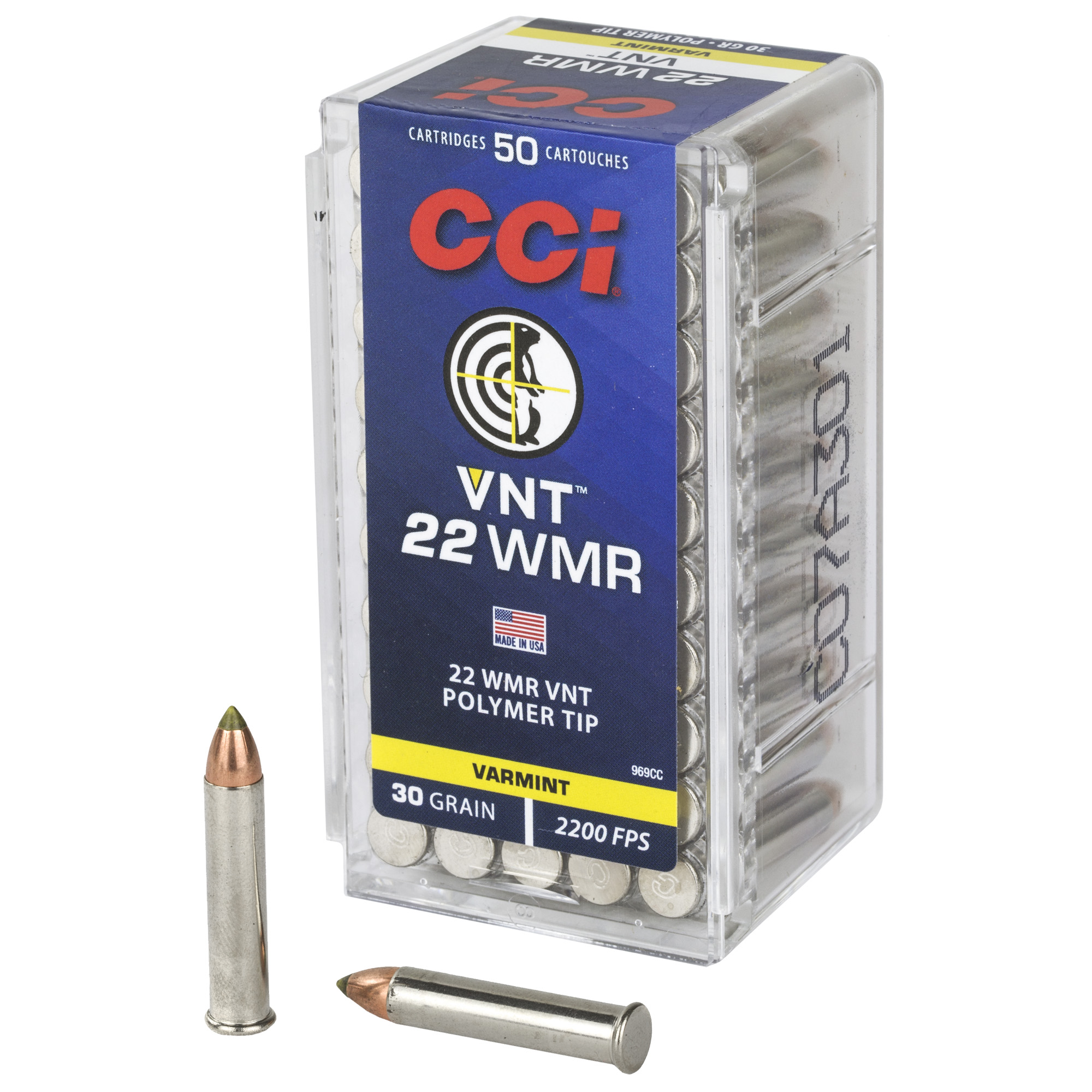
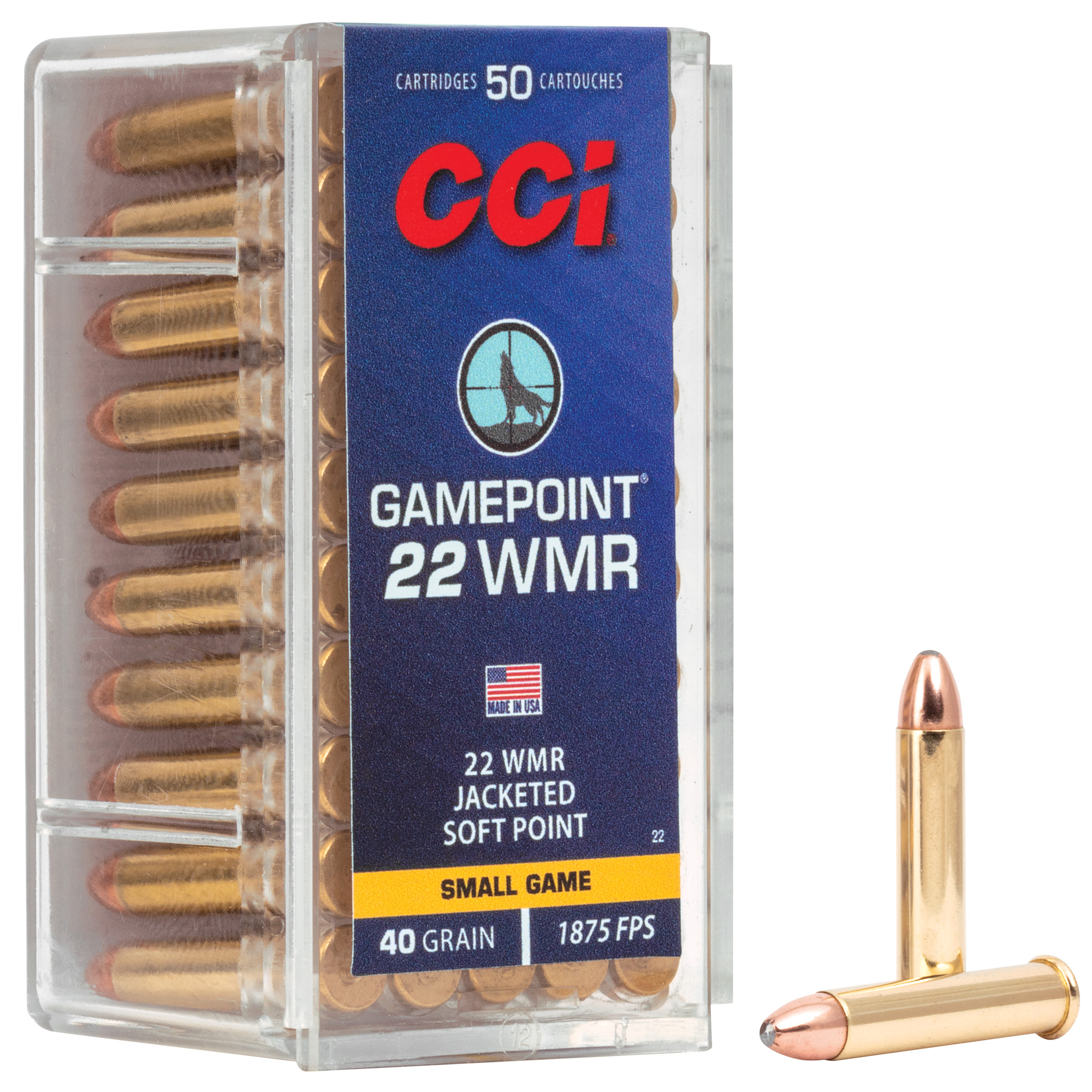
Rimfire listings need product-level review because the same rimfire caliber can include target, match, practice, hollow point, subsonic, small-game, and varmint-style products. Buyers may review .17 HMR ammo, .22 WMR ammo, and .22 LR ammo when the product title or description supports small-game or varmint-style use.
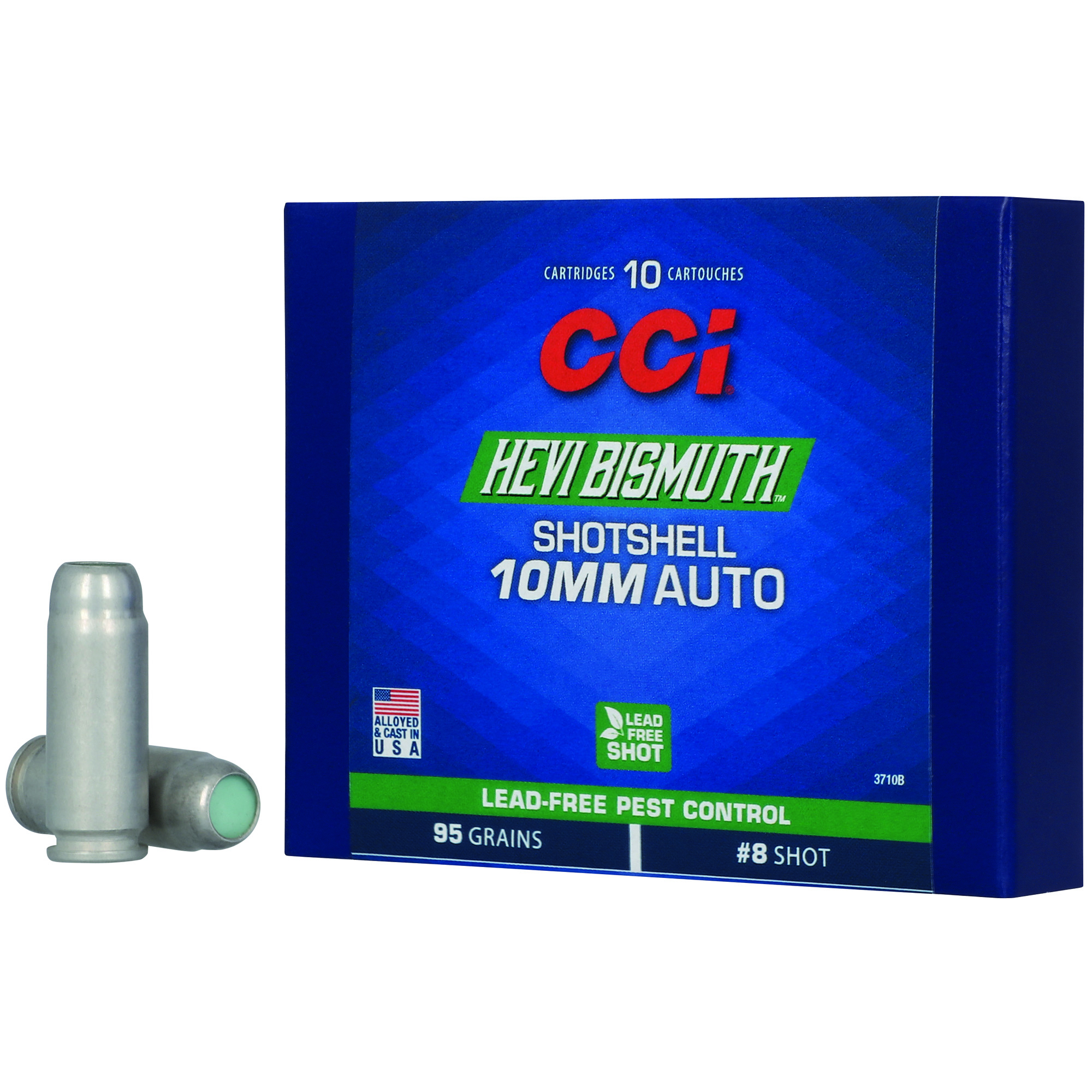
Some specialty handgun listings may also qualify when the product details support hunting use. Pages such as 10mm ammo, .44 Magnum ammo, and .45 Colt ammo can be reviewed, but the tag should only be applied when the product listing clearly supports the use-case.
Brand Paths That Help Buyers Compare Hunting Ammo
Brand pages can help shoppers organize hunting-related options, especially when the buyer is comparing rifle cartridges, shotgun shells, rimfire loads, or specialty handgun products. Useful product-check paths include Federal Premium, Federal, Winchester, Browning Ammunition, Remington Ammunition, and Hornady.
For rifle-focused product review, buyers may also compare Barnes, Nosler, Norma, HSM, Buffalo Bore, and Underwood. For shotgun product checks, useful paths include HEVI-Shot, Kent, BOSS, Rottweil, and Rio. The brand helps narrow the shelf, but the product title, load style, and quantity still decide whether the tag belongs.
What Details Matter Most When Comparing Hunting Ammo?
The most important details are the cartridge or gauge, bullet type, shot size, shell length, slug or buckshot wording when applicable, grain weight, box count, case quantity, and total round count. The product listing should support hunting, game load, field load, soft point, lead-free, slug, buckshot, turkey, waterfowl, upland, varmint, or similar wording before the tag is used.
Should Every Rifle Product Be Tagged As Hunting Ammo?
No. Rifle ammo can include hunting loads, range loads, FMJ loads, match loads, and specialty products. Use the Hunting Ammo tag only when the individual product title, attributes, or description clearly supports hunting or sporting-use product sorting.
Which Shotgun Gauges Should Buyers Check First For Hunting Ammo?
Buyers usually check 12 gauge, 20 gauge, and .410 bore first, with 10 gauge, 16 gauge, and 28 gauge reviewed when product listings support the use-case. The shell details decide the tag. Gauge alone is not enough.
How Should Buyers Compare Hunting Ammo In Bulk Quantities?
Compare the box count, case quantity, total round count, caliber or gauge, bullet type, shot size, shell length, and product-title wording. Larger quantities should still match the buyer’s exact cartridge or shell needs and checkout details before the order is completed.
What Should Lawful Adult Buyers Confirm Before Ordering Hunting Ammo?
Lawful adult buyers should confirm the product title, cartridge or gauge wording, firearm marking, bullet type, shell details, box count, case quantity, total round count, destination eligibility, shipping eligibility, and checkout notices before placing an order.
How Should Buyers Review Shipping Eligibility For Hunting Ammo?
Shipping review should stay tied to the product and destination entered at checkout. Read the product details, destination notices, shipping eligibility information, and order requirements before completing the order. Do not treat the Hunting Ammo tag as a shipping guarantee.